Culibloom was created with a simple purpose: to make gluten-free food something to look forward to again.
I wanted to create a place where gluten-free recipes are about more than removing an ingredient. They are about making food that tastes wonderful, has the texture it should, looks beautiful on the table, and brings back the pleasure of cooking and eating.
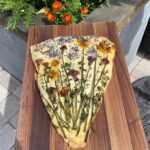
Culibloom is also where my kitchen meets my garden. What I grow often influences what I cook, bringing fresh flavor, seasonal beauty, and creativity to the recipes I make.
That combination of gluten-free cooking and nature is at the heart of Culibloom.
But the reason behind it began much earlier.
I can still remember the feeling of looking forward to trying something gluten-free, taking that first bite, and immediately being disappointed.
It happened more than once over the years. Something could look beautiful on the plate, yet the texture would be dry, gritty, gummy, or dense. Other times, the texture was fine, but the flavor simply was not there.
I kept asking myself the same question: Why should gluten-free food have to feel like a compromise?
I wanted moist cakes, satisfying breads, delicious cookies, comforting meals, and beautiful desserts I would be proud to serve to anyone.
So I started experimenting.
I learned how different ingredients behaved and how small changes could transform flavor and texture. That curiosity changed the way I approached food.
At the same time, gardening was teaching me to notice ingredients differently. Growing something myself made me appreciate its flavor, season, color, and possibilities in the kitchen.
Eventually, I realized these two parts of my life belonged together.
That idea became Culibloom, a place where I could share what I had learned, celebrate good food and nature, and give something back to the gluten-free community.
Creating Food Worth Making Again
A recipe should stand on its own as good food.
When I make a chocolate cake, I want it rich, moist, and decadent. Bread should have a satisfying texture. Cookies should be crisp, chewy, soft, or delicate depending on the recipe. Risotto should be creamy, sauces should be flavorful, and desserts should feel special.
Achieving those results often comes down to details. Small changes in flour, starch, moisture, fat, technique, or cooking time can completely change the finished dish.
That challenge is part of what I enjoy about recipe development. I want to create food worth returning to, whether it is an everyday meal or something made for a celebration.
Why Recipe Testing Matters to Me
I know how frustrating it is to buy ingredients, spend time in the kitchen, and discover that a recipe does not work.
That is why the recipes I share on Culibloom are tested by me.
I pay attention to flavor, texture, moisture, appearance, cooking time, and how the ingredients work together. Sometimes the flour blend needs adjusting. Sometimes the seasoning needs another layer. Other times, the method needs to change.
Not every idea works perfectly the first time. That is simply part of recipe development.
Before I share a recipe, I want to feel confident that it represents the kind of food I want Culibloom to be known for: flavorful, inviting, and enjoyable to eat.
Food Should Look as Good as It Tastes
We begin experiencing a dish before we take the first bite. Color, texture, presentation, and simple finishing touches create anticipation.
Fortunately, beautiful food does not have to be complicated.
Fresh herbs can add color and fragrance. Seasonal fruit can brighten a dessert. A blossom or simple garnish can turn an everyday dish into something that feels special.
For me, presentation is not about perfection. It is about appreciating the ingredients and making food inviting.
Where My Garden Meets My Kitchen
The garden gives Culibloom a rhythm of its own.
What is growing changes with the season, and that naturally changes what catches my attention in the kitchen. A handful of basil may become pesto. Rosemary might find its way into compound butter. Mint blossoms can inspire a drink or dessert, while zucchini blossoms can become part of a beautiful risotto.
There is something especially rewarding about cooking with an ingredient I have watched grow.
The experience begins long before the ingredient reaches the plate. It starts with planting and caring for something, watching it develop, and finally harvesting it at the right moment. By the time it reaches the kitchen, I already have a connection to it.
That experience has taught me to pay closer attention to freshness, seasonality, color, fragrance, and the simple beauty of ingredients.
And it does not require a large garden. A pot of basil, a container of mint, or a few herbs on a sunny windowsill can create the same connection between growing and cooking.
For me, that is what garden-to-table cooking is really about: enjoying the journey from something growing to something delicious.
Food Connects Us
Food is about much more than what is on the plate.
A cake can remind us of a birthday. An aroma can bring us back to a childhood kitchen. A favorite meal can remind us of a holiday, vacation, family gathering, or someone we love.
Food becomes part of our stories.
Dietary changes can make familiar traditions more complicated, which is one reason a reliable recipe can mean so much. It can bring a favorite dish back to the table, become part of a new tradition, or allow everyone to enjoy the same meal together.
That connection is one of the most meaningful reasons I share recipes.
My Way of Giving Back
What began as something personal became something I wanted to share with others.
If a Culibloom recipe makes someone’s time in the kitchen easier or helps bring a favorite food back to the table, then sharing what I have learned has served a purpose beyond my own kitchen.
I also hope the garden side of Culibloom encourages readers to look at fresh ingredients with curiosity, whether they grow them at home or discover them at a local market.
For me, giving back is sharing what I have learned in a way that might bring someone else happiness.
Come Explore Culibloom
If you are new to Culibloom, I am glad you are here.
Browse the gluten-free recipes and find something wonderful to make, or explore the garden for growing ideas and seasonal inspiration.
You do not need to be an experienced cook, baker, or gardener. Start with something that interests you and make it part of your own kitchen or garden.
And if Culibloom inspires something you make or grow, I would love for you to come back and share your experience.
A Love Letter to the Gluten-Free Community
When I think back to those disappointing first bites, I realize they helped lead me here.
They made me curious enough to ask whether I could do better and gave me a reason to keep learning.
Today, Culibloom brings together the things that inspire me most: good food, creativity, nature, and the connection between growing something and bringing it to the table.
Sharing those things with the gluten-free community gives this blog its purpose.
I hope you will pull up a chair, find something that inspires you, and enjoy what is growing and cooking at Culibloom.
That is why I create gluten-free recipes. That is why I blog. And that is my love letter to the gluten-free community.
Here is to fresh flavors, beautiful gardens, and all the little moments that make cooking and growing so rewarding.
Sending joy and happiness from my garden and kitchen to yours,
Leslie, founder and creator of Culibloom, surrounded by the plants and flowers growing in her garden.
Discover how Culibloom transforms cherished family recipes into wholesome, gluten-free dishes that everyone can enjoy. Our mission is to prove that you don't have to give up your favorite comfort foods simply because you are avoiding gluten.
Learn the difference between gluten-free, wheat-free, and celiac-safe foods, including food labels, gluten cross-contact, and safe eating tips. Understanding gluten-free vs wheat-free vs celiac-safe is essential for making informed dietary choices. Have you ever picked up a food package labeled gluten-free, wheat-free, or celiac-safe and wondered whether they all mean the same thing? With so many dietary labels appearing on grocery store shelves, restaurant menus, and specialty food products, understanding what each one means can sometimes feel confusing. Grasping the concept of gluten-free vs wheat-free vs celiac-safe can clarify your shopping and dining experiences. Although these terms are often used interchangeably, they have important differences. Knowing the distinction between gluten-free, wheat-free, and celiac-safe foods can help you make informed choices, especially if you are managing celiac disease, a wheat allergy, or gluten sensitivity. Whether you are beginning a gluten-free lifestyle, baking for someone with dietary restrictions, or simply looking to better understand food labels, this guide will help you navigate these differences with confidence. What Is Gluten, and Why Does It Matter? Gluten is a group of naturally occurring proteins found in wheat, barley, rye, and related grains. It gives dough elasticity, helps bread maintain its structure, and creates the chewy texture associated with traditional baked goods. For most people, gluten is harmless. However, certain medical conditions require avoiding gluten or wheat for different reasons. Celiac disease is an autoimmune condition in which gluten triggers an immune response that damages the lining of the small intestine. Over time, this damage can interfere with nutrient absorption and contribute to other health complications. Non-celiac gluten sensitivity may cause symptoms such as bloating, abdominal discomfort, or fatigue after consuming gluten, without the intestinal damage associated with celiac disease. A wheat allergy is different from both conditions. It occurs when the immune system reacts to proteins found in wheat and can cause symptoms ranging from mild allergic reactions to potentially life-threatening anaphylaxis. These distinctions explain why choosing the correct foods depends on your specific dietary needs. What Does Gluten-Free Mean? The term gluten-free refers to foods that meet established standards for gluten content. In the United States, the Food and Drug Administration (FDA) requires foods labeled gluten-free to contain less than 20 parts per million of gluten. This limit is generally considered safe for individuals with celiac disease. Many everyday foods are naturally gluten-free, including fresh fruits, vegetables, rice, quinoa, corn, potatoes, beans, eggs, and unprocessed meats. Gluten-free baking also offers a wonderful variety of alternatives to traditional wheat flour. White rice flour, brown rice flour, sweet rice flour, tapioca starch, potato starch, and certified gluten-free oat flour can all be used to create delicious homemade breads, cakes, cookies, and pastries. Although naturally gluten-free ingredients do not contain gluten themselves, some may encounter gluten during harvesting or processing. Oats are a familiar example, which is why choosing oats specifically labeled gluten-free is important. Another detail worth knowing is that certain specially processed wheat-derived ingredients, such as gluten-free wheat starch, may meet gluten-free labeling requirements while remaining unsuitable for someone with a wheat allergy. What Does Wheat-Free Mean? Wheat-free means that a food does not contain wheat or wheat-derived ingredients. However, it may still contain gluten from other grains. For example, bread made with rye flour or crackers containing barley malt may be wheat-free but are not gluten-free. Wheat-free labeling is particularly important for people with a diagnosed wheat allergy. Unlike celiac disease, a wheat allergy involves an allergic reaction to proteins found in wheat. Someone with a wheat allergy may be able to consume barley or rye, provided those grains do not contain wheat through cross-contact and there are no other medical reasons to avoid them. When shopping for wheat-free foods, review ingredient lists and allergen information carefully. In the United States, wheat is considered a major food allergen and must be identified on packaged foods when applicable. What Does Celiac-Safe Mean? The term celiac-safe is commonly used to describe foods that are suitable for individuals with celiac disease. It generally suggests that the food is gluten-free and has been prepared with precautions to minimize gluten cross-contact. However, celiac-safe is not an officially standardized or regulated food labeling term in the United States. Unlike gluten-free, which has a specific FDA definition, celiac-safe does not have legally established requirements or a universally recognized certification. Restaurants and bakeries that describe meals as celiac-safe may use dedicated preparation areas, separate equipment, carefully sourced ingredients, and thorough cleaning procedures. However, these practices vary between establishments, so the term alone does not guarantee safety. Gluten cross-contact occurs when gluten-free foods come into contact with gluten-containing ingredients or equipment. Shared toasters, deep fryers, and pasta cooking water are common examples. For someone with celiac disease, even small amounts of gluten can trigger an autoimmune response, sometimes without noticeable symptoms. Properly labeled gluten-free packaged foods are generally suitable for people with celiac disease under FDA standards. An additional celiac-safe designation is not required. Gluten-Free vs. Wheat-Free vs. Celiac-Safe: Understanding the Differences Although these terms are related, each addresses a different dietary concern. Gluten-free describes foods that meet established gluten-content standards. Wheat-free refers to foods made without wheat but that may still contain gluten from other grains. Celiac-safe is an informal description generally used for gluten-free foods prepared with precautions against gluten cross-contact. Understanding these distinctions helps you choose foods that meet your dietary needs rather than relying on labels that may appear interchangeable. How to Read Gluten-Free and Wheat-Free Food Labels Reading food labels is one of the most useful habits you can develop when following a gluten-free or wheat-free diet. Start by looking for a gluten-free statement on packaged foods. Some products also display certification symbols from independent organizations, which may involve additional testing or manufacturing requirements. Next, review the ingredient list, particularly when purchasing foods that are not specifically labeled gluten-free. Ingredients such as wheat flour, barley malt, rye flour, and malt extract derived from barley are important to recognize. Certain ingredients require closer attention. For example, modified
Learn the science behind gluten-free baking, including how flours, starches, binders, moisture, and heat create better texture and structure. Gluten-free baking can feel unpredictable. A cake may be light and tender one day, while another turns out dry, gritty, gummy, or crumbly. Bread may rise beautifully in the oven, only to sink as it cools. Cookies can spread too far or barely spread at all. These results are not random. They happen because wheat flour performs several important jobs in traditional baking, and removing it changes the entire structure of a baked good. Understanding the science behind gluten-free baking makes those changes much easier to manage. Gluten-free flours provide flavor and substance, starches create softness, proteins add strength, binders improve flexibility, and liquids bring everything together. Fat, sugar, eggs, leavening, temperature, and cooling also influence the final texture. The secret is not finding one perfect gluten-free flour. It is learning how different ingredients work together to create a balanced result. Once you understand those relationships, gluten-free baking becomes less mysterious and much more rewarding. What Is Gluten and Why Does It Matter in Baking? Gluten is a network of proteins that develops when wheat flour is combined with liquid. Mixing or kneading encourages two wheat proteins, glutenin and gliadin, to connect and form an elastic structure. That gluten network stretches as gases develop inside a dough or batter. It helps trap the air created by yeast, baking powder, baking soda, steam, or whipped eggs. This allows baked goods to rise while maintaining their shape. Gluten also affects texture. A strong gluten network gives bread its satisfying chew, while limited gluten development helps cakes and pastries remain tender. When wheat flour is removed, the baker loses more than a single ingredient. The structure, elasticity, moisture balance, and gas-trapping ability of the entire formulation change. Gluten-free baking replaces those functions by combining ingredients that each perform a smaller part of gluten’s job. Why Gluten-Free Flour Blends Work Better One of the most important gluten-free baking tips is to think in terms of flour blends instead of individual flours. Every gluten-free flour has a different personality. Brown rice flour provides body and a mild flavor, but it may feel gritty when used by itself. Sorghum flour is soft and slightly sweet, while millet flour has a mild flavor and delicate texture. Buckwheat and teff offer deeper, earthier notes. Almond flour adds richness, protein, and moisture because it contains natural fat. Coconut flour is very absorbent and cannot usually be exchanged evenly with other flours. Chickpea flour contributes protein and structure, but it also has a more distinctive flavor. Combining flours makes it possible to balance these characteristics. A whole-grain flour can provide substance and flavor, a lighter flour can soften the texture, and a starch can encourage tenderness and lift. The ideal gluten-free flour blend depends on the desired result. Bread needs more strength and elasticity than cake. Cookies need a balance that controls spreading, while pastry requires enough structure to hold together without becoming heavy. This is why no single blend is perfect for every style of baking. How Starches Improve Gluten-Free Texture Starches play an essential role in creating light, tender gluten-free baked goods. Tapioca starch, potato starch, cornstarch, and arrowroot starch are among the most common choices. When starch is combined with liquid and heated, its granules absorb moisture, swell, and thicken. This process is called gelatinization. As the starch sets, it helps form and stabilize the interior crumb. Starches also lighten heavier gluten-free flours. Tapioca starch can contribute stretch and chew, which can be especially helpful in bread. Potato starch is often associated with moisture and tenderness. Cornstarch can create a fine crumb in cakes and a crisp texture in cookies, depending on how it is used. Starch still needs balance. Too much may make a baked good gummy, overly soft, or lacking in flavor. Too little can contribute to a dense or crumbly texture. What Binders Do in Gluten-Free Baking Binders give gluten-free mixtures greater cohesion and flexibility. They help ingredients stay connected and can improve the mixture’s ability to hold air as it rises. Xanthan gum is frequently used in gluten-free baking because a small amount can increase viscosity and reduce crumbling. Guar gum performs a similar function, although it can produce a somewhat different texture. Psyllium husk is especially useful in gluten-free bread. When hydrated, it forms a flexible gel that helps dough stretch, retain moisture, and hold its shape. It can create a more bread-like structure without gluten. Ground flaxseed and chia seeds also form gels when mixed with liquid. They can add moisture, fiber, and binding power, but they may produce a denser texture and more noticeable flavor. Using extra binder does not automatically create a better result. Too much xanthan gum, psyllium, or another binder may produce a gummy, rubbery, or sticky texture. Cakes, cookies, bread, and pastry require different degrees of support. Why Protein Matters in Gluten-Free Baking Protein helps build strength when gluten is absent. Eggs are particularly valuable because their proteins firm as they bake, helping the finished structure hold its shape. Egg whites can trap air when whipped, adding volume and lightness. Egg yolks provide fat, color, richness, and emulsifying power, helping fats and liquids remain smoothly combined. Nut flours, seed flours, dairy products, and legume flours can contribute protein as well. However, each of these ingredients also changes flavor, fat content, moisture, and density. Too little structural protein may leave a baked good fragile or prone to collapse. Too much can create a firm, dry, or heavy texture. As with starch and binders, protein works best as part of a balanced system. Hydration Is the Key to a Better Gluten-Free Crumb Gluten-free flours do not absorb liquid in the same way as wheat flour. Some absorb moisture slowly, while others are extremely thirsty. Whole-grain flours and ingredients such as psyllium, flaxseed, chia, and coconut flour may continue absorbing liquid after the initial mixing. This helps explain why