Elevate Your Entertaining with Garden Entertaining Ideas: Garden Ice Cubes, Garden Butter, and Herb-Infused Cheese
Discover creative garden entertaining ideas with homemade herb butter, beautiful garden ice cubes, and herb-infused cheese spreads. Learn how fresh herbs, edible flowers, and seasonal ingredients can transform appetizers, drinks, and charcuterie boards into unforgettable garden-to-table experiences
Fresh herbs, edible flowers, and seasonal produce are some of the easiest ways to make your gatherings feel special. Whether you are hosting a backyard barbecue, holiday dinner, bridal shower, brunch, or casual family get-together, simple garden-inspired touches can transform ordinary food and drinks into beautiful conversation pieces.
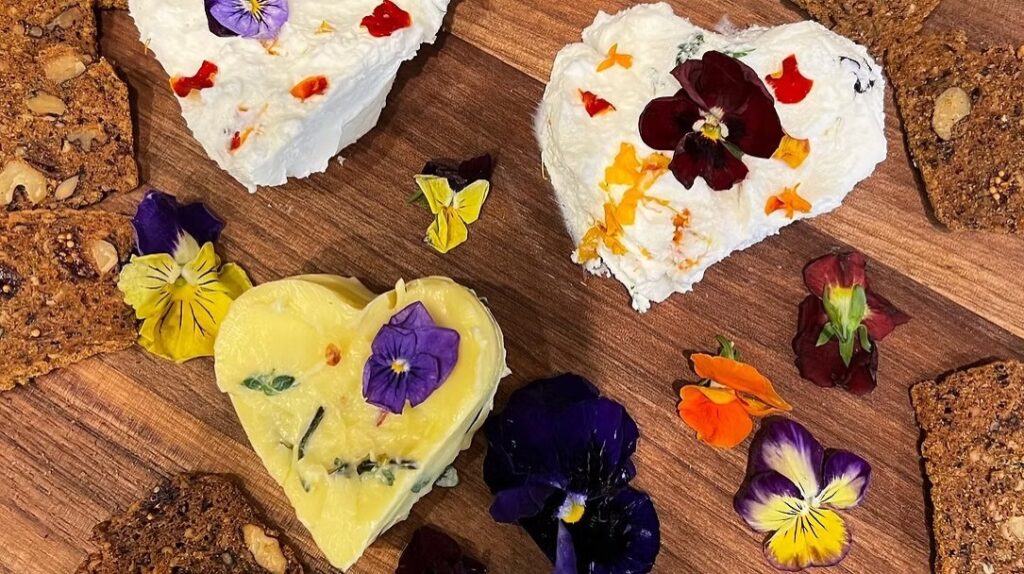
Garden ice cubes filled with colorful blooms, creamy herb butter bursting with fresh flavor, and homemade herb-infused cheeses are inexpensive to make, easy to prepare ahead of time, and guaranteed to impress your guests. Best of all, these creative entertaining ideas allow you to showcase the freshest ingredients from your own garden while adding vibrant colors and unforgettable flavors to your table.
If you are looking for fresh entertaining inspiration, these simple ideas will help you create an elegant garden-to-table experience that your guests will remember long after the party ends.
Why Garden-to-Table Entertaining Is More Popular Than Ever
Garden-to-table entertaining has become a favorite for home cooks because it combines fresh ingredients with beautiful presentation. Instead of relying on expensive decorations or elaborate centerpieces, you can let herbs, edible flowers, and fresh produce become part of the décor.
The result is a table that feels welcoming, seasonal, and naturally elegant.
Some of the biggest benefits include:
Fresh, vibrant flavors
Natural colors that brighten every table
Affordable ingredients grown at home
Easy make-ahead recipes
Less food waste by using herbs before they spoil
A memorable presentation that feels both sophisticated and inviting
These small details can elevate even the simplest gathering.
Create Stunning Garden Ice Cubes That Wow Your Guests
Garden ice cubes are one of the easiest ways to add elegance to beverages. They instantly make sparkling water, lemonade, iced tea, mocktails, cocktails, sangria, and infused water look restaurant worthy.
Simply freeze edible flowers, herbs, fruit, or vegetables inside ice cube trays for a beautiful finishing touch.
Some of the best ingredients include:
Fresh mint leaves
Lemon balm
Rosemary sprigs
Thyme
Basil leaves
Lavender buds
Chamomile flowers
Calendula petals
Pansies
Violas
Nasturtiums
Lemon slices
Lime slices
Orange zest
Blueberries
Raspberries
Blackberries
Cucumber slices
Pomegranate seeds
For crystal-clear ice cubes, use filtered water that has been boiled and cooled before freezing. Fill each compartment halfway and freeze until partially set. Add your herbs or flowers, then top with additional water before freezing completely. This simple method keeps the ingredients suspended throughout the cube for a much prettier presentation.
Pair Garden Ice Cubes with Your Favorite Drinks
Different herbs naturally complement different beverages, allowing you to customize drinks for every season and celebration.
Mint and cucumber create refreshing sparkling water and mojitos.
Lavender adds a delicate floral note to lemonade and champagne.
Rosemary pairs beautifully with citrus cocktails and grapefruit spritzers.
Basil enhances strawberry lemonade and Italian sodas.
Chamomile gives iced tea a soft floral touch.
Edible flower ice cubes also make wonderful additions to bridal showers, baby showers, Mother’s Day brunches, summer parties, and holiday gatherings.
Homemade Garden Butter Adds Gourmet Flavor
Few things are easier or more impressive than homemade compound butter. With just a few fresh herbs and quality butter, you can create a spread that tastes like it came from a fine dining restaurant.
Start with softened unsalted butter and blend in finely chopped herbs, citrus zest, garlic, or spices.
Popular flavor combinations include:
Garlic and parsley
Rosemary and thyme
Basil with lemon zest
Dill and fresh chives
Roasted garlic and sage
Tarragon and shallots
Chives with cracked black pepper
Honey and lavender
Roll the butter into logs using parchment paper, press it into decorative molds, or pipe it into serving bowls for an elegant presentation.
Delicious Ways to Use Herb Butter
Homemade herb butter can elevate almost any meal.
Spread it over warm artisan bread.
Melt it onto grilled steaks.
Top roasted vegetables.
Finish baked potatoes.
Serve with grilled seafood.
Toss with fresh pasta.
Brush onto corn on the cob.
Slip it beneath chicken skin before roasting.
Finish sautéed mushrooms.
Add richness to baked fish.
Because compound butter freezes beautifully, you can prepare several varieties well before your event.
Herb-Infused Cheese Spreads Make Easy Elegant Appetizers
Fresh herbs instantly transform ordinary cheese into something worthy of a special occasion.
Cream cheese, goat cheese, ricotta, mascarpone, whipped feta, and even cottage cheese become flavorful spreads with just a handful of fresh herbs.
Some favorite combinations include:
Goat cheese with thyme and honey
Cream cheese with dill and chives
Ricotta with basil and roasted garlic
Whipped feta with oregano and parsley
Mascarpone with lavender and lemon zest
Cream cheese with rosemary and cracked pepper
Allow the cheese to chill for several hours before serving so the herbs have time to infuse their flavor.
Build a Beautiful Garden-Inspired Charcuterie Board
Homemade herb cheeses become the centerpiece of an unforgettable grazing board.
Pair them with colorful fresh ingredients like cucumbers, cherry tomatoes, radishes, snap peas, berries, grapes, figs, and seasonal fruit.
Add gluten-free crackers, artisan breads, roasted nuts, olives, fig preserves, honey, and fresh herbs to complete the display.
Scatter edible flowers across the board just before serving for an eye-catching finishing touch that looks as beautiful as it tastes.
Grow Herbs That Make Entertaining Easy
You do not need a large vegetable garden to enjoy fresh herbs throughout the year. Many herbs thrive in containers, window boxes, and raised beds, making them perfect for gardeners of every skill level.
Some of the most versatile herbs for entertaining include basil, mint, rosemary, thyme, parsley, sage, chives, dill, oregano, tarragon, lemon balm, and lavender.
Having these herbs growing nearby makes it easy to prepare fresh butters, cheeses, garnishes, infused beverages, and appetizers whenever guests stop by.
Decorate Naturally with Edible Flowers
Edible flowers are one of the simplest ways to create a memorable presentation. Their vibrant colors instantly brighten drinks, appetizers, desserts, salads, and charcuterie boards.
Popular edible flowers include:
Calendula
Chamomile
Lavender
Nasturtiums
Pansies
Violas
Bachelor’s buttons
Borage
Rose petals
Always use flowers that are certified edible and grown without pesticides.
Their natural beauty makes every table feel fresh, elegant, and seasonal.
Prepare Everything Ahead for Stress-Free Entertaining
One of the greatest advantages of these garden entertaining ideas is that nearly everything can be prepared well before your guests arrive.
Garden ice cubes can be frozen several weeks in advance.
Compound butter stores beautifully in the freezer for months.
Herb-infused cheeses actually develop better flavor after resting overnight in the refrigerator.
Preparing these items ahead of time allows you to spend less time in the kitchen and more time enjoying family and friends.
Simple Styling Tips That Make a Big Impression
Professional-looking entertaining does not have to be complicated.
Serve herb butter on a chilled marble board.
Use clear ice cube trays to showcase herbs and flowers.
Arrange fresh herb sprigs around serving platters.
Choose white dishes to make colorful ingredients stand out.
Mix several herbs together for added texture and fragrance.
Fill clear glass pitchers with decorative garden ice cubes for an elegant centerpiece that is both beautiful and functional.
These thoughtful finishing touches help create an inviting atmosphere your guests will appreciate.
Bring Fresh Garden Flavor to Every Celebration
Garden ice cubes, homemade herb butter, and herb-infused cheese spreads are simple ways to bring fresh flavor, natural beauty, and creative presentation to any gathering. Whether you are planning a summer picnic, holiday celebration, garden party, or cozy dinner with friends, these easy entertaining ideas make every meal feel more special.
With just a handful of fresh herbs, edible flowers, and seasonal ingredients, you can create memorable appetizers, beautiful beverages, and stunning charcuterie boards that celebrate the best of your garden. Best of all, these make-ahead recipes help you spend less time preparing and more time enjoying the people around your table.
Learn how to substitute dried herbs for fresh herbs with this easy herb conversion guide. Discover the correct dried vs fresh herb ratios, a handy conversion chart, and expert cooking tips for flavorful recipes. Cooking with herbs is one of the easiest ways to add depth, aroma, and fresh flavor to your favorite recipes. Whether you are harvesting herbs from your garden or reaching for dried herbs in your pantry, understanding the correct dried vs. fresh herb ratio can help you achieve delicious results every time. Many recipes call for fresh herbs, but dried herbs are often more convenient and available year-round. On the other hand, gardeners frequently have an abundance of fresh herbs and want to substitute them in recipes that call for dried seasonings. Knowing the proper herb conversion ratio allows you to make these substitutions with confidence while preserving the intended flavor of the dish. If you have ever wondered how much dried basil equals fresh basil or how to replace fresh thyme with dried thyme, this guide has all the answers. Why Fresh Herbs and Dried Herbs Are Different Although they come from the same plants, fresh herbs and dried herbs have very different flavor profiles. Fresh herbs contain a high amount of moisture, which gives them a bright, clean taste and a delicate aroma. They are often added near the end of cooking or used as a garnish to preserve their vibrant flavor. Dried herbs have had their moisture removed, leaving behind concentrated essential oils. This makes them much stronger than fresh herbs, which is why they should be used in smaller quantities. Understanding this difference is the first step toward seasoning your recipes properly. The Standard Dried vs. Fresh Herb Ratio The easiest way to remember herb substitutions is with one simple rule: Use three times as much fresh herb as dried herb. The standard conversion is: 3 teaspoons fresh herbs = 1 teaspoon dried herbs 3 tablespoons fresh herbs = 1 tablespoon dried herbs This 3-to-1 ratio works well for most culinary herbs, making it easy to convert recipes without sacrificing flavor. Fresh Herb to Dried Herb Conversion Chart Use this chart as a quick reference while cooking. Fresh basil 3 teaspoons = 1 teaspoon dried Fresh oregano 3 teaspoons = 1 teaspoon dried Fresh thyme 3 teaspoons = 1 teaspoon dried Fresh rosemary 3 teaspoons = 1 teaspoon dried Fresh sage 3 teaspoons = 1 teaspoon dried Fresh marjoram 3 teaspoons = 1 teaspoon dried Fresh tarragon 3 teaspoons = 1 teaspoon dried Fresh dill 3 teaspoons = 1 teaspoon dried Fresh parsley 3 tablespoons = 1 tablespoon dried Fresh chives 3 tablespoons = 1 tablespoon dried Fresh mint 3 tablespoons = 1 tablespoon dried Keeping this herb conversion chart nearby can make meal preparation faster and more accurate. When Fresh Herbs Are the Best Choice Fresh herbs provide exceptional flavor, color, and texture. They are ideal for recipes where their delicate taste can truly shine. Choose fresh herbs for: Garden salads Homemade pesto Fresh salsa Sandwiches Pasta dishes Grain bowls Vegetable side dishes Compound butter Cold sauces Soup garnishes To preserve their flavor, add tender herbs just before serving. When Dried Herbs Work Best Dried herbs are an excellent choice for recipes that cook over a longer period. Their concentrated flavor slowly infuses the entire dish. They are perfect for: Soups Stews Tomato sauce Roasted meats Chicken dishes Slow cooker recipes Casseroles Marinades Homemade spice blends Add dried herbs early in the cooking process to allow them time to soften and fully release their flavor. Herbs That Are Better Fresh Than Dried Not every herb retains its flavor after drying. Some lose much of their freshness and are best enjoyed straight from the garden. Whenever possible, use fresh: Basil Parsley Cilantro Chives Mint These herbs contribute a brightness that dried versions simply cannot replicate. Tips for Getting the Most Flavor from Herbs Lightly crush dried herbs between your fingers before adding them to recipes. This releases their natural oils and enhances their aroma. Store dried herbs in airtight containers away from heat, humidity, and direct sunlight. Replace dried herbs every twelve months for the best flavor. Harvest fresh herbs in the morning after the dew has dried but before the afternoon heat. Wash fresh herbs carefully and dry them thoroughly before chopping. Taste your recipe before adding extra herbs, as some varieties are naturally stronger than others. Common Herb Substitution Mistakes One of the biggest mistakes is using equal amounts of dried and fresh herbs. Since dried herbs are more concentrated, this often leads to overpowering flavors. Another common mistake is adding fresh herbs too early during cooking. Long cooking times can diminish their delicate flavor and vibrant green color. Using expired dried herbs is another issue. If they have lost their aroma, they have also lost much of their ability to season your food effectively. Make Every Meal More Flavorful Learning how to substitute fresh herbs for dried herbs is a valuable kitchen skill that makes cooking easier and more flexible. Whether you are using herbs from your own garden or stocking your pantry with dried seasonings, the proper herb conversion ratio ensures balanced flavor in every bite. Remember the simple 3-to-1 rule, use fresh herbs to add brightness to finished dishes, and rely on dried herbs for slow-cooked recipes that benefit from deeper, richer flavor. With this herb conversion guide, you will always know exactly how much to use, making every recipe more flavorful and every meal more enjoyable.
Elevate your salads with homemade herb-infused oils and vinegars, where fresh, vibrant flavors transform simple dishes into culinary masterpieces. Perfect for those who love experimenting with herbs and want to add a gourmet touch to their meals.
Discover creative New Year’s menu ideas featuring festive appetizers, seafood recipes, flavorful side dishes, gluten-free options, and unforgettable desserts for the ultimate New Year’s Eve celebration. New Year’s Eve is the perfect occasion to gather around the table with family and friends and celebrate fresh beginnings with incredible food. Whether you are planning an elegant dinner party, a casual buffet, or a cozy evening at home, creating a well-rounded menu filled with festive appetizers, fresh seafood, flavorful side dishes, and unforgettable desserts can make your celebration truly memorable. From sophisticated starters to indulgent sweets, every course offers an opportunity to impress your guests while welcoming the new year in delicious style. If you follow a gluten-free lifestyle, many of these recipes can easily be adapted using gluten-free ingredients without sacrificing flavor or presentation. In this guide you will discover creative New Year’s menu ideas. Start Your New Year’s Celebration with Festive Appetizers The best New Year’s Eve parties begin with appetizers that are easy to enjoy while guests mingle before dinner or wait for the midnight countdown. Offering a variety of hot and cold options ensures there is something for everyone. Popular New Year’s appetizers include baked spinach and artichoke dip served with gluten-free crackers, stuffed mushrooms filled with herbs and cheese, bacon-wrapped dates, mini Caprese skewers, roasted garlic hummus with fresh vegetables, crispy gluten-free crab cakes, smoked salmon cucumber bites, shrimp cocktail, and baked Brie topped with cranberry preserves and toasted pecans. For an elegant presentation, arrange appetizers on wooden serving boards with fresh herbs, seasonal fruit, olives, roasted nuts, and artisan cheeses to create a festive grazing table. Impress Guests with Elegant Seafood Dishes Seafood has long been associated with special occasions, making it an excellent choice for a New Year’s menu. Whether served as appetizers or the main course, fresh seafood adds sophistication to your holiday table. Some delicious seafood ideas include buttery lobster tails, garlic herb shrimp, pan-seared scallops, baked salmon with lemon and dill, seafood stuffed mushrooms, crab-stuffed shrimp, seafood chowder, grilled mahi-mahi, lobster mac and cheese made with gluten-free pasta, and seafood risotto loaded with shrimp, scallops, and crab. Fresh herbs, citrus, garlic, and quality olive oil enhance seafood without overpowering its delicate flavor, creating dishes that feel both elegant and comforting. Create Memorable Main Courses If seafood is not the star of your meal, pair it with a hearty entrée that complements the rest of your menu. Popular New Year’s dinner ideas include herb-crusted prime rib, roasted beef tenderloin, garlic butter filet mignon, honey-glazed ham, roasted turkey breast, herb-roasted chicken, stuffed pork loin, or a vegetarian mushroom Wellington prepared with gluten-free pastry. Choosing one signature entrée allows your side dishes and desserts to shine while creating a balanced holiday menu. Serve Flavorful Side Dishes Everyone Will Love Side dishes help complete your New Year’s feast by adding color, texture, and seasonal flavors to every plate. Some crowd-pleasing side dishes include roasted garlic mashed potatoes, Parmesan roasted asparagus, honey-glazed carrots, creamy gluten-free scalloped potatoes, wild mushroom risotto, roasted Brussels sprouts with balsamic glaze, garlic green beans with almonds, maple roasted sweet potatoes, butternut squash gratin, cranberry quinoa salad, and fresh winter salads topped with citrus vinaigrette. Including both vegetable and starch options ensures every guest can build a satisfying holiday plate. Bake Fresh Bread and Savory Pastries Freshly baked bread fills your home with comforting aromas and pairs beautifully with every course. Consider serving gluten-free dinner rolls, rosemary focaccia, garlic herb biscuits, cheddar chive scones, Parmesan breadsticks, or savory puff pastry appetizers made with gluten-free pastry dough. Warm bread served with herb butter or roasted garlic butter adds an extra touch of hospitality to your holiday gathering. Finish with Beautiful Homemade Desserts No New Year’s celebration is complete without an assortment of festive desserts. A dessert table filled with homemade treats becomes the highlight of the evening and gives guests plenty of sweet options to enjoy before the midnight toast. Popular New Year’s desserts include sparkling sugar cookies, elegant layer cakes, chocolate mousse, cheesecake bites, flourless chocolate cake, macarons, chocolate-covered strawberries, mini fruit tarts, brownie bites, cake pops, lemon bars, cannoli cups, tiramisu, cupcakes decorated with edible glitter, and champagne-inspired desserts. A combination of chocolate, citrus, berries, vanilla, and seasonal spices creates a dessert selection that feels festive and luxurious. Design a Stunning New Year’s Dessert Table Presentation makes every dessert even more inviting. Use cake stands of varying heights, elegant serving platters, metallic accents, candles, fairy lights, and fresh greenery to create a dessert display worthy of celebration. Decorate desserts with edible gold leaf, silver sugar pearls, sparkling sanding sugar, white chocolate drizzle, candied cranberries, rosemary sprigs, and fresh berries to create a sophisticated holiday look. A beautifully styled dessert table also provides the perfect backdrop for memorable holiday photos. Include Delicious Gluten-Free Options Providing gluten-free choices ensures every guest feels welcome at your celebration. Many appetizers, seafood dishes, side dishes, and desserts can easily be prepared using gluten-free ingredients. Offer gluten-free crackers with dips, gluten-free dinner rolls, roasted vegetables, flourless chocolate cake, macarons, cheesecake, pavlova, and gluten-free cookies alongside your traditional menu. Clearly labeling gluten-free dishes helps guests confidently enjoy the meal while preventing confusion. Prepare Ahead for a Relaxing Celebration One of the secrets to successful holiday entertaining is preparing as much as possible before guests arrive. Bake desserts several days in advance, prepare appetizer ingredients ahead of time, assemble charcuterie boards shortly before serving, and prep vegetables the day before. Many side dishes can also be partially prepared and finished in the oven while your main course rests. Planning ahead allows you to spend more time celebrating with family and friends instead of working in the kitchen. Celebrate the New Year with an Unforgettable Holiday Menu Creating a memorable New Year’s menu goes beyond serving delicious food. It is about bringing people together to celebrate new beginnings with thoughtfully prepared appetizers, elegant seafood dishes, comforting side dishes, and irresistible homemade desserts. Whether you are hosting an intimate dinner or