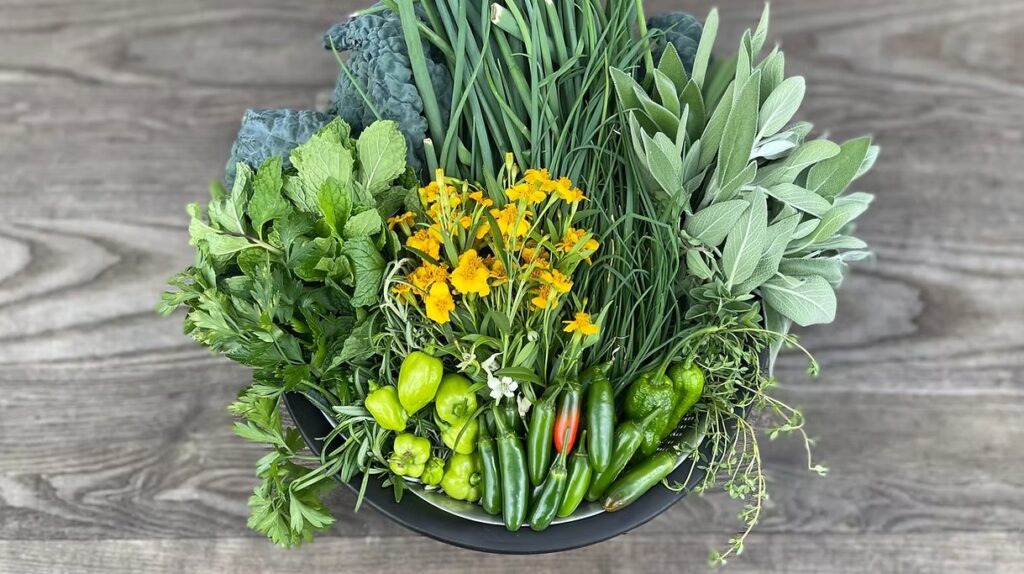

Learn how to substitute dried herbs for fresh herbs with this easy herb conversion guide. Discover the correct dried vs fresh herb ratios, a handy conversion chart, and expert cooking tips for flavorful recipes.
Cooking with herbs is one of the easiest ways to add depth, aroma, and fresh flavor to your favorite recipes. Whether you are harvesting herbs from your garden or reaching for dried herbs in your pantry, understanding the correct dried vs. fresh herb ratio can help you achieve delicious results every time.
Many recipes call for fresh herbs, but dried herbs are often more convenient and available year-round. On the other hand, gardeners frequently have an abundance of fresh herbs and want to substitute them in recipes that call for dried seasonings. Knowing the proper herb conversion ratio allows you to make these substitutions with confidence while preserving the intended flavor of the dish.
If you have ever wondered how much dried basil equals fresh basil or how to replace fresh thyme with dried thyme, this guide has all the answers.
Why Fresh Herbs and Dried Herbs Are Different
Although they come from the same plants, fresh herbs and dried herbs have very different flavor profiles.
Fresh herbs contain a high amount of moisture, which gives them a bright, clean taste and a delicate aroma. They are often added near the end of cooking or used as a garnish to preserve their vibrant flavor.
Dried herbs have had their moisture removed, leaving behind concentrated essential oils. This makes them much stronger than fresh herbs, which is why they should be used in smaller quantities.
Understanding this difference is the first step toward seasoning your recipes properly.
The Standard Dried vs. Fresh Herb Ratio
The easiest way to remember herb substitutions is with one simple rule:
Use three times as much fresh herb as dried herb.
The standard conversion is:
3 teaspoons fresh herbs = 1 teaspoon dried herbs
3 tablespoons fresh herbs = 1 tablespoon dried herbs
This 3-to-1 ratio works well for most culinary herbs, making it easy to convert recipes without sacrificing flavor.
Fresh Herb to Dried Herb Conversion Chart
Use this chart as a quick reference while cooking.
Fresh basil
3 teaspoons = 1 teaspoon dried
Fresh oregano
3 teaspoons = 1 teaspoon dried
Fresh thyme
3 teaspoons = 1 teaspoon dried
Fresh rosemary
3 teaspoons = 1 teaspoon dried
Fresh sage
3 teaspoons = 1 teaspoon dried
Fresh marjoram
3 teaspoons = 1 teaspoon dried
Fresh tarragon
3 teaspoons = 1 teaspoon dried
Fresh dill
3 teaspoons = 1 teaspoon dried
Fresh parsley
3 tablespoons = 1 tablespoon dried
Fresh chives
3 tablespoons = 1 tablespoon dried
Fresh mint
3 tablespoons = 1 tablespoon dried
Keeping this herb conversion chart nearby can make meal preparation faster and more accurate.
When Fresh Herbs Are the Best Choice
Fresh herbs provide exceptional flavor, color, and texture. They are ideal for recipes where their delicate taste can truly shine.
Choose fresh herbs for:
Garden salads
Homemade pesto
Fresh salsa
Sandwiches
Pasta dishes
Grain bowls
Vegetable side dishes
Compound butter
Cold sauces
Soup garnishes
To preserve their flavor, add tender herbs just before serving.
When Dried Herbs Work Best
Dried herbs are an excellent choice for recipes that cook over a longer period. Their concentrated flavor slowly infuses the entire dish.
They are perfect for:
Soups
Stews
Tomato sauce
Roasted meats
Chicken dishes
Slow cooker recipes
Casseroles
Marinades
Homemade spice blends
Add dried herbs early in the cooking process to allow them time to soften and fully release their flavor.
Herbs That Are Better Fresh Than Dried
Not every herb retains its flavor after drying. Some lose much of their freshness and are best enjoyed straight from the garden.
Whenever possible, use fresh:
Basil
Parsley
Cilantro
Chives
Mint
These herbs contribute a brightness that dried versions simply cannot replicate.
Tips for Getting the Most Flavor from Herbs
Lightly crush dried herbs between your fingers before adding them to recipes. This releases their natural oils and enhances their aroma.
Store dried herbs in airtight containers away from heat, humidity, and direct sunlight.
Replace dried herbs every twelve months for the best flavor.
Harvest fresh herbs in the morning after the dew has dried but before the afternoon heat.
Wash fresh herbs carefully and dry them thoroughly before chopping.
Taste your recipe before adding extra herbs, as some varieties are naturally stronger than others.
Common Herb Substitution Mistakes
One of the biggest mistakes is using equal amounts of dried and fresh herbs. Since dried herbs are more concentrated, this often leads to overpowering flavors.
Another common mistake is adding fresh herbs too early during cooking. Long cooking times can diminish their delicate flavor and vibrant green color.
Using expired dried herbs is another issue. If they have lost their aroma, they have also lost much of their ability to season your food effectively.
Make Every Meal More Flavorful
Learning how to substitute fresh herbs for dried herbs is a valuable kitchen skill that makes cooking easier and more flexible. Whether you are using herbs from your own garden or stocking your pantry with dried seasonings, the proper herb conversion ratio ensures balanced flavor in every bite.
Remember the simple 3-to-1 rule, use fresh herbs to add brightness to finished dishes, and rely on dried herbs for slow-cooked recipes that benefit from deeper, richer flavor. With this herb conversion guide, you will always know exactly how much to use, making every recipe more flavorful and every meal more enjoyable.