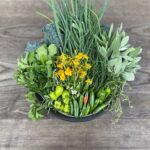
Shamrock Pesto with Fresh Wood Sorrel: A Fresh Twist on a Classic Favorite
Discover why Shamrock Pesto made with fresh wood sorrel is becoming a favorite among gardeners, foragers, and home cooks. Learn about the unique flavor of wood sorrel, its culinary uses, health benefits, and creative ways to enjoy this vibrant green herb.
Fresh herbs have long been the secret to creating vibrant, flavorful dishes, but one often-overlooked ingredient deserves a place in every garden-inspired kitchen. Wood sorrel, commonly referred to as shamrock because of its distinctive three heart-shaped leaves, offers a pleasantly tart flavor that can elevate everything from salads to sauces. When incorporated into pesto, this unique herb creates a bright, refreshing variation of the traditional Italian favorite.
Shamrock pesto with fresh wood sorrel is gaining popularity among home gardeners, foragers, and food enthusiasts who appreciate fresh seasonal ingredients. Its vibrant green color, citrus-like flavor, and versatility make it an exciting addition to countless meals. Whether you grow wood sorrel in your own garden or responsibly forage it in the wild, this flavorful herb provides a wonderful opportunity to explore new culinary possibilities.
What Is Wood Sorrel?
Wood sorrel is a delicate perennial plant found growing in gardens, forests, meadows, and shaded landscapes throughout many parts of the world. Although it is frequently mistaken for clover due to its similar appearance, wood sorrel belongs to an entirely different plant family.
The plant is easily recognized by its three heart-shaped leaflets and delicate flowers, which may appear white, yellow, or pink depending on the variety. One of its most distinctive characteristics is its pleasantly tangy flavor, often compared to fresh lemons or green apples. This natural tartness comes from oxalic acid, which gives wood sorrel its refreshing taste.
Because of its attractive appearance and unique flavor, wood sorrel has been enjoyed for centuries in both traditional cooking and herbal practices.
Why Wood Sorrel Makes an Excellent Pesto
Traditional pesto relies on fresh basil for its signature flavor, but adding wood sorrel introduces an entirely new dimension. The herb’s natural citrus notes brighten the rich flavors typically found in pesto without overwhelming the other ingredients.
The result is a sauce that feels lighter, fresher, and perfectly suited for spring and summer dishes. Its vibrant color also creates an eye-catching presentation that complements seasonal vegetables, grilled meats, seafood, and gluten-free pasta.
Many home cooks enjoy experimenting with wood sorrel because even a small amount can transform familiar recipes into something unexpectedly delicious.
The Benefits of Cooking with Fresh Garden Herbs
One of the greatest advantages of preparing meals with fresh herbs is the incredible depth of flavor they provide. Freshly harvested herbs contain aromatic oils that gradually diminish after drying, making garden-fresh ingredients especially valuable in sauces like pesto.
Wood sorrel also contributes small amounts of vitamin C and naturally occurring antioxidants. Like many leafy greens, it is best enjoyed as part of a balanced diet. Because wood sorrel naturally contains oxalic acid, it is recommended that individuals with kidney stone concerns or certain medical conditions consult a healthcare professional before consuming it regularly.
For most people, moderate culinary use allows them to safely enjoy its distinctive flavor while adding variety to seasonal meals.
Tips for Responsibly Harvesting Wood Sorrel
If you plan to gather wood sorrel from the wild, proper identification is essential. While wood sorrel is edible, it should never be confused with other plants that may resemble it. Learning to recognize its heart-shaped leaves, delicate flowers, and signature tart flavor is an important first step for anyone interested in foraging.
Always harvest from locations that have not been treated with pesticides, herbicides, or other chemicals. Avoid collecting plants near roadsides or areas where contamination may be present.
Harvest only what you need, allowing plenty of plants to remain so they can continue growing naturally and support local ecosystems.
Creative Ways to Enjoy Shamrock Pesto
One of the reasons shamrock pesto has become so popular is its remarkable versatility. Its bright flavor pairs beautifully with a wide variety of dishes throughout the year.
It can be tossed with gluten-free pasta for a quick weeknight meal, spread onto sandwiches and wraps for extra freshness, or spooned over grilled chicken, fish, or roasted vegetables. Many people also enjoy using it as a pizza sauce, mixing it into grain bowls, or swirling it into soups just before serving.
It also makes an elegant addition to charcuterie boards, served alongside artisan cheeses, fresh vegetables, crackers, and toasted gluten-free bread.
Because its flavor is both rich and refreshing, shamrock pesto easily transitions from casual lunches to more sophisticated entertaining.
Why Gardeners Love Growing Wood Sorrel
Beyond its culinary appeal, wood sorrel is admired for its ornamental beauty. Its clover-like foliage creates an attractive ground cover, while its delicate blooms add subtle charm to flower beds and woodland gardens.
The plant requires very little maintenance and often thrives in partially shaded areas where many other herbs struggle. Gardeners appreciate its resilience and its ability to provide fresh edible leaves throughout much of the growing season.
Growing edible herbs like wood sorrel encourages a deeper connection between the garden and the kitchen, making everyday cooking more flavorful and rewarding.
Bringing Fresh Seasonal Flavor to Your Table
Shamrock pesto with fresh wood sorrel celebrates the beauty of seasonal cooking by transforming a humble garden plant into something truly memorable. Its bright lemony flavor, beautiful green color, and impressive versatility make it an exciting ingredient for gardeners, foragers, and food lovers alike.
Whether you are exploring edible plants for the first time or looking for new ways to enjoy fresh herbs from your garden, wood sorrel offers an excellent opportunity to expand your culinary creativity. By embracing seasonal ingredients and experimenting with unique flavors, you can create meals that are both memorable and deeply connected to nature.
Fresh wood sorrel and colorful shamrock leaves bask in the sunlight, ready to be transformed into vibrant shamrock pesto.
Learn how to substitute dried herbs for fresh herbs with this easy herb conversion guide. Discover the correct dried vs fresh herb ratios, a handy conversion chart, and expert cooking tips for flavorful recipes. Cooking with herbs is one of the easiest ways to add depth, aroma, and fresh flavor to your favorite recipes. Whether you are harvesting herbs from your garden or reaching for dried herbs in your pantry, understanding the correct dried vs. fresh herb ratio can help you achieve delicious results every time. Many recipes call for fresh herbs, but dried herbs are often more convenient and available year-round. On the other hand, gardeners frequently have an abundance of fresh herbs and want to substitute them in recipes that call for dried seasonings. Knowing the proper herb conversion ratio allows you to make these substitutions with confidence while preserving the intended flavor of the dish. If you have ever wondered how much dried basil equals fresh basil or how to replace fresh thyme with dried thyme, this guide has all the answers. Why Fresh Herbs and Dried Herbs Are Different Although they come from the same plants, fresh herbs and dried herbs have very different flavor profiles. Fresh herbs contain a high amount of moisture, which gives them a bright, clean taste and a delicate aroma. They are often added near the end of cooking or used as a garnish to preserve their vibrant flavor. Dried herbs have had their moisture removed, leaving behind concentrated essential oils. This makes them much stronger than fresh herbs, which is why they should be used in smaller quantities. Understanding this difference is the first step toward seasoning your recipes properly. The Standard Dried vs. Fresh Herb Ratio The easiest way to remember herb substitutions is with one simple rule: Use three times as much fresh herb as dried herb. The standard conversion is: 3 teaspoons fresh herbs = 1 teaspoon dried herbs 3 tablespoons fresh herbs = 1 tablespoon dried herbs This 3-to-1 ratio works well for most culinary herbs, making it easy to convert recipes without sacrificing flavor. Fresh Herb to Dried Herb Conversion Chart Use this chart as a quick reference while cooking. Fresh basil 3 teaspoons = 1 teaspoon dried Fresh oregano 3 teaspoons = 1 teaspoon dried Fresh thyme 3 teaspoons = 1 teaspoon dried Fresh rosemary 3 teaspoons = 1 teaspoon dried Fresh sage 3 teaspoons = 1 teaspoon dried Fresh marjoram 3 teaspoons = 1 teaspoon dried Fresh tarragon 3 teaspoons = 1 teaspoon dried Fresh dill 3 teaspoons = 1 teaspoon dried Fresh parsley 3 tablespoons = 1 tablespoon dried Fresh chives 3 tablespoons = 1 tablespoon dried Fresh mint 3 tablespoons = 1 tablespoon dried Keeping this herb conversion chart nearby can make meal preparation faster and more accurate. When Fresh Herbs Are the Best Choice Fresh herbs provide exceptional flavor, color, and texture. They are ideal for recipes where their delicate taste can truly shine. Choose fresh herbs for: Garden salads Homemade pesto Fresh salsa Sandwiches Pasta dishes Grain bowls Vegetable side dishes Compound butter Cold sauces Soup garnishes To preserve their flavor, add tender herbs just before serving. When Dried Herbs Work Best Dried herbs are an excellent choice for recipes that cook over a longer period. Their concentrated flavor slowly infuses the entire dish. They are perfect for: Soups Stews Tomato sauce Roasted meats Chicken dishes Slow cooker recipes Casseroles Marinades Homemade spice blends Add dried herbs early in the cooking process to allow them time to soften and fully release their flavor. Herbs That Are Better Fresh Than Dried Not every herb retains its flavor after drying. Some lose much of their freshness and are best enjoyed straight from the garden. Whenever possible, use fresh: Basil Parsley Cilantro Chives Mint These herbs contribute a brightness that dried versions simply cannot replicate. Tips for Getting the Most Flavor from Herbs Lightly crush dried herbs between your fingers before adding them to recipes. This releases their natural oils and enhances their aroma. Store dried herbs in airtight containers away from heat, humidity, and direct sunlight. Replace dried herbs every twelve months for the best flavor. Harvest fresh herbs in the morning after the dew has dried but before the afternoon heat. Wash fresh herbs carefully and dry them thoroughly before chopping. Taste your recipe before adding extra herbs, as some varieties are naturally stronger than others. Common Herb Substitution Mistakes One of the biggest mistakes is using equal amounts of dried and fresh herbs. Since dried herbs are more concentrated, this often leads to overpowering flavors. Another common mistake is adding fresh herbs too early during cooking. Long cooking times can diminish their delicate flavor and vibrant green color. Using expired dried herbs is another issue. If they have lost their aroma, they have also lost much of their ability to season your food effectively. Make Every Meal More Flavorful Learning how to substitute fresh herbs for dried herbs is a valuable kitchen skill that makes cooking easier and more flexible. Whether you are using herbs from your own garden or stocking your pantry with dried seasonings, the proper herb conversion ratio ensures balanced flavor in every bite. Remember the simple 3-to-1 rule, use fresh herbs to add brightness to finished dishes, and rely on dried herbs for slow-cooked recipes that benefit from deeper, richer flavor. With this herb conversion guide, you will always know exactly how much to use, making every recipe more flavorful and every meal more enjoyable.
Discover the amazing benefits of growing nasturtiums in your garden. Learn how these colorful edible flowers attract pollinators, improve companion planting, naturally deter pests, and bring beauty and fresh flavor to your garden and kitchen. If you are looking for a plant that offers beauty, practicality, and incredible versatility, nasturtiums deserve a spot in your garden. These cheerful, easy-to-grow flowers do much more than brighten flower beds with vibrant blooms. They also attract pollinators, support companion planting, help reduce garden pests, and provide delicious edible flowers and leaves that can elevate everyday meals. Whether you are growing vegetables, herbs, or ornamental flowers, nasturtiums are one of the most rewarding annuals you can plant. Their ability to thrive with very little care makes them ideal for beginner gardeners, while experienced gardeners appreciate the many ways they contribute to a healthier, more productive landscape. Here is why growing nasturtiums may become one of the best gardening decisions you make. Bright, Cheerful Flowers That Bloom for Months One of the biggest reasons gardeners love nasturtiums is their nonstop display of colorful blooms. Their flowers appear in brilliant shades of yellow, orange, red, peach, and deep crimson, creating eye-catching displays from late spring until the first frost. Their attractive lily pad-shaped leaves provide beautiful contrast, making the plants just as appealing when they are not in bloom. Whether spilling over raised beds, climbing trellises, or cascading from hanging baskets, nasturtiums instantly add charm to any outdoor space. Because they continue flowering throughout the season with minimal maintenance, they provide exceptional value for every gardener. One of the Best Companion Plants for Vegetable Gardens Nasturtiums are famous for companion planting, making them a favorite among organic gardeners. Growing nasturtiums alongside vegetables helps create a diverse garden ecosystem that attracts beneficial insects while drawing attention away from valuable crops. They pair especially well with tomatoes, cucumbers, squash, zucchini, beans, cabbage, broccoli, kale, peppers, and even fruit trees. Many gardeners intentionally plant nasturtiums around vegetable beds because they can act as trap crops, attracting aphids and other insects away from vegetables. This makes pest populations easier to monitor while reducing damage to food crops. Adding companion plants like nasturtiums creates a healthier garden that naturally supports stronger plant growth. Attract Pollinators That Boost Your Harvest Healthy gardens depend on pollinators, and nasturtiums are excellent at inviting them into your landscape. Their nectar-rich flowers attract honeybees, native bees, butterflies, hummingbirds, and hoverflies throughout the growing season. As these beneficial visitors move from flower to flower, they pollinate vegetables, herbs, berries, and fruit trees, often leading to larger harvests and healthier plants. The more pollinators your garden attracts, the more productive your entire landscape becomes. Help Naturally Manage Common Garden Pests Every gardener encounters pests, but nasturtiums can become an important part of a natural pest management strategy. Many insects prefer nasturtiums over nearby vegetables, making these flowers valuable trap crops. Aphids, for example, frequently gather on nasturtiums instead of tomatoes, peppers, or beans. Planting nasturtiums throughout the garden also increases biodiversity, encouraging beneficial insects such as ladybugs and hoverflies that feed on harmful pests. While no plant completely eliminates insects, nasturtiums work alongside healthy gardening practices to reduce pest pressure without relying heavily on chemical treatments. Every Part of the Plant Is Edible Nasturtiums are not only beautiful but also delicious. The brightly colored flowers have a mild peppery flavor similar to watercress, making them a favorite garnish for fresh salads, sandwiches, charcuterie boards, appetizers, soups, and grain bowls. Their round green leaves also add a slightly spicy flavor to salads and wraps. Even the immature seed pods can be pickled to create a flavorful substitute for capers. Growing edible flowers allows you to harvest both beauty and flavor from the same plant, making nasturtiums an excellent addition to any kitchen garden. Incredibly Easy to Grow Nasturtiums are among the easiest flowers you can grow from seed. Unlike many flowering plants, they actually perform better in average or moderately fertile soil. Rich soil often encourages leafy growth at the expense of flowers. They thrive in full sun, although gardeners in warmer climates often find they benefit from some afternoon shade during the hottest months. Once established, nasturtiums require little more than occasional watering and the removal of spent flowers to encourage continuous blooming. Their fast growth makes them an excellent choice for filling empty spaces throughout the garden. Perfect for Raised Beds, Containers, and Small Gardens No matter how much gardening space you have, nasturtiums fit beautifully into almost any landscape. Compact bush varieties are ideal for raised beds and flower borders, while trailing varieties spill gracefully from containers, window boxes, and hanging baskets. Their versatility allows gardeners with patios, balconies, or small urban spaces to enjoy colorful blooms and edible flowers without needing a large garden. Improve Biodiversity Naturally A healthy garden is filled with diversity. Mixing flowers, vegetables, herbs, and pollinator plants creates a balanced ecosystem that supports beneficial insects while helping maintain healthier soil and stronger plants. Nasturtiums contribute to this biodiversity by attracting wildlife that plays an essential role in pollination and natural pest control. The result is a garden that is not only more productive but also more vibrant and alive throughout the growing season. Save Seeds and Enjoy Nasturtiums Year After Year As the growing season comes to an end, nasturtiums produce large seeds that are incredibly easy to collect. Allow the seeds to mature naturally on the plant before harvesting and storing them in a cool, dry place until spring. Saving seeds is an economical way to enjoy beautiful flowers year after year while sharing extras with fellow gardeners. It is one of the simplest plants for beginning gardeners to save successfully. Bring Garden-Fresh Flavor to Your Table One of the greatest rewards of growing nasturtiums is bringing them directly from the garden into your kitchen. Fresh blossoms instantly transform everyday dishes into colorful presentations that look restaurant-worthy. Sprinkle the flowers over salads, garnish soups, decorate cakes, or use them
Discover the secrets to a thriving raised bed garden with natural pest control methods. From companion planting to homemade solutions, protect your vegetables, herbs, and flowers with ease.