
Learn how to grow healthy jalapeño plants by preventing common problems like yellow leaves, flower drop, pests, diseases, and poor pepper production. Discover expert jalapeño plant care tips for a thriving garden.
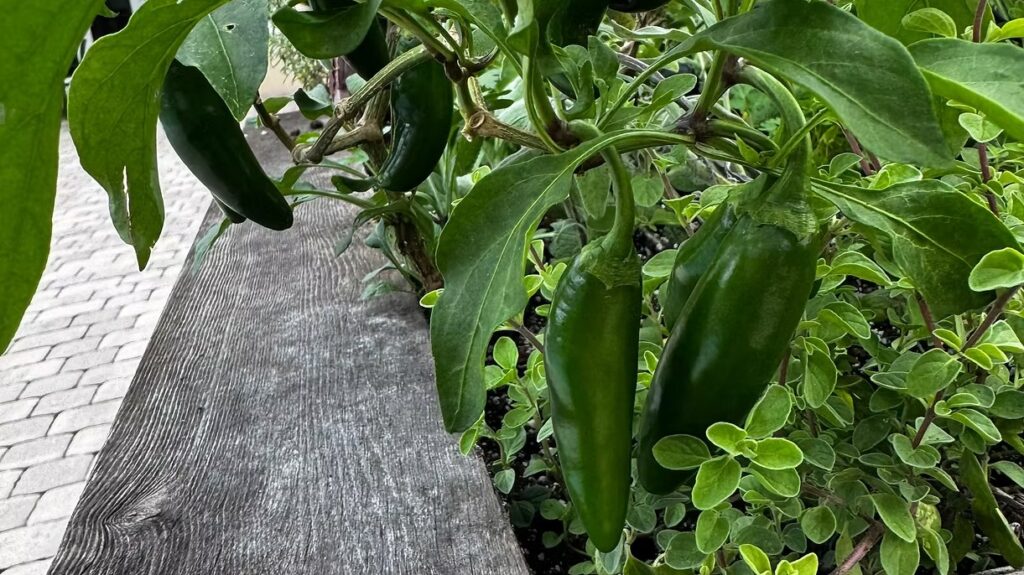
Growing jalapeño peppers is one of the most rewarding ways to enjoy fresh, homegrown produce. Whether you are planting them in raised garden beds, containers, or a backyard vegetable garden, jalapeño plants are known for producing an abundant harvest when they receive the proper care. Their bold flavor and versatility make them a favorite for everything from fresh salsa and stuffed peppers to pickling and grilling.
While jalapeños are considered relatively easy to grow, they are not completely trouble-free. Even healthy-looking plants can develop issues that slow growth, reduce pepper production, or damage the foliage. Yellow leaves, curling foliage, flower drop, insect pests, and plant diseases are among the most common problems gardeners encounter throughout the growing season.
The good news is that many of these issues can be prevented before they become serious. By providing the right growing conditions and learning to recognize the early warning signs of plant stress, you can keep your jalapeño plants healthy and productive from planting through harvest.
This guide explains the most common jalapeño plant problems, what causes them, and how to prevent them so you can enjoy vigorous plants and an abundant crop of flavorful peppers.
Start with the Right Growing Conditions
The easiest way to prevent problems is to give jalapeño plants everything they need from the beginning.
Choose a location that receives at least six to eight hours of direct sunlight every day. Plant in fertile, well-drained soil enriched with compost or other organic matter. Good drainage is essential because soggy soil can lead to root problems, yellow leaves, and fungal diseases.
Water deeply rather than lightly, allowing the top inch of soil to dry slightly between watering sessions. Applying mulch around the base of the plants helps regulate soil temperature, conserve moisture, and reduce weed growth.
Healthy plants are naturally more resistant to pests and diseases than stressed plants.
Prevent Yellow Leaves Before They Start
Yellow leaves are one of the first signs that something is wrong with a jalapeño plant.
Overwatering is the most common cause, but nutrient deficiencies, poor drainage, root stress, and inadequate sunlight can also contribute to yellowing foliage.
Prevent this problem by planting in well-drained soil, watering only when necessary, and fertilizing regularly with a balanced vegetable fertilizer. Be sure your plants receive full sun each day to support healthy green growth.
Reduce Flower Drop for Better Pepper Production
Flower drop is one of the biggest reasons gardeners struggle with low pepper yields.
High temperatures above 90°F, cool nighttime temperatures, inconsistent watering, and excessive nitrogen fertilizer can all cause blossoms to fall before peppers develop.
Keeping the soil consistently moist and using mulch to stabilize soil temperatures helps reduce stress during hot weather. Avoid fertilizers that encourage excessive leaf growth and instead choose one designed to support flowering and fruit production.
If growing jalapeños indoors, gently shaking the plants during flowering can improve pollination.
Encourage More Jalapeño Peppers
Sometimes plants produce lush green foliage but very few peppers.
Poor pepper production is usually caused by insufficient sunlight, overcrowding, immature plants, or nutrient imbalance.
Plant jalapeños where they receive full sun and space them approximately 18 to 24 inches apart to improve airflow. Harvest peppers regularly once they mature because frequent harvesting encourages additional flowers and continued fruit production.
Protect Plants from Common Garden Pests
Several insects commonly attack jalapeño plants during the growing season.
Aphids feed on tender new growth and leave behind sticky honeydew.
Spider mites create tiny yellow speckles on leaves and delicate webbing.
Whiteflies gather beneath leaves and weaken plants by feeding on sap.
Flea beetles chew numerous small holes throughout the foliage.
Thrips damage flowers and young peppers before they fully develop.
Inspect plants every week to catch infestations early. Encourage beneficial insects like ladybugs and lacewings, which naturally help control pest populations. Healthy plants are better equipped to recover from minor insect damage.
Prevent Common Jalapeño Plant Diseases
Warm, humid conditions create the perfect environment for fungal diseases.
Leaf spots, powdery mildew, stem discoloration, and premature leaf drop can all reduce plant health and pepper production.
Prevent disease by providing adequate spacing between plants to improve air circulation. Water at the base of the plant rather than overhead to keep foliage dry. Remove damaged or infected leaves promptly to reduce the spread of disease.
Keeping your garden clean and removing fallen plant debris also helps minimize disease pressure.
Prevent Blossom End Rot
Blossom end rot appears as dark, sunken spots on the bottom of developing peppers.
Although it is commonly associated with calcium deficiency, inconsistent watering is usually the real cause because it limits the plant’s ability to absorb available calcium.
Maintain consistent soil moisture throughout the growing season and improve soil structure with compost to help retain moisture more evenly.
Prevent Sunscald on Jalapeño Peppers
White or light-colored patches on peppers are usually caused by sunscald.
This problem often develops after heavy pruning or when insects damage the leaves that normally shade developing peppers.
Avoid removing excessive foliage and keep plants healthy so leaves can naturally protect peppers from intense afternoon sunlight.
Keep Jalapeño Plants Growing Strong
Slow-growing plants often indicate that environmental conditions need improvement.
Cold soil, compacted soil, poor fertility, inadequate sunlight, or containers that are too small can all limit plant growth.
Wait until the soil has warmed before planting outdoors, amend garden beds with compost, and grow container plants in pots that hold at least five gallons of soil.
Regular fertilization throughout the growing season provides the nutrients needed for vigorous growth and continuous pepper production.
Harvest Jalapeños at the Right Time
Most jalapeño peppers are ready to harvest approximately 70 to 85 days after transplanting, depending on the variety.
Green jalapeños offer their signature crisp texture and fresh flavor, while red jalapeños become sweeter and slightly hotter as they fully mature.
Use clean garden scissors or pruners when harvesting instead of pulling peppers from the plant. This protects stems from damage and encourages continued production throughout the season.
Healthy Plants Begin with Prevention
Growing healthy jalapeño plants is easier when you focus on prevention instead of reacting to problems after they appear. Providing full sun, nutrient-rich soil, consistent watering, and routine inspections creates the ideal growing environment for strong, productive plants.
By recognizing early signs of stress and correcting small issues before they become larger problems, you can enjoy healthier foliage, better pepper production, and a plentiful harvest all season long. With a little attention and regular care, your jalapeño plants will reward you with fresh, flavorful peppers from summer until the first frost.