Elevate Your Salads with Homemade Herb-Infused Oils and Vinegars
Discover how to make homemade herb-infused oils and vinegars to enhance your salads with fresh, natural flavor. Learn the best herbs, infusion techniques, storage tips, and creative ways to use infused oils and vinegars in everyday cooking.
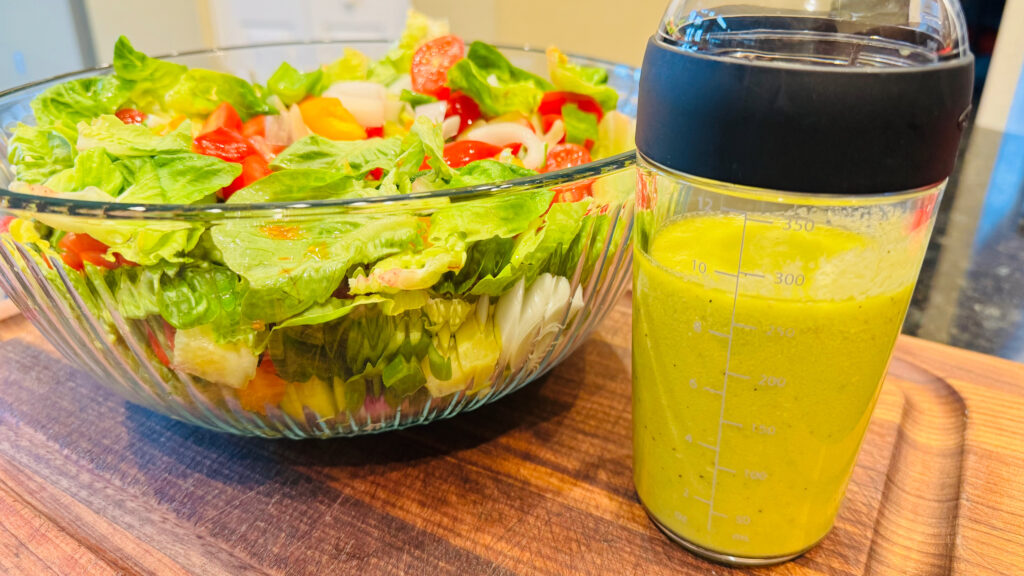
Nothing transforms a simple salad into something memorable quite like a flavorful homemade dressing. While quality olive oil and vinegar are pantry staples, taking a few extra minutes to create herb-infused oils and vinegars can elevate every salad you prepare. Infusing fresh herbs into oils and vinegars creates layers of flavor that are impossible to achieve with store-bought products alone.
Whether you grow herbs in your backyard, maintain a kitchen windowsill garden, or purchase fresh herbs from your local farmers market, homemade infusions allow you to preserve their vibrant flavors while creating gourmet ingredients that enhance countless meals. Best of all, they make beautiful homemade gifts and add an elegant touch to your kitchen.
If you are looking for an easy way to upgrade your salads while making the most of your garden harvest, herb-infused oils and vinegars are an excellent place to start.
Why Make Homemade Herb-Infused Oils and Vinegars?
Making your own infused oils and vinegars offers several advantages over purchasing flavored versions at the grocery store.
Fresh ingredients create brighter, more vibrant flavors.
You have complete control over the ingredients without artificial flavors or preservatives.
You can customize flavor combinations to complement your favorite salads.
Garden herbs can be preserved before they lose freshness.
Homemade infusions are often more economical than premium specialty products.
The possibilities are nearly endless, allowing you to experiment with seasonal herbs and create signature blends unique to your kitchen.
Best Herbs for Infusing Oils
Not every herb performs the same during infusion. Some produce delicate flavors, while others offer bold, aromatic notes.
Excellent herbs for infused oils include:
Basil creates a sweet, peppery flavor that pairs beautifully with tomatoes and mozzarella.
Rosemary offers a woodsy aroma that complements roasted vegetables and hearty greens.
Thyme provides subtle earthy notes that work well in Mediterranean-inspired salads.
Oregano adds bold flavor to Italian-style dishes.
Sage contributes a warm, savory richness that pairs well with fall ingredients.
Tarragon delivers a delicate anise flavor that complements chicken salads.
Fresh parsley creates a mild herbal finish suitable for everyday use.
Each herb produces its own unique profile, making it easy to create oils tailored to your favorite recipes.
The Best Herbs for Vinegar Infusions
Vinegar naturally extracts herbal flavors while remaining shelf stable for longer periods than oil.
Some excellent choices include:
Dill for cucumber salads.
Mint for fruit salads and summer recipes.
Chives for potato and pasta salads.
Lemon balm for citrus-inspired vinaigrettes.
Lavender for elegant berry salads.
Basil for classic Mediterranean dishes.
Tarragon for French-style vinaigrettes.
Using colorful herbs also creates beautiful bottles that make thoughtful homemade gifts.
Choosing the Right Oil
The oil you choose has a significant impact on the finished flavor.
Extra virgin olive oil provides a rich, fruity base and works wonderfully for Mediterranean salads.
Light olive oil offers a milder taste that allows herbs to shine.
Avocado oil has a buttery texture and neutral flavor.
Grapeseed oil provides a clean finish perfect for delicate herbs.
Sunflower oil creates a light infusion ideal for subtle dressings.
Selecting a quality oil ensures your infusion tastes fresh and balanced.
Selecting the Best Vinegar
Different vinegars pair well with different herbs.
White wine vinegar creates bright, crisp vinaigrettes.
Champagne vinegar offers a delicate flavor.
Apple cider vinegar provides mild sweetness and works well with herbs like thyme and sage.
Red wine vinegar pairs nicely with oregano and rosemary.
White distilled vinegar offers a neutral base for experimenting with bold herbs.
Keeping several varieties on hand gives you endless possibilities for creating custom dressings.
How to Prepare Fresh Herbs
Preparation is essential for both flavor and food safety.
Harvest herbs during the cool morning hours when essential oils are most concentrated.
Wash the herbs thoroughly under cool water to remove dirt and insects.
Dry them completely using clean kitchen towels or a salad spinner. Moisture left on herbs can shorten the shelf life of infused oils and may increase the risk of spoilage.
Lightly bruise woody herbs like rosemary and thyme to release their natural oils before adding them to your bottles.
Cold Infusion Method
The cold infusion method preserves delicate herbal flavors.
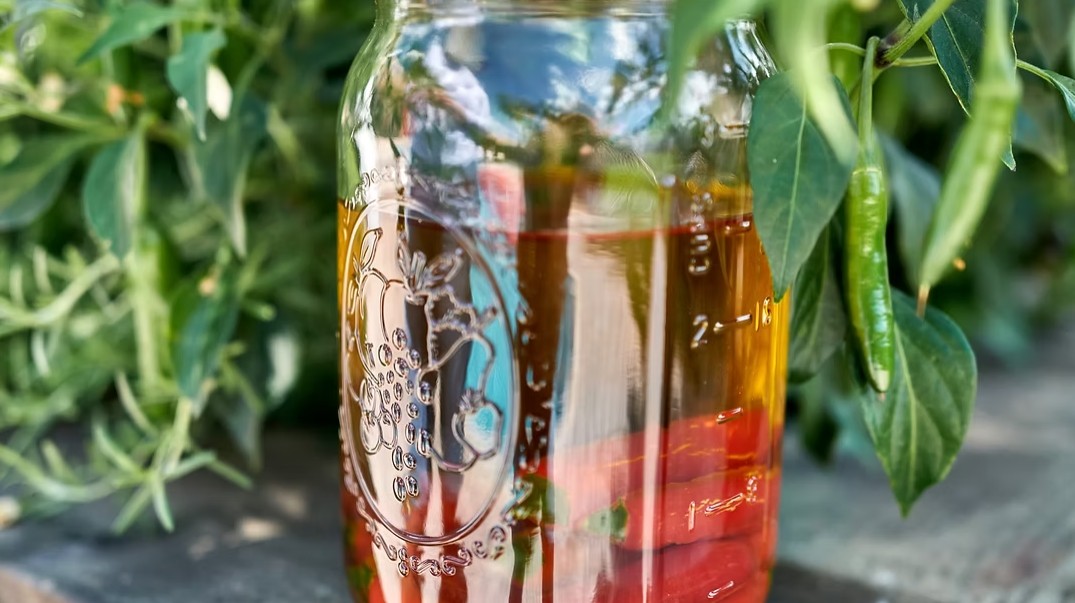
Fill a sterilized glass bottle with clean, completely dry herbs.
Pour your chosen oil or vinegar over the herbs until they are fully submerged.
Seal the container tightly.
Store oil infusions in the refrigerator and vinegar infusions in a cool, dark pantry.
Allow the flavors to develop over one to three weeks before straining.
This slow process creates beautifully balanced flavor without exposing herbs to excessive heat.
Flavor Combinations to Try
Experimenting with herb combinations is part of the fun.
Basil and garlic create a classic Italian infusion.
Rosemary and lemon zest pair beautifully with grilled vegetables.
Thyme and black pepper produce a versatile everyday dressing.
Mint and lime create refreshing summer vinaigrettes.
Dill and garlic are perfect for cucumber salads.
Lavender and lemon create elegant fruit salad dressings.
Parsley and chives add fresh flavor to potato salads.
Seasonal herbs allow you to enjoy different flavor profiles throughout the year.
Creative Ways to Use Herb-Infused Oils and Vinegars
Although they are perfect for salads, infused oils and vinegars can be used throughout your kitchen.
Drizzle herb oil over roasted vegetables.
Brush infused oil onto grilled bread before toasting.
Use flavored oils as a finishing touch for soups.
Marinate chicken, seafood, or vegetables.
Whisk herb-infused vinegar into homemade vinaigrettes.
Add flavored vinegar to pasta salads.
Sprinkle infused oil over fresh mozzarella and tomatoes.
Mix flavored vinegar into grain bowls for extra brightness.
A single bottle can enhance dozens of meals.
Food Safety Tips
Food safety is especially important when preparing infused oils.
Always begin with thoroughly cleaned and completely dried herbs.
Store homemade herb-infused oils in the refrigerator and use them within one week unless using properly dried herbs specifically prepared for long-term infusions.
Vinegar infusions are naturally more acidic and generally have a much longer shelf life when stored properly.
Always use sterilized bottles and clean utensils to help maintain freshness and reduce contamination.
When in doubt, discard any infusion that develops cloudiness, unpleasant odors, or signs of spoilage.
Growing Herbs for Homemade Infusions
One of the greatest advantages of maintaining an herb garden is having fresh ingredients available throughout the growing season.
Easy herbs to grow include basil, parsley, thyme, oregano, rosemary, dill, sage, mint, and chives. Most thrive in containers, raised beds, or sunny garden borders.
Regular harvesting encourages healthy growth while providing a continuous supply for your homemade infused oils and vinegars.
Fresh herbs harvested just before infusion deliver the brightest flavor and aroma.
Bring Fresh Garden Flavor to Every Salad
Homemade herb-infused oils and vinegars are a simple yet impressive way to elevate everyday salads. They showcase the natural flavors of fresh herbs while giving you endless opportunities to create personalized dressings that complement seasonal produce. Whether you enjoy crisp garden greens, hearty grain bowls, roasted vegetables, or fresh fruit salads, these handcrafted infusions add depth, freshness, and gourmet appeal to every bite.
With just a few quality ingredients and a little patience, you can transform ordinary pantry staples into flavorful kitchen essentials that celebrate the best of your herb garden all year long.
Discover creative garden entertaining ideas with homemade herb butter, beautiful garden ice cubes, and herb-infused cheese spreads. Learn how fresh herbs, edible flowers, and seasonal ingredients can transform appetizers, drinks, and charcuterie boards into unforgettable garden-to-table experiences Fresh herbs, edible flowers, and seasonal produce are some of the easiest ways to make your gatherings feel special. Whether you are hosting a backyard barbecue, holiday dinner, bridal shower, brunch, or casual family get-together, simple garden-inspired touches can transform ordinary food and drinks into beautiful conversation pieces. Garden ice cubes filled with colorful blooms, creamy herb butter bursting with fresh flavor, and homemade herb-infused cheeses are inexpensive to make, easy to prepare ahead of time, and guaranteed to impress your guests. Best of all, these creative entertaining ideas allow you to showcase the freshest ingredients from your own garden while adding vibrant colors and unforgettable flavors to your table. If you are looking for fresh entertaining inspiration, these simple ideas will help you create an elegant garden-to-table experience that your guests will remember long after the party ends. Why Garden-to-Table Entertaining Is More Popular Than Ever Garden-to-table entertaining has become a favorite for home cooks because it combines fresh ingredients with beautiful presentation. Instead of relying on expensive decorations or elaborate centerpieces, you can let herbs, edible flowers, and fresh produce become part of the décor. The result is a table that feels welcoming, seasonal, and naturally elegant. Some of the biggest benefits include: Fresh, vibrant flavors Natural colors that brighten every table Affordable ingredients grown at home Easy make-ahead recipes Less food waste by using herbs before they spoil A memorable presentation that feels both sophisticated and inviting These small details can elevate even the simplest gathering. Create Stunning Garden Ice Cubes That Wow Your Guests Garden ice cubes are one of the easiest ways to add elegance to beverages. They instantly make sparkling water, lemonade, iced tea, mocktails, cocktails, sangria, and infused water look restaurant worthy. Simply freeze edible flowers, herbs, fruit, or vegetables inside ice cube trays for a beautiful finishing touch. Some of the best ingredients include: Fresh mint leaves Lemon balm Rosemary sprigs Thyme Basil leaves Lavender buds Chamomile flowers Calendula petals Pansies Violas Nasturtiums Lemon slices Lime slices Orange zest Blueberries Raspberries Blackberries Cucumber slices Pomegranate seeds For crystal-clear ice cubes, use filtered water that has been boiled and cooled before freezing. Fill each compartment halfway and freeze until partially set. Add your herbs or flowers, then top with additional water before freezing completely. This simple method keeps the ingredients suspended throughout the cube for a much prettier presentation. Pair Garden Ice Cubes with Your Favorite Drinks Different herbs naturally complement different beverages, allowing you to customize drinks for every season and celebration. Mint and cucumber create refreshing sparkling water and mojitos. Lavender adds a delicate floral note to lemonade and champagne. Rosemary pairs beautifully with citrus cocktails and grapefruit spritzers. Basil enhances strawberry lemonade and Italian sodas. Chamomile gives iced tea a soft floral touch. Edible flower ice cubes also make wonderful additions to bridal showers, baby showers, Mother’s Day brunches, summer parties, and holiday gatherings. Homemade Garden Butter Adds Gourmet Flavor Few things are easier or more impressive than homemade compound butter. With just a few fresh herbs and quality butter, you can create a spread that tastes like it came from a fine dining restaurant. Start with softened unsalted butter and blend in finely chopped herbs, citrus zest, garlic, or spices. Popular flavor combinations include: Garlic and parsley Rosemary and thyme Basil with lemon zest Dill and fresh chives Roasted garlic and sage Tarragon and shallots Chives with cracked black pepper Honey and lavender Roll the butter into logs using parchment paper, press it into decorative molds, or pipe it into serving bowls for an elegant presentation. Delicious Ways to Use Herb Butter Homemade herb butter can elevate almost any meal. Spread it over warm artisan bread. Melt it onto grilled steaks. Top roasted vegetables. Finish baked potatoes. Serve with grilled seafood. Toss with fresh pasta. Brush onto corn on the cob. Slip it beneath chicken skin before roasting. Finish sautéed mushrooms. Add richness to baked fish. Because compound butter freezes beautifully, you can prepare several varieties well before your event. Herb-Infused Cheese Spreads Make Easy Elegant Appetizers Fresh herbs instantly transform ordinary cheese into something worthy of a special occasion. Cream cheese, goat cheese, ricotta, mascarpone, whipped feta, and even cottage cheese become flavorful spreads with just a handful of fresh herbs. Some favorite combinations include: Goat cheese with thyme and honey Cream cheese with dill and chives Ricotta with basil and roasted garlic Whipped feta with oregano and parsley Mascarpone with lavender and lemon zest Cream cheese with rosemary and cracked pepper Allow the cheese to chill for several hours before serving so the herbs have time to infuse their flavor. Build a Beautiful Garden-Inspired Charcuterie Board Homemade herb cheeses become the centerpiece of an unforgettable grazing board. Pair them with colorful fresh ingredients like cucumbers, cherry tomatoes, radishes, snap peas, berries, grapes, figs, and seasonal fruit. Add gluten-free crackers, artisan breads, roasted nuts, olives, fig preserves, honey, and fresh herbs to complete the display. Scatter edible flowers across the board just before serving for an eye-catching finishing touch that looks as beautiful as it tastes. Grow Herbs That Make Entertaining Easy You do not need a large vegetable garden to enjoy fresh herbs throughout the year. Many herbs thrive in containers, window boxes, and raised beds, making them perfect for gardeners of every skill level. Some of the most versatile herbs for entertaining include basil, mint, rosemary, thyme, parsley, sage, chives, dill, oregano, tarragon, lemon balm, and lavender. Having these herbs growing nearby makes it easy to prepare fresh butters, cheeses, garnishes, infused beverages, and appetizers whenever guests stop by. Decorate Naturally with Edible Flowers Edible flowers are one of the simplest ways to create a memorable presentation. Their vibrant colors instantly brighten drinks, appetizers, desserts, salads, and charcuterie
Learn how to substitute dried herbs for fresh herbs with this easy herb conversion guide. Discover the correct dried vs fresh herb ratios, a handy conversion chart, and expert cooking tips for flavorful recipes. Cooking with herbs is one of the easiest ways to add depth, aroma, and fresh flavor to your favorite recipes. Whether you are harvesting herbs from your garden or reaching for dried herbs in your pantry, understanding the correct dried vs. fresh herb ratio can help you achieve delicious results every time. Many recipes call for fresh herbs, but dried herbs are often more convenient and available year-round. On the other hand, gardeners frequently have an abundance of fresh herbs and want to substitute them in recipes that call for dried seasonings. Knowing the proper herb conversion ratio allows you to make these substitutions with confidence while preserving the intended flavor of the dish. If you have ever wondered how much dried basil equals fresh basil or how to replace fresh thyme with dried thyme, this guide has all the answers. Why Fresh Herbs and Dried Herbs Are Different Although they come from the same plants, fresh herbs and dried herbs have very different flavor profiles. Fresh herbs contain a high amount of moisture, which gives them a bright, clean taste and a delicate aroma. They are often added near the end of cooking or used as a garnish to preserve their vibrant flavor. Dried herbs have had their moisture removed, leaving behind concentrated essential oils. This makes them much stronger than fresh herbs, which is why they should be used in smaller quantities. Understanding this difference is the first step toward seasoning your recipes properly. The Standard Dried vs. Fresh Herb Ratio The easiest way to remember herb substitutions is with one simple rule: Use three times as much fresh herb as dried herb. The standard conversion is: 3 teaspoons fresh herbs = 1 teaspoon dried herbs 3 tablespoons fresh herbs = 1 tablespoon dried herbs This 3-to-1 ratio works well for most culinary herbs, making it easy to convert recipes without sacrificing flavor. Fresh Herb to Dried Herb Conversion Chart Use this chart as a quick reference while cooking. Fresh basil 3 teaspoons = 1 teaspoon dried Fresh oregano 3 teaspoons = 1 teaspoon dried Fresh thyme 3 teaspoons = 1 teaspoon dried Fresh rosemary 3 teaspoons = 1 teaspoon dried Fresh sage 3 teaspoons = 1 teaspoon dried Fresh marjoram 3 teaspoons = 1 teaspoon dried Fresh tarragon 3 teaspoons = 1 teaspoon dried Fresh dill 3 teaspoons = 1 teaspoon dried Fresh parsley 3 tablespoons = 1 tablespoon dried Fresh chives 3 tablespoons = 1 tablespoon dried Fresh mint 3 tablespoons = 1 tablespoon dried Keeping this herb conversion chart nearby can make meal preparation faster and more accurate. When Fresh Herbs Are the Best Choice Fresh herbs provide exceptional flavor, color, and texture. They are ideal for recipes where their delicate taste can truly shine. Choose fresh herbs for: Garden salads Homemade pesto Fresh salsa Sandwiches Pasta dishes Grain bowls Vegetable side dishes Compound butter Cold sauces Soup garnishes To preserve their flavor, add tender herbs just before serving. When Dried Herbs Work Best Dried herbs are an excellent choice for recipes that cook over a longer period. Their concentrated flavor slowly infuses the entire dish. They are perfect for: Soups Stews Tomato sauce Roasted meats Chicken dishes Slow cooker recipes Casseroles Marinades Homemade spice blends Add dried herbs early in the cooking process to allow them time to soften and fully release their flavor. Herbs That Are Better Fresh Than Dried Not every herb retains its flavor after drying. Some lose much of their freshness and are best enjoyed straight from the garden. Whenever possible, use fresh: Basil Parsley Cilantro Chives Mint These herbs contribute a brightness that dried versions simply cannot replicate. Tips for Getting the Most Flavor from Herbs Lightly crush dried herbs between your fingers before adding them to recipes. This releases their natural oils and enhances their aroma. Store dried herbs in airtight containers away from heat, humidity, and direct sunlight. Replace dried herbs every twelve months for the best flavor. Harvest fresh herbs in the morning after the dew has dried but before the afternoon heat. Wash fresh herbs carefully and dry them thoroughly before chopping. Taste your recipe before adding extra herbs, as some varieties are naturally stronger than others. Common Herb Substitution Mistakes One of the biggest mistakes is using equal amounts of dried and fresh herbs. Since dried herbs are more concentrated, this often leads to overpowering flavors. Another common mistake is adding fresh herbs too early during cooking. Long cooking times can diminish their delicate flavor and vibrant green color. Using expired dried herbs is another issue. If they have lost their aroma, they have also lost much of their ability to season your food effectively. Make Every Meal More Flavorful Learning how to substitute fresh herbs for dried herbs is a valuable kitchen skill that makes cooking easier and more flexible. Whether you are using herbs from your own garden or stocking your pantry with dried seasonings, the proper herb conversion ratio ensures balanced flavor in every bite. Remember the simple 3-to-1 rule, use fresh herbs to add brightness to finished dishes, and rely on dried herbs for slow-cooked recipes that benefit from deeper, richer flavor. With this herb conversion guide, you will always know exactly how much to use, making every recipe more flavorful and every meal more enjoyable.
Discover the secrets to a thriving raised bed garden with natural pest control methods. From companion planting to homemade solutions, protect your vegetables, herbs, and flowers with ease.