Exploring the Captivating Role of Lacewings as Gentle Predators in Nature
Discover the fascinating world of lacewings and learn how these gentle predators naturally control garden pests. Find out why lacewings are among the best beneficial insects for maintaining a healthy, thriving garden without harsh chemicals.
If you are searching for a natural way to keep your garden healthy and productive, few insects are as valuable as the lacewing. Often overlooked because of their delicate appearance, lacewings are powerful allies that help gardeners manage destructive pests while supporting a balanced ecosystem. Their graceful wings and gentle flight make them one of the most beautiful beneficial insects found in gardens, but beneath their elegant appearance lies an impressive predator that plays a critical role in natural pest control.
Understanding how lacewings contribute to your garden can help you reduce the need for chemical pesticides while encouraging healthier plants and greater biodiversity. Whether you grow vegetables, herbs, flowers, or fruit trees, welcoming lacewings into your landscape is one of the easiest ways to create a more sustainable garden.
What Are Lacewings?
Lacewings belong to a family of beneficial insects recognized by their transparent, lace-like wings, slender green or brown bodies, and bright golden eyes. Adult lacewings are commonly seen resting on leaves or flying during the evening hours when temperatures become cooler.
Although the adults are attractive, it is their larvae that perform the majority of the pest control. Often called “aphid lions,” lacewing larvae are voracious hunters that actively seek out soft-bodied insects capable of damaging garden plants.
Unlike many garden insects that feed on leaves, stems, or fruit, lacewings spend much of their lives helping plants thrive by removing harmful pests.
Why Lacewings Are Called Gentle Predators
Lacewings earn the title of gentle predators because they aggressively target destructive insects while leaving your plants unharmed. Rather than feeding on foliage or flowers, they hunt insects that weaken plants and spread disease.
Their prey includes:
Aphids
Whiteflies
Spider mites
Scale insects
Thrips
Leafhopper eggs
Mealybugs
Small caterpillars
Insect eggs from many common garden pests
By feeding on these troublesome insects, lacewings naturally reduce pest populations before infestations become severe.
The Incredible Appetite of Lacewing Larvae
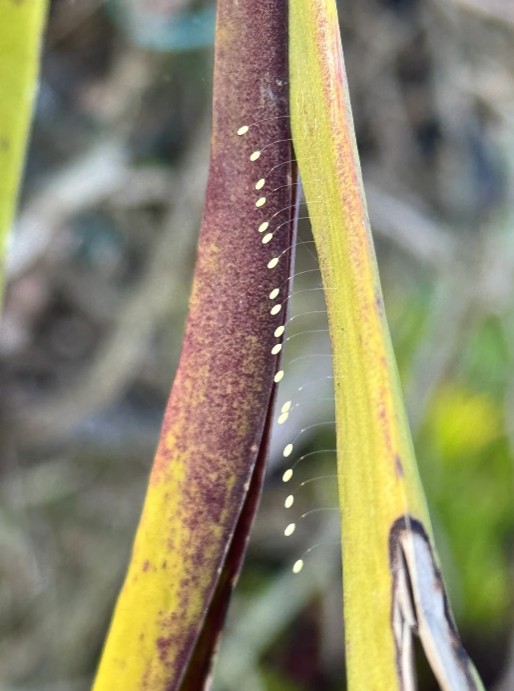
The larval stage is where lacewings truly shine. Newly hatched larvae immediately begin searching for food, using their curved jaws to capture and consume prey.
A single lacewing larva may consume hundreds of aphids during its development. This remarkable feeding behavior makes them one of the most effective forms of biological pest control available in home gardens.
Instead of spraying chemicals that may also harm pollinators and beneficial insects, allowing lacewing populations to flourish provides ongoing protection throughout the growing season.
Benefits of Lacewings in the Garden
Encouraging lacewings offers numerous advantages for gardeners looking to cultivate healthy plants naturally.
They reduce pest populations without chemical pesticides.
They help preserve beneficial pollinators.
They support a balanced garden ecosystem.
They lower the risk of pesticide resistance among insect pests.
They contribute to healthier vegetables, herbs, flowers, and fruit trees.
They work alongside other beneficial insects, including ladybugs and hoverflies.
These combined benefits make lacewings an essential part of integrated pest management practices.
How to Attract Lacewings Naturally
Creating an inviting habitat for lacewings is surprisingly simple. Small adjustments to your garden can dramatically increase the chances of attracting these helpful insects.
Plant nectar-rich flowers throughout the growing season. Adult lacewings often feed on nectar and pollen, making flowering plants especially attractive.
Excellent plants include:
Sweet alyssum
Dill
Fennel
Coriander
Cosmos
Yarrow
Coreopsis
Angelica
Golden marguerite
Queen Anne’s lace
Native wildflowers
Providing continuous blooms from spring through autumn ensures adults always have a reliable food source.
Avoid Broad-Spectrum Insecticides
One of the fastest ways to eliminate lacewing populations is through indiscriminate pesticide use. Broad-spectrum insecticides kill both harmful and beneficial insects, disrupting the natural balance of the garden.
Whenever possible, choose cultural practices, physical removal of pests, or targeted biological controls before considering chemical treatments.
Healthy predator populations often prevent pest outbreaks before they become serious.
Provide Shelter Throughout the Year
Lacewings appreciate gardens that offer diverse habitats.
Dense shrubs, ornamental grasses, perennial flower beds, mulch, and leaf litter all provide safe places for adults to rest and overwinter.
Leaving portions of your garden slightly undisturbed can significantly improve survival rates from one season to the next.
Lacewings and Organic Gardening
Organic gardeners frequently rely on lacewings as an essential component of natural pest management. Rather than attempting to eliminate every insect, organic gardening encourages ecological balance where beneficial predators keep harmful pests under control.
This approach creates healthier soil, stronger plants, and increased biodiversity while minimizing environmental impact.
Lacewings fit perfectly into this philosophy by offering continuous, chemical-free protection that works alongside nature instead of against it.
Supporting Biodiversity in Your Backyard
Every beneficial insect contributes to the health of the larger ecosystem. Lacewings not only protect your garden but also become part of a thriving community that includes bees, butterflies, ladybugs, parasitic wasps, and countless native species.
The more diverse your landscape becomes, the more resilient it is against pest outbreaks and environmental stress.
By planting a variety of flowering plants and reducing pesticide use, you create an environment where beneficial insects naturally flourish.
Why Every Garden Can Benefit from Lacewings
Lacewings may appear delicate, but they are among nature’s most efficient pest managers. Their larvae tirelessly hunt harmful insects while the adults help maintain a balanced ecosystem through pollination support and continued reproduction.
Whether you maintain a small container garden or a sprawling backyard landscape, encouraging lacewings can lead to healthier plants, fewer pest problems, and a more sustainable gardening experience.
As more gardeners embrace natural methods of pest control, these remarkable gentle predators continue to prove that some of the most effective garden helpers come with wings as delicate as lace and an appetite for the insects that threaten your plants.
Discover the secrets to a thriving raised bed garden with natural pest control methods. From companion planting to homemade solutions, protect your vegetables, herbs, and flowers with ease.
Discover the amazing benefits of growing nasturtiums in your garden. Learn how these colorful edible flowers attract pollinators, improve companion planting, naturally deter pests, and bring beauty and fresh flavor to your garden and kitchen. If you are looking for a plant that offers beauty, practicality, and incredible versatility, nasturtiums deserve a spot in your garden. These cheerful, easy-to-grow flowers do much more than brighten flower beds with vibrant blooms. They also attract pollinators, support companion planting, help reduce garden pests, and provide delicious edible flowers and leaves that can elevate everyday meals. Whether you are growing vegetables, herbs, or ornamental flowers, nasturtiums are one of the most rewarding annuals you can plant. Their ability to thrive with very little care makes them ideal for beginner gardeners, while experienced gardeners appreciate the many ways they contribute to a healthier, more productive landscape. Here is why growing nasturtiums may become one of the best gardening decisions you make. Bright, Cheerful Flowers That Bloom for Months One of the biggest reasons gardeners love nasturtiums is their nonstop display of colorful blooms. Their flowers appear in brilliant shades of yellow, orange, red, peach, and deep crimson, creating eye-catching displays from late spring until the first frost. Their attractive lily pad-shaped leaves provide beautiful contrast, making the plants just as appealing when they are not in bloom. Whether spilling over raised beds, climbing trellises, or cascading from hanging baskets, nasturtiums instantly add charm to any outdoor space. Because they continue flowering throughout the season with minimal maintenance, they provide exceptional value for every gardener. One of the Best Companion Plants for Vegetable Gardens Nasturtiums are famous for companion planting, making them a favorite among organic gardeners. Growing nasturtiums alongside vegetables helps create a diverse garden ecosystem that attracts beneficial insects while drawing attention away from valuable crops. They pair especially well with tomatoes, cucumbers, squash, zucchini, beans, cabbage, broccoli, kale, peppers, and even fruit trees. Many gardeners intentionally plant nasturtiums around vegetable beds because they can act as trap crops, attracting aphids and other insects away from vegetables. This makes pest populations easier to monitor while reducing damage to food crops. Adding companion plants like nasturtiums creates a healthier garden that naturally supports stronger plant growth. Attract Pollinators That Boost Your Harvest Healthy gardens depend on pollinators, and nasturtiums are excellent at inviting them into your landscape. Their nectar-rich flowers attract honeybees, native bees, butterflies, hummingbirds, and hoverflies throughout the growing season. As these beneficial visitors move from flower to flower, they pollinate vegetables, herbs, berries, and fruit trees, often leading to larger harvests and healthier plants. The more pollinators your garden attracts, the more productive your entire landscape becomes. Help Naturally Manage Common Garden Pests Every gardener encounters pests, but nasturtiums can become an important part of a natural pest management strategy. Many insects prefer nasturtiums over nearby vegetables, making these flowers valuable trap crops. Aphids, for example, frequently gather on nasturtiums instead of tomatoes, peppers, or beans. Planting nasturtiums throughout the garden also increases biodiversity, encouraging beneficial insects such as ladybugs and hoverflies that feed on harmful pests. While no plant completely eliminates insects, nasturtiums work alongside healthy gardening practices to reduce pest pressure without relying heavily on chemical treatments. Every Part of the Plant Is Edible Nasturtiums are not only beautiful but also delicious. The brightly colored flowers have a mild peppery flavor similar to watercress, making them a favorite garnish for fresh salads, sandwiches, charcuterie boards, appetizers, soups, and grain bowls. Their round green leaves also add a slightly spicy flavor to salads and wraps. Even the immature seed pods can be pickled to create a flavorful substitute for capers. Growing edible flowers allows you to harvest both beauty and flavor from the same plant, making nasturtiums an excellent addition to any kitchen garden. Incredibly Easy to Grow Nasturtiums are among the easiest flowers you can grow from seed. Unlike many flowering plants, they actually perform better in average or moderately fertile soil. Rich soil often encourages leafy growth at the expense of flowers. They thrive in full sun, although gardeners in warmer climates often find they benefit from some afternoon shade during the hottest months. Once established, nasturtiums require little more than occasional watering and the removal of spent flowers to encourage continuous blooming. Their fast growth makes them an excellent choice for filling empty spaces throughout the garden. Perfect for Raised Beds, Containers, and Small Gardens No matter how much gardening space you have, nasturtiums fit beautifully into almost any landscape. Compact bush varieties are ideal for raised beds and flower borders, while trailing varieties spill gracefully from containers, window boxes, and hanging baskets. Their versatility allows gardeners with patios, balconies, or small urban spaces to enjoy colorful blooms and edible flowers without needing a large garden. Improve Biodiversity Naturally A healthy garden is filled with diversity. Mixing flowers, vegetables, herbs, and pollinator plants creates a balanced ecosystem that supports beneficial insects while helping maintain healthier soil and stronger plants. Nasturtiums contribute to this biodiversity by attracting wildlife that plays an essential role in pollination and natural pest control. The result is a garden that is not only more productive but also more vibrant and alive throughout the growing season. Save Seeds and Enjoy Nasturtiums Year After Year As the growing season comes to an end, nasturtiums produce large seeds that are incredibly easy to collect. Allow the seeds to mature naturally on the plant before harvesting and storing them in a cool, dry place until spring. Saving seeds is an economical way to enjoy beautiful flowers year after year while sharing extras with fellow gardeners. It is one of the simplest plants for beginning gardeners to save successfully. Bring Garden-Fresh Flavor to Your Table One of the greatest rewards of growing nasturtiums is bringing them directly from the garden into your kitchen. Fresh blossoms instantly transform everyday dishes into colorful presentations that look restaurant-worthy. Sprinkle the flowers over salads, garnish soups, decorate cakes, or use them
Discover how butterflies transform your garden into a beautiful and peaceful sanctuary. Butterflies enhance garden beauty, support pollination, and promote wellness. Learn how to attract butterflies naturally and create a thriving, colorful outdoor sanctuary filled with life. A thriving garden is much more than a collection of flowers, shrubs, and vegetables. It is a living ecosystem where every plant and creature plays a valuable role. Among the most captivating visitors are butterflies. Their colorful wings, graceful flight, and gentle presence bring an unmistakable sense of wonder that few other garden guests can match. Beyond their beauty, butterflies contribute to healthier landscapes by supporting pollination and encouraging biodiversity. Their arrival signals that your garden is providing a healthy environment rich in flowering plants and natural habitats. Whether you cultivate an expansive backyard, raised garden beds, or a few containers on a patio, creating a butterfly-friendly garden can transform your outdoor space into a peaceful retreat that benefits both nature and your well-being. Why Butterflies Are Valuable Garden Visitors Butterflies are more than beautiful insects. They are important pollinators that help flowering plants reproduce by carrying pollen from one bloom to another as they feed on nectar. Although bees perform much of the world’s pollination, butterflies also make meaningful contributions, especially among flowering ornamentals and native wildflowers. Because butterflies are sensitive to environmental changes, they often serve as indicators of a healthy ecosystem. A garden that regularly attracts butterflies typically contains diverse plant life, clean water, and minimal pesticide use. Their presence is a sign that your landscape is providing food and shelter for a wide variety of beneficial wildlife. Adding Natural Beauty Through Color and Motion One of the greatest joys of gardening is watching nature unfold throughout the seasons, and butterflies add a level of beauty that flowers alone cannot achieve. Their delicate movements create a sense of motion that makes every garden feel more vibrant and alive. As butterflies drift from blossom to blossom, they create ever-changing displays of color against blooming flowers and lush green foliage. Their graceful flight captures attention, making even quiet moments in the garden feel magical. Different butterfly species bring unique patterns and colors that enhance the landscape throughout the growing season. Every visit adds another layer of visual interest that keeps the garden dynamic and inviting. The Wellness Benefits of a Butterfly Garden Gardens have long been recognized as places of relaxation and restoration, and butterflies enhance that experience even further. Watching them flutter through flower beds encourages people to slow down, observe nature, and appreciate the present moment. Spending time in a butterfly-filled garden may help reduce stress while creating opportunities for mindfulness and quiet reflection. Many gardeners find that tending plants and observing wildlife becomes a calming daily ritual that supports emotional well-being. A butterfly garden can also inspire creativity, encourage outdoor activity, and provide meaningful opportunities for families to learn about nature together. How to Attract More Butterflies Naturally Creating a butterfly-friendly garden begins by providing everything butterflies need to thrive. Nectar-rich flowers, host plants, shelter, sunlight, and clean water all contribute to a welcoming habitat. Butterflies are naturally drawn to brightly colored flowers that bloom throughout the growing season. Selecting a variety of plants with staggered bloom times ensures a continuous food source from spring through fall. Excellent butterfly-friendly flowers include coneflowers, zinnias, lantana, bee balm, lavender, verbena, salvia, coreopsis, black-eyed Susans, and asters. Planting flowers in large clusters rather than scattering individual plants makes them easier for butterflies to locate while creating bold displays of color. Native plants are especially beneficial because they have evolved alongside local butterfly species and often provide the most reliable food sources. Do Not Forget Host Plants While nectar plants feed adult butterflies, host plants are essential for the next generation. Female butterflies lay their eggs on specific plants where newly hatched caterpillars can safely feed. Without host plants, butterflies cannot complete their life cycle, making them one of the most important features of a successful butterfly garden. Milkweed supports monarch butterflies, parsley, dill, and fennel provide food for black swallowtail caterpillars, while passion vine attracts gulf fritillary butterflies. Including these plants allows your garden to support butterflies from egg to adulthood. Create Safe Places to Rest Butterflies need more than flowers. They also require sunny resting areas, protection from strong winds, and access to moisture. Flat rocks placed in sunny locations provide warm resting spots where butterflies can bask in the morning sun. Shrubs, ornamental grasses, hedges, and small trees offer protection during windy or rainy weather. Adding a shallow dish filled with moist sand, pebbles, or damp soil creates a simple puddling station where butterflies can drink water and absorb important minerals. Garden Naturally for Healthier Butterflies Reducing or eliminating chemical pesticides is one of the best ways to encourage butterflies. Many insecticides harm butterflies during both the caterpillar and adult stages, even when applied to ornamental plants. Instead, encourage beneficial insects such as ladybugs, lacewings, and praying mantises to help control common garden pests naturally. Healthy soil, diverse plantings, and good gardening practices create balanced ecosystems where butterflies and other pollinators can thrive. Organic gardening methods also protect birds, bees, and countless beneficial insects that contribute to a healthier landscape. Support Butterflies Throughout the Seasons A successful butterfly garden provides nectar from early spring until late autumn. By planting early bloomers alongside summer favorites and fall flowers, you can welcome butterflies throughout much of the year. Spring flowers provide nourishment as butterflies emerge, while autumn blooms help migrating species build the energy they need before seasonal journeys. This succession of blooms also keeps your garden colorful and interesting from one season to the next. Every Garden Can Make a Difference You do not need acres of land to support butterflies. Even a small courtyard, balcony, or patio filled with flowering containers can provide valuable nectar and shelter for visiting butterflies. Each butterfly-friendly garden contributes to local conservation efforts by creating small habitats that connect fragmented natural spaces. Collectively, home