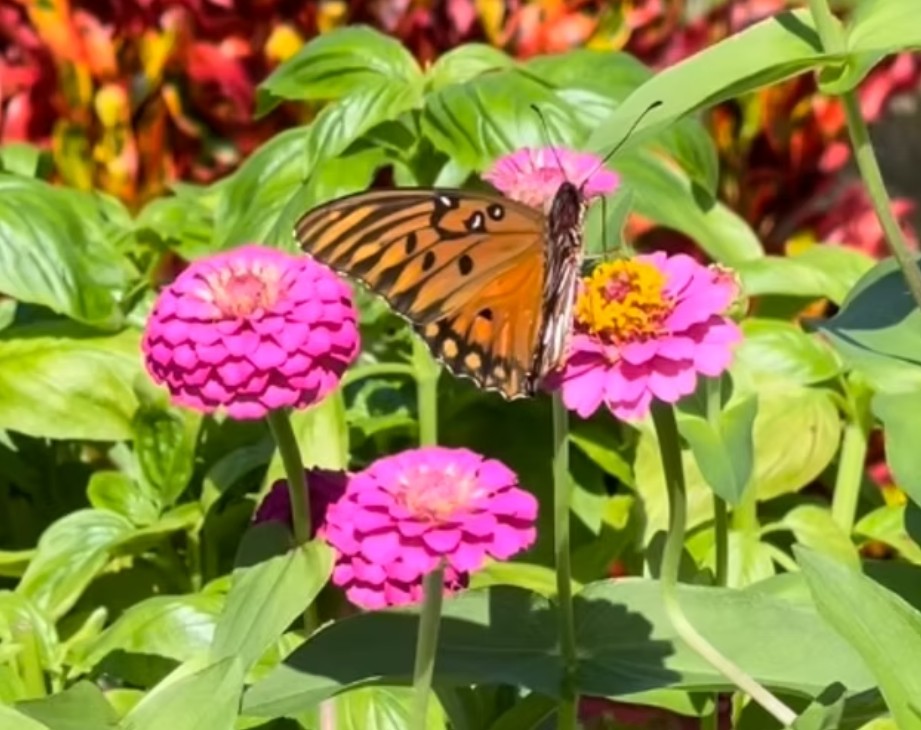

Discover how butterflies transform your garden into a beautiful and peaceful sanctuary. Butterflies enhance garden beauty, support pollination, and promote wellness. Learn how to attract butterflies naturally and create a thriving, colorful outdoor sanctuary filled with life.
A thriving garden is much more than a collection of flowers, shrubs, and vegetables. It is a living ecosystem where every plant and creature plays a valuable role. Among the most captivating visitors are butterflies. Their colorful wings, graceful flight, and gentle presence bring an unmistakable sense of wonder that few other garden guests can match.
Beyond their beauty, butterflies contribute to healthier landscapes by supporting pollination and encouraging biodiversity. Their arrival signals that your garden is providing a healthy environment rich in flowering plants and natural habitats. Whether you cultivate an expansive backyard, raised garden beds, or a few containers on a patio, creating a butterfly-friendly garden can transform your outdoor space into a peaceful retreat that benefits both nature and your well-being.
Why Butterflies Are Valuable Garden Visitors
Butterflies are more than beautiful insects. They are important pollinators that help flowering plants reproduce by carrying pollen from one bloom to another as they feed on nectar. Although bees perform much of the world’s pollination, butterflies also make meaningful contributions, especially among flowering ornamentals and native wildflowers.
Because butterflies are sensitive to environmental changes, they often serve as indicators of a healthy ecosystem. A garden that regularly attracts butterflies typically contains diverse plant life, clean water, and minimal pesticide use. Their presence is a sign that your landscape is providing food and shelter for a wide variety of beneficial wildlife.
Adding Natural Beauty Through Color and Motion
One of the greatest joys of gardening is watching nature unfold throughout the seasons, and butterflies add a level of beauty that flowers alone cannot achieve. Their delicate movements create a sense of motion that makes every garden feel more vibrant and alive.
As butterflies drift from blossom to blossom, they create ever-changing displays of color against blooming flowers and lush green foliage. Their graceful flight captures attention, making even quiet moments in the garden feel magical.
Different butterfly species bring unique patterns and colors that enhance the landscape throughout the growing season. Every visit adds another layer of visual interest that keeps the garden dynamic and inviting.
The Wellness Benefits of a Butterfly Garden
Gardens have long been recognized as places of relaxation and restoration, and butterflies enhance that experience even further. Watching them flutter through flower beds encourages people to slow down, observe nature, and appreciate the present moment.
Spending time in a butterfly-filled garden may help reduce stress while creating opportunities for mindfulness and quiet reflection. Many gardeners find that tending plants and observing wildlife becomes a calming daily ritual that supports emotional well-being.
A butterfly garden can also inspire creativity, encourage outdoor activity, and provide meaningful opportunities for families to learn about nature together.
How to Attract More Butterflies Naturally
Creating a butterfly-friendly garden begins by providing everything butterflies need to thrive. Nectar-rich flowers, host plants, shelter, sunlight, and clean water all contribute to a welcoming habitat.
Butterflies are naturally drawn to brightly colored flowers that bloom throughout the growing season. Selecting a variety of plants with staggered bloom times ensures a continuous food source from spring through fall.
Excellent butterfly-friendly flowers include coneflowers, zinnias, lantana, bee balm, lavender, verbena, salvia, coreopsis, black-eyed Susans, and asters. Planting flowers in large clusters rather than scattering individual plants makes them easier for butterflies to locate while creating bold displays of color.
Native plants are especially beneficial because they have evolved alongside local butterfly species and often provide the most reliable food sources.
Do Not Forget Host Plants
While nectar plants feed adult butterflies, host plants are essential for the next generation. Female butterflies lay their eggs on specific plants where newly hatched caterpillars can safely feed.
Without host plants, butterflies cannot complete their life cycle, making them one of the most important features of a successful butterfly garden.
Milkweed supports monarch butterflies, parsley, dill, and fennel provide food for black swallowtail caterpillars, while passion vine attracts gulf fritillary butterflies. Including these plants allows your garden to support butterflies from egg to adulthood.
Create Safe Places to Rest
Butterflies need more than flowers. They also require sunny resting areas, protection from strong winds, and access to moisture.
Flat rocks placed in sunny locations provide warm resting spots where butterflies can bask in the morning sun. Shrubs, ornamental grasses, hedges, and small trees offer protection during windy or rainy weather.
Adding a shallow dish filled with moist sand, pebbles, or damp soil creates a simple puddling station where butterflies can drink water and absorb important minerals.
Garden Naturally for Healthier Butterflies
Reducing or eliminating chemical pesticides is one of the best ways to encourage butterflies. Many insecticides harm butterflies during both the caterpillar and adult stages, even when applied to ornamental plants.
Instead, encourage beneficial insects such as ladybugs, lacewings, and praying mantises to help control common garden pests naturally. Healthy soil, diverse plantings, and good gardening practices create balanced ecosystems where butterflies and other pollinators can thrive.
Organic gardening methods also protect birds, bees, and countless beneficial insects that contribute to a healthier landscape.
Support Butterflies Throughout the Seasons
A successful butterfly garden provides nectar from early spring until late autumn. By planting early bloomers alongside summer favorites and fall flowers, you can welcome butterflies throughout much of the year.
Spring flowers provide nourishment as butterflies emerge, while autumn blooms help migrating species build the energy they need before seasonal journeys.
This succession of blooms also keeps your garden colorful and interesting from one season to the next.
Every Garden Can Make a Difference
You do not need acres of land to support butterflies. Even a small courtyard, balcony, or patio filled with flowering containers can provide valuable nectar and shelter for visiting butterflies.
Each butterfly-friendly garden contributes to local conservation efforts by creating small habitats that connect fragmented natural spaces. Collectively, home gardens help sustain pollinator populations while making neighborhoods more beautiful and environmentally friendly.
Whether you grow flowers alongside vegetables, cultivate native plants, or simply dedicate one sunny corner to pollinator-friendly blooms, your efforts can have a lasting impact on both wildlife and the environment.
Create a Garden That Inspires Beauty and Well-Being
Butterflies bring elegance, movement, and life to every garden they visit. Their role extends far beyond aesthetics, supporting pollination, encouraging biodiversity, and creating peaceful outdoor spaces that benefit both people and nature. By planting nectar-rich flowers, incorporating host plants, providing shelter, and gardening with environmentally friendly practices, you can enjoy a landscape filled with colorful butterflies throughout the growing season.
A butterfly-friendly garden is more than a beautiful destination. It becomes a thriving sanctuary where flowers flourish, wildlife prospers, and every visit outdoors offers an opportunity to reconnect with the beauty of the natural world.