Top Companion Planting Combinations for a Thriving Garden
Creating a vibrant and productive garden involves more than simply planting your favorite vegetables, herbs, and flowers. The secret to a healthier, more abundant garden often lies in companion planting, a time-tested gardening method that pairs plants together for mutual benefit. Certain plants naturally support one another by deterring pests, attracting pollinators, improving soil health, and maximizing available growing space.
Whether you are new to gardening or looking to improve your harvests, these top companion planting combinations can help you build a thriving garden ecosystem that works with nature rather than against it.
Why Companion Planting Works
Companion planting mimics the natural relationships found in healthy ecosystems. When compatible plants grow together, they can help protect each other from pests, improve nutrient availability, and create a more balanced growing environment.
The result is often stronger plants, fewer pest problems, and higher yields throughout the growing season.
Tomatoes and Basil: A Classic Garden Partnership
Few companion planting combinations are as popular as tomatoes and basil. These two garden favorites thrive under similar growing conditions and offer benefits beyond simply sharing garden space.
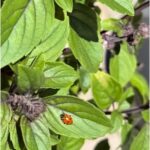
Basil’s strong aroma may help deter pests such as aphids, whiteflies, and tomato hornworms. At the same time, its flowers attract pollinators that support fruit production. Many gardeners also believe that growing basil near tomatoes enhances the flavor of the harvest.
Carrots and Onions: Natural Pest Protection
Carrots and onions make an excellent team in the vegetable garden. The scent of onions helps mask the aroma of carrots, making it more difficult for carrot flies to locate their preferred host plants.
Meanwhile, carrots help loosen the soil as they grow, creating better conditions for onion roots. This combination allows gardeners to maximize space while naturally reducing pest issues.
Cucumbers and Nasturtiums: Beauty with Benefits
Nasturtiums bring bright color to the garden while serving an important role in pest management. Often referred to as a trap crop, nasturtiums attract aphids and other pests away from cucumbers.
Their vibrant flowers also draw pollinators to the garden, helping improve cucumber yields throughout the growing season.
Corn, Beans, and Squash: The Three Sisters Method
One of the oldest and most successful companion planting systems is the Three Sisters method. This traditional planting technique combines corn, beans, and squash in a mutually beneficial arrangement.
Corn provides sturdy stalks for climbing beans. Beans enrich the soil by fixing nitrogen, which supports both corn and squash. Squash spreads across the ground, shading the soil, suppressing weeds, and helping retain moisture.
Together, these crops create a productive and sustainable growing environment.
Peppers and Marigolds: A Colorful Defense System
Marigolds are among the most valuable companion plants in any garden. Their bright blooms attract beneficial insects while helping deter harmful pests.
When planted near peppers, marigolds may help reduce populations of aphids, whiteflies, and soil-dwelling nematodes. The result is healthier pepper plants and a more attractive garden bed.
Lettuce and Radishes: Making the Most of Small Spaces
Lettuce and radishes grow exceptionally well together because they mature quickly and occupy different areas of the soil.
Radishes help loosen compacted soil, allowing lettuce roots to spread more easily. Since both crops thrive in cool weather, they can be planted together for an efficient spring or fall harvest.
Cabbage and Dill: Attracting Beneficial Insects
Dill is more than just a flavorful herb. Its delicate flowers attract beneficial insects such as ladybugs, lacewings, and parasitic wasps that help control cabbage pests.
Planting dill near cabbage can reduce pest damage while supporting a healthier garden ecosystem.
Strawberries and Borage: A Sweet Combination
Borage is often considered one of the best companion plants for strawberries. Its striking blue flowers attract bees and other pollinators, encouraging increased fruit production.
Borage may also help deter certain pests while contributing valuable organic matter to the soil, making it a beneficial addition to strawberry beds.
Spinach and Peas: Supporting Growth Naturally
Spinach and peas are excellent cool-season companions. Peas add nitrogen to the soil, providing nutrients that support leafy spinach growth.
As temperatures rise, pea vines can provide light shade that helps spinach remain productive for a longer period before bolting.
Oregano and Peppers: A Living Garden Mulch
Oregano serves multiple functions when grown alongside peppers. Its spreading habit helps suppress weeds and conserve soil moisture.
The fragrant foliage also attracts pollinators and beneficial insects, creating a healthier environment for nearby pepper plants.
Helpful Herbs for Nearly Every Garden
Many herbs can be planted throughout the garden to improve overall plant health and encourage biodiversity.
Chives help deter aphids and other pests.
Parsley attracts beneficial insects and pollinators.
Thyme supports pollinator activity while helping repel certain garden pests.
Sage attracts beneficial insects and may help discourage unwanted visitors.
Adding herbs throughout your garden creates a stronger and more resilient growing environment.
Companion Planting Mistakes to Avoid
While many plants benefit from growing together, some combinations can lead to poor results.
Beans and onions often compete with one another and may experience reduced growth.
Fennel is known to inhibit the development of many nearby plants and is usually best grown separately.
Potatoes and tomatoes share similar diseases and pests, increasing the risk of garden problems when planted close together.
Avoiding incompatible pairings is just as important as choosing beneficial ones.
Planning Your Companion Garden
Successful companion planting begins with understanding each plant’s growing requirements. Group plants that prefer similar sunlight, water, and soil conditions. Incorporate flowers and herbs throughout vegetable beds to attract pollinators and beneficial insects.
Keep notes on what works well in your garden each season. Over time, these observations will help you create increasingly productive planting combinations tailored to your unique growing space.
Your Best Garden Starts with Smart Plant Pairings
Companion planting is one of the simplest ways to improve garden health naturally. By pairing plants that support each other’s growth, you can reduce pest problems, attract more pollinators, improve soil quality, and enjoy larger harvests.
Whether you choose the classic combination of tomatoes and basil or embrace the traditional Three Sisters method, companion planting can transform your garden into a thriving, balanced ecosystem that rewards you season after season.
Notes
Companion planting is most effective when combined with healthy soil, proper watering practices, and regular garden maintenance. Including a variety of flowers, herbs, and vegetables encourages biodiversity and creates a more resilient garden environment. Experiment with different plant combinations to discover which partnerships perform best in your specific climate and growing conditions.
Discover the amazing benefits of growing nasturtiums in your garden. Learn how these colorful edible flowers attract pollinators, improve companion planting, naturally deter pests, and bring beauty and fresh flavor to your garden and kitchen. If you are looking for a plant that offers beauty, practicality, and incredible versatility, nasturtiums deserve a spot in your garden. These cheerful, easy-to-grow flowers do much more than brighten flower beds with vibrant blooms. They also attract pollinators, support companion planting, help reduce garden pests, and provide delicious edible flowers and leaves that can elevate everyday meals. Whether you are growing vegetables, herbs, or ornamental flowers, nasturtiums are one of the most rewarding annuals you can plant. Their ability to thrive with very little care makes them ideal for beginner gardeners, while experienced gardeners appreciate the many ways they contribute to a healthier, more productive landscape. Here is why growing nasturtiums may become one of the best gardening decisions you make. Bright, Cheerful Flowers That Bloom for Months One of the biggest reasons gardeners love nasturtiums is their nonstop display of colorful blooms. Their flowers appear in brilliant shades of yellow, orange, red, peach, and deep crimson, creating eye-catching displays from late spring until the first frost. Their attractive lily pad-shaped leaves provide beautiful contrast, making the plants just as appealing when they are not in bloom. Whether spilling over raised beds, climbing trellises, or cascading from hanging baskets, nasturtiums instantly add charm to any outdoor space. Because they continue flowering throughout the season with minimal maintenance, they provide exceptional value for every gardener. One of the Best Companion Plants for Vegetable Gardens Nasturtiums are famous for companion planting, making them a favorite among organic gardeners. Growing nasturtiums alongside vegetables helps create a diverse garden ecosystem that attracts beneficial insects while drawing attention away from valuable crops. They pair especially well with tomatoes, cucumbers, squash, zucchini, beans, cabbage, broccoli, kale, peppers, and even fruit trees. Many gardeners intentionally plant nasturtiums around vegetable beds because they can act as trap crops, attracting aphids and other insects away from vegetables. This makes pest populations easier to monitor while reducing damage to food crops. Adding companion plants like nasturtiums creates a healthier garden that naturally supports stronger plant growth. Attract Pollinators That Boost Your Harvest Healthy gardens depend on pollinators, and nasturtiums are excellent at inviting them into your landscape. Their nectar-rich flowers attract honeybees, native bees, butterflies, hummingbirds, and hoverflies throughout the growing season. As these beneficial visitors move from flower to flower, they pollinate vegetables, herbs, berries, and fruit trees, often leading to larger harvests and healthier plants. The more pollinators your garden attracts, the more productive your entire landscape becomes. Help Naturally Manage Common Garden Pests Every gardener encounters pests, but nasturtiums can become an important part of a natural pest management strategy. Many insects prefer nasturtiums over nearby vegetables, making these flowers valuable trap crops. Aphids, for example, frequently gather on nasturtiums instead of tomatoes, peppers, or beans. Planting nasturtiums throughout the garden also increases biodiversity, encouraging beneficial insects such as ladybugs and hoverflies that feed on harmful pests. While no plant completely eliminates insects, nasturtiums work alongside healthy gardening practices to reduce pest pressure without relying heavily on chemical treatments. Every Part of the Plant Is Edible Nasturtiums are not only beautiful but also delicious. The brightly colored flowers have a mild peppery flavor similar to watercress, making them a favorite garnish for fresh salads, sandwiches, charcuterie boards, appetizers, soups, and grain bowls. Their round green leaves also add a slightly spicy flavor to salads and wraps. Even the immature seed pods can be pickled to create a flavorful substitute for capers. Growing edible flowers allows you to harvest both beauty and flavor from the same plant, making nasturtiums an excellent addition to any kitchen garden. Incredibly Easy to Grow Nasturtiums are among the easiest flowers you can grow from seed. Unlike many flowering plants, they actually perform better in average or moderately fertile soil. Rich soil often encourages leafy growth at the expense of flowers. They thrive in full sun, although gardeners in warmer climates often find they benefit from some afternoon shade during the hottest months. Once established, nasturtiums require little more than occasional watering and the removal of spent flowers to encourage continuous blooming. Their fast growth makes them an excellent choice for filling empty spaces throughout the garden. Perfect for Raised Beds, Containers, and Small Gardens No matter how much gardening space you have, nasturtiums fit beautifully into almost any landscape. Compact bush varieties are ideal for raised beds and flower borders, while trailing varieties spill gracefully from containers, window boxes, and hanging baskets. Their versatility allows gardeners with patios, balconies, or small urban spaces to enjoy colorful blooms and edible flowers without needing a large garden. Improve Biodiversity Naturally A healthy garden is filled with diversity. Mixing flowers, vegetables, herbs, and pollinator plants creates a balanced ecosystem that supports beneficial insects while helping maintain healthier soil and stronger plants. Nasturtiums contribute to this biodiversity by attracting wildlife that plays an essential role in pollination and natural pest control. The result is a garden that is not only more productive but also more vibrant and alive throughout the growing season. Save Seeds and Enjoy Nasturtiums Year After Year As the growing season comes to an end, nasturtiums produce large seeds that are incredibly easy to collect. Allow the seeds to mature naturally on the plant before harvesting and storing them in a cool, dry place until spring. Saving seeds is an economical way to enjoy beautiful flowers year after year while sharing extras with fellow gardeners. It is one of the simplest plants for beginning gardeners to save successfully. Bring Garden-Fresh Flavor to Your Table One of the greatest rewards of growing nasturtiums is bringing them directly from the garden into your kitchen. Fresh blossoms instantly transform everyday dishes into colorful presentations that look restaurant-worthy. Sprinkle the flowers over salads, garnish soups, decorate cakes, or use them
Discover the secrets to a thriving raised bed garden with natural pest control methods. From companion planting to homemade solutions, protect your vegetables, herbs, and flowers with ease.
Grow healthy jalapeño plants by providing the right growing conditions, such as six to eight hours of direct sunlight, fertile, well-drained soil enriched with compost, and deep watering. By following these tips, you can prevent common problems like yellow leaves, flower drop, and pests, ensuring a bountiful harvest of flavorful peppers.