

Raised Bed Gardening for Small Spaces and Backyards: Grow More Food in Less Space
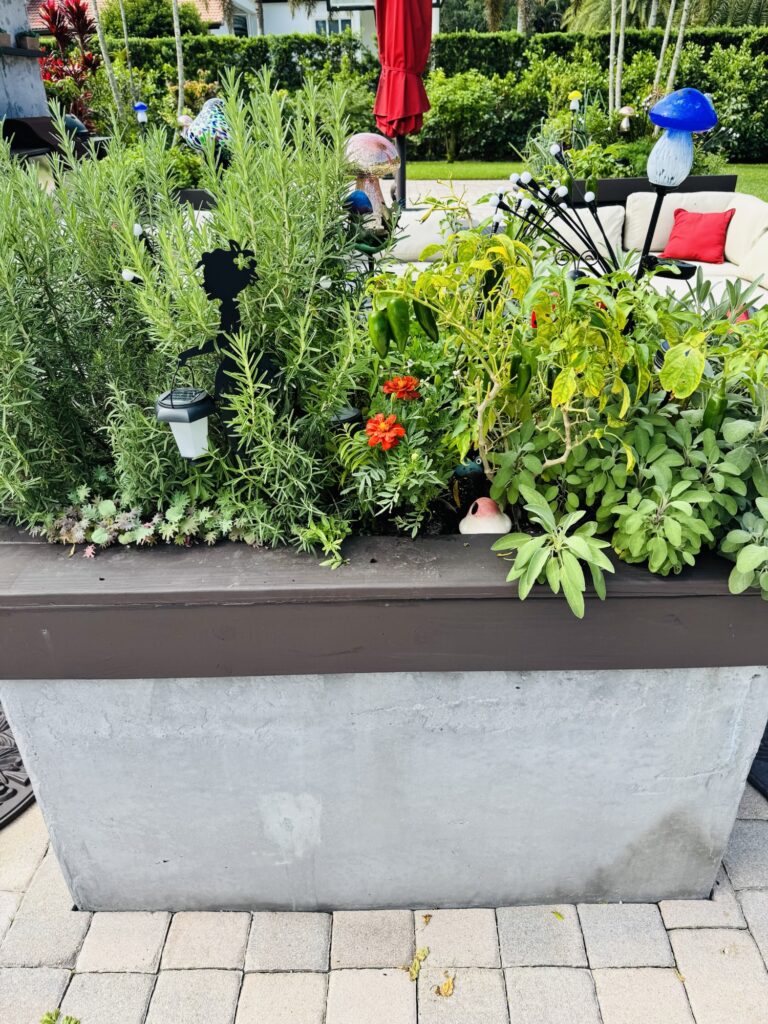
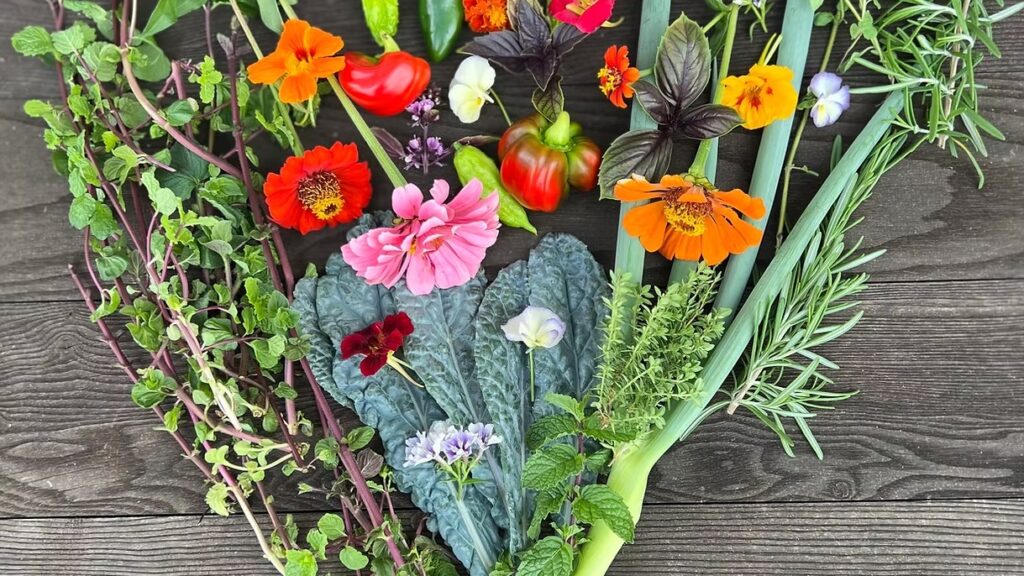
Discover how raised bed gardening can transform small spaces and backyards into productive, beautiful gardens. Learn the benefits, planning tips, and best practices for growing vegetables, herbs, flowers, and fruits in raised garden beds. Whether you have a compact backyard, a tiny patio, or a limited outdoor space, raised bed gardening offers an easy and efficient way to grow a thriving garden. With thoughtful planning and smart design, even the smallest spaces can produce an impressive harvest of fresh vegetables, fragrant herbs, colorful flowers, and delicious fruits throughout the growing season. Raised bed gardening has become increasingly popular because it allows gardeners to maximize every square foot while creating an attractive and organized landscape. Instead of working with poor native soil or struggling with uneven ground, raised beds provide complete control over soil quality, drainage, and plant spacing. For beginner gardeners, raised beds simplify many common gardening challenges. For experienced gardeners, they create opportunities to experiment with succession planting, companion planting, and intensive growing methods that produce more food in less space. Why Raised Bed Gardening Works So Well in Small Spaces One of the greatest advantages of raised bed gardening is its ability to make every inch count. Traditional row gardening often leaves unused pathways and wasted growing areas. Raised beds eliminate much of that wasted space by concentrating plants into defined growing areas. Because the soil is never compacted by foot traffic, plant roots grow deeper and healthier. Healthy roots absorb water and nutrients more efficiently, resulting in stronger plants and larger harvests. Raised beds also warm up faster in spring, allowing many gardeners to begin planting earlier than they could with traditional in-ground gardens. Better drainage helps prevent root diseases while reducing problems caused by heavy rainfall. The clean, defined appearance of raised beds also makes gardens easier to maintain and far more visually appealing in small backyards. Choosing the Right Location Before building a raised bed, spend time selecting the ideal location. Most vegetables require at least six to eight hours of direct sunlight every day. Leafy greens and some herbs can tolerate partial shade, but fruiting crops such as tomatoes, peppers, squash, and cucumbers perform best in full sun. Choose an area that has easy access to water. Carrying watering cans across the yard quickly becomes tiresome during the heat of summer. Installing a nearby hose or drip irrigation system makes maintenance much easier. If possible, position beds where they are easy to reach from your home. Gardens that are visible from the kitchen window or back door are more likely to receive daily attention, making it easier to spot weeds, pests, or plants ready for harvest. Selecting the Right Size Raised beds come in many shapes and sizes, but certain dimensions make gardening easier. A width of about 4 feet allows you to comfortably reach the center from either side without stepping into the bed. Lengths can vary depending on your available space, with 6 to 8 feet being among the most popular options. Most raised beds are 10 to 18 inches deep, which provides plenty of room for vegetables, herbs, and flowers. Root crops such as carrots, parsnips, and potatoes often benefit from beds that are 18 to 24 inches deep. If mobility is a concern, taller raised beds can reduce bending while making gardening more comfortable. Building Materials Raised beds can be built from many durable materials. Natural untreated cedar is one of the most popular choices because it naturally resists decay and insects. Redwood is another long-lasting option that offers excellent durability. Composite boards provide a modern appearance while requiring little maintenance. Galvanized metal beds have become increasingly popular because they are durable, attractive, and resistant to rot. Stone, brick, or concrete block beds create a permanent landscape feature that can last for decades. Choose materials that match both your budget and the overall style of your landscape. The Importance of Quality Soil The success of any raised bed garden begins with the soil. A rich growing mix should provide excellent drainage while holding enough moisture to support healthy plant growth. An effective raised bed soil blend typically contains quality topsoil, finished compost, and coarse materials that improve aeration. Adding compost every season replenishes nutrients while improving soil structure naturally. Healthy soil encourages earthworms and beneficial microorganisms that support vigorous plant growth. Avoid filling raised beds entirely with inexpensive bagged garden soil, which can become compacted over time. Best Crops for Small Raised Beds Raised beds are remarkably versatile and can support a wide variety of edible crops. Leaf lettuce grows quickly and can be harvested repeatedly throughout the season. Spinach performs well during cooler weather and fits easily into compact spaces. Bush beans produce generous harvests without requiring large trellises. Tomatoes thrive in raised beds when supported with sturdy cages or stakes. Peppers enjoy the warm, well-drained soil that raised beds provide. Carrots, radishes, beets, and onions grow exceptionally well in loose, deep soil. Fresh herbs such as basil, parsley, thyme, oregano, rosemary, cilantro, dill, and chives fit perfectly into small gardens while providing fresh flavor for countless meals. Compact strawberry varieties also make excellent additions to raised beds. Maximize Every Square Foot One of the biggest advantages of raised bed gardening is the ability to grow intensively. Square foot gardening divides the bed into smaller planting sections, allowing different crops to grow together efficiently. Succession planting keeps beds productive by replacing harvested vegetables with new crops throughout the season. Vertical gardening allows cucumbers, peas, pole beans, squash, and even melons to grow upward using trellises, arches, or cages instead of spreading across valuable garden space. Interplanting fast-growing vegetables alongside slower crops ensures continuous harvests while making the most of every available inch. Companion Planting Companion planting helps maximize productivity while naturally reducing pest problems. Basil planted near tomatoes may help attract pollinators while creating a classic culinary pairing. Marigolds add vibrant color while encouraging beneficial insects throughout the garden. Nasturtiums attract pollinators and can also serve as trap