
Wondering what to plant in raised beds each month? This complete zone-based gardening guide shares the best vegetables, herbs, and flowers to grow throughout the year based on your USDA Hardiness Zone.
There is something incredibly satisfying about stepping outside and harvesting fresh vegetables, fragrant herbs, or colorful flowers from your own raised bed garden. Whether it is crisp lettuce for a lunchtime salad, sun-ripened tomatoes for dinner, or fresh basil picked moments before serving, a productive garden brings rewards that last all season long.
One of the secrets to keeping your raised beds full and flourishing is knowing what to plant at the right time. Many beginning gardeners plant everything in spring and then wonder why their beds are empty by midsummer. Experienced gardeners know that a successful garden is always changing. As one crop finishes, another takes its place. By planting throughout the year, you can enjoy continuous harvests instead of one short growing season.
The best planting schedule depends on where you live. Gardeners in northern climates work around late frosts and shorter summers, while those in warmer regions can often grow fresh vegetables nearly every month of the year. Once you understand your USDA Hardiness Zone and follow a simple month-by-month planting calendar, planning your raised beds becomes much less overwhelming.
This complete guide to what to plant in raised beds each month will walk you through the seasons, explain how planting changes from one growing zone to another, and help you make the most of every square foot in your garden.
Why Your USDA Hardiness Zone Matters
One of the first things every gardener should learn is their USDA Hardiness Zone. Think of it as your garden’s roadmap. It tells you what kinds of temperatures your plants will experience during the winter and provides valuable guidance for deciding when it is safe to plant outdoors.
Although the USDA Hardiness Zone does not determine every aspect of your growing season, it gives you a reliable starting point for planning. Gardeners in colder northern climates often wait weeks or even months longer than gardeners in southern states before planting tomatoes, peppers, or cucumbers.
Raised beds offer a helpful advantage because the soil warms more quickly in spring than traditional in-ground gardens. This means you can often plant cool-season vegetables a little earlier and enjoy a slightly longer harvest. Even so, paying attention to your area’s average last frost in spring and first frost in autumn remains one of the best ways to protect your crops.
Once you know your zone, choosing what to plant each month becomes much easier.
Why Monthly Planting Makes Such a Difference
If you have ever harvested all of your lettuce at once or watched an empty garden bed sit unused for weeks, you have already discovered why monthly planting matters.
Instead of treating your garden as a one-time spring project, think of it as something that grows and changes with the seasons. Every month brings new opportunities to sow seeds, transplant seedlings, or prepare for the next harvest.
Planting throughout the year offers several benefits.
You enjoy fresh produce for a much longer period.
Garden space stays productive instead of sitting empty.
Succession planting keeps vegetables coming continuously.
Crop rotation helps reduce diseases and pests.
Healthy soil is easier to maintain.
Harvests become more manageable instead of arriving all at once.
With just a little planning, your raised beds can provide fresh ingredients from early spring through late fall, and even throughout winter if you live in a warmer climate.
Understanding the Different Growing Zones
Although every garden is unique, USDA Hardiness Zones can generally be grouped into four categories.
Zones 3 through 4 experience long, cold winters and shorter growing seasons.
Zones 5 through 6 enjoy moderate growing seasons with cold winters.
Zones 7 through 8 have mild winters and long, productive growing seasons.
Zones 9 through 11 often allow gardeners to grow vegetables nearly year-round.
As you read through the monthly planting guide below, use your own zone as a starting point while also considering your local weather conditions.
January: A Fresh Start for Your Garden
January may seem quiet, but it is actually one of the most exciting months for gardeners. While snow covers raised beds in northern climates, gardeners in warmer regions are already harvesting and planting cool-season vegetables.
Zones 3 through 6
January is the perfect time to begin planning your garden. Sketch your raised bed layout, order seeds, and start slow-growing vegetables indoors.
Begin seeds for broccoli, cabbage, cauliflower, onions, leeks, celery, and parsley.
Zones 7 through 8
Mild temperatures allow plenty of outdoor planting.
Direct sow spinach, lettuce, carrots, radishes, beets, garlic, shallots, and turnips.
Zones 9 through 11
This is one of the busiest gardening months.
Plant broccoli, kale, mustard greens, carrots, peas, lettuce, Swiss chard, cilantro, dill, and parsley.
February: Spring Begins to Wake Up
Longer days and warming temperatures signal that the gardening season is getting closer.
Zones 3 through 6
Continue starting vegetables indoors.
Tomatoes, peppers, eggplant, herbs, broccoli, and cabbage all benefit from an early start.
Zones 7 through 8
Direct sow spinach, carrots, peas, radishes, Swiss chard, and lettuce.
If the soil is workable, potatoes can also be planted near the end of the month.
Zones 9 through 11
As frost risks fade, warm-season planting begins.
Plant tomatoes, beans, cucumbers, corn, squash, and melons where temperatures remain warm.
March: The Garden Comes Alive
March feels like the true beginning of spring for many gardeners.
Raised beds warm quickly, making them ideal for planting cool-season crops before traditional gardens are ready.
Zones 3 through 6
Plant peas, spinach, lettuce, radishes, and begin hardening off early seedlings when temperatures allow.
Zones 7 through 8
Tomatoes, peppers, basil, cucumbers, beans, and eggplant can begin moving into prepared raised beds.
Zones 9 through 11
Harvest cool-season vegetables while planting tomatoes, peppers, okra, pumpkins, and sweet potatoes.
April Through May: Prime Planting Season
For many gardeners, these are the busiest months of the year.
Raised beds quickly fill with colorful vegetables, fragrant herbs, and companion flowers.
Cool-season vegetables are still producing while warm-season favorites begin taking over.
Tomatoes, peppers, cucumbers, squash, beans, basil, corn, pumpkins, melons, onions, carrots, beets, and Swiss chard all thrive during this period, depending on your zone.
If you are planting tomatoes, remember to install cages or supports immediately. Waiting until plants become large often damages the roots.
June: Keeping the Garden Growing
By June, many spring vegetables have finished producing, leaving room for new crops.
Instead of leaving empty spaces, plant bush beans, carrots, beets, summer squash, additional lettuce, herbs, and flowers.
Gardeners in warmer climates can also begin thinking ahead by starting seeds indoors for autumn vegetables like broccoli, cabbage, cauliflower, and Brussels sprouts.
July: Planning for the Next Season
Although summer temperatures are at their highest, experienced gardeners know it is already time to prepare for fall.
Plant carrots, beets, kale, bush beans, cabbage, cauliflower, broccoli, and Brussels sprouts according to your growing zone.
This is also an excellent time to add compost to empty beds so the soil stays rich and healthy before your next round of planting.
August: Transitioning Into Autumn
August often surprises new gardeners because it is actually one of the best planting months of the year.
Cooler evenings create excellent growing conditions for leafy greens and root vegetables.
Plant spinach, lettuce, carrots, kale, Swiss chard, radishes, broccoli, turnips, peas, and beets based on your zone.
Your raised beds may look even fuller in September than they did during spring.
September and October: Fresh Fall Harvests
Autumn gardening is one of the most enjoyable seasons.
Cool temperatures reduce stress on many vegetables while helping leafy greens develop sweeter flavors.
Plant garlic, spinach, lettuce, onions, carrots, Swiss chard, radishes, broccoli, cauliflower, and cabbage throughout much of the country.
Gardeners in southern climates continue planting while northern gardeners begin preparing beds for winter.
November and December: Finishing Strong
Even as winter approaches, raised beds continue to provide opportunities.
In colder regions, these months are ideal for spreading compost, planting garlic, protecting soil with mulch, and planning next year’s garden.
Meanwhile, gardeners in Zones 9 through 11 continue harvesting broccoli, carrots, cabbage, lettuce, herbs, peas, beets, and cauliflower throughout the cooler months.
It is one of the many reasons warm-climate gardeners can enjoy homegrown vegetables almost every season of the year.
Do Not Forget Herbs and Flowers
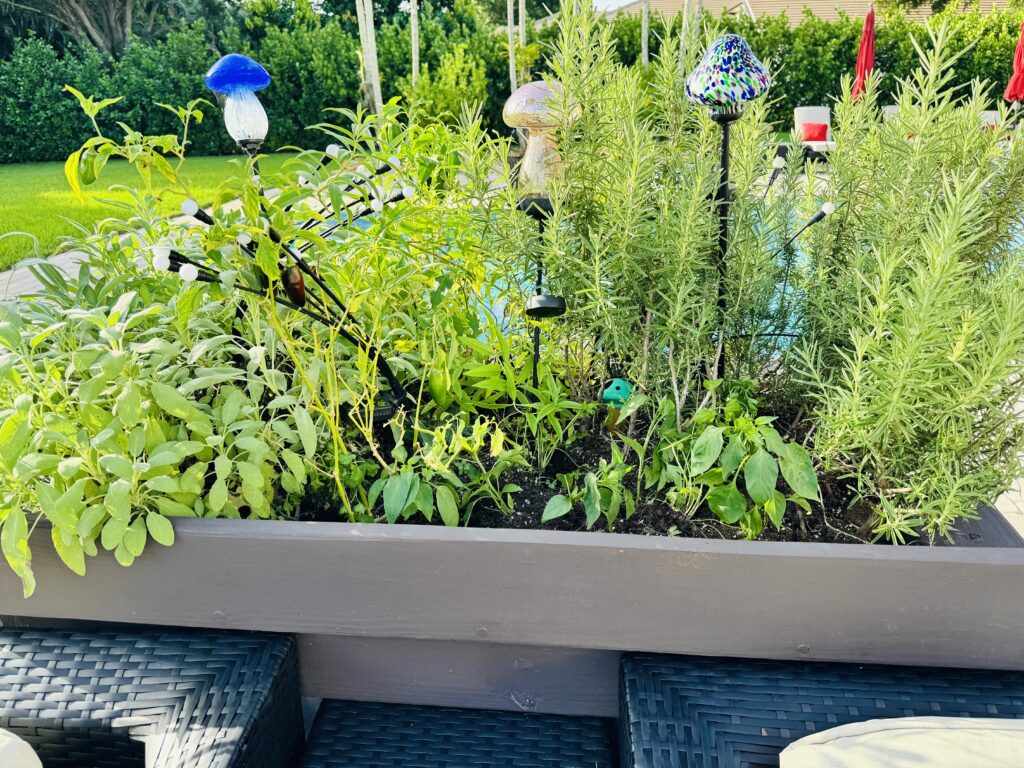
Raised beds become even more productive when vegetables share space with herbs and flowers.
Fresh herbs like basil, parsley, cilantro, thyme, rosemary, oregano, dill, sage, and chives add incredible flavor to your meals while attracting pollinators and beneficial insects.
Flowers such as marigolds, calendula, nasturtiums, zinnias, sweet alyssum, and sunflowers not only brighten the garden but also help create a healthier growing environment by attracting bees, butterflies, and natural predators that feed on harmful pests.
A beautiful raised bed can be just as productive as it is colorful.
Simple Tips for Year-Round Raised Bed Success
Successful raised bed gardening is about more than knowing what to plant each month. A few simple habits can dramatically improve your harvests.
Add compost before every major planting to replenish nutrients.
Rotate crops each season to reduce pest and disease problems.
Water consistently, especially during hot summer weather.
Mulch around plants to help conserve moisture and suppress weeds.
Plant new crops every few weeks instead of all at once.
Grow climbing vegetables vertically to save valuable space.
Protect young plants with row covers during unexpected cold snaps.
Keep notes each season so you can improve your planting schedule year after year.
Small improvements made consistently often produce the biggest harvests.
Frequently Asked Questions
Can I really grow vegetables year-round in raised beds?
In warmer USDA Zones 8 through 11, many gardeners grow vegetables throughout the year by alternating cool-season and warm-season crops. Gardeners in colder climates can extend their harvests with row covers, cold frames, or hoop houses.
What vegetables grow best in raised beds?
Tomatoes, peppers, lettuce, spinach, carrots, onions, beans, cucumbers, squash, broccoli, kale, herbs, and root vegetables all thrive in the loose, fertile soil that raised beds provide.
How often should I plant new vegetables?
Fast-growing crops such as lettuce, spinach, radishes, carrots, and bush beans can often be planted every two to three weeks for a steady supply of fresh produce.
Should I fertilize my raised beds every month?
Adding compost between plantings is often enough for many vegetables. Heavy feeders like tomatoes, peppers, squash, and corn usually benefit from additional organic fertilizer during the growing season.
Can flowers really help my vegetable garden?
Yes. Companion flowers attract pollinators, encourage beneficial insects, and often reduce pest problems while making your raised beds even more beautiful.
Enjoy Fresh Harvests Every Month
Learning what to plant in raised beds each month transforms gardening from a seasonal hobby into an ongoing adventure. Instead of watching your beds sit empty after one harvest, you can keep them filled with fresh vegetables, flavorful herbs, and cheerful flowers from season to season. By combining monthly planting with your USDA Hardiness Zone, you will enjoy healthier plants, longer harvests, and a garden that remains productive throughout the year. Whether you are harvesting your first handful of lettuce in spring or gathering sweet carrots on a crisp autumn afternoon, every month offers a new opportunity to grow something delicious.