Learn How to Grow Multi-Colored Zinnias: A Complete Growing Guide
Learn how to grow multi-colored zinnias, choose vibrant varieties, and provide the right sunlight, temperature, soil, water, and care for blooms until frost.
Bright, cheerful, and wonderfully easy to grow, multi-colored zinnias bring months of color to garden beds, borders, containers, and cutting gardens. Their flowers appear in nearly every shade except true blue, including red, orange, yellow, pink, purple, lavender, green, cream, white, peach, coral, and richly blended combinations.
Zinnias are warm-season annuals that grow quickly from seed. Once established, they tolerate summer heat, attract butterflies and other pollinators, and produce an impressive number of flowers. Depending on the variety, plants may remain compact and mounded or grow several feet tall with long stems that are ideal for bouquets.
With the right sunlight, warm temperatures, well-drained soil, and consistent care, zinnias can flower from early summer until the first fall frost. This complete guide explains how to select colorful varieties, start seeds, care for the plants, prevent common problems, and encourage a long season of vibrant blooms.
Why Grow Multi-Colored Zinnias?
Few annual flowers provide as much color with so little effort. Multi-colored zinnias can fill open spaces in young gardens, brighten vegetable beds, create colorful walkways, or form an entire cut-flower garden. Because they grow rapidly, they are also useful when spring bulbs or early-season plants leave temporary gaps in the landscape.
Zinnia flowers may be single, semi-double, or double. Single flowers have one row of petals and a clearly visible center. Semi-double flowers have additional petals while retaining an exposed center. Double flowers have numerous rows of petals that create a full, rounded appearance.
Gardeners who want to support pollinators may wish to include some single and semi-double varieties because their centers are generally easier for insects to access. Fully double varieties are especially beautiful in bouquets, but their dense petals may make pollen and nectar less accessible.
The Best Multi-Colored Zinnia Varieties
Choosing a zinnia seed mix is one of the simplest ways to produce a garden filled with many colors. The best selection depends on the available space and whether the flowers will be used in containers, landscape beds, pollinator gardens, or arrangements.
Benary’s Giant zinnias are a popular choice for cutting gardens. These tall plants produce strong stems and large, densely petaled flowers in an extensive range of colors. They need sufficient room and may require support in windy locations.
California Giant and State Fair mixtures are classic choices for bold garden color. These vigorous zinnias generally grow tall and produce large flowers that stand out near fences, at the back of borders, and in cutting beds.
Queen series zinnias offer more muted and unusual shades, including lime green, dusty rose, blush, peach, and antique-looking combinations. Their sophisticated colors work especially well in mixed bouquets.
Oklahoma zinnias produce smaller flowers on long, sturdy stems. Their abundant blooms are useful for bouquets, and the plants are considered less susceptible to powdery mildew than some large-flowered cutting varieties.
Profusion and Zahara zinnias have compact or mounded growth habits and good disease tolerance. They are excellent choices for edging, containers, humid climates, and lower-maintenance landscapes.
Zinderella varieties are known for unusual crested or scabiosa-style flowers. Flower form can vary between plants, but the mix adds playful texture and color to ornamental and cutting gardens.
Before planting, check the seed packet for mature height and width. Zinnias can range from compact plants under a foot tall to vigorous varieties that reach 3 to 4 feet or more.
When to Plant Zinnias
Zinnias are tender annuals and cannot tolerate frost. Plant them outdoors after the danger of frost has passed and the soil has warmed. Seeds germinate most reliably in warm soil, with approximately 70°F providing favorable conditions for direct sowing.
In regions with short growing seasons, seeds can be started indoors about four to six weeks before the expected final frost. Avoid starting them too early because zinnias grow quickly and may become crowded or root-bound before outdoor conditions are suitable.
Transplant seedlings after frost danger has passed and the soil has warmed to approximately 60°F or higher. Harden indoor-grown seedlings gradually by exposing them to outdoor conditions for increasing periods over approximately one week.
Gardeners in warm climates can often sow seeds directly into the garden. Because zinnias grow rapidly, direct-sown plants frequently catch up with transplants once consistently warm weather arrives.
Sunlight Requirements
Zinnias grow and flower best in full sun. A location receiving at least six hours of direct sunlight may support flowering, but eight or more hours is preferable for vigorous growth, abundant blooms, and sturdy stems.
Strong sunlight also helps keep the foliage dry. This is important because zinnias can be vulnerable to powdery mildew and leaf spot diseases, particularly when plants are crowded or grown in shaded, humid areas.
Avoid planting tall zinnias where buildings, fences, shrubs, or larger plants will shade them for much of the day. In extremely hot climates, a little late-afternoon protection may reduce heat stress, but excessive shade can produce weak stems and fewer flowers.
Temperature and Climate
Zinnias thrive in warm summer weather. Growth may be slow during cool spring conditions, and even a light frost can damage or kill the plants. Wait for settled weather before moving tender seedlings into the garden.
Warm days and mild nights generally encourage fast growth. Extended periods of wet, cool weather can increase the likelihood of disease, while extreme heat combined with dry soil may cause temporary wilting or reduced flowering.
Although established zinnias tolerate short dry periods, they perform best when heat is balanced with regular watering at the root zone. Their season naturally ends when frost arrives in fall.
Soil Requirements
Plant zinnias in fertile, well-drained soil. They adapt to many garden soils, but they do not perform well in areas where water collects around the roots.
A slightly acidic to neutral soil pH of approximately 5.5 to 7.5 is generally suitable. If the soil is heavy or compacted, incorporate finished compost to improve its structure. Raised beds may be helpful in locations with persistent drainage problems.
Avoid adding excessive nitrogen fertilizer. Too much nitrogen can encourage abundant leafy growth at the expense of flowers. A soil test provides the most reliable guidance when fertility or pH is uncertain.
How to Grow Zinnias From Seed
Prepare the planting area by removing weeds and loosening the upper layer of soil. Sow seeds approximately ¼ inch deep, following the spacing recommendations printed on the seed packet.
Keep the soil evenly moist while the seeds germinate, but do not saturate it. Once seedlings emerge and develop, thin crowded plants so each one has enough space for sunlight and air movement.
Depending on the variety’s growth habit, final spacing may range from approximately 8 to 24 inches. Compact edging zinnias can be planted closer together, while tall or bushy varieties need more room.
Zinnias generally dislike unnecessary root disturbance. If seeds are started indoors, use individual cells or small containers and transplant the seedlings gently.
Watering Multi-Colored Zinnias
Water newly planted seeds and seedlings consistently while their roots become established. Mature plants are more tolerant of brief dry periods, but regular moisture supports steady growth and continued flowering.
Allow the top 1 to 2 inches of soil to begin drying before watering again. Apply water deeply around the base of the plants rather than sprinkling the foliage. A soaker hose, drip irrigation system, or watering wand can help direct moisture to the root zone.
Morning is usually the best time to water. Any moisture that reaches the leaves has time to dry before evening, which may help limit fungal disease.
A light layer of organic mulch can reduce weeds and slow moisture loss. Keep mulch slightly away from the stems to avoid creating excessively damp conditions around the base of the plants.
Feeding Zinnias
Zinnias growing in moderately fertile garden soil may need little supplemental fertilizer. Compost mixed into the bed before planting can provide organic matter and support healthy root development.
If growth or flowering is weak and a soil test indicates a nutrient need, apply a balanced flower fertilizer according to the product directions. Avoid overfeeding, particularly with nitrogen-rich products, because lush foliage does not always result in more flowers.
Container-grown zinnias may require more frequent feeding because nutrients wash out of potting mix more quickly. Use a diluted, balanced fertilizer as directed for the container size and product formulation.
Pinching, Deadheading, and Cutting Flowers
Tall cutting zinnias can be pinched when young to encourage branching. Once a plant has developed several sets of true leaves and is approximately 8 to 12 inches tall, removing the upper growing tip may produce a fuller plant with more flowering stems. This technique is optional and may not be necessary for compact, naturally branching varieties.
Deadheading encourages the plant to direct energy toward new flowers instead of seed production. Remove faded blossoms by cutting the stem back to a healthy set of leaves or a developing side branch.
Frequent harvesting has a similar effect. Cut flowers regularly, and the plants will continue producing new stems and buds. For better vase life, harvest when the flower is fully colored and the stem feels firm rather than soft directly beneath the bloom.
Growing Zinnias in Containers
Compact zinnias grow well in containers when they receive enough sunlight and root space. Choose a pot with drainage holes and fill it with a high-quality, well-draining potting mix.
Short Profusion, Zahara, and dwarf zinnias are usually better suited to containers than tall cutting varieties. Tall zinnias can be grown in large, heavy pots, but they may need staking and protection from strong wind.
Container soil dries more quickly than garden soil, especially during hot weather. Check the moisture regularly and water when the upper portion begins to dry. Avoid leaving the container in standing water.
Preventing Powdery Mildew and Other Problems
Powdery mildew is one of the most common zinnia problems. It appears as white or gray powdery growth on leaves and stems. Although a minor infection may be mainly cosmetic, a severe case can weaken the plant and reduce flowering.
Provide full sun, follow the recommended spacing, and maintain good air circulation. Water near the soil instead of wetting the leaves, and remove severely affected plant material. At the end of the season, clear diseased debris from the garden.
Choosing disease-tolerant zinnias can be especially helpful in humid climates. Profusion, Zahara, and narrowleaf zinnias are known for better resistance to common foliar diseases than many traditional varieties.
Aphids, spider mites, Japanese beetles, and caterpillars may occasionally feed on zinnias. Inspect the plants regularly, especially the undersides of leaves. Treatment should be based on the identified pest, the amount of damage, and recommendations from a local extension service. Always follow product labels and protect visiting pollinators.
Supporting Tall Zinnias
Tall zinnias may bend or break during heavy rain or strong wind. Planting them in a sheltered, sunny location can reduce damage.
Small groups often support one another naturally. In exposed cutting gardens, stakes, a discreet grid of garden netting, or horizontal flower-support mesh can hold stems upright as they grow.
Avoid planting tall varieties too closely in an attempt to create support. Overcrowding reduces air movement and can contribute to disease.
Keeping Zinnias Blooming Until Frost
Regular harvesting and deadheading are the keys to maintaining flowers throughout summer. Do not allow every fading bloom to remain on the plant unless you are intentionally saving seeds.
Successive sowing can also extend the display. Planting another small group of seeds a few weeks after the first sowing creates younger plants that may continue flowering as the earliest plants begin to decline. The final sowing date depends on the length of the local growing season and the expected first fall frost.
Continue watering during extended dry weather, remove diseased foliage, and keep weeds from competing for moisture and nutrients. With consistent care, healthy plants can continue producing colorful flowers until frost ends the season.
Saving Zinnia Seeds
To save seeds, leave several healthy flowers on the plants until the heads turn brown and dry. Collect them on a dry day and allow them to finish drying in a protected, well-ventilated location before storage.
Seeds collected from open-pollinated zinnias may produce plants similar to their parents, although nearby varieties can cross-pollinate. Seeds from hybrids may produce flowers with different colors, forms, or growth habits the following year.
Store thoroughly dried seeds in a labeled paper envelope or another moisture-resistant container in a cool, dark, dry place.
Create a Garden Filled With Color
Multi-colored zinnias make it possible to create an ever-changing summer display from only a few packets of seed. Combine tall cutting varieties with compact border plants, mix bold colors with softer antique shades, or dedicate an entire bed to a cheerful rainbow blend.
By providing full sun, warm soil, adequate spacing, and water at the root zone, you can grow strong plants with abundant flowers. Continue cutting or deadheading the blooms, and your zinnias can reward you with brilliant color from summer until the first frost.
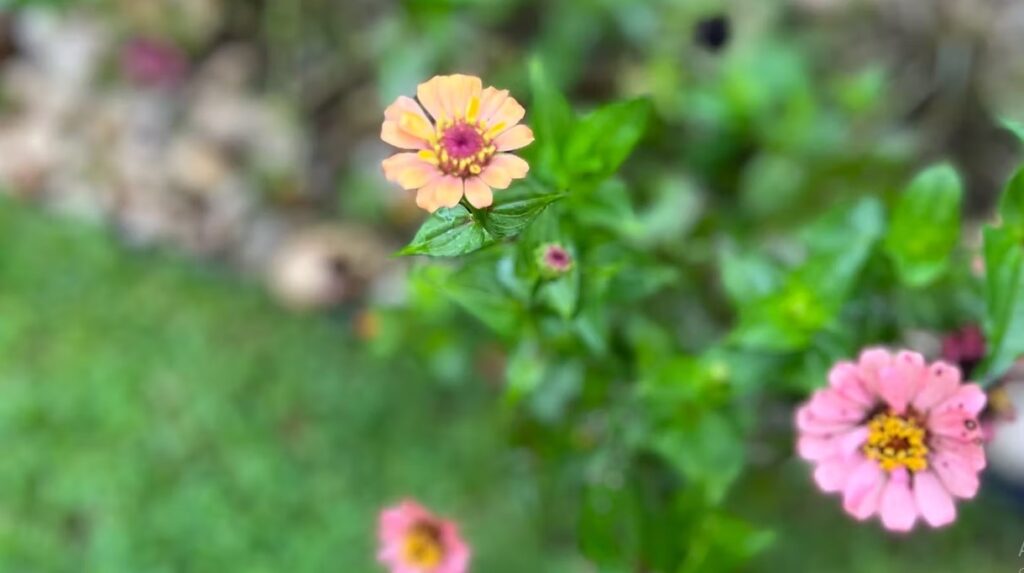
Colorful peach and pink zinnias bring soft summer beauty to the garden.
Marigolds are among the most popular flowers in home gardens, and for good reason. Their brilliant blooms, dependable performance, and easy-going nature make them a favorite for gardeners of every experience level. Whether planted in flower beds, vegetable gardens, raised beds, borders, or decorative containers, marigolds provide months of vibrant color while attracting beneficial pollinators and adding life to the landscape. Native to Mexico and Central America, marigolds have been cultivated for centuries and are prized not only for their beauty but also for their versatility. These cheerful annuals bloom continuously from late spring until the first frost, thriving in hot weather when many other flowers begin to fade. With shades ranging from bright yellow and golden orange to deep red and mahogany, marigolds create a stunning display throughout the growing season. One of the greatest advantages of growing marigolds is how little maintenance they require. They are fast-growing, adaptable to a variety of soils, and reward gardeners with an abundance of blooms from a relatively small amount of care. Whether you are designing your first flower garden or adding seasonal color to an established landscape, marigolds are an excellent choice. Why Grow Marigolds? Marigolds offer much more than beautiful flowers. They are reliable performers that thrive in sunny gardens and adapt well to many growing conditions. Their long blooming season and compact growth habit make them suitable for almost any outdoor space. Gardeners appreciate marigolds because they are easy to grow from seed, tolerate summer heat exceptionally well, bloom continuously for months, attract bees and butterflies, make excellent companion plants for vegetables, grow beautifully in containers and raised beds, require minimal maintenance, and produce long-lasting cut flowers. Types of Marigolds Although all marigolds belong to the Tagetes genus, several popular varieties offer different sizes, flower forms, and growing habits. African Marigolds African marigolds (Tagetes erecta) are the largest of the common marigold varieties. They produce large, globe-shaped blooms in brilliant shades of yellow, orange, cream, and gold. These impressive plants typically grow between 18 and 36 inches tall, making them perfect for the back of flower borders or as eye-catching focal points in the landscape. French Marigolds French marigolds (Tagetes patula) are compact, bushy plants covered with dozens of colorful flowers. Their blooms may be single or double and often feature striking combinations of yellow, orange, red, and mahogany. Growing only 8 to 15 inches tall, they are ideal for edging walkways, filling containers, and planting throughout vegetable gardens. Signet Marigolds Signet marigolds (Tagetes tenuifolia) have delicate, fern-like foliage and produce hundreds of small daisy-shaped flowers throughout the season. Unlike many other marigolds, their petals are edible and have a pleasant citrus flavor, making them a beautiful addition to salads, desserts, and herb gardens. The Best Growing Conditions for Marigolds Marigolds perform best when planted in locations that receive plenty of sunshine and have well-drained soil. They are remarkably adaptable but produce their most abundant flowers when their basic growing requirements are met. Choose a location that receives at least six to eight hours of direct sunlight each day. Full sun encourages compact plants with continuous flowering and vibrant blooms. Marigolds prefer well-drained soil that is moderately fertile. Sandy or loamy soils work especially well, although they will tolerate average garden soil. If your soil is heavy clay, incorporating compost before planting will improve drainage and promote healthier root development. Water newly planted marigolds regularly until they become established. Mature plants are fairly drought tolerant, but they perform best when watered deeply whenever the top inch of soil becomes dry. Avoid allowing the soil to remain constantly wet, as excessive moisture may lead to root rot. Planting Marigolds Marigolds are among the easiest annual flowers to grow from seed. Seeds germinate quickly in warm soil, often sprouting within five to ten days. Plant seeds about one-quarter inch deep after all danger of frost has passed. Once seedlings develop several sets of true leaves, thin them to provide adequate airflow and room for growth. French marigolds should generally be spaced six to ten inches apart. African marigolds benefit from twelve to eighteen inches of spacing, while Signet marigolds grow well when planted eight to twelve inches apart. Fertilizing Marigolds Marigolds are not heavy feeders and usually perform exceptionally well with very little fertilizer. In many gardens, adding compost before planting provides all the nutrients they need throughout the growing season. If fertilizer is desired, apply a balanced fertilizer sparingly once or twice during the summer. Excess nitrogen encourages leafy growth at the expense of flower production, resulting in fewer blooms. Deadheading for Continuous Flowers Removing faded blooms throughout the growing season encourages marigolds to continue producing flowers until frost. This simple maintenance task also keeps plants looking neat and healthy. Regular deadheading redirects the plant’s energy toward developing new buds rather than producing seeds, extending the overall flowering season. Marigolds as Companion Plants Marigolds have long been valued in vegetable gardens as companion plants. Their bright flowers attract pollinators while also drawing beneficial insects that help maintain a healthy garden ecosystem. Many gardeners enjoy planting marigolds alongside tomatoes, peppers, cucumbers, beans, squash, eggplants, basil, and herbs. While marigolds should not be viewed as a complete solution for pest management, they contribute to greater biodiversity and support beneficial insect populations that naturally help keep gardens balanced. Pollinators Love Marigolds The colorful blooms provide nectar and pollen for numerous pollinating insects throughout the growing season. Common visitors include honeybees, native bees, butterflies, hoverflies, lady beetles, and parasitic wasps. These beneficial insects assist with pollination while helping control unwanted garden pests. Growing Marigolds in Containers Marigolds thrive in containers, making them an excellent choice for patios, balconies, porches, and small outdoor spaces. Choose containers with drainage holes and fill them with a quality potting mix. Position containers where they will receive full sunlight for most of the day, and water whenever the soil begins to dry. Container-grown marigolds often bloom just as abundantly as those planted directly in the garden. Common Problems
Learn how to grow orange cosmos with guidance on planting, sunlight, soil, watering, deadheading, containers, pests, seed saving, and companion plants. Orange cosmos bring brilliant color, delicate texture, and lively movement to sunny gardens. Their golden-orange flowers rise above airy green foliage, creating a cheerful display that feels equally at home in cottage gardens, pollinator beds, cutting gardens, and informal borders. Once established, these warm-season annuals provide months of flowers with relatively little maintenance. Often identified botanically as Cosmos sulphureus, orange cosmos are related to the familiar pink, white, and burgundy garden cosmos known as Cosmos bipinnatus. Orange cosmos generally have broader, more deeply divided foliage and produce flowers in vivid shades of yellow, gold, orange, and scarlet. Depending on the cultivar and growing conditions, plants may remain compact or reach several feet tall. One of the greatest advantages of growing orange cosmos is their adaptability. They tolerate heat, lean soil, and occasional dry conditions after their roots are established. They also attract butterflies and other visiting pollinators while producing flowers that can be enjoyed in both the garden and fresh arrangements. Why Grow Orange Cosmos? Orange cosmos offer impressive color without requiring rich soil or an elaborate care routine. Their daisy-like blooms complement many garden styles, from relaxed wildflower plantings to carefully planned color-themed borders. The fiery flowers are especially effective when planted in groups. A mass planting produces a glowing ribbon of color, while individual plants can be scattered among ornamental grasses and other annual flowers for a more natural appearance. Their open growth habit allows neighboring plants to remain visible, making orange cosmos useful for filling gaps without creating a heavy or crowded look. These flowers are also valuable for extending seasonal interest. In many climates, they begin blooming during summer and continue until cold weather or the first hard frost ends the display. Choosing the Right Orange Cosmos Orange cosmos cultivars vary considerably in height, flower form, and color. Some produce simple single flowers with open centers, while others have semi-double or double blooms. Colors may range from soft golden yellow to tangerine, deep orange, and reddish scarlet. Compact cultivars are well suited to containers, pathways, and the front of a flower bed. Taller varieties create an attractive backdrop and provide longer stems for cutting. Always check the seed packet or plant label for the expected mature height because some varieties stay under 2 feet while others can grow much taller. When planning a mixed planting, consider both the mature height and the intensity of the flower color. Bright orange cultivars create a dramatic focal point, while yellow-orange selections blend more gently with surrounding plants. The Best Location for Orange Cosmos Orange cosmos grow and flower best in full sun. Choose a location that receives at least six hours of direct sunlight each day. Plants may tolerate some light shade, but insufficient sunlight can result in fewer flowers and weaker, more elongated stems. Good air circulation is also helpful. Avoid crowding plants against dense shrubs or placing them where wet foliage remains enclosed for long periods. Taller varieties benefit from a location protected from strong wind, particularly in regions that experience frequent summer storms. Orange cosmos perform beautifully in flower beds, sunny borders, raised beds, cottage gardens, pollinator gardens, and dedicated cutting gardens. They can also be planted along fences or near vegetable gardens to add color and attract beneficial visitors. Soil Requirements Well-drained soil is more important than highly fertile soil when growing orange cosmos. These adaptable annuals can tolerate sandy, loamy, and moderately poor garden soils as long as water does not remain around their roots. Rich soil and excessive fertilizer can encourage abundant foliage at the expense of flowers. Overfed plants may also grow unusually tall and become more likely to lean or flop. In average garden soil, additional fertilizer is often unnecessary. If the planting area has heavy clay or drains slowly, improve the location before sowing by addressing compaction and drainage. Compost can help support soil structure, but it should be incorporated moderately rather than used to create an excessively rich planting bed. How to Grow Orange Cosmos From Seed Orange cosmos are easy to grow directly from seed. Wait until the danger of frost has passed and the soil has begun to warm. Cold, wet soil may delay germination and increase the chance of seeds deteriorating before they sprout. Prepare the site by loosening the surface and removing weeds, stones, and large clumps of soil. Scatter or space the seeds according to the information on the seed packet, then cover them lightly. Cosmos seeds should not be buried deeply because excessive planting depth may interfere with germination. Water the area gently so the seeds remain in place. Keep the upper layer of soil consistently moist while germination occurs, but do not leave it saturated. Seedlings commonly emerge within one to three weeks, depending on soil temperature, moisture, and the cultivar. Once the seedlings are large enough to handle, thin crowded plants to provide adequate space. Good spacing encourages stronger stems, better airflow, and a fuller display of flowers. Starting Seeds Indoors Gardeners with short growing seasons can start orange cosmos indoors several weeks before the expected final spring frost. Use a well-draining seed-starting mixture and provide strong, consistent light after the seedlings emerge. Insufficient light can cause young cosmos plants to become thin and stretched. If growing them beneath plant lights, position the lights according to the manufacturer’s recommendations and adjust them as the seedlings grow. Before moving indoor-grown seedlings into the garden, introduce them gradually to outdoor sunlight, wind, and temperature changes. This hardening process reduces transplant stress. Plant them outside only after frost danger has passed and conditions have warmed. Watering Orange Cosmos Newly planted seeds and young seedlings need consistent moisture while their root systems develop. Water carefully enough to moisten the soil without washing seeds away or flattening tender plants. Established orange cosmos tolerate occasional dry conditions, but they still benefit from water during extended
Learn how to grow Dark Purple Zinnia flowers, discover their benefits, companion planting ideas, pollinator appeal, and creative floral uses for a colorful, thriving garden. Dark Purple Zinnia is a breathtaking annual flower prized for its rich, velvety purple blooms and long-lasting display throughout the growing season. With its bold color, sturdy stems, and remarkable ability to attract butterflies, bees, and other beneficial pollinators, this beautiful zinnia has become a favorite among home gardeners, flower farmers, and floral designers alike. Whether planted in flower beds, borders, raised gardens, cutting gardens, or decorative containers, Dark Purple Zinnias provide continuous color from early summer until the first frost. Their vibrant blossoms create stunning contrast against green foliage while complementing nearly every other flowering plant in the landscape. Here you will learn about Dark Purple Zinnia, including how to grow it successfully, its companion planting benefits, pollinator value, and creative ways to enjoy these elegant flowers in both the garden and floral arrangements. What Is a Dark Purple Zinnia? Dark Purple Zinnia belongs to the Zinnia elegans species, one of the easiest and most rewarding flowering annuals to grow. Native to Mexico, zinnias thrive in warm weather and are celebrated for their fast growth, exceptional bloom production, and minimal maintenance requirements. The deep purple blossoms range from royal purple to rich plum and burgundy-purple shades depending on the variety and growing conditions. Many cultivars produce large, fully double flowers that resemble dahlias, while others feature semi-double or single blooms that are equally attractive to pollinators. These flowers typically grow between 18 and 36 inches tall, making them ideal for adding height and vibrant color to garden beds while also serving as excellent cut flowers. Growing Dark Purple Zinnia Dark Purple Zinnias are among the easiest flowers for beginner and experienced gardeners alike. Their vigorous growth and continuous blooming make them one of the most dependable annual flowers available. Plant seeds outdoors after all danger of frost has passed and the soil has warmed to at least 70°F. Zinnias dislike cold temperatures, so waiting for consistently warm weather helps ensure quick germination. Choose a location that receives six to eight hours of direct sunlight each day. Full sun encourages abundant flowering, stronger stems, and healthier plants. Well-drained soil enriched with compost provides excellent growing conditions. While zinnias tolerate average garden soil, adding organic matter improves moisture retention and encourages vigorous growth. Water deeply during dry periods while allowing the soil surface to dry slightly between waterings. Avoid overhead watering whenever possible, as wet foliage can encourage powdery mildew. Regular deadheading encourages continuous blooms throughout the season, keeping plants productive until frost. Companion Planting with Dark Purple Zinnia Dark Purple Zinnias pair beautifully with vegetables, herbs, and other flowering plants, making them valuable additions to edible gardens as well as ornamental landscapes. Excellent companion plants include tomatoes, peppers, cucumbers, squash, basil, dill, oregano, thyme, lavender, calendula, cosmos, sunflowers, marigolds, salvia, echinacea, and bee balm. The colorful flowers attract pollinators that improve fruit and vegetable production while also inviting beneficial insects that naturally help control garden pests. Their upright growth habit allows them to fit easily among vegetables without overwhelming nearby plants, making them ideal companions for raised beds and cottage gardens. Pollinator Benefits One of the greatest advantages of growing Dark Purple Zinnias is their incredible ability to attract pollinators. Butterflies are especially drawn to the nectar-rich blossoms. You may frequently see swallowtails, monarchs, painted ladies, and other butterfly species visiting the flowers throughout the day. Honeybees, native bees, hoverflies, and beneficial wasps also visit the blooms, helping pollinate nearby fruits, herbs, and vegetables. As the growing season progresses, birds may feed on mature zinnia seeds, adding another layer of wildlife interest to the garden. Planting large groups of Dark Purple Zinnias creates an irresistible destination for pollinators while adding spectacular seasonal color. Blooming Season Dark Purple Zinnias begin flowering approximately six to eight weeks after planting from seed. Once blooming begins, flowers continue appearing until the first autumn frost with very little maintenance. Regular harvesting for bouquets actually encourages additional flowers, making these plants even more productive. Their exceptional blooming period makes them one of the longest-lasting annual flowers available for home gardens. Culinary Uses Dark Purple Zinnias are primarily ornamental flowers and are not commonly grown for culinary purposes. Although zinnia petals are technically considered non-toxic, they are generally not cultivated as edible flowers because of their slightly bitter flavor and coarse texture. If using flowers as decorative garnishes, only harvest blooms that have been grown organically without pesticides or other chemicals. For edible flower recipes, it is generally recommended to choose flowers traditionally grown for culinary use, such as calendula, nasturtiums, pansies, chamomile, or borage. Floral Arrangements Dark Purple Zinnias are among the finest cut flowers available for fresh bouquets. Their long, sturdy stems make arranging simple, while their vibrant blooms provide striking focal points in both rustic and elegant floral designs. They pair beautifully with white cosmos, pink coneflowers, sunflowers, celosia, dahlias, eucalyptus, ornamental grasses, basil flowers, and fresh herbs. Harvest flowers early in the morning when stems are fully hydrated, and immediately place them into cool water to maximize vase life. With proper care, freshly cut zinnias often remain beautiful for seven to ten days. Common Growing Problems Dark Purple Zinnias are generally easy to grow, but a few common issues may occur. Powdery mildew can develop during humid weather or when plants are spaced too closely together. Good air circulation and watering at the soil level help reduce this problem. Japanese beetles, aphids, and spider mites occasionally feed on foliage or flowers. Most infestations can be controlled by encouraging beneficial insects or using appropriate organic gardening methods. Root rot may occur if soil remains consistently waterlogged, making well-drained soil essential for healthy plants. Why Gardeners Love Dark Purple Zinnias Dark Purple Zinnias combine beauty, simplicity, and productivity in one remarkable flower. Their rich jewel-toned blooms add elegance to any landscape while supporting butterflies, bees, and other beneficial wildlife.
Originally published
March 2026
Updated
August 2026
Reviewed by
Culibloom