Orange Cosmos: The Complete Growing Guide to Bright, Cheerful Blooms in Your Garden
Learn how to grow orange cosmos with guidance on planting, sunlight, soil, watering, deadheading, containers, pests, seed saving, and companion plants.
Orange cosmos bring brilliant color, delicate texture, and lively movement to sunny gardens. Their golden-orange flowers rise above airy green foliage, creating a cheerful display that feels equally at home in cottage gardens, pollinator beds, cutting gardens, and informal borders. Once established, these warm-season annuals provide months of flowers with relatively little maintenance.
Often identified botanically as Cosmos sulphureus, orange cosmos are related to the familiar pink, white, and burgundy garden cosmos known as Cosmos bipinnatus. Orange cosmos generally have broader, more deeply divided foliage and produce flowers in vivid shades of yellow, gold, orange, and scarlet. Depending on the cultivar and growing conditions, plants may remain compact or reach several feet tall.
One of the greatest advantages of growing orange cosmos is their adaptability. They tolerate heat, lean soil, and occasional dry conditions after their roots are established. They also attract butterflies and other visiting pollinators while producing flowers that can be enjoyed in both the garden and fresh arrangements.
Why Grow Orange Cosmos?
Orange cosmos offer impressive color without requiring rich soil or an elaborate care routine. Their daisy-like blooms complement many garden styles, from relaxed wildflower plantings to carefully planned color-themed borders.
The fiery flowers are especially effective when planted in groups. A mass planting produces a glowing ribbon of color, while individual plants can be scattered among ornamental grasses and other annual flowers for a more natural appearance. Their open growth habit allows neighboring plants to remain visible, making orange cosmos useful for filling gaps without creating a heavy or crowded look.
These flowers are also valuable for extending seasonal interest. In many climates, they begin blooming during summer and continue until cold weather or the first hard frost ends the display.
Choosing the Right Orange Cosmos
Orange cosmos cultivars vary considerably in height, flower form, and color. Some produce simple single flowers with open centers, while others have semi-double or double blooms. Colors may range from soft golden yellow to tangerine, deep orange, and reddish scarlet.
Compact cultivars are well suited to containers, pathways, and the front of a flower bed. Taller varieties create an attractive backdrop and provide longer stems for cutting. Always check the seed packet or plant label for the expected mature height because some varieties stay under 2 feet while others can grow much taller.
When planning a mixed planting, consider both the mature height and the intensity of the flower color. Bright orange cultivars create a dramatic focal point, while yellow-orange selections blend more gently with surrounding plants.
The Best Location for Orange Cosmos
Orange cosmos grow and flower best in full sun. Choose a location that receives at least six hours of direct sunlight each day. Plants may tolerate some light shade, but insufficient sunlight can result in fewer flowers and weaker, more elongated stems.
Good air circulation is also helpful. Avoid crowding plants against dense shrubs or placing them where wet foliage remains enclosed for long periods. Taller varieties benefit from a location protected from strong wind, particularly in regions that experience frequent summer storms.
Orange cosmos perform beautifully in flower beds, sunny borders, raised beds, cottage gardens, pollinator gardens, and dedicated cutting gardens. They can also be planted along fences or near vegetable gardens to add color and attract beneficial visitors.
Soil Requirements
Well-drained soil is more important than highly fertile soil when growing orange cosmos. These adaptable annuals can tolerate sandy, loamy, and moderately poor garden soils as long as water does not remain around their roots.
Rich soil and excessive fertilizer can encourage abundant foliage at the expense of flowers. Overfed plants may also grow unusually tall and become more likely to lean or flop. In average garden soil, additional fertilizer is often unnecessary.
If the planting area has heavy clay or drains slowly, improve the location before sowing by addressing compaction and drainage. Compost can help support soil structure, but it should be incorporated moderately rather than used to create an excessively rich planting bed.
How to Grow Orange Cosmos From Seed
Orange cosmos are easy to grow directly from seed. Wait until the danger of frost has passed and the soil has begun to warm. Cold, wet soil may delay germination and increase the chance of seeds deteriorating before they sprout.
Prepare the site by loosening the surface and removing weeds, stones, and large clumps of soil. Scatter or space the seeds according to the information on the seed packet, then cover them lightly. Cosmos seeds should not be buried deeply because excessive planting depth may interfere with germination.
Water the area gently so the seeds remain in place. Keep the upper layer of soil consistently moist while germination occurs, but do not leave it saturated. Seedlings commonly emerge within one to three weeks, depending on soil temperature, moisture, and the cultivar.
Once the seedlings are large enough to handle, thin crowded plants to provide adequate space. Good spacing encourages stronger stems, better airflow, and a fuller display of flowers.
Starting Seeds Indoors
Gardeners with short growing seasons can start orange cosmos indoors several weeks before the expected final spring frost. Use a well-draining seed-starting mixture and provide strong, consistent light after the seedlings emerge.
Insufficient light can cause young cosmos plants to become thin and stretched. If growing them beneath plant lights, position the lights according to the manufacturer’s recommendations and adjust them as the seedlings grow.
Before moving indoor-grown seedlings into the garden, introduce them gradually to outdoor sunlight, wind, and temperature changes. This hardening process reduces transplant stress. Plant them outside only after frost danger has passed and conditions have warmed.
Watering Orange Cosmos
Newly planted seeds and young seedlings need consistent moisture while their root systems develop. Water carefully enough to moisten the soil without washing seeds away or flattening tender plants.
Established orange cosmos tolerate occasional dry conditions, but they still benefit from water during extended periods without rain. Deep, less frequent watering encourages roots to grow into the surrounding soil. Allowing the soil surface to dry somewhat between waterings is generally preferable to keeping the planting area constantly wet.
Container-grown cosmos require closer attention because potting mix dries more quickly than garden soil. Check containers regularly during hot or windy weather and make sure every pot has unobstructed drainage holes.
Fertilizing Orange Cosmos
Orange cosmos usually require little supplemental fertilizer. In fact, frequent feeding can produce large, leafy plants with fewer blooms. Start with average, well-drained soil and observe how the plants grow before adding fertilizer.
Pale foliage or weak growth can have several causes, including compacted soil, poor drainage, root damage, insufficient light, or a true nutrient deficiency. Evaluate the growing conditions before assuming the plants need feeding.
If fertilizer is necessary, choose a balanced product and apply it conservatively according to its label. Avoid repeated applications of high-nitrogen fertilizer, which may promote foliage rather than flowers.
Pinching, Deadheading, and Pruning
Pinching young cosmos plants can encourage branching and help them develop a fuller shape. This is especially useful for tall cultivars or plants being grown for cut flowers. Remove only the tender growing tip once the plant is established and producing healthy new growth.
Deadheading spent flowers keeps the planting looking tidy and encourages the plants to direct more energy toward additional blooms. Cut faded flowers back to a healthy set of leaves or a branching point rather than leaving long, bare stems.
When plants become overgrown or produce many dry seed heads, they can be cut back more substantially. Healthy plants often respond with fresh growth and another flush of flowers. However, repeated deadheading prevents most seed production, so leave selected flower heads in place if you want to collect seeds or encourage self-seeding.
Supporting Tall Plants
Compact orange cosmos generally remain upright without assistance. Taller varieties may lean after heavy rain or bend in exposed, windy locations.
Support can be added early with discreet stakes, twiggy branches, or a grow-through plant support. Installing support while the plants are young allows the foliage to conceal it naturally. Grouping plants closely enough to support one another may also help, although they should not be crowded so tightly that airflow is restricted.
Excessive height and weak stems can indicate that the soil is too rich, the plants are receiving too much fertilizer, or the location does not provide enough sunlight.
Growing Orange Cosmos in Containers
Compact varieties make colorful container plants. Choose a pot with drainage holes and enough depth and width to support the cultivar’s mature size. Fill it with a quality, well-draining potting mix rather than dense garden soil.
Place the container in full sun and rotate it occasionally if light reaches only one side. Water when the upper portion of the potting mix begins to dry. Containers may need frequent watering during hot summer weather, but they should never remain waterlogged.
Orange cosmos combine well with plants that appreciate similar sunlight and moisture conditions. Avoid overcrowding the pot because competition for water and root space can weaken the entire arrangement.
Companion Plants for Orange Cosmos
The glowing color of orange cosmos pairs beautifully with blue, purple, white, yellow, and deep burgundy flowers. Consider combining them with ornamental salvias, verbena, zinnias, sunflowers, marigolds, globe amaranth, or dark-leaved ornamental plants.
Ornamental grasses provide a softer contrast and echo the movement of cosmos stems in the breeze. Silver or gray foliage can cool the intensity of bright orange blooms, while purple foliage creates a richer, more dramatic color combination.
Choose companions based on shared growing requirements rather than appearance alone. Plants placed beside orange cosmos should generally tolerate full sun, good drainage, and moderate watering.
Orange Cosmos in Pollinator Gardens
The open, daisy-like flowers of orange cosmos are accessible to a variety of visiting insects. Butterflies are especially associated with these cheerful annuals, and other pollinators may visit the blooms throughout the flowering season.
For a more supportive pollinator garden, combine cosmos with several types of flowers that bloom at different times. This creates a longer season of available nectar and pollen. Growing single-flowered or semi-double cultivars may provide easier access to the flower centers than varieties with densely packed petals.
When managing pests, identify the problem before using any treatment. Follow label directions carefully and avoid spraying open flowers when pollinators are actively visiting.
Common Pests and Problems
Orange cosmos are generally resilient, but occasional problems can occur. Aphids may gather on tender stems or new growth, while Japanese beetles can damage leaves and flowers in some regions. Regularly inspect the plants so developing issues can be addressed before they become severe.
Overwatering and poor drainage are more common concerns than drought once the plants are established. Persistently wet soil can contribute to root problems and weak growth. Crowded conditions and poor airflow may also increase the likelihood of disease.
A plant producing abundant leaves but very few flowers may be receiving too much nitrogen or too little sunlight. Tall, floppy growth often has the same causes. Improving light exposure, reducing fertilizer, or cutting the plant back may help restore a more balanced appearance.
Cutting Orange Cosmos for Bouquets
Orange cosmos add warmth, movement, and a relaxed garden style to bouquets. Harvest stems when flowers are beginning to open, preferably during the cooler part of the day. Use clean, sharp snips and place the stems in water promptly.
Remove foliage that would sit below the waterline, then arrange the flowers with other seasonal blooms or enjoy them on their own. Cutting flowers regularly can encourage plants to continue producing new buds.
Because the stems and flower sizes differ among cultivars, taller selections are generally the most useful for arrangements. Compact plants are often better appreciated as a colorful garden or container display.
Saving Orange Cosmos Seeds
To save seeds, allow several healthy flowers to remain on the plants after their petals fade. The seed heads will mature and dry as the season progresses. Collect them during dry weather before the seeds scatter.
Separate the dry seeds from the remaining flower debris and allow them to dry thoroughly before storage. Keep them in a labeled paper envelope or another breathable packet in a cool, dry, dark place.
Seeds collected from hybrid cultivars may not produce plants identical to the parent. Open-pollinated varieties are generally a better choice when preserving particular traits is important. Cosmos may also cross with compatible plants growing nearby, so natural variation can occur.
Managing Self-Seeding
Orange cosmos can reseed readily when mature seeds fall onto open ground. This can create a welcome display of volunteer seedlings the following year, but it may also become excessive in favorable climates or garden conditions.
To limit unwanted seedlings, deadhead flowers before their seeds mature and remove plants at the end of the season. If self-seeding is desired, allow a controlled number of seed heads to ripen and scatter.
Check regional guidance before allowing orange cosmos to spread beyond cultivated areas. Its behavior varies by climate and location, and plants that remain manageable in one garden may spread more freely in another.
Enjoying Orange Cosmos Throughout the Season
Orange cosmos prove that a spectacular flower garden does not have to be complicated. Give the plants abundant sunlight, well-drained soil, and steady moisture while they become established. Avoid excessive fertilizer, remove faded flowers when continued blooming is the goal, and support tall plants if wind or heavy rain becomes a concern.
Whether planted in a sweeping drift, tucked into a cottage border, grown in a cutting garden, or displayed in sunny containers, these glowing annuals bring energy and warmth to the landscape. With thoughtful placement and simple care, orange cosmos can fill the garden with bright, cheerful flowers from summer until frost.
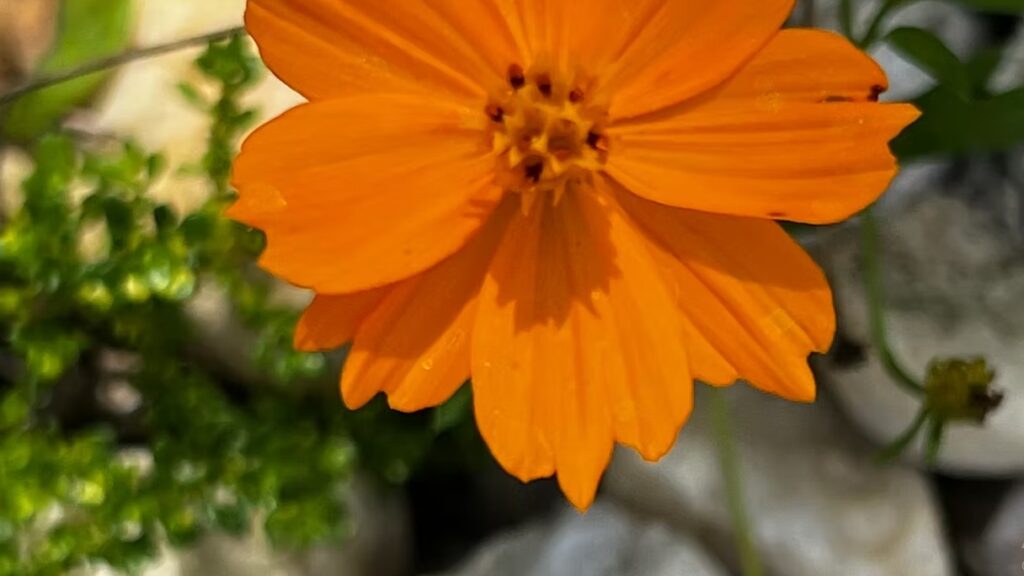
A vibrant orange cosmos blossom brings warm color and delicate beauty to the garden.
Discover how to grow Dark Red Cosmos with this complete gardening guide. Learn about planting, care, companion planting, pollinator benefits, culinary uses, harvesting, seed saving, and landscaping ideas for these beautiful burgundy blooms. There is something truly captivating about Dark Red Cosmos. Their velvety burgundy petals seem to dance in the breeze, creating a display that is both elegant and effortless. While many summer flowers demand constant attention, Dark Red Cosmos quietly rewards gardeners with months of spectacular blooms while asking for very little in return. Whether you are creating a colorful cottage garden, filling raised beds with pollinator-friendly flowers, designing a cutting garden, or simply adding beauty to your vegetable garden, Dark Red Cosmos is a wonderful choice. These graceful annuals are easy to grow, bloom continuously from summer through the first frost, and attract countless beneficial insects that help your entire garden flourish. One of the best qualities of Dark Red Cosmos is its versatility. It looks just as beautiful growing beside herbs and vegetables as it does lining a garden path or filling decorative containers on a sunny patio. The rich burgundy blooms provide dramatic contrast against green foliage and pair beautifully with flowers in shades of white, pink, orange, yellow, and purple. In this guide, you will learn everything you need to know about growing Dark Red Cosmos, from planting and care to companion planting, pollinator benefits, culinary uses, and ideas for incorporating these stunning flowers into your landscape. What Is Dark Red Cosmos? Dark Red Cosmos is a beautiful variety of Cosmos bipinnatus, an annual flowering plant native to Mexico. It is admired for its rich crimson to deep burgundy flowers that resemble delicate daisies resting atop long, slender stems. The finely divided, feathery foliage gives the plant an airy appearance that softens garden beds while allowing neighboring plants to shine. Mature plants typically grow between 3 and 5 feet tall, making them ideal for adding height and texture without overwhelming smaller flowers. Unlike many ornamental flowers that bloom for only a few weeks, Dark Red Cosmos continues producing blossoms for months. With regular deadheading or harvesting, new flowers appear continuously throughout the growing season, providing fresh color until frost finally ends the display. Their elegant appearance makes them equally at home in formal landscapes, relaxed cottage gardens, wildflower meadows, and productive vegetable gardens. Why Gardeners Love Dark Red Cosmos There is a reason Dark Red Cosmos has remained a favorite among gardeners for generations. It is one of the easiest annual flowers to grow, making it an excellent choice for beginners while still impressing experienced gardeners with its beauty and reliability. The plants grow quickly from seed, require very little maintenance, tolerate periods of drought, and rarely suffer from serious pest or disease problems. Their continuous blooms provide reliable color throughout the hottest months of summer when many other flowers begin to fade. Dark Red Cosmos also serves an important purpose beyond its beauty. The nectar-rich flowers attract bees, butterflies, hoverflies, and other beneficial insects that improve pollination throughout the garden. If you grow tomatoes, peppers, squash, cucumbers, herbs, or fruit trees, adding cosmos nearby can help encourage more pollinator activity. Gardeners also appreciate how well these flowers perform as cut flowers. Their long stems make arranging fresh bouquets easy, and frequent harvesting actually encourages even more blooms. Choosing the Perfect Growing Location Dark Red Cosmos thrives in locations that receive full sun throughout most of the day. Providing six to eight hours of direct sunlight encourages strong stems and abundant flowers. Plants grown in partial shade often become taller and produce fewer blooms as they stretch toward available light. One of the most surprising characteristics of cosmos is that they actually perform better in average garden soil than in soil that has been heavily enriched with fertilizer or compost. When soil contains excessive nutrients, the plants often produce lush green foliage but relatively few flowers. Moderately fertile, well-drained soil encourages healthier blooming and stronger plants. If your soil drains well and receives plenty of sunshine, Dark Red Cosmos will likely thrive. Planting Dark Red Cosmos Growing Dark Red Cosmos from seed is both simple and rewarding. After the danger of frost has passed in spring, sow seeds directly into prepared garden beds. Scatter the seeds over the soil surface and lightly cover them with a thin layer of soil. Water gently and keep the soil evenly moist until germination. Most seeds sprout within seven to fourteen days depending on temperature. For an earlier start, seeds may also be started indoors four to six weeks before the final frost date and transplanted outdoors once temperatures have warmed. When planting multiple seedlings, space them 12 to 18 inches apart. Good spacing improves airflow, reduces disease problems, and allows each plant enough room to develop into a full, bushy specimen. Watering Throughout the Season Young plants appreciate consistent moisture while establishing their roots. Once established, however, Dark Red Cosmos becomes surprisingly drought tolerant. Deep watering once the soil begins drying is generally more beneficial than frequent shallow watering. Avoid constantly wet soil, as excessive moisture may weaken the plants and reduce flowering. During periods of extreme summer heat, occasional supplemental watering helps maintain healthy blooms while reducing stress. Fertilizing Less Often Produces Better Results Many flowering plants benefit from regular feeding, but Dark Red Cosmos is different. Too much fertilizer encourages rapid leaf growth instead of flower production. In most gardens, additional fertilizer is unnecessary. If your soil is especially poor, a light application of balanced fertilizer early in the season is usually sufficient. Allowing the plants to grow naturally often results in stronger stems and significantly more flowers. Keep the Flowers Coming All Summer One of the greatest rewards of growing Dark Red Cosmos is watching fresh blooms appear week after week. The secret is simple. Remove faded flowers regularly before they begin forming seeds. This process, known as deadheading, signals the plant to continue producing new flower buds instead of ending its blooming
Use this Orange Zinnia Growing Guide to learn how to plant, grow, water, deadhead, and care for vibrant orange zinnia flowers. Orange zinnias bring the warmth and brilliance of summer sunshine to garden beds, borders, containers, and cut flower arrangements. Their glowing colors range from soft apricot and peach to vivid tangerine, pumpkin, coral-orange, and fiery copper. Whether you plant one orange variety or combine several shades, these cheerful flowers create an eye-catching display that lasts from summer until frost. Zinnias are fast-growing annual flowers prized for their colorful blooms and relatively easy care. They grow readily from seed, thrive in warm weather, and produce more flowers when the mature blossoms are removed regularly. Orange zinnias also attract butterflies and other visiting pollinators, making them a beautiful addition to pollinator-friendly landscapes. This Orange Zinnia Growing Guide explains how to select, plant, grow, and care for these colorful flowers. With abundant sunshine, well-drained soil, thoughtful watering, and regular harvesting or deadheading, orange zinnias can become some of the most productive flowers in your summer garden. About Orange Zinnia Flowers Orange zinnias are not a single botanical variety. The term describes zinnia cultivars that produce orange, peach, apricot, coral, copper, or flame-colored blossoms. Many popular garden zinnias belong to the species Zinnia elegans, although compact hybrids and other zinnia species are also available. The appearance and mature size of an orange zinnia depend on the variety. Compact plants may remain under a foot tall, while tall cutting varieties can reach several feet in height. Flowers may be single, semidouble, or fully double, with shapes ranging from open daisy-like blooms to rounded pompons and large, dahlia-like flowers. Because growth habits vary considerably, always check the seed packet or plant label before deciding where to place a particular orange zinnia. Short varieties are well suited to edging and containers, while tall plants work beautifully in cutting gardens and toward the middle or back of a sunny border. Choosing an Orange Zinnia Variety Think about plant height, flower size, growth habit, and intended use when selecting an orange zinnia. Compact varieties are practical for patio containers, walkway edges, and small garden spaces. Taller cultivars generally produce longer stems that are more convenient for bouquets. If powdery mildew is a recurring problem in your garden, look for varieties or hybrid series described as disease resistant. Resistance does not guarantee that a plant will remain completely free from disease, but it may improve performance in warm, humid conditions. Flower color may also change subtly as a blossom matures. Some orange zinnias open in saturated tangerine shades and soften as they age, while others combine orange with yellow, red, pink, or coral undertones. Review photographs from more than one source when color consistency is important to your garden design. When to Plant Orange Zinnias Zinnias are warm-season annuals that are sensitive to frost. Plant seeds or transplants outdoors after the danger of frost has passed and the soil has warmed. Cold, wet soil can delay germination and increase the likelihood of seed or seedling problems. Seeds can be sown directly in the garden after the last expected frost. Gardeners in regions with short growing seasons can start them indoors approximately four to six weeks before the anticipated planting date. Zinnias grow quickly and generally do not need a very early indoor start. Young plants should be hardened off before being moved permanently outside. Gradually expose seedlings to outdoor sunlight, wind, and temperature changes over several days. Plant them in the garden once conditions are consistently warm. For a longer display, additional seeds may be sown in intervals during late spring and early summer, provided the local growing season is long enough for the later plants to flower before frost. Selecting the Best Planting Location Orange zinnias perform best in a warm location with full sun. University of Minnesota Extension recommends a site receiving at least eight hours of sun for the strongest performance. A bright location encourages sturdy stems, abundant flowers, and faster drying of the foliage. University of Minnesota Extension Good air circulation is equally important. Avoid crowding zinnias tightly against walls, dense shrubs, or neighboring plants. A spacious planting arrangement helps moisture evaporate from the leaves and may reduce conditions that favor foliar diseases. The ideal soil is fertile enough to support flowering but drains freely after rain or irrigation. Zinnias do not perform well when their roots remain in saturated soil. If the planting area is heavy or compacted, incorporate finished compost to improve its structure. Raised beds can also provide better drainage in challenging locations. How to Plant Orange Zinnia Seeds Prepare the planting area by loosening the soil and removing weeds, rocks, and large clumps. Sow the seeds according to the depth listed on the packet. Many zinnia seeds are planted approximately ¼ inch deep, although the instructions for the selected variety should take priority. Keep the soil consistently moist while the seeds germinate, but do not leave it waterlogged. Once the seedlings develop and begin growing actively, thin them to the recommended spacing. Depending on the cultivar’s mature habit, zinnia spacing may range from approximately 8 to 24 inches. Bushy plants generally require more room than narrow, upright varieties. Thinning can feel wasteful, but overcrowded seedlings compete for light, moisture, and nutrients. Dense growth also restricts airflow and can make disease management more difficult later in the season. Growing Orange Zinnias in Containers Compact orange zinnias make excellent container flowers. Choose a pot with unobstructed drainage holes and fill it with a well-draining container mix. Garden soil is usually too dense for containers and may hold excessive moisture around the roots. Match the container size to the mature size and number of plants. Crowding several vigorous zinnias into a small pot can cause them to dry out quickly while reducing air movement around the foliage. Give each plant enough room to reach its expected width. Container-grown zinnias may need water more frequently than plants growing in the ground, especially during hot
Learn how to plant, grow, and care for orange nasturtiums, including sunlight, soil, watering, container care, harvesting, and edible uses. Orange nasturtiums bring glowing color, rounded green leaves, and a relaxed cottage-garden appearance to beds, borders, containers, and edible landscapes. These cheerful flowers are especially attractive spilling over the side of a window box, filling an open space in a vegetable garden, or weaving through a sunny flower bed. Common garden nasturtiums belong to the genus Tropaeolum. The two types most often grown are trailing nasturtium, Tropaeolum majus, and compact bush nasturtium, Tropaeolum minus. Depending on the variety, the flowers may be soft apricot, golden orange, tangerine, salmon, or deep red-orange. Nasturtiums are valued for more than their beauty. Their flowers and leaves are edible and have a fresh, peppery flavor similar to watercress or arugula. The blossoms can add vivid color to salads, appetizers, pasta, and serving platters. Their easygoing nature also makes them an inviting choice for beginning gardeners. Are Orange Nasturtiums Annuals or Perennials? Nasturtiums are tender perennials in warm climates, but gardeners in colder regions usually grow them as annuals. They are sensitive to frost and generally continue growing and blooming until cold weather ends the season. In frost-free or very mild areas, nasturtiums may live longer and reseed readily. Gardeners in warm regions should monitor spreading plants and unwanted seedlings because nasturtiums can become vigorous under favorable conditions. Choosing the Right Orange Nasturtium Before purchasing seeds, decide whether a compact or trailing growth habit will work best in your garden. Compact varieties form tidy mounds that are well suited to garden borders, raised beds, small spaces, and patio containers. Many remain approximately 6 to 18 inches tall, although the final size depends on the cultivar and growing conditions. Trailing varieties produce longer stems that can spread across the ground or cascade from containers, window boxes, and retaining walls. They can also be guided onto a low support, but they do not have tendrils and may need help staying attached. For an especially colorful planting, look for named varieties with orange, apricot, peach, tangerine, or salmon-colored flowers. Check the seed packet for the plant’s mature size and habit rather than choosing by flower color alone. When to Plant Nasturtium Seeds Plant nasturtium seeds outdoors after the danger of frost has passed and the soil has begun to warm. In many regions, this means sowing them in late spring. Local frost dates and soil conditions are more useful than a fixed calendar date. Seeds can also be started indoors approximately four to six weeks before the expected final spring frost. Nasturtiums can be sensitive to root disturbance, so plantable paper or fiber pots may make it easier to move seedlings into the garden without disrupting their roots. Direct sowing is often the simplest option. The large seeds are easy to handle, and seedlings may emerge in approximately 7 to 10 days when temperature and moisture conditions are favorable. The University of Wisconsin recommends sowing seeds about ½ inch deep and placing plants approximately 10 to 12 inches apart, although spacing should also be adjusted for the selected variety. University of Wisconsin Horticulture Selecting the Best Location Nasturtiums generally flower best in full sun. A location receiving at least six hours of direct sunlight is a helpful starting point, but climate matters. Plants growing in regions with intense summer heat may benefit from protection during the hottest part of the afternoon. Partial shade can help reduce heat stress, but excessive shade may produce long, leafy plants with fewer blossoms. Watch how the plants respond and adjust container placement if flowering slows during extremely hot weather. Good air circulation is also beneficial. Avoid crowding plants tightly against one another, particularly in humid conditions. Soil and Fertilizer Requirements Nasturtiums prefer well-drained soil and often perform beautifully without rich amendments or frequent feeding. Highly fertile soil, especially soil containing abundant nitrogen, can encourage lush leaf production at the expense of flowers. Before planting, loosen compacted soil and correct serious drainage problems. Gardeners working with heavy clay or waterlogged ground may have better results growing nasturtiums in raised beds or containers. Routine fertilization is usually unnecessary unless the soil is extremely poor or a plant shows a confirmed nutrient deficiency. If a nasturtium produces many healthy leaves but very few flowers, excessive fertilizer may be part of the problem. Growing Orange Nasturtiums in Containers Orange nasturtiums make excellent container plants. Compact varieties create full mounds of foliage and flowers, while trailing varieties soften the edges of hanging baskets, window boxes, and tall planters. Choose a container with unobstructed drainage holes and fill it with a well-draining potting mix. Avoid using dense garden soil in containers because it may compact and hold too much water. Container-grown nasturtiums can dry more quickly than plants growing in the ground. Check the soil regularly, especially during hot or windy weather. Water when the upper portion of the potting mix begins to feel dry, then allow excess water to drain completely. Watering Nasturtiums Established nasturtiums tolerate some dryness, but regular watering supports stronger flowering. Water deeply enough to moisten the root zone, then allow the soil surface to begin drying before watering again. The goal is consistent but not saturated soil. Prolonged waterlogging can contribute to weak growth and root problems, while repeated severe wilting may reduce flowering. Direct water toward the soil instead of routinely soaking the foliage. Watering early in the day gives splashed leaves time to dry and may help limit disease problems in humid gardens. Encouraging More Orange Flowers Adequate sunlight, restrained fertilizer use, and regular moisture are the foundations of abundant nasturtium flowers. Harvesting blossoms or removing faded flowers can encourage the plant to continue producing buds rather than directing all its energy toward seed development. If a healthy plant has abundant foliage but few flowers, check its light and fertilizer conditions. Moving a container to a sunnier position or stopping unnecessary feeding may improve flower production. Very hot summer weather
Originally published
March 2026
Updated
August 2026
Reviewed by
Culibloom