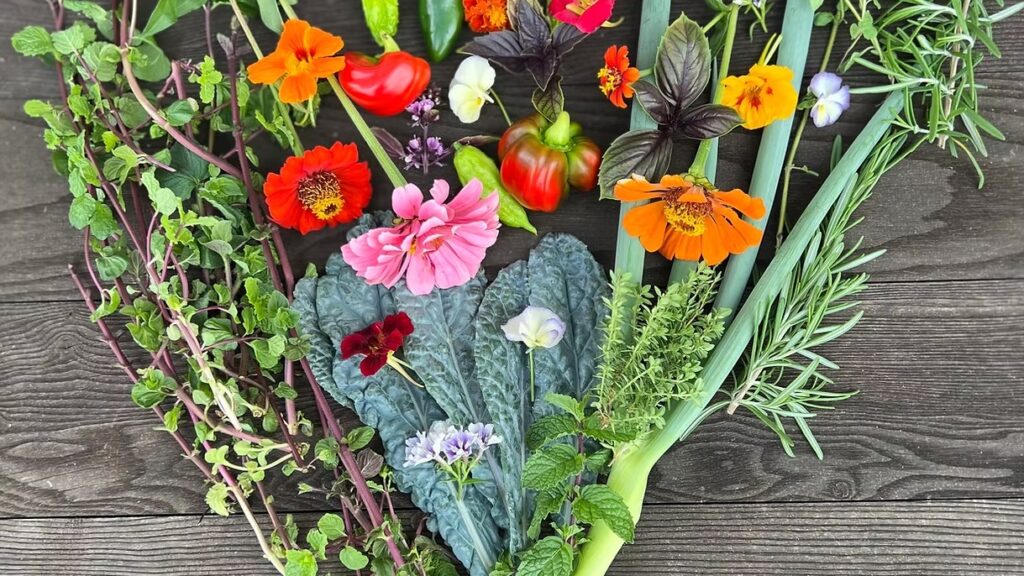
Heart-Shaped Harvest: Zinnia, Kale, Rosemary, Marigold, Scallions, and Viola
Discover the beauty and bounty of a heart-shaped harvest featuring vibrant zinnias, kale, rosemary, marigolds, scallions, and violas. Learn how this colorful garden collection celebrates fresh flavors, edible flowers, and the joy of gardening.
There is something truly special about gathering the day’s harvest and arranging it into a heart. It transforms fresh flowers, herbs, and vegetables into a beautiful expression of gratitude for the garden and the season. A heart-shaped harvest reminds us that gardening is about more than growing food. It is about nurturing life, celebrating nature’s beauty, and sharing the rewards of patience and care.
This colorful harvest combines cheerful zinnias, nutrient-rich kale, fragrant rosemary, sunny marigolds, crisp scallions, and delicate violas. Together, they create a stunning display that captures the diversity and abundance found in a flourishing garden. Every bloom and every leaf tells a story of growth, making this arrangement both visually striking and deeply meaningful.
A Celebration of Garden Diversity
One of the greatest joys of gardening is watching many different plants thrive together. This heart-shaped harvest showcases ornamental flowers alongside edible herbs and vegetables, demonstrating how beauty and functionality can exist side by side.
The bright zinnias provide bold splashes of color that attract butterflies and other beneficial pollinators throughout the growing season. Their vibrant blooms add warmth and energy to the arrangement while reminding gardeners of the important role flowers play in supporting a healthy ecosystem.
Deep green kale brings rich texture and a sense of abundance. Its sturdy leaves symbolize nourishment, making it one of the most rewarding vegetables to grow for both fresh meals and beautiful harvest displays.
Rosemary contributes elegant evergreen foliage and its unmistakable fragrance. Simply brushing against the stems releases aromatic oils that instantly evoke memories of homemade meals and fresh herbs gathered straight from the garden.
Golden marigolds brighten the arrangement with cheerful blossoms that have long been treasured for attracting pollinators and helping create healthy companion planting combinations throughout vegetable gardens.
Fresh scallions introduce graceful green stems that complement the flowers while offering a versatile ingredient for countless recipes. Their upright growth creates visual balance within the heart-shaped design.
Nestled among the larger harvest items, delicate violas provide soft pops of color. These edible flowers add an elegant finishing touch while demonstrating that beauty can also be delicious.
From Garden to Table
One of the most rewarding aspects of this harvest is how many of its ingredients can be enjoyed in the kitchen.
Fresh kale becomes the foundation for nutritious salads, hearty soups, smoothies, and sautéed side dishes. Its mild sweetness develops even further after cooler temperatures, making it a favorite throughout much of the growing season.
Rosemary adds incredible flavor to roasted vegetables, potatoes, chicken, seafood, homemade breads, and infused olive oils. A few freshly picked sprigs can elevate an ordinary meal into something memorable.
Scallions offer a crisp onion flavor that works beautifully in salads, stir-fries, baked potatoes, egg dishes, tacos, pasta, and fresh garnishes.
Violas bring delicate beauty to salads, desserts, cakes, cookies, charcuterie boards, and refreshing beverages. Their edible blooms make everyday dishes feel elegant and garden inspired.
Marigold petals, depending on the edible variety grown, can be sprinkled over salads or used as colorful garnishes, while zinnias continue serving the garden by attracting pollinators rather than appearing on the dinner plate.
The Beauty of Companion Planting
This harvest also represents the benefits of thoughtful companion planting.
Marigolds are well known for attracting beneficial insects while helping create a balanced garden environment. Zinnias continuously invite bees, butterflies, and other pollinators that support vegetable production throughout the season.
Rosemary’s aromatic foliage naturally complements nearby vegetables and herbs while filling the garden with its pleasant scent. Kale benefits from thriving pollinator populations nearby, and scallions fit beautifully among mixed plantings, making efficient use of available garden space.
Together, these plants create a vibrant ecosystem where flowers, herbs, and vegetables support one another while providing continuous interest from planting through harvest.
Harvesting at the Perfect Time
Harvesting each crop at its peak ensures maximum beauty and freshness.
Cut zinnias early in the morning after the dew has dried for the longest vase life. Pick kale leaves while they are young, crisp, and richly colored. Harvest rosemary by snipping tender stems without removing too much growth from any one plant. Gather marigolds as soon as blossoms fully open, collect scallions before they become overly large, and pick violas shortly after opening while the petals remain fresh and vibrant.
Freshly harvested plants not only taste better but also maintain their color and texture longer when displayed together.
A Heart That Reflects the Garden
Arranging these harvests into a heart serves as a reminder that every garden grows more than vegetables and flowers. It grows memories, traditions, patience, and appreciation for nature’s incredible generosity.
Each colorful bloom represents the pollinators that visited throughout the season. Every herb reflects months of steady growth, while every leafy vegetable reminds us of the satisfaction that comes from harvesting food grown with care.
Whether displayed as a centerpiece, photographed to celebrate the season, or shared with family and friends, this heart-shaped harvest becomes a lasting symbol of gratitude for the garden’s abundance.
Gardening has a unique way of bringing beauty and nourishment together. This simple heart arrangement captures that connection perfectly, celebrating not only the harvest itself but also the love, dedication, and joy that make every growing season worthwhile.
Fresh herbs, vegetables, and vibrant flowers form a beautiful heart celebrating the colors of a homegrown garden harvest.
Learn how to harvest kale, peppers, and fresh herbs using garden clippers and a simple colander. Discover easy garden harvest tips to keep plants healthy, boost production, and enjoy fresh garden-to-table ingredients all season long. Harvesting fresh vegetables and herbs is one of the most rewarding parts of maintaining a home garden. Whether you are growing curly kale, sweet bell peppers, hot peppers, basil, parsley, rosemary, or thyme, knowing how to harvest them properly helps keep your plants healthy and productive throughout the growing season. One of the easiest and most practical ways to gather your harvest is with a pair of sharp garden clippers and a simple kitchen colander. While many gardeners use traditional harvest baskets, a colander offers several unique advantages. It is lightweight, easy to carry, allows loose soil to fall away naturally, and can go directly from the garden to the sink for washing fresh produce. If you are looking for an easy garden harvest method that saves time while protecting your plants, harvesting kale, peppers, and herbs with garden clippers and a colander is a simple solution that every gardener can appreciate. Why Proper Harvesting Matters Learning how to harvest vegetables correctly is just as important as learning how to grow them. Proper harvesting encourages plants to continue producing, reduces stress on stems and branches, and helps prevent unnecessary damage that can slow future growth. Garden clippers create clean, precise cuts that heal quickly, unlike twisting or pulling vegetables by hand. Clean cuts also reduce the risk of introducing diseases into your vegetable garden, especially when clippers are sanitized between plants. Regular harvesting keeps many vegetables and herbs actively producing, allowing you to enjoy fresh ingredients from your garden for weeks or even months. How to Harvest Kale Kale is one of the easiest leafy greens to grow because it produces continuously when harvested correctly. Rather than removing the entire plant, harvest the large outer leaves first while leaving the smaller center leaves untouched. This allows the growing crown to continue producing new foliage. Choose leaves that are dark green, crisp, and fully developed. Avoid removing more than one-third of the plant at one time, giving it plenty of energy to produce another flush of healthy leaves. Fresh garden kale is incredibly versatile and can be used in smoothies, salads, soups, casseroles, pasta dishes, stir-fries, and homemade kale chips. Harvesting kale regularly not only provides a steady supply of nutritious greens but also encourages stronger, healthier plants throughout the season. How to Harvest Garden Peppers Whether you grow sweet bell peppers, jalapeños, banana peppers, cayenne peppers, or colorful heirloom varieties, harvesting peppers correctly helps maximize production. Never pull peppers from the plant. Instead, use garden clippers to cut the stem about one inch above the pepper. Pulling can snap branches or damage developing fruit. Green peppers can be harvested early for a crisp texture, while allowing peppers to mature produces sweeter flavors and brilliant shades of red, orange, yellow, purple, or chocolate, depending on the variety. Frequent harvesting encourages pepper plants to continue flowering and producing new fruit well into the growing season. Fresh peppers are perfect for grilling, roasting, stuffing, freezing, dehydrating, making homemade salsa, adding to salads, or preserving through pickling. How to Harvest Fresh Herbs Fresh culinary herbs are among the easiest and most rewarding plants to harvest. Regular trimming actually improves growth by encouraging plants to become fuller and bushier. For the best flavor, harvest herbs during the morning after the dew has dried but before the afternoon heat begins. At this time, the essential oils responsible for flavor and aroma are often at their highest concentration. Popular herbs to harvest include basil, parsley, oregano, thyme, rosemary, sage, mint, cilantro, dill, and chives. Always trim stems just above a set of leaves rather than cutting randomly. This encourages branching and continuous production throughout the season. Fresh herbs can be enjoyed immediately or preserved by drying, freezing, or infusing them into oils, vinegars, and compound butters. Why a Colander Is the Perfect Harvest Basket Many gardeners already have the perfect harvest basket sitting in their kitchen. A colander offers excellent airflow that helps keep leafy greens cool while you continue harvesting throughout the garden. Its drainage holes allow loose soil and garden debris to fall away naturally, making cleanup much easier. Unlike solid buckets, a colander also prevents moisture from collecting around freshly picked vegetables and herbs, helping maintain their freshness until they are washed. Once harvesting is complete, simply rinse your produce directly in the same colander before bringing it into the kitchen. It is an inexpensive, practical tool that works beautifully for everyday harvesting. Garden Harvest Tips for Healthier Plants Harvest during the cooler morning hours whenever possible. Use clean, sharp garden clippers for every harvest. Harvest kale from the outer leaves inward. Cut peppers from the stem instead of pulling them. Never remove more than one-third of an herb plant during a single harvest. Inspect plants regularly for insects, diseases, or damaged foliage. Harvest often to encourage continuous vegetable production. Wash produce shortly after harvesting and store it properly for maximum freshness. Enjoy the Freshest Garden-to-Table Harvest There is something incredibly satisfying about walking into your garden with nothing more than a pair of garden clippers and a colander, then returning to your kitchen with a colorful collection of fresh kale, ripe peppers, and fragrant herbs. Homegrown produce offers exceptional flavor, beautiful color, and peak freshness that simply cannot be matched by store-bought vegetables. Every harvest represents weeks of care and attention, making each meal even more rewarding. Whether you are preparing a crisp salad, homemade soup, roasted vegetables, herb butter, fresh salsa, pasta dishes, or your favorite family recipe, harvesting directly from your garden allows you to enjoy ingredients at their absolute best. By harvesting regularly and using proper techniques, your kale, peppers, and herbs will continue producing throughout the growing season, providing a steady supply of delicious garden-fresh ingredients from your backyard to your table. Frequently
Learn how to grow scallions at home, from planting seeds and caring for containers to watering, harvesting, regrowing, and storing fresh green onions. Scallions are among the easiest and most rewarding vegetables to grow at home. Their slender green leaves, crisp white stems, and mild onion flavor make them a versatile addition to salads, soups, stir-fries, eggs, baked potatoes, dips, and countless other dishes. Because scallions require very little space, they are an excellent choice for garden beds, raised beds, patio containers, and sunny balcony gardens. Also called green onions or bunching onions, true scallions are typically harvested before they develop large bulbs. Many bunching varieties, including Allium fistulosum, naturally produce long white stems and hollow green leaves instead of rounded bulbs. Young plants from bulbing onion varieties may also be harvested early and used as green onions. With the right sunlight, soil, and consistent moisture, scallions can provide a steady harvest through much of the growing season. Succession planting makes it possible to enjoy tender, flavorful stalks for months, while careful harvesting may allow established bunching varieties to produce additional leaves. Why Grow Scallions at Home? Homegrown scallions are wonderfully fresh and convenient. Instead of purchasing a full bunch every time a recipe calls for a small amount, you can harvest only what you need. Freshly picked scallions tend to have firm stems, bright green leaves, and a clean onion flavor. These compact plants are especially useful for small-space gardens. They can grow between larger vegetables, along the edge of an herb garden, or in containers close to the kitchen. Their narrow, upright foliage allows gardeners to fit a generous number of plants into a relatively small area. Scallions are also suitable for new gardeners because they grow quickly and do not require complicated pruning, staking, or training. Their main needs are sunlight, well-drained soil, steady moisture, and early weed control. Choosing the Right Type of Scallion For long, straight stems without large bulbs, look for seeds labeled bunching onion, scallion, or green onion. Evergreen White Bunching is a familiar choice, but seed catalogs offer many varieties with different levels of cold tolerance, color, and flavor. True bunching onions are often grown specifically for their stems and leaves. They may remain in the garden longer than bulbing onions without forming pronounced round bulbs. Some varieties can also develop clumps when allowed to mature. Regular bulbing onions can be harvested young and eaten as green onions. This is a practical way to use seedlings removed while thinning a closely planted onion row. However, their growth habit and eventual shape may differ from varieties bred specifically for scallion production. When selecting seeds or transplants, consider your local growing season and whether you want a single harvest or a longer-lasting planting. A local garden center or Cooperative Extension office can help identify varieties suited to your climate. When to Plant Scallions Scallions are cool-season vegetables that can usually be planted in early spring as soon as the soil is workable. The exact timing depends on local weather, soil conditions, and the variety being grown. Seeds can be started indoors about four weeks before the expected outdoor planting date. Starting them indoors may provide an earlier harvest, particularly in regions with a short spring season. Seedlings should be gradually acclimated to outdoor conditions before transplanting. Direct sowing is another simple option. Additional small plantings can be made every two to three weeks while conditions remain suitable. This succession-planting approach helps prevent the entire crop from becoming ready at once. In many climates, scallions may also be sown in midsummer for a fall harvest. Some bunching varieties tolerate light frost, but cold tolerance varies. Gardeners interested in overwintering scallions should choose an appropriate hardy variety and follow local recommendations for planting and winter protection. Selecting the Best Growing Location Scallions grow best in full sun. A location receiving at least six hours of direct sunlight generally supports strong, upright leaves and steady growth. In very warm climates, some afternoon shade may help reduce heat stress, but excessive shade can result in thin or weak plants. Choose an area with fertile, well-drained soil. Scallion roots need moisture, but they should not remain in waterlogged ground. If the garden has heavy clay soil or drains slowly, planting in a raised bed or container can make moisture management easier. Avoid planting scallions in an area where onions, garlic, leeks, or related crops recently experienced serious pest or disease problems. Rotating crops can help interrupt the life cycles of certain soilborne diseases and insects. Preparing the Soil Loose, crumbly soil encourages healthy roots and makes scallions easier to pull at harvest. Before planting, remove weeds, stones, and compacted clumps. Incorporate finished compost if the soil needs more organic matter, but avoid adding fresh manure directly before planting. Scallions prefer fertile soil, although fertilizer requirements vary with existing soil conditions. A soil test is the best way to determine whether nutrients are needed. If fertilizer is recommended, follow the product directions and local guidance. Applying too much nitrogen can produce excessive leafy growth and may contribute to weak plants or environmental runoff. For containers, use a fresh, lightweight potting mix rather than dense garden soil. A quality potting mix retains enough moisture for growth while allowing excess water to drain. How to Plant Scallion Seeds Sow scallion seeds approximately ¼ to ½ inch deep. Seeds may be planted in a narrow band or a shallow row. Keep the soil evenly moist while they germinate, since allowing the seedbed to dry completely can interfere with emergence. Once the seedlings are large enough to handle, thin them to approximately one inch apart when the goal is to harvest slender scallions. Greater spacing may be helpful for mature bunching plants or varieties that develop thicker stems. Check the seed packet because recommendations can vary. Rows can be spaced about 12 to 18 inches apart when using a traditional garden layout. In raised beds and containers, rows may be arranged more closely
Discover the fresh flavors of a Heart Harvest Salad made with crisp radishes, juicy tomatoes, peppery arugula, tender kale, and fragrant tarragon. This colorful garden-to-table salad is healthy, naturally gluten-free, and perfect for any occasion. Heart Harvest Salad: Bringing the Garden to Your Table There is nothing quite like walking into the garden with a basket in hand and returning with the ingredients for a meal that is bursting with freshness. Every season offers its own treasures, and few dishes showcase them better than a simple garden salad. This Heart Harvest Salad is a celebration of colorful vegetables, leafy greens, and fragrant herbs that come together to create a meal that is both beautiful and nourishing. With every bite, you will enjoy the crisp crunch of freshly picked radishes, the juicy sweetness of ripe tomatoes, the peppery kick of arugula, the hearty texture of kale, and the delicate herbal notes of fresh tarragon. Each ingredient has its own personality, yet together they create a balanced salad that feels light, refreshing, and satisfying. Whether you grow your own vegetables, visit a local farmers market, or simply enjoy seasonal produce from the grocery store, this salad is an easy way to bring the flavors of the garden to your table. A Salad That Celebrates Fresh Ingredients One of the best things about this salad is that it allows every ingredient to shine. There is no need for heavy dressings or complicated techniques. Fresh, high-quality produce does all the work. The brilliant red radishes add a crisp texture and a gentle peppery bite that wakes up the palate. Sweet tomatoes provide bursts of juicy flavor that perfectly balance the greens. Arugula contributes its signature peppery taste, while kale adds heartiness and an abundance of nutrients. Finally, fresh tarragon introduces a subtle hint of anise that gives the salad an elegant finish without overwhelming the other ingredients. It is a combination that feels simple yet sophisticated, making it equally at home on a casual lunch table or served alongside an elegant dinner. Why You Will Love This Salad This Heart Harvest Salad is naturally gluten-free and filled with wholesome ingredients that are as nutritious as they are flavorful. It comes together in just a few minutes, making it perfect for busy weekdays, leisurely weekend lunches, or entertaining guests. Because it relies on fresh produce rather than processed ingredients, every serving is packed with vibrant colors, crisp textures, and naturally delicious flavors. It is also incredibly versatile, allowing you to customize it based on what is growing in your garden or what is in season. Best of all, it is a salad that never feels boring. Every bite offers something different, from crunchy radishes and juicy tomatoes to tender greens and fragrant herbs. The Stars of the Garden Radishes Fresh radishes are often one of the earliest vegetables to be harvested from the garden. Their crisp texture and mild peppery flavor add excitement to every bite while their bright color makes the salad visually appealing. Tomatoes Few ingredients capture the taste of summer quite like a perfectly ripe tomato. Whether you choose cherry tomatoes, heirloom varieties, grape tomatoes, or Roma tomatoes, their natural sweetness adds balance and freshness to the salad. Arugula Arugula brings a lively peppery flavor that complements both the tomatoes and radishes. Its tender leaves create a light texture while adding depth to the overall flavor profile. Kale Kale provides substance and nutrition, making the salad more filling without feeling heavy. Lightly massaging the leaves with a drizzle of olive oil softens their texture and makes them wonderfully tender. Tarragon Fresh tarragon is often overlooked, yet it is one of the herbs that can completely transform a simple salad. Its delicate herbal aroma and subtle notes of licorice create a unique flavor that pairs beautifully with leafy greens and ripe tomatoes. A Light Dressing That Lets the Produce Shine Instead of masking the fresh vegetables with a rich dressing, this salad benefits from a simple homemade lemon vinaigrette. A combination of extra-virgin olive oil, fresh lemon juice, Dijon mustard, honey, sea salt, and freshly ground black pepper creates a bright, tangy dressing that enhances every ingredient while allowing the garden-fresh flavors to remain the focus. Perfect for Every Season Although this salad shines during the height of summer, it can easily be adapted throughout the year. In spring, add edible flowers such as nasturtiums or calendula petals for extra color. During summer, include cucumbers, sweet peppers, or freshly picked strawberries. Autumn is the perfect time to add crisp apples, roasted squash, or toasted pecans. In winter, roasted beets, citrus segments, or pomegranate arils bring warmth and vibrant seasonal color. This flexibility makes the Heart Harvest Salad one you can enjoy nearly year-round. Serving Ideas This salad is wonderfully versatile and pairs beautifully with countless meals. Serve it alongside grilled chicken, roasted salmon, shrimp, or steak for a complete dinner. It also complements gluten-free pasta dishes, homemade soups, quiche, or roasted vegetables. For entertaining, it makes an elegant first course that is both colorful and refreshing. If you would like to make it even more filling, top it with avocado slices, toasted pumpkin seeds, sunflower seeds, shaved Parmesan, or crumbled gluten-free feta cheese. Garden Fresh Is Always Best Harvesting vegetables just before preparing a meal is one of the greatest rewards of gardening. Radishes are at their sweetest when picked young, tomatoes develop their richest flavor when allowed to ripen on the vine, and leafy greens stay crispest when harvested during the cool morning hours. Fresh tarragon should be snipped just before serving to preserve its delicate aroma, while kale benefits from a quick massage with olive oil to soften the leaves and enhance their flavor. These simple touches elevate the salad from ordinary to unforgettable. A Salad That Nourishes Body and Soul Beyond its beautiful appearance, the Heart Harvest Salad is packed with nutrients. Tomatoes provide lycopene and vitamin C, radishes offer antioxidants and fiber, kale supplies vitamins A, C, and
Originally published
March 2026
Updated
August 2026
Reviewed by
Culibloom