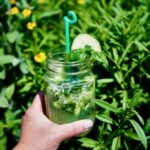
Best Substitutes for Hard Cider in Cooking and Baking: Easy Alcohol-Free Alternatives
Find the best substitutes for hard cider in cooking and baking. Explore alcohol-free alternatives, easy replacement ratios, and tips for delicious results.
Hard cider brings a wonderful balance of crisp apple flavor, gentle sweetness, and refreshing acidity to recipes. Whether you are preparing a savory pork roast, a comforting autumn stew, a flavorful pan sauce, or a delicious apple-inspired dessert, hard cider can add depth and complexity that makes a dish especially memorable.
But what happens when a recipe calls for hard cider and you do not have any on hand? Perhaps you prefer cooking without alcohol, want to use ingredients already in your kitchen, or simply need a quick replacement that will not compromise the flavor of your dish.
Fortunately, there are several excellent substitutes for hard cider in cooking and baking, and many are ingredients you probably already have in your pantry or refrigerator.
From fresh apple cider and unsweetened apple juice to sparkling apple cider and carefully balanced combinations of fruit juice and vinegar, these alternatives can provide the sweetness, acidity, and fruity character that make hard cider such a versatile cooking ingredient.
The secret is choosing the right substitute for your recipe. Some alternatives work beautifully in savory dishes, while others are better suited for baking, marinades, sauces, and desserts.
Let us explore the best hard cider replacements, how to use them, and the simple ratios that make substituting easy.
What Is Hard Cider?
Hard cider is an alcoholic beverage made by fermenting apple juice. During fermentation, yeast converts naturally occurring sugars into alcohol, creating a beverage with a distinctive balance of apple flavor, acidity, and varying levels of sweetness.
Unlike fresh apple cider, which is typically unfiltered, unfermented apple juice, hard cider develops additional flavors through fermentation.
Depending on the apples used and the fermentation process, hard cider can range from dry and crisp to sweet and fruit-forward.
When used in cooking, hard cider contributes several important qualities.
Apple Flavor: Hard cider adds a subtle fruity character that complements both sweet and savory ingredients.
Acidity: Its natural acidity helps balance rich dishes, brighten sauces, and complement marinades.
Sweetness: Depending on the variety, hard cider provides gentle sweetness that enhances roasted vegetables, meats, and desserts.
Depth of Flavor: Fermentation introduces additional complexity that ordinary apple juice may not provide.
Liquid: Hard cider also contributes moisture to braises, stews, batters, and sauces.
Understanding these qualities makes it easier to choose a replacement that preserves the intended flavor and texture of your recipe.
1. Fresh Apple Cider: The Best Overall Substitute for Hard Cider
Fresh apple cider is one of the easiest and most versatile substitutes for hard cider.
Made from pressed apples, fresh apple cider has a naturally rich apple flavor and often retains some of the fruit’s natural cloudiness and complexity.
Because it is not fermented, fresh apple cider contains no alcohol, making it an excellent alternative for recipes where you want apple flavor without using an alcoholic beverage.
Its natural sweetness is usually more pronounced than that of dry hard cider, so a small adjustment may be helpful in savory dishes.
Best Uses for Fresh Apple Cider
Fresh apple cider works beautifully in roasted pork, chicken dishes, autumn stews, glazes, sauces, braised vegetables, and baked desserts. Its full apple flavor makes it especially appealing in recipes featuring cinnamon, rosemary, thyme, sage, and other seasonal herbs and spices.
Hard Cider Replacement Ratio
For every 1 cup of hard cider, use:
1 cup fresh apple cider
For savory recipes that call for dry hard cider, consider adding 1 to 2 teaspoons of apple cider vinegar to balance the additional sweetness.
Start with the smaller amount and adjust according to the other ingredients.
Culibloom Tip: Choose unsweetened fresh apple cider whenever possible. Apple cider that contains added sugar or spices may change the flavor of your finished dish.
2. Unsweetened Apple Juice: The Best Pantry-Friendly Substitute
Unsweetened apple juice is another excellent alternative when hard cider is unavailable.
Although apple juice generally has a lighter, sweeter flavor than hard cider, it still provides the apple character that many recipes need.
It is especially convenient because bottled apple juice is widely available and easy to keep on hand.
For recipes that require a little more acidity, adding apple cider vinegar can help create a more balanced replacement.
Best Uses for Apple Juice
Unsweetened apple juice is a wonderful choice for marinades, braised chicken, pork tenderloin, fruit-based sauces, muffins, cakes, and other baked goods.
It also works well in recipes where hard cider is used primarily to add moisture and subtle apple flavor.
Hard Cider Replacement Ratio
For every 1 cup of hard cider, use:
1 cup unsweetened apple juice
For savory recipes, add 1 to 2 teaspoons of apple cider vinegar if additional acidity is needed.
This combination is particularly useful when replacing dry hard cider in a recipe.
Culibloom Tip: Look for 100% apple juice without added sugar. Naturally sweet apple juice may require reducing other sweeteners in your recipe.
3. Sparkling Apple Cider: The Best Substitute for Light, Fruity Flavor
Sparkling apple cider is a refreshing alternative that provides apple flavor along with gentle carbonation.
Most sparkling apple ciders sold as nonalcoholic beverages are made with carbonated apple juice rather than fermented cider.
The bubbles can make sparkling cider a particularly appealing replacement in beverages and certain recipes.
However, the carbonation gradually disappears during cooking, so it does not significantly change the texture of sauces, stews, or braises.
Best Uses for Sparkling Apple Cider
Sparkling apple cider works well in light sauces, fruit glazes, poached fruit, holiday dishes, and recipes that benefit from a delicate apple flavor.
It can also be used in certain batters, although it is important to remember that carbonation alone does not replace the leavening ingredients required in a baking recipe.
Hard Cider Replacement Ratio
For every 1 cup of hard cider, use:
1 cup nonalcoholic sparkling apple cider
If the sparkling cider is particularly sweet, consider adding 1 teaspoon of apple cider vinegar to savory recipes.
Culibloom Tip: Use freshly opened sparkling cider when preparing recipes that specifically benefit from carbonation. For long-cooked dishes, the bubbles will dissipate, but the apple flavor will remain.
4. Apple Juice and Apple Cider Vinegar: The Best Substitute for Dry Hard Cider
When a recipe specifically calls for dry hard cider, combining unsweetened apple juice with a small amount of apple cider vinegar is one of the most effective alcohol-free replacements.
Dry hard cider contains less residual sugar than sweet hard cider and often has a sharper, more acidic flavor.
Apple juice provides the fruity foundation, while apple cider vinegar contributes the acidity needed to balance the sweetness.
This combination is particularly useful in savory cooking.
Best Uses for Apple Juice and Apple Cider Vinegar
This substitute works especially well in pork roasts, braised chicken, pan sauces, savory glazes, slow-cooked dishes, and recipes featuring onions, garlic, or fresh herbs.
The added acidity can help balance rich ingredients without overwhelming the natural apple flavor.
Hard Cider Replacement Ratio
For every 1 cup of dry hard cider, use:
1 cup unsweetened apple juice 1 to 2 teaspoons apple cider vinegar
Combine the ingredients before adding them to your recipe.
Begin with 1 teaspoon of vinegar, then adjust to taste.
Culibloom Tip: Avoid adding too much vinegar at once. The goal is to recreate the balanced acidity of hard cider, not introduce a strong vinegar flavor.
5. White Grape Juice: The Best Mild Fruit Substitute
White grape juice is a useful alternative when apple-based ingredients are unavailable.
Although it does not provide the distinctive flavor of apples, it offers a delicate fruitiness that can complement many of the same ingredients used with hard cider.
White grape juice is generally sweeter than dry hard cider, so it works best in recipes where a little additional sweetness will not be distracting.
Best Uses for White Grape Juice
White grape juice is suitable for poultry dishes, fruit sauces, poached pears, lightly sweetened glazes, and desserts.
Its mild flavor also makes it a convenient option when you want the other ingredients in a recipe to remain prominent.
Hard Cider Replacement Ratio
For every 1 cup of hard cider, use:
1 cup unsweetened white grape juice
For savory recipes, add 1 to 2 teaspoons of apple cider vinegar or fresh lemon juice to introduce acidity.
Culibloom Tip: Choose white grape juice without added sugar whenever possible. Taste your dish before adding additional sweeteners.
6. Vegetable Broth and Apple Cider Vinegar: The Best Low-Sweetness Substitute
Not every recipe needs the sweetness of apple juice or fresh cider.
For savory dishes where hard cider contributes acidity and cooking liquid rather than a pronounced apple flavor, vegetable broth can be an excellent alternative.
Adding a small amount of apple cider vinegar helps brighten the broth and provides some of the acidity associated with fermented cider.
This combination does not reproduce hard cider’s fruity character, but it can work beautifully in dishes with vegetables, herbs, and savory seasonings.
Best Uses for Vegetable Broth
Vegetable broth works well in savory stews, braised vegetables, roasted chicken, mushroom dishes, and pan sauces.
It is especially useful when the recipe already contains sweet ingredients such as apples, pears, caramelized onions, or roasted squash.
Hard Cider Replacement Ratio
For every 1 cup of hard cider, use:
1 cup low-sodium vegetable broth 1 to 2 teaspoons apple cider vinegar
Mix the ingredients before adding them to your recipe.
Culibloom Tip: Low-sodium vegetable broth gives you greater control over the final seasoning. If you want a little apple flavor, replace 1/4 cup of the broth with unsweetened apple juice.
7. Pear Juice: A Delicate Alternative to Hard Cider
Pear juice is a lovely substitute for hard cider when you want a soft, fruity flavor with natural sweetness.
Although pears have a different flavor profile from apples, they share enough characteristics to work well in many recipes that call for cider.
Pear juice is especially appealing in dishes featuring autumn fruits, warm spices, and delicate herbs.
Best Uses for Pear Juice
Pear juice complements roasted pork, poultry, fruit glazes, poached fruit, cakes, and desserts.
It is particularly delicious with ginger, cinnamon, vanilla, rosemary, and thyme.
Hard Cider Replacement Ratio
For every 1 cup of hard cider, use:
1 cup unsweetened pear juice
For savory dishes, add 1 to 2 teaspoons of apple cider vinegar if needed.
Culibloom Tip: Pear juice can be sweeter than dry hard cider. When using it in glazes or sauces, taste before adding honey, maple syrup, or brown sugar.
8. Nonalcoholic Cider: The Closest Flavor Alternative When Available
Some producers offer alcohol-free or nonalcoholic versions of fermented cider.
These beverages may retain some of the flavor characteristics associated with traditional hard cider, making them an appealing alternative for recipes that depend on a more complex cider flavor.
However, products vary considerably in sweetness, acidity, and production methods.
Some are made from unfermented apple juice, while others are produced using fermentation followed by alcohol removal.
It is also important to distinguish between beverages labeled alcohol-free and those labeled nonalcoholic, as some nonalcoholic products may contain trace amounts of alcohol.
Best Uses for Nonalcoholic Cider
Nonalcoholic cider can work well in braised meats, pan sauces, glazes, stews, and recipes where cider flavor plays a central role.
Hard Cider Replacement Ratio
For every 1 cup of hard cider, use:
1 cup alcohol-free or nonalcoholic cider
Taste the cider before using it and adjust the recipe’s sweetness or acidity if necessary.
Culibloom Tip: If you need to avoid alcohol completely, check the product label carefully and choose a beverage explicitly labeled 0.0% alcohol by volume.
How to Choose the Best Hard Cider Substitute for Your Recipe
Choosing the right replacement depends on how hard cider contributes to the finished dish.
A savory recipe that uses dry hard cider may need a different substitute than a dessert that calls for a sweeter variety.
Here are some helpful considerations.
For Pork and Chicken Recipes
Fresh apple cider or unsweetened apple juice with a little apple cider vinegar is usually the best choice.
These ingredients complement the natural flavors of pork and poultry while providing the fruity acidity commonly associated with cider-based sauces.
For recipes featuring rosemary, thyme, or sage, fresh apple cider is particularly appealing.
For Stews and Braised Dishes
Fresh apple cider works well when you want a noticeable apple flavor.
If you prefer a more savory result, vegetable broth with a small amount of apple cider vinegar is another excellent choice.
Remember that long cooking times concentrate flavors, so sweet juices may become more pronounced as the liquid reduces.
For Baking
Unsweetened apple juice or fresh apple cider is generally the easiest replacement.
Both provide moisture and fruit flavor without introducing the sharpness of vinegar.
For cakes, muffins, quick breads, and fruit desserts, a direct 1:1 substitution usually works well.
If the original recipe uses hard cider to activate baking soda through its acidity, the substitution may require an additional adjustment to preserve the intended leavening.
For Sauces and Glazes
Fresh apple cider, apple juice with vinegar, or pear juice can all work beautifully.
Choose a substitute based on the desired balance of sweetness and acidity.
When preparing a reduced glaze, begin with less added sugar than the original recipe requires. You can always add more after the sauce has thickened.
For Marinades
Unsweetened apple juice with a small amount of apple cider vinegar is a practical choice.
The juice adds fruit flavor, while the vinegar contributes acidity.
Keep in mind that adding more vinegar does not necessarily improve a marinade. Excessive acidity can affect the texture of certain ingredients, particularly when marinating for extended periods.
Can You Substitute Apple Cider Vinegar for Hard Cider?
Apple cider vinegar and hard cider are not interchangeable in equal amounts.
Although both originate from apples, they have very different levels of acidity.
Hard cider is a fermented alcoholic beverage, while apple cider vinegar undergoes additional fermentation that converts alcohol into acetic acid.
As a result, apple cider vinegar has a much sharper flavor.
Replacing 1 cup of hard cider with 1 cup of apple cider vinegar would make most recipes unpleasantly acidic.
Instead, use a small amount of vinegar combined with apple juice, fresh apple cider, or broth.
For most savory recipes, 1 to 2 teaspoons of apple cider vinegar per cup of replacement liquid is a reasonable starting point.
Taste and adjust as needed.
Can You Use Apple Juice Instead of Hard Cider in Baking?
Yes, apple juice is one of the easiest substitutes for hard cider in baking.
Because both ingredients contribute liquid and apple flavor, unsweetened apple juice can often replace hard cider in equal amounts.
This works particularly well in apple cakes, muffins, quick breads, fruit desserts, and certain glazes.
However, there are a few differences worth considering.
Hard cider may be less sweet than apple juice, especially when the recipe calls for a dry variety.
Using apple juice can therefore make the finished baked good slightly sweeter.
Hard cider also contains acidity and fermentation-derived flavors that apple juice does not fully reproduce.
In most simple baking recipes, these differences are relatively minor. However, recipes that rely on the acidity or carbonation of hard cider may require additional adjustments.
For the most predictable results, use unsweetened apple juice and avoid changing several other ingredients at the same time.
Is Hard Cider Gluten-Free?
Traditional hard cider made entirely from fermented apples is naturally gluten-free.
However, not every commercially produced hard cider is necessarily suitable for someone following a gluten-free diet.
Some flavored ciders or specialty beverages may contain gluten-containing ingredients, including barley malt.
Cross-contact during production may also be a consideration.
If you are purchasing hard cider for a gluten-free recipe, check the ingredient list and look for gluten-free labeling when available.
The alcohol-free alternatives discussed in this guide, including pure apple juice, fresh apple cider, and pear juice, are naturally gluten-free when made without gluten-containing additives.
Vegetable broth and specialty beverages should also be checked, since formulations vary.
For anyone preparing food for someone with celiac disease, verifying the gluten-free status of packaged ingredients is especially important.
Does Cooking Remove All the Alcohol from Hard Cider?
One common misconception is that cooking completely eliminates alcohol from a recipe.
Although alcohol evaporates during cooking, the amount remaining depends on several factors, including cooking time, temperature, preparation method, and the amount of alcohol initially present.
A quickly prepared pan sauce may retain more alcohol than a stew simmered for an extended period.
Even prolonged cooking does not guarantee that every trace of alcohol has disappeared.
If you are preparing a dish for someone who needs to avoid alcohol, using an alcohol-free substitute from the beginning is the most reliable approach.
Fresh apple cider, unsweetened apple juice, and vegetable broth are convenient options that allow you to enjoy flavorful dishes without adding alcoholic hard cider.
Tips for Successfully Replacing Hard Cider in Recipes
Making a successful substitution involves more than simply replacing one liquid with another.
The best results come from considering sweetness, acidity, and how the ingredients behave during cooking.
Balance the Sweetness
Dry hard cider is often considerably less sweet than apple juice or fresh cider.
When using a sweeter substitute, reduce other sweeteners in the recipe if necessary.
This is particularly important in glazes, sauces, and slow-cooked dishes where natural sugars become more concentrated.
Adjust the Acidity Gradually
A small amount of apple cider vinegar or lemon juice can help brighten a substitute that tastes too sweet.
However, acidity should be added gradually.
Start with 1 teaspoon per cup of replacement liquid, taste, and increase only if needed.
Consider the Cooking Time
Long simmering and reduction concentrate flavors.
A substitute that tastes mildly sweet at the beginning may become significantly sweeter after cooking.
When preparing a reduced sauce, choose an unsweetened liquid and adjust the seasoning toward the end.
Match the Substitute to the Dish
For recipes where apple flavor is essential, fresh apple cider or unsweetened apple juice is usually the best choice.
For savory dishes that need cooking liquid and acidity without much sweetness, vegetable broth with apple cider vinegar may be more appropriate.
For desserts, pear juice or white grape juice can provide a pleasant fruit-forward alternative.
Taste Before Serving
Every brand of juice, cider, and broth has a slightly different flavor.
Tasting the finished dish allows you to adjust sweetness, acidity, and seasoning before serving.
Often, a small adjustment is all that is needed to bring the flavors together.
What Is the Best Substitute for Hard Cider?
For most recipes, fresh apple cider is the best overall substitute for hard cider because it provides a similar apple flavor and can usually be used in a simple 1:1 ratio.
If you are replacing dry hard cider in a savory dish, unsweetened apple juice combined with a small amount of apple cider vinegar is often the better choice.
For baking, unsweetened apple juice is convenient, affordable, and easy to measure.
For recipes where sweetness is undesirable, vegetable broth with a little apple cider vinegar offers a practical alternative.
The important thing is to consider the role hard cider plays in your recipe rather than choosing a replacement based solely on availability.
With a little attention to sweetness and acidity, you can create delicious sauces, tender braised dishes, flavorful marinades, and beautiful baked goods without needing hard cider.
Bringing Apple-Inspired Flavor Into Your Kitchen
There is something especially inviting about cooking with apples. Their natural sweetness, refreshing acidity, and versatility make them a wonderful ingredient in everything from savory autumn dinners to comforting homemade desserts.
Whether you are preparing a rosemary-scented pork roast, a delicate fruit glaze, or a freshly baked apple cake, choosing the right hard cider substitute allows those delicious flavors to shine.
Fresh apple cider remains my favorite all-purpose alternative, while unsweetened apple juice with a touch of apple cider vinegar is particularly useful when a recipe calls for dry hard cider.
The next time you discover that a recipe calls for hard cider and you do not have any available, there is no need to change your cooking plans. A simple substitution may be all you need to bring the dish together beautifully.
Here is to fresh flavors, beautiful gardens, and all the little moments that make cooking and growing so rewarding. Sending joy and happiness from my garden and kitchen to yours,
Apple cider, fruit juices, apple cider vinegar, and vegetable broth offer alternatives to hard cider for cooking and baking.
Celebrate Rosh Hashanah with a gluten-free honey apple Bundt cake featuring tender apples, warm cinnamon, cider, and a beautiful cinnamon glaze. Few desserts capture the warmth of autumn quite like a gluten-free honey apple Bundt cake with cinnamon glaze. Fresh apples, golden honey, fragrant cinnamon, and sweet apple cider create layers of comforting flavor, while the beautifully sculpted shape gives the cake an elegant presence on the table. This dessert brings together familiar seasonal ingredients in a way that feels both rustic and polished. Tender apples add freshness, honey contributes a mellow floral sweetness, and cinnamon glaze highlights the gentle spice running through the cake. The result is a dessert that feels equally at home at an intimate afternoon gathering or a festive holiday celebration. With its meaningful combination of apples and honey, this cake is especially lovely for Rosh Hashanah. Apples dipped in honey traditionally express the hope for a sweet new year, making an apple and honey dessert a thoughtful addition to the holiday table. A well-balanced gluten-free flour combination helps create the tender texture expected from a traditional Bundt cake. When paired with moisture-rich ingredients such as applesauce, honey, and cider, the cake develops a soft crumb that complements the pieces of cinnamon-coated apple tucked inside. A Celebration of Autumn Apples Apples are naturally suited to comforting desserts because they offer sweetness, acidity, fragrance, and texture. As they bake, they become tender while retaining enough structure to give each slice character. Firm varieties such as Honeycrisp, Fuji, Pink Lady, and Granny Smith work especially well in apple cakes. Honeycrisp and Fuji apples bring pronounced sweetness, while Pink Lady apples contribute a lively sweet-tart balance. Granny Smith apples offer brighter acidity, creating contrast with honey and glaze. Using more than one apple variety can add depth to the finished dessert. A sweeter apple combined with a tart variety creates a more complex flavor than either one would provide alone. Regardless of the variety selected, firm apples are preferable because very soft fruit may lose too much structure during baking. Why Honey and Apples Belong Together Honey and apples share a natural affinity. Both have delicate floral notes, but honey adds richness and warmth that ordinary granulated sugar cannot provide on its own. Depending on the variety, honey may also contribute hints of citrus, caramel, herbs, or wildflowers. Mild honey allows the apple flavor to remain prominent, while darker honey produces a deeper and more distinctive character. Local or seasonal honey can give the cake a subtle connection to the landscape, especially when paired with apples from a nearby orchard or farmers market. Honey also supports the soft, tender quality associated with a satisfying Bundt cake. Combined with applesauce and apple cider, it helps create a dessert that tastes lush without overshadowing the fresh fruit. A Meaningful Dessert for Rosh Hashanah Rosh Hashanah is filled with meaningful foods that express hopes for the year ahead. Apples and honey are among the most familiar, symbolizing the wish for a sweet new year. Bringing these flavors together in a beautiful Bundt cake offers a festive way to continue that tradition at the dessert table. The round shape of the cake is also well suited to the celebration. Circular foods are often associated with continuity and the cycle of the year, giving the sculpted Bundt cake an added sense of occasion. Its tender apple-filled crumb and cinnamon glaze make the cake welcoming for both family meals and larger holiday gatherings. It can be presented as the centerpiece of a dessert table or served alongside fresh fruit, tea, and coffee after dinner. Building a Tender Gluten-Free Crumb Successful gluten-free baking often depends on combining flours and starches with complementary qualities. Each component contributes something different to the structure and texture of the cake. Sweet rice flour promotes softness and moisture, while white rice flour provides structure without bringing a strong flavor. Tapioca flour contributes tenderness and elasticity, helping the crumb hold together more gracefully. Brown rice flour adds stability and a subtle nutty quality that complements apples, honey, and cinnamon. Xanthan gum provides additional binding in the absence of gluten. The balance among these ingredients is especially important in a Bundt cake, which must be tender enough to enjoy yet sturdy enough to maintain its decorative shape when released from the pan. Anyone baking for a person with celiac disease or gluten sensitivity should verify that all packaged ingredients are appropriately labeled gluten-free. Clean utensils, bowls, baking equipment, and preparation surfaces are also important for reducing the risk of cross-contact. Cinnamon Brings Warmth and Depth Cinnamon gives apple desserts their familiar sense of warmth. Its sweet, woody fragrance enhances the fruit without masking its natural flavor, while its gentle spice balances the sweetness of honey and sugar. A cinnamon glaze carries that flavor through to the final presentation. As it flows over the ridges of the Bundt cake, it creates a beautiful contrast against the golden surface and adds sweetness to every slice. The glaze also makes the cake feel finished and celebratory without the heaviness of a thick frosting. Nutmeg and cloves can deepen the autumn character when used with restraint. Their stronger flavors should support the apples and cinnamon instead of taking over the dessert. The Role of Apple Cider and Applesauce Apple cider intensifies the fruit flavor throughout the cake, reaching beyond the pieces of fresh apple in each slice. Its concentrated character brings a fuller orchard-inspired quality than water or a neutral liquid would provide. Apple juice offers a gentler alternative, with a clean sweetness and familiar apple flavor. Either option supports the fruit-forward character of the dessert, although cider tends to create a richer seasonal impression. Applesauce contributes moisture and tenderness while reinforcing the apple flavor. Alongside honey, it helps give the cake a soft texture that suits the dense yet delicate nature of Bundt-style desserts. A Beautiful Dessert for Seasonal Gatherings The architectural shape of a Bundt cake makes it a natural centerpiece. Its curves catch
Best Non-Alcoholic Substitutes for Cooking and Mocktails: A Complete Ratio Guide with easy swaps for wine, beer, spirits, sauces, and drinks. Finding the best non-alcoholic substitutes for cooking and mocktails is easier when you understand what wine, beer, and spirits contribute to a dish or drink. Alcohol may add acidity, sweetness, moisture, aroma, carbonation, or depth, but everyday ingredients can often provide similar qualities. This complete ratio guide explains how to replace red wine, white wine, beer, whiskey, bourbon, rum, brandy, vodka, tequila, and popular liqueurs. Use these alcohol-free alternatives in sauces, soups, stews, marinades, desserts, baked goods, and refreshing mocktails. The suggested ratios are starting points. Because broths, juices, syrups, and alcohol-free beverages vary by brand, taste the finished dish or drink and adjust the sweetness, acidity, or seasoning as needed. Why Use Non-Alcoholic Substitutes in Cooking? Non-alcoholic cooking substitutes make meals more accessible for people who avoid alcohol for personal, religious, medical, or dietary reasons. They are also helpful when cooking for children or when you do not want to purchase a bottle for one recipe. It is often assumed that alcohol disappears completely during cooking. However, the amount remaining can vary depending on the cooking method, temperature, and preparation time. Starting with an alcohol-free replacement provides greater control over the finished dish. Always read product labels carefully. Some beverages marketed as non-alcoholic may still contain a small amount of alcohol. Traditional flavoring extracts may also be alcohol based. Select products labeled alcohol-free or 0.0% alcohol when complete avoidance is important. How to Choose an Alcohol-Free Cooking Substitute The best substitute depends on the purpose of the alcohol in the original recipe. For acidity, choose diluted vinegar, lemon juice, or lime juice. For sweetness and fruit flavor, try unsweetened juice, apple cider, or fruit nectar. Broth, mushroom stock, tea, or coffee can create savory depth. Sparkling water replaces carbonation, while alcohol-free flavorings can recreate the aroma associated with certain spirits and liqueurs. Remember to replace both flavor and volume. A few drops of concentrated flavoring may provide the aroma of rum or bourbon, but water, juice, broth, or another liquid is still needed to replace the missing moisture. Best Non-Alcoholic Red Wine Substitutes Red wine brings acidity, dark fruit flavor, color, and richness to tomato sauces, beef dishes, stews, braises, and pan sauces. Unsweetened cranberry juice: Replace 1 cup red wine with 1 cup unsweetened cranberry juice. If the juice tastes especially tart, replace 1 to 2 tablespoons with water or broth. Pomegranate juice: Replace 1 cup red wine with 1 cup unsweetened pomegranate juice. Its deep fruit flavor works well with beef, lamb, roasted vegetables, and rich sauces. Red grape juice and vinegar: Combine ¾ cup red grape juice, ¼ cup water, and 1 tablespoon balsamic vinegar or red wine vinegar to replace 1 cup red wine. Beef broth and balsamic vinegar: Combine 1 cup beef broth with 1 to 2 teaspoons balsamic vinegar to replace 1 cup red wine in stews, braises, gravies, and meat sauces. Mushroom broth and balsamic vinegar: Combine 1 cup mushroom broth with 1 to 2 teaspoons balsamic vinegar for a meatless red wine substitute. Juice can make a savory dish sweeter than wine would. Choose an unsweetened variety and reduce other sweeteners when necessary. Best Non-Alcoholic White Wine Substitutes White wine adds brightness and acidity to chicken, seafood, risotto, pasta, vegetables, soups, and creamy sauces. White grape juice and lemon: Combine ¾ cup unsweetened white grape juice, ¼ cup water, and 1 tablespoon lemon juice to replace 1 cup white wine. Chicken broth and white wine vinegar: Combine 1 cup chicken broth with 1 to 2 teaspoons white wine vinegar to replace 1 cup white wine. Vegetable broth and lemon: Combine 1 cup vegetable broth with 1 to 2 teaspoons lemon juice for risotto, vegetables, soups, and pasta sauces. Apple juice and lemon: Combine ¾ cup unsweetened apple juice, ¼ cup water, and 1 tablespoon lemon juice to replace 1 cup white wine in pork, poultry, and autumn dishes. Diluted apple cider vinegar: Combine 1 tablespoon apple cider vinegar with enough broth or water to make 1 cup. This works when wine is mainly included for acidity. Broth can contain more sodium than wine, so wait until the end of cooking before adding extra salt. Best Non-Alcoholic Beer Substitutes Beer can contribute malt flavor, bitterness, moisture, yeastiness, or carbonation to stews, chili, sauces, marinades, breads, and batters. Alcohol-free beer: Replace regular beer with an equal quantity of alcohol-free beer. Use 1 cup for every 1 cup of beer. Select a product labeled 0.0% alcohol when needed. Broth: Replace 1 cup beer with 1 cup chicken, beef, vegetable, or mushroom broth in soups, stews, chili, and braised dishes. Sparkling apple cider: Replace 1 cup beer with 1 cup sparkling apple cider in barbecue sauces, glazes, and sweet marinades. Reduce other sweeteners if necessary. Ginger ale: Replace 1 cup beer with 1 cup ginger ale in marinades and sweet sauces. Remember that ginger ale adds sweetness and ginger flavor. Club soda: Replace 1 cup of beer with 1 cup of club soda in a light batter. Club soda provides carbonation but does not replace the malt flavor. Alcohol-free beer is not automatically gluten-free. Check the labels on beer, broth, sauces, and other packaged ingredients when gluten is a concern. Whiskey and Bourbon Substitutes Whiskey and bourbon contribute caramel, vanilla, oak, spice, and smoky notes to barbecue sauces, glazes, marinades, baked goods, and desserts. Apple cider, vanilla, and molasses: Combine ¾ cup apple cider, ¼ cup water, ½ teaspoon alcohol-free vanilla flavoring, and ½ teaspoon molasses to replace 1 cup whiskey or bourbon. To replace ¼ cup whiskey or bourbon, combine 3 tablespoons apple cider, 1 tablespoon water, a few drops of alcohol-free vanilla flavoring, and a small dab of molasses. Strong black tea: Replace 1 cup whiskey with 1 cup cooled, strongly brewed black tea in savory sauces, braises, and marinades. Add ½ to 1 teaspoon molasses if additional caramel flavor is
Discover five easy buttermilk substitutes made with milk, lemon juice, vinegar, yogurt, kefir, or dairy-free milk for baking and cooking. Running out of buttermilk does not have to derail your baking plans. Several familiar dairy and plant-based ingredients can provide the acidity, moisture, and tangy flavor that make buttermilk valuable in the kitchen. Traditional buttermilk is a cultured dairy product known for its creamy consistency and pleasantly tart flavor. It plays an especially important role in pancakes, biscuits, muffins, cakes, quick breads, and other recipes that depend on a tender texture and balanced flavor. Although homemade alternatives do not duplicate cultured buttermilk perfectly, they can perform many of the same functions. Milk combined with an acidic ingredient is the most familiar solution, but yogurt, kefir, and plant-based milk can also be useful choices. Why Buttermilk Matters in Baking Buttermilk does more than add moisture. Its acidity can react with baking soda, creating bubbles that help baked goods rise. This reaction contributes to the light texture people expect from fluffy pancakes, tender biscuits, and soft muffins. The acidity also helps limit excessive gluten development when wheat flour is mixed into a batter or dough. This can produce a more delicate crumb instead of a firm or chewy result. In cakes and quick breads, buttermilk contributes moisture while balancing the sweetness of the other ingredients. Its tangy flavor is another important quality. Buttermilk can keep rich baked goods from tasting overly sweet or heavy. In savory cooking, that acidity complements herbs, spices, and creamy ingredients. Milk and Lemon Juice Milk and lemon juice is one of the most familiar homemade buttermilk alternatives. The lemon juice adds the acidity that plain milk lacks, creating a lightly tangy mixture that works well in many baked goods. This combination is particularly useful in pancakes, waffles, muffins, cakes, biscuits, and quick breads. Fresh lemon juice may contribute a very subtle citrus note, although that flavor is usually difficult to detect once it is incorporated into a complete dish. The mixture might not become as thick as cultured buttermilk. That difference is normal and does not necessarily prevent it from working effectively in recipes that mainly need moisture and acidity. Milk and White Vinegar White vinegar provides another easy way to add acidity to ordinary milk. It has a more neutral character than lemon juice, making it a practical choice when even a faint citrus flavor would be undesirable. This alternative works in many of the same baked goods as the lemon juice version. It can be especially helpful in chocolate cakes, spice cakes, biscuits, and savory recipes where a neutral-tasting acid is preferable. White vinegar has a strong aroma on its own, but the smell generally becomes much less noticeable when it is diluted and incorporated into a batter or dough. Plain Yogurt and Milk Plain yogurt already contains the cultured tang associated with buttermilk. Because yogurt is usually thicker, it can be loosened with milk until it has a smoother, more pourable consistency. This rich alternative works well in muffins, cakes, quick breads, dressings, marinades, and other foods that benefit from extra creaminess. Regular plain yogurt is often easier to thin, while Greek yogurt may need more liquid because of its dense texture. Only plain, unflavored yogurt should be considered for this purpose. Sweetened or flavored varieties can introduce unwanted sugar, fruit flavors, or artificial ingredients that may change the finished food. Plain Kefir Plain kefir is one of the closest readily available alternatives to cultured buttermilk. Both products are fermented, tangy, and slightly thick, which makes kefir especially convenient when flavor and consistency are important. It can be used in many baked goods as well as dressings and marinades. Since kefir is already cultured and pourable, it requires less adjustment than thicker yogurt. Plain unsweetened kefir is the most versatile choice. Flavored varieties can add sweetness or other flavors that may not complement the intended dish. Dairy-Free Buttermilk Alternatives A dairy-free alternative can be made by pairing an unsweetened plant-based milk with an acidic ingredient such as lemon juice or white vinegar. This provides acidity for baking while avoiding dairy ingredients. Unsweetened soy milk is often a dependable choice because its protein content allows it to react more noticeably with acid. It may thicken or appear lightly curdled, which is expected. Unsweetened almond milk can also work, although the visible reaction may be less pronounced. Other plant-based milks vary considerably in protein, fat, sweetness, and consistency, so results may differ. Sweetened, vanilla-flavored, or otherwise flavored plant-based milk can alter both sweet and savory foods. An unsweetened, unflavored variety is usually the most adaptable option. Choosing the Best Alternative The right buttermilk substitute depends on the food being prepared and the ingredients already available. Milk and lemon juice is a versatile option for everyday baking, while milk and white vinegar offers a more neutral flavor. Thinned yogurt is a good choice when richness and body are desirable. Kefir is especially useful when a cultured flavor and naturally pourable texture are priorities. For dairy-free cooking and baking, unsweetened soy milk paired with an acid is often an effective starting point. It is also helpful to consider how prominent buttermilk is in the original dish. In a strongly flavored cake or quick bread, subtle differences between substitutes may be difficult to notice. In a dish where buttermilk provides much of the signature flavor, cultured kefir or thinned yogurt may offer a closer match. Uses Beyond Cakes and Biscuits Buttermilk and its alternatives are not limited to baking. Their acidity and creamy texture can complement salad dressings, savory dips, mashed potatoes, and marinades. In a marinade, acidic dairy ingredients can help create a flavorful coating for chicken. In dressings and dips, yogurt or kefir can provide the creamy consistency and tang commonly associated with buttermilk-based preparations. Each alternative has its own flavor and texture, so the best choice may change from one dish to another. A thin milk-based option may blend easily into batter, while yogurt can