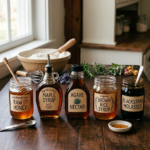
Best Non-Alcoholic Substitutes for Cooking and Mocktails: A Complete Ratio Guide
Best Non-Alcoholic Substitutes for Cooking and Mocktails: A Complete Ratio Guide with easy swaps for wine, beer, spirits, sauces, and drinks.
Finding the best non-alcoholic substitutes for cooking and mocktails is easier when you understand what wine, beer, and spirits contribute to a dish or drink. Alcohol may add acidity, sweetness, moisture, aroma, carbonation, or depth, but everyday ingredients can often provide similar qualities.
This complete ratio guide explains how to replace red wine, white wine, beer, whiskey, bourbon, rum, brandy, vodka, tequila, and popular liqueurs. Use these alcohol-free alternatives in sauces, soups, stews, marinades, desserts, baked goods, and refreshing mocktails.
The suggested ratios are starting points. Because broths, juices, syrups, and alcohol-free beverages vary by brand, taste the finished dish or drink and adjust the sweetness, acidity, or seasoning as needed.
Why Use Non-Alcoholic Substitutes in Cooking?
Non-alcoholic cooking substitutes make meals more accessible for people who avoid alcohol for personal, religious, medical, or dietary reasons. They are also helpful when cooking for children or when you do not want to purchase a bottle for one recipe.
It is often assumed that alcohol disappears completely during cooking. However, the amount remaining can vary depending on the cooking method, temperature, and preparation time. Starting with an alcohol-free replacement provides greater control over the finished dish.
Always read product labels carefully. Some beverages marketed as non-alcoholic may still contain a small amount of alcohol. Traditional flavoring extracts may also be alcohol based. Select products labeled alcohol-free or 0.0% alcohol when complete avoidance is important.
How to Choose an Alcohol-Free Cooking Substitute
The best substitute depends on the purpose of the alcohol in the original recipe.
For acidity, choose diluted vinegar, lemon juice, or lime juice. For sweetness and fruit flavor, try unsweetened juice, apple cider, or fruit nectar. Broth, mushroom stock, tea, or coffee can create savory depth. Sparkling water replaces carbonation, while alcohol-free flavorings can recreate the aroma associated with certain spirits and liqueurs.
Remember to replace both flavor and volume. A few drops of concentrated flavoring may provide the aroma of rum or bourbon, but water, juice, broth, or another liquid is still needed to replace the missing moisture.
Best Non-Alcoholic Red Wine Substitutes
Red wine brings acidity, dark fruit flavor, color, and richness to tomato sauces, beef dishes, stews, braises, and pan sauces.
Unsweetened cranberry juice: Replace 1 cup red wine with 1 cup unsweetened cranberry juice. If the juice tastes especially tart, replace 1 to 2 tablespoons with water or broth.
Pomegranate juice: Replace 1 cup red wine with 1 cup unsweetened pomegranate juice. Its deep fruit flavor works well with beef, lamb, roasted vegetables, and rich sauces.
Red grape juice and vinegar: Combine ¾ cup red grape juice, ¼ cup water, and 1 tablespoon balsamic vinegar or red wine vinegar to replace 1 cup red wine.
Beef broth and balsamic vinegar: Combine 1 cup beef broth with 1 to 2 teaspoons balsamic vinegar to replace 1 cup red wine in stews, braises, gravies, and meat sauces.
Mushroom broth and balsamic vinegar: Combine 1 cup mushroom broth with 1 to 2 teaspoons balsamic vinegar for a meatless red wine substitute.
Juice can make a savory dish sweeter than wine would. Choose an unsweetened variety and reduce other sweeteners when necessary.
Best Non-Alcoholic White Wine Substitutes
White wine adds brightness and acidity to chicken, seafood, risotto, pasta, vegetables, soups, and creamy sauces.
White grape juice and lemon: Combine ¾ cup unsweetened white grape juice, ¼ cup water, and 1 tablespoon lemon juice to replace 1 cup white wine.
Chicken broth and white wine vinegar: Combine 1 cup chicken broth with 1 to 2 teaspoons white wine vinegar to replace 1 cup white wine.
Vegetable broth and lemon: Combine 1 cup vegetable broth with 1 to 2 teaspoons lemon juice for risotto, vegetables, soups, and pasta sauces.
Apple juice and lemon: Combine ¾ cup unsweetened apple juice, ¼ cup water, and 1 tablespoon lemon juice to replace 1 cup white wine in pork, poultry, and autumn dishes.
Diluted apple cider vinegar: Combine 1 tablespoon apple cider vinegar with enough broth or water to make 1 cup. This works when wine is mainly included for acidity.
Broth can contain more sodium than wine, so wait until the end of cooking before adding extra salt.
Best Non-Alcoholic Beer Substitutes
Beer can contribute malt flavor, bitterness, moisture, yeastiness, or carbonation to stews, chili, sauces, marinades, breads, and batters.
Alcohol-free beer: Replace regular beer with an equal quantity of alcohol-free beer. Use 1 cup for every 1 cup of beer. Select a product labeled 0.0% alcohol when needed.
Broth: Replace 1 cup beer with 1 cup chicken, beef, vegetable, or mushroom broth in soups, stews, chili, and braised dishes.
Sparkling apple cider: Replace 1 cup beer with 1 cup sparkling apple cider in barbecue sauces, glazes, and sweet marinades. Reduce other sweeteners if necessary.
Ginger ale: Replace 1 cup beer with 1 cup ginger ale in marinades and sweet sauces. Remember that ginger ale adds sweetness and ginger flavor.
Club soda: Replace 1 cup of beer with 1 cup of club soda in a light batter. Club soda provides carbonation but does not replace the malt flavor.
Alcohol-free beer is not automatically gluten-free. Check the labels on beer, broth, sauces, and other packaged ingredients when gluten is a concern.
Whiskey and Bourbon Substitutes
Whiskey and bourbon contribute caramel, vanilla, oak, spice, and smoky notes to barbecue sauces, glazes, marinades, baked goods, and desserts.
Apple cider, vanilla, and molasses: Combine ¾ cup apple cider, ¼ cup water, ½ teaspoon alcohol-free vanilla flavoring, and ½ teaspoon molasses to replace 1 cup whiskey or bourbon.
To replace ¼ cup whiskey or bourbon, combine 3 tablespoons apple cider, 1 tablespoon water, a few drops of alcohol-free vanilla flavoring, and a small dab of molasses.
Strong black tea: Replace 1 cup whiskey with 1 cup cooled, strongly brewed black tea in savory sauces, braises, and marinades. Add ½ to 1 teaspoon molasses if additional caramel flavor is desired.
Apple juice and smoked tea: Combine ¾ cup unsweetened apple juice with ¼ cup strongly brewed smoked tea to replace 1 cup bourbon in barbecue sauces and glazes.
Use vanilla, molasses, and smoked tea sparingly because their flavors can quickly become overpowering.
Non-Alcoholic Rum Substitutes
Rum is commonly used in tropical desserts, cakes, fruit sauces, glazes, marinades, and mixed drinks.
Pineapple juice: Replace 1 cup rum with 1 cup pineapple juice in tropical sauces, desserts, marinades, and mocktails.
Apple juice: Replace 1 cup rum with 1 cup unsweetened apple juice in baked desserts and fruit sauces.
Coconut water and molasses: Combine 1 cup coconut water with ½ to 1 teaspoon molasses to replace 1 cup dark rum.
Alcohol-free rum flavoring: Use the quantity recommended by the manufacturer. Add water, juice, or coconut water to replace the remaining volume.
Do not replace a large amount of rum with an equal quantity of concentrated flavoring. Only a small amount is needed to provide aroma.
Non-Alcoholic Brandy Substitutes
Brandy adds concentrated fruit flavor and warmth to pan sauces, fruit desserts, baked goods, and glazes.
White grape juice: Replace 1 cup brandy with 1 cup unsweetened white grape juice.
Apple cider: Replace 1 cup brandy with 1 cup apple cider. This works well with pork, apples, pears, and warm spices.
Pear juice or peach nectar: Replace 1 cup brandy with 1 cup pear juice or peach nectar. If the nectar is thick or sweet, combine ¾ cup nectar with ¼ cup water.
Fruit juice and vinegar: Combine 1 cup apple juice or white grape juice with 1 teaspoon apple cider vinegar to replace 1 cup brandy in savory sauces.
Non-Alcoholic Vodka Substitutes
Vodka has a neutral flavor, but it can affect how flavors combine in sauces. A substitute can replace its liquid volume, although the final result may differ slightly.
Water and lemon juice: Combine 1 cup water with 1 tablespoon lemon juice to replace 1 cup vodka in savory sauces.
White grape juice and water: Combine ½ cup unsweetened white grape juice with ½ cup water to replace 1 cup vodka when mild sweetness is appropriate.
Broth and lemon: Combine 1 cup light chicken or vegetable broth with 1 teaspoon lemon juice to replace 1 cup vodka in a savory pasta sauce.
For vodka sauce, replace the vodka with an equal quantity of broth or water. Add lemon juice gradually so it does not overpower the tomatoes and cream.
Non-Alcoholic Tequila Substitutes
Tequila contributes citrus, earthy, and lightly vegetal flavors to marinades, sauces, glazes, and mixed drinks.
Lime, orange, agave, and water: Combine ½ cup water, ¼ cup lime juice, ¼ cup orange juice, and 1 teaspoon agave syrup to replace 1 cup tequila.
Broth and lime: Combine 1 cup chicken or vegetable broth with 1 tablespoon lime juice to replace 1 cup tequila in a savory marinade or sauce.
Sparkling water and citrus: Combine ¾ cup sparkling water, 2 tablespoons lime juice, 2 tablespoons orange juice, and 1 teaspoon agave syrup to replace 1 cup tequila in a mocktail.
Taste the mixture before adding more agave because orange juice already contributes sweetness.
Non-Alcoholic Liqueur Substitutes
Liqueurs provide concentrated flavor and sweetness. Juice, coffee, syrup, zest, or alcohol-free flavoring can produce a similar effect.
Coffee liqueur: Combine 3 tablespoons strong coffee or espresso with 1 tablespoon brown sugar syrup to replace ¼ cup coffee liqueur.
Orange liqueur: Combine 3 tablespoons orange juice, 1 tablespoon water, and ¼ teaspoon finely grated orange zest to replace ¼ cup orange liqueur.
Peppermint liqueur: Combine ¼ cup simple syrup or water with ⅛ teaspoon alcohol-free peppermint flavoring to replace ¼ cup peppermint liqueur.
Cherry liqueur: Replace ¼ cup cherry liqueur with ¼ cup tart cherry juice. Add ½ to 1 teaspoon simple syrup if more sweetness is needed.
Hazelnut liqueur: Replace ¼ cup hazelnut liqueur with ¼ cup alcohol-free hazelnut syrup. For a less sweet result, combine 3 tablespoons syrup with 1 tablespoon water.
Almond liqueur: Combine ¼ cup apple juice or white grape juice with ⅛ teaspoon alcohol-free almond flavoring to replace ¼ cup almond liqueur.
Check flavoring labels carefully because many traditional extracts contain alcohol.
How to Substitute Vinegar for Wine
Vinegar can replace the acidity of wine, but it should not normally be used in an equal quantity.
To replace 1 cup wine, combine 1 tablespoon vinegar with enough water or broth to make 1 cup. White wine vinegar works well with seafood, chicken, vegetables, and creamy sauces. Red wine vinegar complements beef, tomatoes, and hearty stews. Apple cider vinegar pairs well with pork and poultry, while balsamic vinegar adds sweetness and depth to tomato sauces and roasted meats.
Start with a small amount of vinegar. It is easier to add more acidity than to correct a sauce that tastes too sour.
Easy Mocktail Ratio for Balanced Drinks
A reliable mocktail ratio is 2 parts sparkling liquid, 1 part fruit juice, and ½ part citrus juice, tea, fruit purée, or another bold flavor.
For one balanced mocktail, combine 4 ounces sparkling water, 2 ounces fruit juice, and 1 ounce citrus juice, chilled tea, or fruit purée. Add ¼ to ½ ounce simple syrup or agave syrup only if additional sweetness is needed.
For a lighter mocktail, combine 5 ounces sparkling water, 2 ounces fruit juice, and ½ ounce citrus juice.
For a tropical mocktail, combine 3 ounces sparkling water or coconut water, 3 ounces pineapple, mango, or passion fruit juice, and 1 ounce lime juice.
Fresh mint, basil, rosemary, berries, cucumber, citrus slices, and edible flowers can add aroma, color, and an elegant finishing touch.
Tips for Successful Alcohol-Free Substitutions
Taste the dish after adding the substitute and consider whether it needs more acidity, sweetness, or savory depth. If it tastes too sweet, add lemon juice or vinegar ½ teaspoon at a time. If it tastes too sharp, add broth, water, or a small amount of sweetener.
When a sauce lacks richness, try mushroom broth, strong tea, tomato paste, coffee, molasses, or balsamic vinegar in a small quantity. Allow a thin sauce to reduce gently, or add broth or water to loosen a sauce that becomes too thick.
Packaged broths, juices, syrups, and alcohol-free beverages vary in sodium, sugar, and acidity. Use the suggested ratios as a starting point and make final adjustments according to the other ingredients in the dish.
Frequently Asked Questions
What is the best non-alcoholic substitute for wine in cooking?
Broth with a small amount of lemon juice or vinegar is one of the most versatile wine substitutes. Use 1 cup broth with 1 to 2 teaspoons lemon juice or vinegar for every 1 cup wine. Unsweetened grape, cranberry, or pomegranate juice can be used when fruitiness is important.
Can juice replace wine in a 1 to 1 ratio?
Unsweetened juice can often replace wine in a 1 to 1 ratio. If the juice is sweet, combine ¾ cup juice with ¼ cup water and reduce other sweeteners in the dish.
What can replace beer in a recipe?
Alcohol-free beer provides the closest flavor and can be used in a 1 to 1 ratio. Broth works well in stews and chili, while club soda can replace beer in light batters.
What can replace bourbon in a sauce?
For every 1 cup bourbon, combine ¾ cup apple cider, ¼ cup water, ½ teaspoon alcohol-free vanilla flavoring, and ½ teaspoon molasses. This mixture supplies fruit, caramel, and vanilla notes.
What is a good basic mocktail ratio?
Use 4 ounces sparkling water, 2 ounces fruit juice, and 1 ounce citrus juice, tea, or fruit purée. Add sweetener only if needed.
Are non-alcoholic beverages completely alcohol-free?
Not always. Some products labeled non-alcoholic may contain a small amount of alcohol. Choose products labeled 0.0% alcohol when complete avoidance is required.
Create Flavorful Food and Drinks Without Alcohol
The best non-alcoholic substitutes for cooking and mocktails replace the specific quality a recipe needs. Juice adds fruitiness, broth creates savory depth, citrus and vinegar provide acidity, tea introduces complexity, and sparkling water supplies refreshing carbonation.
Begin with the suggested replacement ratio, consider the sweetness and salt already present, and adjust gradually. With a few dependable pantry staples, you can prepare flavorful sauces, comforting stews, balanced marinades, appealing desserts, and celebration-ready mocktails without alcohol.
Must be 21 years of age or older to purchase or consume alcoholic beverages. Please drink responsibly.
The Guilty Passion Martini delivers smooth, citrusy, and tropical flavor with an elegant citrus garnish.
Discover creative New Year’s menu ideas featuring festive appetizers, seafood recipes, flavorful side dishes, gluten-free options, and unforgettable desserts for the ultimate New Year’s Eve celebration. New Year’s Eve is the perfect occasion to gather around the table with family and friends and celebrate fresh beginnings with incredible food. Whether you are planning an elegant dinner party, a casual buffet, or a cozy evening at home, creating a well-rounded menu filled with festive appetizers, fresh seafood, flavorful side dishes, and unforgettable desserts can make your celebration truly memorable. From sophisticated starters to indulgent sweets, every course offers an opportunity to impress your guests while welcoming the new year in delicious style. If you follow a gluten-free lifestyle, many of these recipes can easily be adapted using gluten-free ingredients without sacrificing flavor or presentation. In this guide you will discover creative New Year’s menu ideas. Start Your New Year’s Celebration with Festive Appetizers The best New Year’s Eve parties begin with appetizers that are easy to enjoy while guests mingle before dinner or wait for the midnight countdown. Offering a variety of hot and cold options ensures there is something for everyone. Popular New Year’s appetizers include baked spinach and artichoke dip served with gluten-free crackers, stuffed mushrooms filled with herbs and cheese, bacon-wrapped dates, mini Caprese skewers, roasted garlic hummus with fresh vegetables, crispy gluten-free crab cakes, smoked salmon cucumber bites, shrimp cocktail, and baked Brie topped with cranberry preserves and toasted pecans. For an elegant presentation, arrange appetizers on wooden serving boards with fresh herbs, seasonal fruit, olives, roasted nuts, and artisan cheeses to create a festive grazing table. Impress Guests with Elegant Seafood Dishes Seafood has long been associated with special occasions, making it an excellent choice for a New Year’s menu. Whether served as appetizers or the main course, fresh seafood adds sophistication to your holiday table. Some delicious seafood ideas include buttery lobster tails, garlic herb shrimp, pan-seared scallops, baked salmon with lemon and dill, seafood stuffed mushrooms, crab-stuffed shrimp, seafood chowder, grilled mahi-mahi, lobster mac and cheese made with gluten-free pasta, and seafood risotto loaded with shrimp, scallops, and crab. Fresh herbs, citrus, garlic, and quality olive oil enhance seafood without overpowering its delicate flavor, creating dishes that feel both elegant and comforting. Create Memorable Main Courses If seafood is not the star of your meal, pair it with a hearty entrée that complements the rest of your menu. Popular New Year’s dinner ideas include herb-crusted prime rib, roasted beef tenderloin, garlic butter filet mignon, honey-glazed ham, roasted turkey breast, herb-roasted chicken, stuffed pork loin, or a vegetarian mushroom Wellington prepared with gluten-free pastry. Choosing one signature entrée allows your side dishes and desserts to shine while creating a balanced holiday menu. Serve Flavorful Side Dishes Everyone Will Love Side dishes help complete your New Year’s feast by adding color, texture, and seasonal flavors to every plate. Some crowd-pleasing side dishes include roasted garlic mashed potatoes, Parmesan roasted asparagus, honey-glazed carrots, creamy gluten-free scalloped potatoes, wild mushroom risotto, roasted Brussels sprouts with balsamic glaze, garlic green beans with almonds, maple roasted sweet potatoes, butternut squash gratin, cranberry quinoa salad, and fresh winter salads topped with citrus vinaigrette. Including both vegetable and starch options ensures every guest can build a satisfying holiday plate. Bake Fresh Bread and Savory Pastries Freshly baked bread fills your home with comforting aromas and pairs beautifully with every course. Consider serving gluten-free dinner rolls, rosemary focaccia, garlic herb biscuits, cheddar chive scones, Parmesan breadsticks, or savory puff pastry appetizers made with gluten-free pastry dough. Warm bread served with herb butter or roasted garlic butter adds an extra touch of hospitality to your holiday gathering. Finish with Beautiful Homemade Desserts No New Year’s celebration is complete without an assortment of festive desserts. A dessert table filled with homemade treats becomes the highlight of the evening and gives guests plenty of sweet options to enjoy before the midnight toast. Popular New Year’s desserts include sparkling sugar cookies, elegant layer cakes, chocolate mousse, cheesecake bites, flourless chocolate cake, macarons, chocolate-covered strawberries, mini fruit tarts, brownie bites, cake pops, lemon bars, cannoli cups, tiramisu, cupcakes decorated with edible glitter, and champagne-inspired desserts. A combination of chocolate, citrus, berries, vanilla, and seasonal spices creates a dessert selection that feels festive and luxurious. Design a Stunning New Year’s Dessert Table Presentation makes every dessert even more inviting. Use cake stands of varying heights, elegant serving platters, metallic accents, candles, fairy lights, and fresh greenery to create a dessert display worthy of celebration. Decorate desserts with edible gold leaf, silver sugar pearls, sparkling sanding sugar, white chocolate drizzle, candied cranberries, rosemary sprigs, and fresh berries to create a sophisticated holiday look. A beautifully styled dessert table also provides the perfect backdrop for memorable holiday photos. Include Delicious Gluten-Free Options Providing gluten-free choices ensures every guest feels welcome at your celebration. Many appetizers, seafood dishes, side dishes, and desserts can easily be prepared using gluten-free ingredients. Offer gluten-free crackers with dips, gluten-free dinner rolls, roasted vegetables, flourless chocolate cake, macarons, cheesecake, pavlova, and gluten-free cookies alongside your traditional menu. Clearly labeling gluten-free dishes helps guests confidently enjoy the meal while preventing confusion. Prepare Ahead for a Relaxing Celebration One of the secrets to successful holiday entertaining is preparing as much as possible before guests arrive. Bake desserts several days in advance, prepare appetizer ingredients ahead of time, assemble charcuterie boards shortly before serving, and prep vegetables the day before. Many side dishes can also be partially prepared and finished in the oven while your main course rests. Planning ahead allows you to spend more time celebrating with family and friends instead of working in the kitchen. Celebrate the New Year with an Unforgettable Holiday Menu Creating a memorable New Year’s menu goes beyond serving delicious food. It is about bringing people together to celebrate new beginnings with thoughtfully prepared appetizers, elegant seafood dishes, comforting side dishes, and irresistible homemade desserts. Whether you are hosting an intimate dinner or
Discover the top light corn syrup substitutes, including honey, maple syrup, and agave nectar, to elevate your baking and cooking. Each alternative offers unique flavors and textures, ensuring your recipes turn out perfectly every time.
Creative cake decorations can turn an ordinary dessert into the centerpiece of any celebration. Whether you are baking for a birthday, wedding, baby shower, anniversary, or holiday gathering, the right decorating techniques can make your cake look professionally designed while showcasing your personal style. From elegant edible flowers to eye catching ombre effects, creative cake decorations allow you to transform simple cakes into unforgettable works of edible art.