Creating an Alphabet Garden: A Fun and Educational Activity for Kids
Discover how to create an alphabet garden for kids with plants from A to Z. This fun gardening project encourages outdoor learning, healthy eating, creativity, and a lifelong love of nature.
Gardening is one of the best ways to encourage children to explore the outdoors while learning valuable life skills. An alphabet garden combines gardening, science, reading, and creativity into one exciting project that children of all ages can enjoy. By growing plants that represent each letter of the alphabet, children develop a stronger understanding of letters, vocabulary, healthy foods, and the natural world.
Whether you have a large backyard, a raised garden bed, or several containers on a patio, an alphabet garden can be adapted to fit almost any space. This hands-on learning activity transforms ordinary gardening into an engaging educational adventure that families can enjoy throughout the growing season.
If you are searching for educational gardening activities for kids or fun ways to teach the alphabet outdoors, creating an alphabet garden is a memorable project that blends learning with nature.
What Is an Alphabet Garden?
An alphabet garden is exactly what it sounds like. Each section of the garden represents a letter of the alphabet with one or more plants that begin with that letter. Children can help choose the plants, prepare the soil, plant seeds or seedlings, water regularly, and watch each letter come to life as the garden grows.
The project encourages children to identify letters, practice spelling, expand their vocabulary, and understand where fruits, vegetables, herbs, and flowers come from.
An alphabet garden also introduces basic gardening concepts such as soil preparation, watering schedules, sunlight requirements, composting, pollination, and harvesting.
Educational Benefits of an Alphabet Garden
An alphabet garden teaches much more than gardening. It creates opportunities for learning across multiple subjects.
Children improve letter recognition as they connect each plant to its beginning letter.
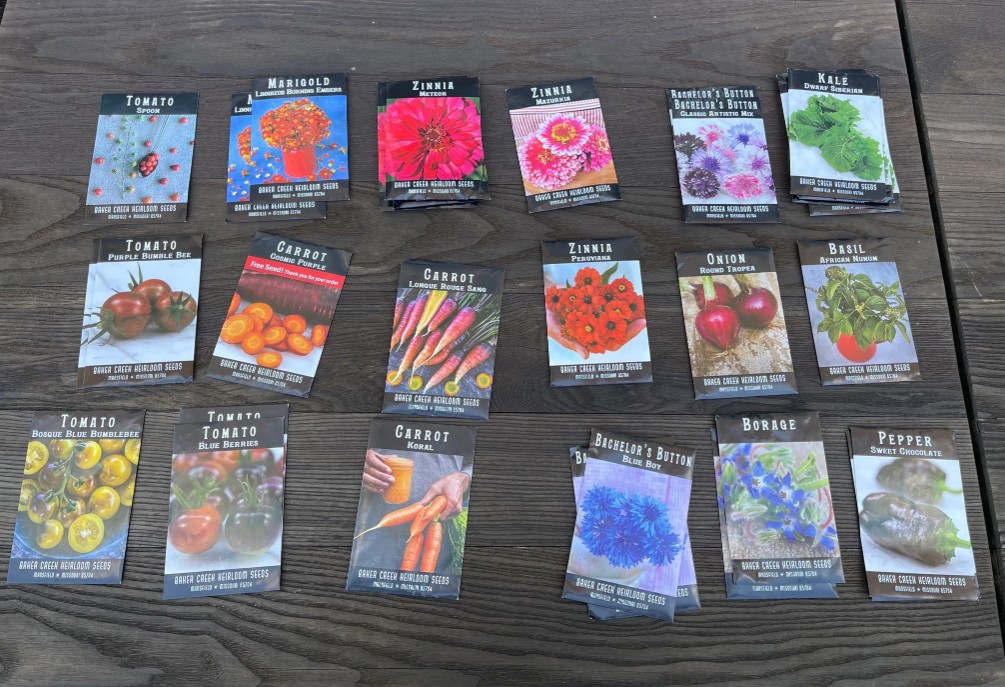
Reading skills grow naturally as children read seed packets, plant labels, and garden journals.
Math becomes part of everyday gardening by measuring plant growth, counting seeds, estimating harvests, and tracking rainfall.
Science lessons happen naturally through observing insects, learning about pollinators, understanding plant life cycles, and exploring ecosystems.
Healthy eating habits develop as children become excited to taste vegetables and herbs they helped grow.
Problem-solving skills improve as children learn how to care for plants and recognize signs that plants need water, nutrients, or protection from pests.
Planning Your Alphabet Garden
Start by choosing a sunny location that receives at least six hours of sunlight each day. If yard space is limited, use raised beds, large containers, window boxes, or even vertical planters.
Next, create a simple garden map. You can divide the space into alphabet sections or place decorative markers throughout the garden with each letter clearly displayed.
Allow children to help design the layout. They will feel more connected to the project when they participate in every step of the planning process.
Plant Ideas from A to Z
Not every letter has dozens of plant choices, but many have at least one excellent option.
A for Alyssum or Artichoke
B for Basil, Beans, or Beets
C for Carrots or Calendula
D for Dill
E for Eggplant
F for Fennel
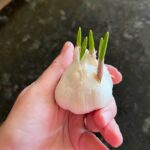
G for Garlic
H for Hollyhocks
I for Impatiens
J for Jalapeños
K for Kale
L for Lettuce or Lavender
M for Marigolds or Mint
N for Nasturtiums
O for Oregano or Onions
P for Peppers or Parsley
Q for Queen Anne’s Lace
R for Radishes or Rosemary
S for Spinach, Sage, or Strawberries
T for Tomatoes or Thyme
U for Upland Cress
V for Violets
W for Watermelon
X for Xeranthemum
Y for Yarrow
Z for Zinnias or Zucchini
Do not worry if you cannot find every plant in your local garden center. Focus on growing a variety of flowers, herbs, fruits, and vegetables that are suitable for your growing zone.
Make Learning Interactive
The alphabet garden becomes even more exciting when you add educational activities throughout the season.
Children can create colorful plant markers using craft sticks or painted rocks.
Keep a garden journal where they record planting dates, weather conditions, and weekly plant growth.
Practice spelling simple words using the names of plants growing in the garden.
Create scavenger hunts by asking children to find plants that begin with certain letters.
Measure plants every week and compare which ones grow the fastest.
Draw pictures of flowers, insects, butterflies, bees, and vegetables found in the garden.
Collect seeds from mature plants for future gardening projects.
These activities strengthen reading, writing, observation, and critical thinking skills while making gardening even more enjoyable.
Encourage Pollinator Learning
An alphabet garden is also a wonderful opportunity to teach children about pollinators.
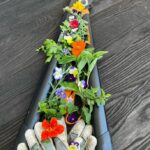
Include flowers such as zinnias, marigolds, nasturtiums, alyssum, lavender, and yarrow to attract bees, butterflies, and beneficial insects.
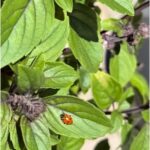
Children can observe how pollinators move from flower to flower and learn why they are essential for producing many fruits and vegetables.
Adding a shallow bird bath or a bee watering station can make the garden even more welcoming to helpful wildlife.
Grow Confidence Along with Plants
Children develop confidence when they see the results of their hard work. Watering plants, pulling weeds, harvesting vegetables, and caring for flowers teaches responsibility and patience.
Even small gardening successes help children understand that consistent care leads to rewarding results.
Harvesting vegetables they planted themselves often encourages children to try new foods they might otherwise avoid.
Make It a Family Tradition
An alphabet garden can become a yearly family project that changes with each season. Each year, children can select different plants, decorate new signs, expand the garden, or create themed sections.
As children grow older, they can take on more responsibility by planning the garden layout, starting seeds indoors, learning about composting, and saving seeds for the following year.
The memories created while gardening together often become just as meaningful as the harvest itself.
Tips for Success
Choose plants that grow well in your local climate.
Select a mixture of vegetables, herbs, flowers, and fruits for greater variety.
Allow children to make age-appropriate gardening decisions.
Keep gardening tools sized for children to make the work easier and safer.
Celebrate every milestone, from the first sprout to the final harvest.
Remember that the goal is to have fun while learning together.
Growing Knowledge One Letter at a Time
Creating an alphabet garden is much more than planting seeds. It is an opportunity to inspire curiosity, encourage outdoor exploration, and teach children valuable lessons that extend far beyond the garden. From learning the alphabet and discovering how plants grow to tasting fresh vegetables and attracting pollinators, every part of the experience helps children build knowledge and confidence.
Whether your alphabet garden includes just a handful of plants or every letter from A to Z, it offers countless opportunities for learning, creativity, and family bonding. As the garden flourishes throughout the season, so will your child’s appreciation for nature, healthy foods, and the joy of growing something with their own hands.
Discover the essential garden tools every gardener needs to create a thriving, productive, and beautiful garden. From hand trowels to pruning shears and watering tools, learn which gardening essentials make planting, maintaining, and harvesting easier while helping your garden flourish all season long. Whether you are planting your very first vegetable bed or maintaining an established flower garden, having the right garden tools can make every gardening task easier, faster, and more enjoyable. Quality gardening tools not only improve efficiency but also reduce strain on your hands and back while helping your plants stay healthier throughout the growing season. Many new gardeners believe they need an entire shed full of equipment before getting started. In reality, a carefully selected collection of essential gardening tools can handle nearly every task, from preparing soil and planting seeds to pruning shrubs and harvesting fresh vegetables. This guide covers the must-have garden tools every gardener should own, along with tips for choosing durable equipment that will serve your garden for years to come. Why Quality Garden Tools Matter Investing in high-quality gardening tools saves time, reduces frustration, and often costs less in the long run. Well-made tools perform better, last longer, and provide greater comfort during extended gardening sessions. Benefits of using quality garden tools include: Improved efficiency while planting and maintaining your garden. Cleaner cuts that encourage healthier plant growth. Less physical strain during digging, pruning, and weeding. Greater durability that withstands years of regular use. Better results in vegetable gardens, flower beds, herb gardens, and landscaped areas. Choosing ergonomic tools with comfortable grips can also reduce hand fatigue and make gardening more enjoyable for gardeners of all experience levels. Hand Trowel A hand trowel is one of the most versatile tools in any gardener’s collection. It is ideal for digging small planting holes, transplanting seedlings, dividing perennials, and adding fertilizer around established plants. Look for a trowel with a sturdy stainless steel blade and a comfortable handle that provides a secure grip even when wet. Garden Gloves Every gardener should own several pairs of durable gardening gloves. Gloves protect your hands from thorns, splinters, insects, rough soil, and blisters while keeping your hands cleaner during long gardening sessions. Different gloves work best for different tasks. Lightweight gloves are ideal for planting and harvesting, while thicker leather gloves provide extra protection when pruning roses or handling thorny shrubs. Pruning Shears Sharp pruning shears are essential for maintaining healthy plants. They allow you to remove dead branches, shape shrubs, harvest vegetables, and encourage stronger plant growth. High-quality bypass pruners produce cleaner cuts that heal more quickly than crushing stems with dull tools. Regular cleaning and sharpening help pruning shears perform their best throughout the gardening season. Garden Fork A sturdy garden fork helps loosen compacted soil, mix compost into planting beds, and harvest root vegetables without causing unnecessary damage. Unlike a shovel, a garden fork breaks up heavy soil with less effort and improves soil aeration, allowing roots to grow more freely. Garden forks are especially useful when preparing raised beds before planting each spring. Spade or Garden Shovel Every garden benefits from a dependable shovel or spade. Round-point shovels excel at digging holes, moving mulch, and transferring compost. Flat-edged spades create crisp bed edges, divide perennials, and slice through roots with precision. Many experienced gardeners keep both tools available because each serves a different purpose. Garden Hoe A garden hoe remains one of the best tools for weed control. Regular hoeing removes young weeds before they become established while gently loosening the soil surface to improve water penetration. Using a hoe frequently throughout the growing season dramatically reduces the amount of hand weeding required later. Watering Can Although irrigation systems and hoses are convenient, a watering can offers exceptional control when watering seedlings, container gardens, and delicate flowers. Choose a watering can with a removable rose attachment that creates a gentle shower rather than a strong stream, helping prevent soil erosion around young plants. Garden Hose with Adjustable Nozzle A quality garden hose paired with an adjustable spray nozzle provides flexibility for watering every area of the garden. Multiple spray settings allow you to: Water newly planted seedlings gently. Deeply soak vegetable beds. Clean gardening tools. Wash patios and pathways. Look for hoses that resist kinking and remain flexible throughout changing temperatures. Wheelbarrow or Garden Cart Transporting soil, compost, mulch, plants, stones, and harvested vegetables becomes much easier with a wheelbarrow or garden cart. Garden carts often provide greater stability and are easier to maneuver across uneven ground, while traditional wheelbarrows work well for heavier materials. Both save countless trips across the yard during major gardening projects. Garden Rake A durable rake performs several important jobs throughout the year. It helps prepare seedbeds, level soil, spread mulch evenly, gather leaves, and remove garden debris after pruning. Steel garden rakes work well for soil preparation, while leaf rakes are better suited for collecting lightweight debris. Soil Knife or Hori Hori Knife One of the most underrated gardening tools is the versatile hori hori knife. This multi-purpose tool combines the functions of a knife, trowel, saw, and weeding tool into one compact design. It can be used for: Digging planting holes. Cutting roots. Removing weeds. Dividing perennials. Harvesting vegetables. Opening bags of potting soil. Many experienced gardeners consider it their most frequently used hand tool. Garden Kneeler or Kneeling Pad Gardening often involves long periods spent kneeling. A cushioned kneeling pad or foldable garden kneeler reduces pressure on your knees while making planting, weeding, and harvesting significantly more comfortable. Some garden kneelers even convert into sturdy seats for additional convenience. Soil Moisture Meter Guessing when to water often leads to overwatering or underwatering. A soil moisture meter helps determine when plants actually need water by measuring moisture beneath the soil surface. This simple tool promotes healthier root systems while conserving water throughout the growing season. Tool Maintenance Tips Proper maintenance extends the life of every gardening tool. After each use, remove soil and plant
Discover the secrets to a thriving raised bed garden with natural pest control methods. From companion planting to homemade solutions, protect your vegetables, herbs, and flowers with ease.
Discover how to save seeds and regrow your favorite vegetables with this complete beginner’s guide. Learn sustainable gardening techniques, reduce food waste, save money, and enjoy an endless harvest from your home garden. Imagine harvesting fresh vegetables from your garden year after year without constantly purchasing new seeds or seedlings. Seed saving and regrowing vegetables make that possible. These simple gardening practices have been passed down through generations and remain some of the easiest ways to create a more sustainable, productive, and budget-friendly garden. Whether you have a spacious backyard, raised beds, or a few containers on your patio, learning how to save seeds and regrow vegetables can transform the way you garden. Not only will you reduce waste and lower gardening costs, but you will also preserve the varieties you love while enjoying healthier plants that adapt to your growing conditions over time. If you are ready to get more from every harvest, this complete guide will help you master the basics of seed saving and vegetable regrowing. Why Every Gardener Should Learn Seed Saving Saving seeds is one of the most rewarding skills a gardener can develop. Instead of discarding mature vegetables after harvest, you can collect their seeds and grow an entirely new crop the following season. Beyond saving money, seed saving allows you to preserve heirloom varieties and vegetables that perform exceptionally well in your garden. Each season, your saved seeds gradually adapt to your local climate, soil, and weather, resulting in stronger, more resilient plants. There are environmental benefits as well. Saving seeds helps reduce packaging waste, decreases reliance on commercially produced seeds, and encourages greater biodiversity in home gardens. For gardeners interested in sustainability, seed saving is one of the simplest ways to make a lasting impact. Choosing the Best Vegetables for Seed Saving Some vegetables are much easier to save seeds from than others, making them perfect for beginners. Excellent choices include tomatoes, peppers, beans, peas, lettuce, and spinach. These vegetables generally produce reliable seeds that are easy to harvest, clean, dry, and store. It is also important to understand the difference between self-pollinating and cross-pollinating vegetables. Self-pollinating plants typically produce seeds that remain true to the parent plant, while cross-pollinating vegetables such as squash, pumpkins, cucumbers, and corn may produce unexpected hybrids if different varieties are grown nearby. Starting with easy vegetables builds confidence and increases your chances of success. How to Collect Healthy Seeds The secret to successful seed saving begins long before harvest. Select your healthiest, most productive plants throughout the growing season. Look for vegetables with excellent flavor, vigorous growth, and strong resistance to pests and diseases. Allow fruits and seed heads to mature fully before collecting seeds. Rushing this step often results in immature seeds with poor germination rates. After harvesting, remove the seeds and clean away any remaining pulp or plant material. Tomato seeds benefit from a brief fermentation process that removes the protective coating surrounding each seed and helps improve germination. Spread the cleaned seeds in a single layer and allow them to dry completely in a cool, well-ventilated location. Proper drying is essential because even small amounts of moisture can cause mold or reduce seed viability during storage. The Best Way to Store Saved Seeds Proper storage ensures your hard-earned seeds remain viable for future planting seasons. Once the seeds are completely dry, place them in labeled paper envelopes, glass jars, or airtight containers. Always record the vegetable variety and harvest date so you can easily identify them later. Store seeds in a cool, dark, and dry location where temperatures remain relatively stable. Many gardeners use refrigerators or cool basements because lower temperatures help preserve seed quality for several years. Keeping seeds away from humidity is one of the most important factors in maintaining excellent germination rates. Easy Vegetables You Can Regrow from Kitchen Scraps One of the most enjoyable forms of sustainable gardening is regrowing vegetables from leftovers that would otherwise end up in the trash. Many common vegetables quickly produce fresh growth when placed in water. Green onions are among the easiest. Simply place the white root ends in a glass with a small amount of water, and new green shoots will appear within days. Celery, romaine lettuce, bok choy, fennel, leeks, and lemongrass can all be regrown using the same basic method. Once roots become established, transplant them into containers or garden beds for continued growth. This simple gardening project is ideal for families, beginner gardeners, and anyone looking to reduce kitchen waste. Vegetables That Continue Growing from Roots and Tubers Several vegetables naturally regenerate from underground structures rather than seeds. Potatoes grow from pieces containing healthy eyes, while sweet potatoes produce slips that develop into vigorous vines. Ginger and turmeric can also be divided into sections and replanted to produce new harvests. Although carrots, beets, radishes, and turnips will not produce entirely new roots from kitchen scraps, their leafy tops will continue growing. These fresh greens are excellent additions to salads, soups, smoothies, and homemade pesto. Learning which vegetables regrow from roots allows you to extend the life of your harvest while minimizing food waste. Herbs That Are Easy to Regrow Many favorite kitchen herbs regenerate with very little effort. Basil, mint, rosemary, oregano, thyme, sage, and lemon balm all root easily from healthy cuttings placed in water. Once roots have developed, transfer the herbs into pots or directly into your garden. Most perennial herbs become larger and more productive each year, providing an abundant supply of fresh flavors for countless meals. Growing herbs from cuttings is one of the quickest ways to expand your herb garden without purchasing additional plants. Common Seed Saving Mistakes to Avoid Even experienced gardeners occasionally make mistakes when saving seeds. Harvesting seeds too early is one of the most common problems. Immature seeds rarely germinate successfully. Another frequent mistake is storing seeds before they have dried completely. Moisture trapped inside storage containers encourages mold growth and significantly reduces seed longevity. When regrowing vegetables in