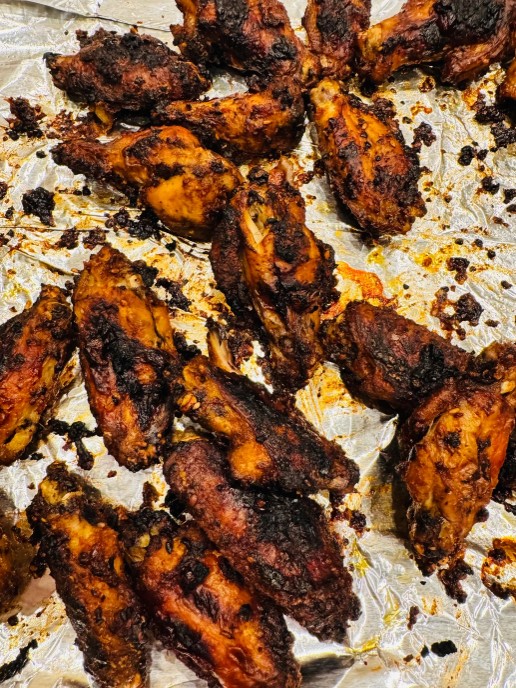
Crispy Korean BBQ Chicken Wings in the Air Fryer or Oven
Discover what makes Korean BBQ chicken wings crispy and flavorful, plus air fryer and oven options, serving ideas, and gluten-free tips.
Crispy Korean BBQ chicken wings bring together everything people love about a great appetizer: juicy chicken, crunchy skin, savory seasoning, and a fiery touch of heat. Inspired by the bold flavors associated with Korean barbecue, these wings are ideal for game day, family dinners, holiday gatherings, and casual entertaining.
Both the air fryer and oven can produce beautifully browned wings. The best cooking method depends on the amount of chicken being prepared, the equipment available, and the desired level of convenience.
What Makes Korean BBQ Chicken Wings So Flavorful
Korean-inspired chicken is known for its balance of savory, spicy, sweet, and smoky flavors. A Korean BBQ seasoning blend creates the foundation, while soy sauce adds saltiness and umami. Sriracha contributes heat and a subtle tang that keeps the wings lively without overwhelming the other flavors.
Cornstarch is often used to encourage a lighter, crunchier exterior. When paired with a small amount of high-heat cooking oil, it helps the chicken develop the crisp texture that makes Korean BBQ wings so satisfying.
The exact flavor will vary depending on the seasoning blend. Some Korean BBQ rubs lean smoky and savory, while others contain noticeable sweetness, garlic, ginger, sesame, or chile.
Air Fryer Korean BBQ Chicken Wings
The air fryer is an excellent choice for smaller batches. Its compact cooking chamber circulates hot air efficiently, helping the exterior become crisp while the meat remains tender.
Air frying also requires less added oil than many traditional cooking methods. The wings should have enough room around them for air to circulate, since an overcrowded basket can trap moisture and interfere with browning.
Because air fryers differ in size, wattage, and maximum temperature, cooking results can vary. Monitoring the color and checking the chicken with an instant-read thermometer are more reliable than depending on time alone.
Oven-Baked Korean BBQ Chicken Wings
The oven is especially convenient when preparing wings for a crowd. A wire rack placed over a rimmed baking sheet allows heat to circulate around the chicken and prevents the bottom from resting in rendered fat.
An oven may take longer than an air fryer, but it offers more cooking space and makes it easier to prepare a large batch at once. A high-heat finish can deepen the color and improve the texture of the skin.
Spacing remains important with this method. Wings that are crowded together tend to steam, while properly spaced pieces brown more evenly.
The Secret to a Crispy Exterior
Dry chicken is one of the keys to achieving crisp skin. Excess surface moisture turns to steam during cooking, making deep browning more difficult.
Cornstarch supports crisping by forming a thin coating on the exterior. A light application of duck fat spray or avocado oil spray can further encourage browning. Duck fat adds richness, while avocado oil offers a more neutral flavor.
Layered cooking temperatures can also improve the final texture. Moderate heat allows the chicken to cook through, followed by higher heat that tightens and crisps the exterior. Regardless of the appliance, chicken should reach an internal temperature of at least 165°F.
Choosing Wings or Boneless Chicken Thighs
Traditional wings are the best option for anyone seeking maximum crispness. Their skin-to-meat ratio creates plenty of golden edges, while the dark meat remains juicy during high-temperature cooking.
Boneless chicken thighs offer a meatier alternative. They stay tender and absorb Korean BBQ flavors well, although they will not develop exactly the same texture as skin-on wings.
Piece size and thickness influence cooking time, so wings and boneless thighs should be monitored separately rather than treated as interchangeable.
How Spicy Are Korean BBQ Wings?
The heat level is easy to personalize. A modest amount of sriracha adds warmth without making the chicken excessively spicy. Additional sriracha can intensify the flavor, while Korean red pepper flakes can provide a more pronounced chile character.
Cooling accompaniments such as cucumber salad, Asian slaw, or steamed rice can balance spicier wings. A garnish of sliced green onions and sesame seeds adds freshness, color, and subtle texture.
What to Serve With Korean BBQ Chicken Wings
Steamed jasmine rice or fried rice turns Korean BBQ wings into a satisfying meal. Kimchi, sesame cucumber salad, roasted vegetables, and pickled vegetables provide contrasting flavors that complement the savory chicken.
Asian-inspired slaw is another appealing option because its cool crunch balances the richness of the wings. For parties, the chicken can be served alongside several dipping sauces and simple vegetable accompaniments.
These wings also fit naturally into a game day spread with other finger foods. Their bold seasoning allows them to stand out without requiring elaborate presentation.
Gluten-Free Korean BBQ Chicken
Korean BBQ chicken wings can be prepared with gluten-free ingredients, but labels should be checked carefully. Standard soy sauce usually contains wheat, and Korean BBQ seasoning blends or sauces may also include gluten-containing ingredients.
Use appropriately labeled gluten-free soy sauce, seasoning, sriracha, cornstarch, and cooking spray when serving someone with celiac disease or gluten sensitivity. Clean equipment and careful handling are also important for preventing cross-contact.
A Crowd-Pleasing Choice for Any Occasion
Crispy Korean BBQ chicken wings offer a versatile combination of bold flavor and familiar comfort. The air fryer provides speed and convenience for smaller portions, while the oven accommodates larger batches for parties and family gatherings.
With their crunchy exterior, juicy center, and savory chile flavor, these Korean-inspired wings make an exciting centerpiece for casual meals, game day menus, and festive appetizer tables.
Honey soy wings are the perfect combination of crispy, juicy chicken coated in a rich glaze that balances the natural sweetness of honey with the bold, savory depth of soy sauce. Whether you are planning a game day gathering, family dinner, backyard barbecue, or holiday party, these irresistible wings are guaranteed to be one of the first dishes to disappear. Their sticky glaze, caramelized finish, and incredible flavor make honey soy wings a timeless favorite that appeals to both children and adults. Better yet, they are surprisingly simple to prepare and can be baked, grilled, or cooked in an air fryer for delicious results. If you are searching for the best honey soy wings recipe, easy party appetizers, or sweet and savory chicken wing ideas, this guide will show you why these wings deserve a permanent place in your recipe collection. Why Honey Soy Wings Are So Popular The secret behind honey soy wings is their perfect balance of flavors. Every bite combines sweet, salty, savory, and slightly smoky notes that complement the rich flavor of chicken. Unlike heavily spicy wing recipes, honey soy wings appeal to a wider audience. They pair beautifully with numerous side dishes and can easily be customized with additional flavors like garlic, ginger, sesame oil, or a touch of heat. Their glossy caramelized coating also makes them visually appealing, creating restaurant-quality wings right in your own kitchen. The Secret to Incredible Honey Soy Wings Several simple techniques can transform ordinary chicken wings into something truly memorable. Start by thoroughly drying the wings before seasoning. Removing excess moisture allows the skin to crisp much more effectively during cooking. A combination of baking powder and simple seasonings can help produce extra crispy skin without deep frying. Once cooked, tossing the hot wings in the honey soy glaze creates the perfect sticky coating while preserving the crispy exterior. Allowing the sauce to simmer before coating the wings helps it thicken naturally, creating a rich glaze that clings beautifully instead of sliding off. The Perfect Honey Soy Glaze The magic begins with a handful of pantry staples that work together beautifully. Honey provides natural sweetness while helping the sauce caramelize. Soy sauce delivers umami richness and balances the sweetness. Fresh garlic adds aromatic depth. Fresh ginger contributes warmth and brightness. Rice vinegar or fresh citrus juice introduces acidity that keeps the glaze from becoming overly sweet. Sesame oil adds subtle nutty flavor. Cornstarch mixed with water creates a silky glaze that coats every wing evenly. For those who enjoy a little heat, adding crushed red pepper flakes or a drizzle of sriracha creates an exciting sweet and spicy variation. Best Cooking Methods One of the reasons honey soy wings remain so popular is their versatility. Oven Baked Baking delivers crispy skin with very little effort. A high oven temperature of 425°F allows the skin to render while producing beautifully browned wings. Air Fryer Air fryers create wonderfully crispy wings in less time while using very little oil. They are ideal for smaller batches and quick weeknight meals. Grilled Grilling adds smoky flavor that pairs exceptionally well with the sweet honey glaze. Brush the sauce on during the final minutes of cooking to prevent burning. Smoked Smoking the wings before glazing creates incredible depth of flavor and makes them perfect for summer cookouts or football season. Flavor Variations to Try Once you master the classic recipe, there are countless ways to customize it. Garlic Honey Soy Wings feature extra fresh garlic for bold flavor. Ginger Sesame Wings highlight aromatic ginger and toasted sesame seeds. Spicy Honey Soy Wings include chili garlic sauce or sriracha for extra kick. Orange Honey Soy Wings incorporate fresh orange zest and juice for bright citrus flavor. Pineapple Honey Soy Wings blend tropical sweetness with savory glaze. Five Spice Honey Wings add warm Asian-inspired seasoning for additional complexity. Each variation maintains the signature sweet and savory profile while introducing its own unique twist. Perfect Side Dishes Honey soy wings pair well with both simple and hearty sides. Steamed jasmine rice absorbs every drop of the delicious sauce. Vegetable fried rice creates a complete meal with colorful vegetables. Asian cucumber salad adds refreshing crunch. Sesame broccoli provides balance with its mild flavor. Roasted vegetables complement the sweet glaze beautifully. Coleslaw offers creamy contrast to the sticky wings. Grilled corn adds another layer of smoky sweetness. Fresh pineapple slices brighten the meal with natural acidity. Entertaining with Honey Soy Wings These wings are an outstanding choice for entertaining because they can be prepared in advance. The wings can be seasoned ahead of time and refrigerated until ready to cook. The glaze can also be made a day in advance, allowing the flavors to develop even further. When guests arrive, simply cook the wings, warm the glaze, toss everything together, and garnish with sliced green onions and toasted sesame seeds. Serving them on a large platter creates an impressive centerpiece that encourages everyone to gather around and enjoy. Tips for the Best Results Avoid overcrowding the baking pan or air fryer basket. Good air circulation produces crispier skin. Cook the wings completely before adding the glaze to prevent burning. Simmer the sauce until it thickens naturally. Use fresh garlic and fresh ginger whenever possible for maximum flavor. Allow the wings to rest for a few minutes after glazing so the sauce can fully adhere. Serve immediately while the exterior remains crisp and the glaze is warm and glossy. Why These Wings Never Go Out of Style Honey soy wings continue to be one of the most beloved chicken wing recipes because they deliver exceptional flavor without requiring complicated ingredients or advanced cooking techniques. The combination of sweet honey, savory soy sauce, fragrant garlic, and fresh ginger creates a glaze that feels comforting yet sophisticated. Whether served as a family dinner, game day snack, holiday appetizer, or backyard barbecue favorite, honey soy wings consistently impress guests with their irresistible balance of flavors and beautiful caramelized finish. If you are
Best Non-Alcoholic Substitutes for Cooking and Mocktails: A Complete Ratio Guide with easy swaps for wine, beer, spirits, sauces, and drinks. Finding the best non-alcoholic substitutes for cooking and mocktails is easier when you understand what wine, beer, and spirits contribute to a dish or drink. Alcohol may add acidity, sweetness, moisture, aroma, carbonation, or depth, but everyday ingredients can often provide similar qualities. This complete ratio guide explains how to replace red wine, white wine, beer, whiskey, bourbon, rum, brandy, vodka, tequila, and popular liqueurs. Use these alcohol-free alternatives in sauces, soups, stews, marinades, desserts, baked goods, and refreshing mocktails. The suggested ratios are starting points. Because broths, juices, syrups, and alcohol-free beverages vary by brand, taste the finished dish or drink and adjust the sweetness, acidity, or seasoning as needed. Why Use Non-Alcoholic Substitutes in Cooking? Non-alcoholic cooking substitutes make meals more accessible for people who avoid alcohol for personal, religious, medical, or dietary reasons. They are also helpful when cooking for children or when you do not want to purchase a bottle for one recipe. It is often assumed that alcohol disappears completely during cooking. However, the amount remaining can vary depending on the cooking method, temperature, and preparation time. Starting with an alcohol-free replacement provides greater control over the finished dish. Always read product labels carefully. Some beverages marketed as non-alcoholic may still contain a small amount of alcohol. Traditional flavoring extracts may also be alcohol based. Select products labeled alcohol-free or 0.0% alcohol when complete avoidance is important. How to Choose an Alcohol-Free Cooking Substitute The best substitute depends on the purpose of the alcohol in the original recipe. For acidity, choose diluted vinegar, lemon juice, or lime juice. For sweetness and fruit flavor, try unsweetened juice, apple cider, or fruit nectar. Broth, mushroom stock, tea, or coffee can create savory depth. Sparkling water replaces carbonation, while alcohol-free flavorings can recreate the aroma associated with certain spirits and liqueurs. Remember to replace both flavor and volume. A few drops of concentrated flavoring may provide the aroma of rum or bourbon, but water, juice, broth, or another liquid is still needed to replace the missing moisture. Best Non-Alcoholic Red Wine Substitutes Red wine brings acidity, dark fruit flavor, color, and richness to tomato sauces, beef dishes, stews, braises, and pan sauces. Unsweetened cranberry juice: Replace 1 cup red wine with 1 cup unsweetened cranberry juice. If the juice tastes especially tart, replace 1 to 2 tablespoons with water or broth. Pomegranate juice: Replace 1 cup red wine with 1 cup unsweetened pomegranate juice. Its deep fruit flavor works well with beef, lamb, roasted vegetables, and rich sauces. Red grape juice and vinegar: Combine ¾ cup red grape juice, ¼ cup water, and 1 tablespoon balsamic vinegar or red wine vinegar to replace 1 cup red wine. Beef broth and balsamic vinegar: Combine 1 cup beef broth with 1 to 2 teaspoons balsamic vinegar to replace 1 cup red wine in stews, braises, gravies, and meat sauces. Mushroom broth and balsamic vinegar: Combine 1 cup mushroom broth with 1 to 2 teaspoons balsamic vinegar for a meatless red wine substitute. Juice can make a savory dish sweeter than wine would. Choose an unsweetened variety and reduce other sweeteners when necessary. Best Non-Alcoholic White Wine Substitutes White wine adds brightness and acidity to chicken, seafood, risotto, pasta, vegetables, soups, and creamy sauces. White grape juice and lemon: Combine ¾ cup unsweetened white grape juice, ¼ cup water, and 1 tablespoon lemon juice to replace 1 cup white wine. Chicken broth and white wine vinegar: Combine 1 cup chicken broth with 1 to 2 teaspoons white wine vinegar to replace 1 cup white wine. Vegetable broth and lemon: Combine 1 cup vegetable broth with 1 to 2 teaspoons lemon juice for risotto, vegetables, soups, and pasta sauces. Apple juice and lemon: Combine ¾ cup unsweetened apple juice, ¼ cup water, and 1 tablespoon lemon juice to replace 1 cup white wine in pork, poultry, and autumn dishes. Diluted apple cider vinegar: Combine 1 tablespoon apple cider vinegar with enough broth or water to make 1 cup. This works when wine is mainly included for acidity. Broth can contain more sodium than wine, so wait until the end of cooking before adding extra salt. Best Non-Alcoholic Beer Substitutes Beer can contribute malt flavor, bitterness, moisture, yeastiness, or carbonation to stews, chili, sauces, marinades, breads, and batters. Alcohol-free beer: Replace regular beer with an equal quantity of alcohol-free beer. Use 1 cup for every 1 cup of beer. Select a product labeled 0.0% alcohol when needed. Broth: Replace 1 cup beer with 1 cup chicken, beef, vegetable, or mushroom broth in soups, stews, chili, and braised dishes. Sparkling apple cider: Replace 1 cup beer with 1 cup sparkling apple cider in barbecue sauces, glazes, and sweet marinades. Reduce other sweeteners if necessary. Ginger ale: Replace 1 cup beer with 1 cup ginger ale in marinades and sweet sauces. Remember that ginger ale adds sweetness and ginger flavor. Club soda: Replace 1 cup of beer with 1 cup of club soda in a light batter. Club soda provides carbonation but does not replace the malt flavor. Alcohol-free beer is not automatically gluten-free. Check the labels on beer, broth, sauces, and other packaged ingredients when gluten is a concern. Whiskey and Bourbon Substitutes Whiskey and bourbon contribute caramel, vanilla, oak, spice, and smoky notes to barbecue sauces, glazes, marinades, baked goods, and desserts. Apple cider, vanilla, and molasses: Combine ¾ cup apple cider, ¼ cup water, ½ teaspoon alcohol-free vanilla flavoring, and ½ teaspoon molasses to replace 1 cup whiskey or bourbon. To replace ¼ cup whiskey or bourbon, combine 3 tablespoons apple cider, 1 tablespoon water, a few drops of alcohol-free vanilla flavoring, and a small dab of molasses. Strong black tea: Replace 1 cup whiskey with 1 cup cooled, strongly brewed black tea in savory sauces, braises, and marinades. Add ½ to 1 teaspoon molasses if additional caramel flavor is
Celebrate the unofficial end of summer with our Labor Day menu ideas featuring fresh seasonal ingredients, vibrant flavors, and dishes that are easy to prepare ahead of time. From grilled meats and seafood to colorful salads, garden-fresh vegetables, and gluten-free desserts, there are countless ways to create a menu that everyone will love.