
Discover effective garden critter control strategies using barriers, repellents, resistant plants, and eco-friendly pest prevention methods.
Gardening can be one of the most rewarding ways to spend time outdoors. A healthy garden can provide fresh vegetables, colorful flowers, fragrant herbs, and a peaceful place to relax. Unfortunately, rabbits, deer, squirrels, birds, and insects may also see your garden as an inviting source of food and shelter.
Effective garden critter control begins with identifying the source of the damage and choosing a targeted solution. Physical barriers, thoughtful plant selection, natural deterrents, routine maintenance, and beneficial wildlife can work together to protect your plants without relying heavily on chemicals.
Identify What Is Damaging Your Garden
Before installing fencing or applying a repellent, examine the affected plants and the surrounding area. Different garden visitors leave distinctive clues.
Rabbits usually feed close to the ground and may leave clean, angled cuts on seedlings, leafy vegetables, and tender stems. Deer browse from higher areas, often tearing leaves and shoots rather than cutting them cleanly. Hoofprints and droppings may appear nearby.
Squirrels commonly dig in containers and garden beds, disturb newly planted seeds, remove bulbs, and take bites from fruits and vegetables. Birds may peck berries, tomatoes, seedlings, and ripening fruit.
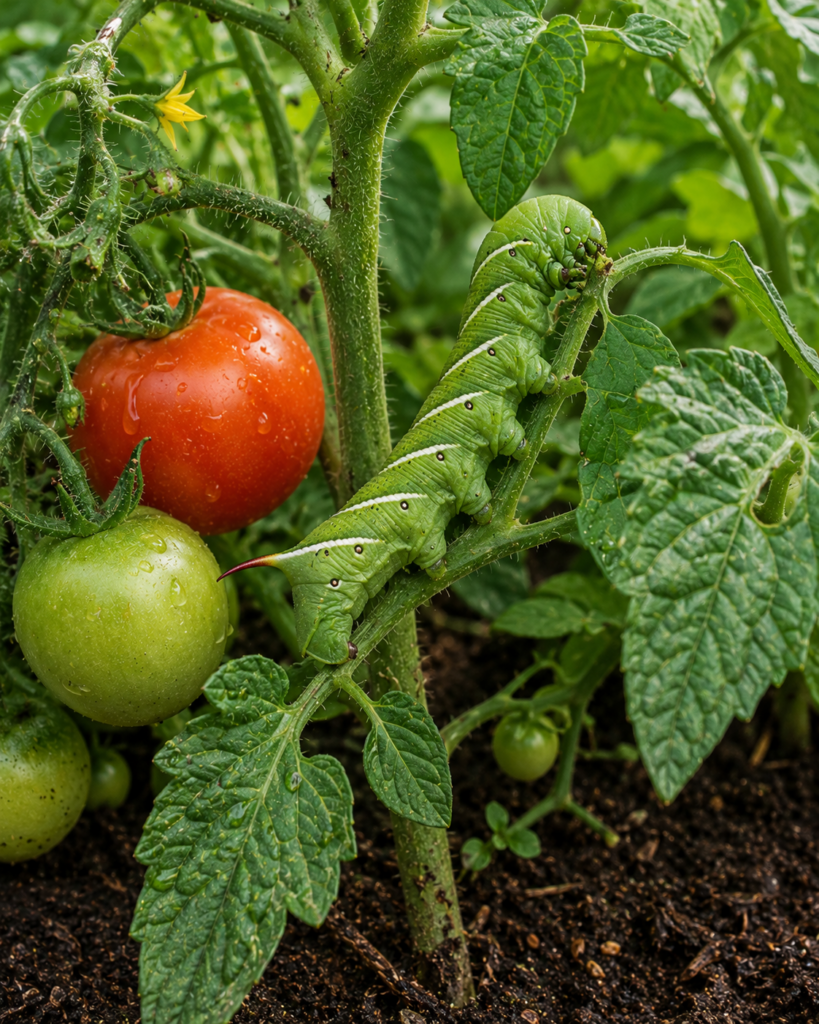
Insect damage also varies. Aphids gather on tender growth and the undersides of leaves, while caterpillars chew irregular holes. Beetles may leave small holes, skeletonized leaves, or damaged flowers. Inspecting plants regularly will help you select the most appropriate control method.
Install Physical Barriers
Physical barriers are among the most dependable ways to keep animals and insects away from vulnerable plants.
A properly installed fence can discourage rabbits, deer, and other wildlife. Rabbit fencing should have small openings near the bottom and extend several inches beneath the soil or bend outward at ground level to discourage digging. Deer fencing generally needs to be tall, highly visible, and suited to the size and layout of the property.
Lightweight row covers protect seedlings and vegetable crops from many insects and birds while allowing light, air, and water to reach the plants. Secure the edges carefully so pests cannot crawl underneath. Remove or open covers when crops that depend on insect pollination begin flowering.
Cages, cloches, hardware cloth, and garden netting can protect individual plants or small growing areas. Keep netting taut and check it regularly to reduce the chance of wildlife becoming trapped.
Select Plants That Are Less Appealing to Wildlife
No plant is completely resistant to a hungry animal, but some are less attractive than others. Local food availability, weather, and wildlife pressure can all affect what animals are willing to eat.
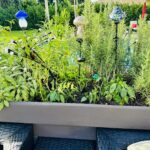
Strongly scented herbs such as rosemary, sage, thyme, mint, and lavender may receive less browsing in some gardens. Plants with fuzzy, coarse, leathery, or aromatic foliage can also be less appealing to rabbits and deer.
Place less desirable plants near the perimeter of the garden and keep especially vulnerable crops closer to the house or inside protected beds. For the best results, ask a local cooperative extension office or trusted nursery which plants tend to resist wildlife in your region.
Use Repellents as Part of a Larger Strategy
Animal repellents can provide additional protection, particularly when combined with fencing or plant covers. Commercial products may rely on unpleasant scents or flavors to discourage browsing.
Choose a product labeled for the animal you are trying to deter and confirm that it is appropriate for use around edible plants when protecting a vegetable or herb garden. Follow all label directions carefully.
Repellents usually require regular reapplication, especially after rain or irrigation. Rotating approved deterrents may also help because animals can become accustomed to a single scent or device.
Avoid applying homemade mixtures containing concentrated essential oils, hot peppers, or other irritating ingredients directly to plants without reliable guidance. Some mixtures can damage foliage, irritate people or pets, or contaminate produce.
Encourage Beneficial Garden Visitors
Not every animal or insect in the garden is a pest. Many species contribute to pollination or help keep damaging insects under control.
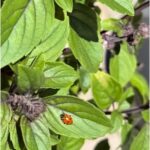
Lady beetles, lacewings, hoverfly larvae, and certain parasitic wasps feed on aphids and other soft-bodied pests. Birds, frogs, toads, and insect-eating reptiles may also help reduce pest populations.
Grow a variety of flowering plants that bloom throughout the season to provide nectar and pollen for beneficial insects. A shallow water source, native plants, and safe areas for shelter can make the garden more inviting to helpful wildlife.
Avoid broad-spectrum insecticides whenever possible. These products may kill pollinators and natural predators along with the targeted pests, potentially making future infestations more difficult to manage.
Keep the Garden Clean and Healthy
Routine maintenance makes it easier to detect damage and eliminates many hiding places and food sources.
Remove fallen fruit, overripe vegetables, diseased plant material, and heavy accumulations of debris. Keep weeds under control, trim crowded growth, and provide appropriate spacing to improve airflow.
Water plants according to their needs and avoid excessive fertilization. Too much nitrogen can encourage soft, tender growth that attracts certain insects. Healthy plants are generally better able to tolerate minor feeding damage than stressed plants.
Check leaves, stems, flowers, and developing produce several times a week. Early detection may allow you to remove a few insects, cover a vulnerable crop, or repair a barrier before the problem spreads.
Protect Vegetable Gardens Strategically
Vegetable gardens contain tender, nutritious plants that are particularly attractive to wildlife. Combining several protective methods usually produces better results than relying on one technique.
Raised beds can make crops easier to monitor and may discourage some low-growing or burrowing visitors, but the beds will not stop rabbits, deer, squirrels, or climbing animals on their own. Add fencing, hardware cloth, cages, or row covers based on the pests present.
Harvest fruits and vegetables as soon as they are ready, and remove damaged produce promptly. Keeping compost, birdseed, pet food, and unsecured trash away from the growing area can also reduce animal activity.
Companion planting may support beneficial insects and increase plant diversity, but it should not replace dependable barriers or regular monitoring. Use it as one part of a broader garden pest management plan.
Rotate Crops to Reduce Recurring Problems
Crop rotation is especially useful for managing certain insects and plant diseases that remain in the soil or near previous host plants.
Avoid growing crops from the same plant family in the same location every season when space allows. For example, tomatoes, peppers, eggplants, and potatoes belong to the same family and may share some pest and disease concerns.
Keep a simple garden map from year to year so you can track where crops were grown. Rotation will not prevent damage from roaming deer, rabbits, squirrels, or birds, but it can support healthier soil and reduce some recurring crop-specific problems.
Follow an Integrated Pest Management Approach
Integrated pest management focuses on prevention, observation, and targeted intervention. It begins with identifying the pest and determining whether the damage is serious enough to require action.
Start with the least disruptive methods, such as repairing barriers, removing pests by hand, pruning damaged growth, or protecting individual plants. If additional control is necessary, choose a product labeled for the specific pest and plant, then use it exactly as directed.
The goal is not to eliminate every insect or animal from the landscape. A small amount of damage is often manageable and may be part of a healthy outdoor ecosystem.
Adapt Your Strategy Throughout the Season
Garden pest pressure changes as plants grow and natural food sources become more or less available. Seedlings may need row covers in spring, berries may require netting as they ripen, and deer protection may become more important later in the season.
Observe which plants are affected, record when damage occurs, and adjust your methods accordingly. A garden journal can help you identify patterns and prepare protective measures before the same problems return.
Create a Balanced and Protected Garden
Managing garden critters does not have to become a constant battle. Accurate identification, secure barriers, thoughtful plant selection, regular maintenance, and support for beneficial wildlife can significantly reduce damage while preserving a healthy garden ecosystem.
Consistent observation is one of the most valuable tools available to a gardener. When you recognize problems early and respond with targeted solutions, you can protect your vegetables, flowers, and ornamental plants while continuing to share the surrounding landscape with wildlife.