Jalapeño Peppers and Oregano: How to Grow, Harvest, and Cook with This Flavorful Garden Duo
Discover how to grow jalapeño peppers and oregano together in your garden. Learn planting tips, care requirements, harvesting methods, culinary uses, and the benefits of this delicious herb and pepper combination.
Jalapeño and Oregano: A Flavorful Garden Combination
If you enjoy growing ingredients that go straight from the garden to the kitchen, few combinations are as rewarding as jalapeño peppers and oregano. These two plants complement each other beautifully in both the garden and countless recipes. The mild heat of fresh jalapeños pairs perfectly with the earthy, slightly peppery flavor of oregano, making them staples in Mexican, Tex-Mex, Mediterranean, and Southwestern cooking.
Not only do they create bold flavors together, but they also have similar growing requirements, making them excellent companion plants for home gardeners. Whether you have a large backyard, raised beds, or a few containers on a sunny patio, jalapeños and oregano can thrive with proper care.
Why Grow Jalapeños and Oregano Together?
Jalapeños and oregano share many of the same growing preferences. Both enjoy warm temperatures, full sun, and well-drained soil. Planting them together creates an attractive and productive garden space while giving you fresh ingredients throughout the growing season.
Oregano forms a low-growing mat that can help shade the soil around pepper plants, reducing moisture loss during hot weather. Meanwhile, the upright jalapeño plants provide visual interest and make harvesting simple.
Growing these two together also means you can step into the garden and gather everything needed for homemade salsa, grilled vegetables, marinades, pizza toppings, soups, and countless other dishes.
About Jalapeño Peppers
Jalapeños are one of the world’s most popular chili peppers. They typically measure 2 to 4 inches long and mature from green to bright red if left on the plant. Green jalapeños offer a fresh, crisp flavor with moderate heat, while fully ripened red peppers become slightly sweeter with a deeper flavor.
Most jalapeños measure between 2,500 and 8,000 Scoville Heat Units, making them flavorful without being overwhelmingly spicy for many people.
Healthy jalapeño plants can produce dozens of peppers throughout the growing season when harvested regularly.
About Oregano
Oregano is a hardy perennial herb in many climates and is prized for its aromatic leaves. It produces small oval leaves packed with essential oils that become even more flavorful when dried.
Its earthy, warm, and slightly peppery taste makes oregano an essential ingredient in Italian, Greek, Mediterranean, and Mexican cuisine.
Once established, oregano requires very little maintenance and often returns year after year.
Growing Requirements
Both plants thrive in similar conditions, making them easy to grow together.
Choose a location that receives at least 6 to 8 hours of direct sunlight every day.
Plant them in loose, well-drained soil rich in organic matter. While oregano tolerates poorer soils better than peppers, both benefit from compost worked into the planting area before planting.
Maintain consistent watering during the growing season, allowing the soil to dry slightly between waterings. Jalapeños require more moisture than oregano, so avoid overwatering the herb while ensuring the peppers receive enough water during flowering and fruit production.
Companion Planting Benefits
Growing oregano near jalapeños offers several advantages.
The fragrant oils released by oregano may help confuse certain insect pests while attracting beneficial pollinators when allowed to flower.
Both plants make excellent companions for tomatoes, basil, onions, garlic, carrots, and marigolds, creating a productive and diverse vegetable garden.
Their compact growth habits also make them ideal choices for container gardening.
Harvesting Jalapeños
Harvest jalapeños once they reach full size and have a glossy appearance. Most gardeners pick them while green, but leaving them on the plant allows them to ripen to red for a sweeter flavor.
Use clean pruning shears or scissors to remove peppers rather than pulling them from the plant, which can damage stems.
Frequent harvesting encourages continued pepper production throughout the season.
Harvesting Oregano
Harvest oregano by snipping stems just above a pair of leaves. Regular harvesting encourages bushier growth and prevents the plant from becoming woody.
For the strongest flavor, harvest oregano just before flowering when the essential oils are most concentrated.
Fresh oregano can be used immediately or dried for long-term storage.
Culinary Uses
Fresh jalapeños and oregano create an incredible flavor combination in many recipes.
They work beautifully in homemade salsa, tacos, burritos, enchiladas, fajitas, chili, soups, grilled chicken, roasted vegetables, pizza, pasta sauces, marinades, salad dressings, and stuffed peppers.
Blend fresh oregano with jalapeños, garlic, olive oil, lime juice, and cilantro to create a vibrant herb sauce for grilled meats or vegetables.
Both ingredients also enhance homemade tomato sauces and garden-fresh pasta dishes.
Health Benefits
Jalapeños contain vitamins A and C, antioxidants, and capsaicin, the natural compound responsible for their heat.
Oregano is rich in antioxidants and contains beneficial plant compounds that have been valued for centuries in traditional herbal practices.
Together, these fresh garden ingredients provide flavor without adding excess calories, making them excellent additions to healthy meals.
Growing in Containers
Jalapeños and oregano perform exceptionally well in containers.
Choose pots with adequate drainage holes and use a high-quality potting mix designed for vegetables and herbs.
Place containers where they receive full sunlight and water consistently during hot weather.
Container-grown plants are perfect for patios, balconies, decks, and small-space gardens.
Common Problems
Jalapeños may occasionally encounter aphids, spider mites, blossom end rot, or fungal diseases if overwatered.
Oregano is generally resistant to pests but can develop root rot in consistently wet soil.
Proper spacing, good air circulation, and careful watering help prevent most problems before they begin.
Storage Tips
Fresh jalapeños can be refrigerated for one to two weeks. They can also be frozen, pickled, or dehydrated for long-term storage.
Fresh oregano keeps well in the refrigerator for several days when wrapped in a slightly damp paper towel. It can also be air-dried or frozen to preserve its flavor for future recipes.
Frequently Asked Questions
Can jalapeños and oregano grow in the same container?
Yes. Use a container that is at least 14 to 18 inches wide with excellent drainage so both plants have adequate room to develop healthy root systems.
Does oregano repel pests from peppers?
While no companion plant guarantees complete pest protection, oregano’s fragrant foliage may help deter some insects while attracting beneficial pollinators and predatory insects.
Should oregano be allowed to flower?
If your goal is culinary use, harvest regularly and pinch off flower buds to maintain the strongest leaf flavor. Allowing some flowers to bloom can help attract bees and butterflies.
How often should I harvest?
Harvest oregano frequently throughout the growing season. Pick jalapeños whenever they reach mature size to encourage continuous fruit production.
Bringing Garden Fresh Flavor to Every Meal
Jalapeños and oregano make an excellent gardening partnership for beginners and experienced gardeners alike. Their similar growing needs, long harvest season, and incredible culinary versatility make them valuable additions to vegetable gardens, raised beds, and containers. Whether you are preparing homemade salsa, seasoning grilled vegetables, topping pizzas, or creating flavorful sauces, this classic herb and pepper combination delivers fresh garden flavor from harvest to table.
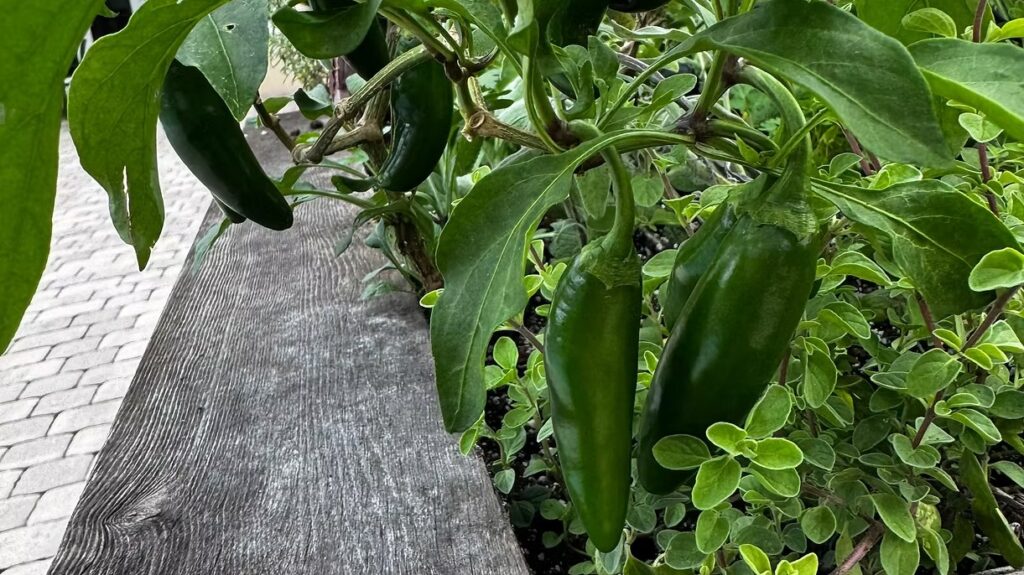
Fresh green jalapeño peppers grow among lush herbs and garden foliage.
Use this oregano growing guide to learn how to plant, water, prune, harvest, dry, and grow flavorful oregano in gardens or containers. Oregano is one of the most rewarding herbs to grow at home. Its fragrant foliage, delicate flowers, and bold culinary flavor make it a useful addition to vegetable gardens, raised beds, containers, and ornamental borders. Once established, this resilient herb generally needs little attention beyond occasional watering, harvesting, and pruning. A member of the mint family, oregano is valued for both its flavor and its beauty. The small leaves release a warm, earthy fragrance when brushed, while clusters of tiny flowers attract bees, butterflies, and other visiting pollinators. Depending on the variety and local climate, oregano may return year after year as a perennial. This oregano growing guide explains how to choose a variety, prepare the planting area, water and prune the plant, harvest flavorful leaves, and protect oregano during winter. Whether you have a large garden or a sunny windowsill, oregano can provide months of fresh herbs and lasting garden interest. What Is Oregano? Oregano belongs to the genus Origanum, which includes numerous culinary and ornamental plants. Common oregano, botanically known as Origanum vulgare, is a spreading perennial herb native to parts of Europe, western Asia, and the Mediterranean region. Its flavor can vary considerably among varieties. Some plants have a mild, grassy taste, while others produce the peppery, pungent flavor commonly associated with Mediterranean cooking. The plant’s flavor and growth may also be influenced by sunlight, temperature, soil, water, and harvest timing. Oregano typically develops low, branching stems covered with small green or gray-green leaves. Mature plants may form gently spreading clumps, making the herb useful as a fragrant edging plant or informal ground cover where its growth can be managed. Choosing the Right Oregano Variety Selecting a variety is an important part of growing flavorful oregano. Plants sold simply as oregano can differ in taste, appearance, growth habit, and cold tolerance, so checking the botanical name and plant label is helpful. Greek oregano, often identified as Origanum vulgare subsp. hirtum, is a popular culinary choice with a robust, peppery flavor. Italian oregano generally offers a somewhat milder flavor that works well in tomato sauces, roasted vegetables, soups, and marinades. Common oregano is adaptable and can be used in both culinary and ornamental gardens, although its flavor may be less intense than that of carefully selected culinary cultivars. Golden oregano has bright yellow-green foliage and a softer flavor, making it especially attractive along paths or near darker-leaved plants. Ornamental oregano varieties are grown primarily for their colorful bracts, trailing stems, or decorative flowers. Some may be edible, but they are usually selected for appearance rather than strong culinary flavor. Mexican oregano is not a true Origanum oregano. It comes from a different plant family and has a more citrusy, assertive flavor. It is popular in Mexican, Southwestern, and Latin American dishes, but its growing requirements and cold tolerance can differ from those of Mediterranean oregano. The Best Place to Grow Oregano Oregano generally grows best in full sun. A location receiving at least six hours of direct sunlight encourages compact growth, abundant foliage, and concentrated flavor. In very hot climates, light afternoon shade may help reduce heat stress, particularly for plants growing in containers. Good drainage is essential. Oregano is adapted to relatively dry conditions and does not thrive when its roots remain in wet, heavy soil. A raised bed, sloped garden area, or well-draining container can provide a suitable growing environment when the native soil holds too much moisture. Allow enough space around each plant for air to circulate. Exact spacing depends on the variety, since some plants remain compact while others spread outward as they mature. Check the plant label and consider the oregano’s eventual width before choosing its permanent location. Preparing the Soil Oregano does not need excessively rich soil. Moderately fertile, well-draining ground is usually preferable to heavily amended soil that encourages fast, soft growth with less concentrated flavor. If the garden contains dense clay, improve drainage by planting oregano in a raised bed or container rather than adding a small amount of loose material to an otherwise poorly drained hole. Containers should have unobstructed drainage openings and a potting mix formulated for good aeration. Avoid placing a thick layer of moisture-retaining mulch directly against the crown of the plant. Gravel, small stones, or a light layer of dry organic mulch may be useful in some gardens, but the plant’s base should remain open and well ventilated. Planting Oregano Oregano can be grown from seed, nursery transplants, stem cuttings, or divisions. Nursery plants offer the quickest start and make it easier to select a named variety with known culinary qualities. Plant oregano after severe frost has passed and the soil has begun to warm. Position the plant at approximately the same depth at which it was growing in its nursery container. Planting too deeply may trap moisture around the crown and stems. Water thoroughly after planting to settle the surrounding soil. Continue monitoring moisture while the roots become established, but allow the soil surface to begin drying between waterings. Oregano seeds are small and need warmth and light to germinate successfully. Seed-grown plants can vary in flavor, particularly when the seed does not come from a carefully maintained culinary strain. Gardeners seeking a particular flavor may prefer a named transplant or a cutting from a known plant. Watering Oregano Correctly Newly planted oregano needs consistent moisture while it establishes roots. The soil should remain lightly moist but never saturated. Established plants are generally more tolerant of short dry periods. Water deeply when the upper portion of the soil feels dry, then allow excess moisture to drain away. Constant shallow watering can encourage weak root development and persistently damp conditions. Container-grown oregano usually needs more frequent attention because potting mix dries faster than garden soil. Small pots, unglazed containers, strong sunlight, heat, and wind can all increase water loss. Check the soil
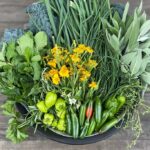
Learn how to enjoy your own colander harvest of fresh sage, chives, peppers, tarragon, and oregano. Discover harvesting tips, garden care, and delicious ways to use your homegrown herbs and vegetables. There is nothing quite like stepping into your garden with a pair of clean clippers and a sturdy colander, ready to gather a beautiful assortment of fresh herbs and peppers. A colander harvest is a simple yet practical way to collect your homegrown produce while keeping your harvest fresh and making cleanup easy. Whether you grow your plants in raised beds, containers, or a traditional garden, harvesting sage, chives, peppers, tarragon, and oregano together provides an abundance of fresh ingredients for countless homemade meals. Using a colander instead of a traditional basket offers several advantages. Its lightweight design makes it comfortable to carry through the garden, while the small openings allow loose soil, leaves, and insects to fall away as you harvest. Once you return indoors, you can rinse everything in the same colander, making the journey from garden to table both convenient and efficient. Why a Colander Harvest Is Perfect for Home Gardeners A colander harvest is more than a convenient way to collect vegetables and herbs. It encourages you to harvest regularly, which helps many garden plants remain healthy and productive throughout the growing season. Frequent harvesting stimulates new growth on many culinary herbs, keeping plants compact, lush, and full of tender leaves. Pepper plants also benefit from regular picking because removing mature peppers often encourages the plant to continue producing new fruit. The best time to harvest is during the morning after the dew has dried but before the afternoon heat arrives. At this time, herbs contain the highest concentration of essential oils, giving them exceptional flavor and fragrance. Always use clean, sharp garden clippers to make smooth cuts that minimize damage and promote healthy regrowth. How to Harvest Fresh Sage Sage is a beautiful perennial herb recognized by its soft gray-green leaves and rich earthy aroma. Harvest mature stems by cutting just above a pair of healthy leaves. This encourages branching and keeps the plant full and productive. Avoid removing more than one-third of the plant during a single harvest. Giving the plant time to recover ensures continuous growth throughout the season. Fresh sage is delicious in roasted poultry, pork dishes, stuffing, roasted vegetables, soups, brown butter sauces, herb butter, and homemade seasoning blends. It also dries exceptionally well for long-term storage. How to Harvest Chives Chives are one of the easiest herbs to grow and reward gardeners with continuous harvests. Instead of removing individual leaves, gather a small handful of stems and trim them approximately one to two inches above the soil. This simple harvesting method encourages rapid regrowth, allowing you to enjoy multiple harvests throughout the growing season. Fresh chives add a mild onion flavor to scrambled eggs, baked potatoes, salads, creamy dips, seafood, soups, compound butter, and homemade dressings. Harvesting Garden Peppers Whether you grow sweet bell peppers or spicy chili peppers, harvesting regularly encourages continued production. Rather than pulling peppers from the plant, use garden clippers to cut each pepper from its stem. This protects the branches from unnecessary stress and helps prevent accidental breakage. Many peppers can be harvested while green, while others develop sweeter flavors or increased heat as they mature into vibrant shades of red, orange, yellow, purple, chocolate, or nearly black. Fresh peppers are perfect for stir-fries, grilled vegetables, stuffed peppers, homemade salsa, pasta sauces, salads, soups, pizzas, casseroles, and homemade hot sauces. Harvesting Tarragon Tarragon is an elegant culinary herb known for its subtle anise flavor and delicate aroma. Harvest young stems throughout the growing season by cutting just above a leaf node. Frequent harvesting encourages fuller plants and provides a continuous supply of tender new leaves. Fresh tarragon complements roasted chicken, seafood, eggs, cream sauces, vinaigrettes, roasted vegetables, herb butter, and infused vinegars. It is especially popular in French-inspired cooking. Harvesting Oregano Oregano is one of the most productive herbs you can grow. Harvest stems several inches long by cutting just above a pair of leaves. This encourages branching and helps the plant produce even more flavorful foliage. For the strongest flavor, harvest oregano before it flowers, when its aromatic oils are most concentrated. Fresh oregano is a staple in Mediterranean cuisine and is commonly used in pizza, pasta sauces, roasted vegetables, grilled meats, soups, marinades, casseroles, and homemade herb blends. It also dries beautifully, making it an excellent herb for preserving. From Garden to Table A single colander harvest filled with sage, chives, peppers, tarragon, and oregano provides endless culinary inspiration. Blend chopped herbs into compound butter, season roasted vegetables, prepare homemade marinades, create fresh salad dressings, or roast peppers for flavorful sauces. Fresh herbs can also be preserved by drying, freezing in olive oil, or infusing them into vinegar. Peppers can be frozen, dehydrated, roasted, or fermented, allowing you to enjoy the flavors of your garden long after the growing season ends. Tips for a Successful Colander Harvest Harvest herbs during the cool morning hours for the best flavor and aroma. Use clean, sharp clippers for precise cuts that promote healthy regrowth. Avoid harvesting more than one-third of any herb plant at one time. Pick mature peppers regularly to encourage additional fruit production. Rinse herbs and peppers in your colander immediately after harvesting and dry them thoroughly before storing. Store fresh herbs in the refrigerator wrapped in a slightly damp paper towel inside an airtight container to help maintain freshness. Enjoy Your Own Colander Harvest Harvesting your own sage, chives, peppers, tarragon, and oregano is one of the most rewarding experiences for any gardener. A simple colander makes collecting, cleaning, and transporting your fresh harvest easy while keeping your herbs and vegetables in excellent condition. Every colander harvest represents the care you have given your garden and the fresh flavors that await in your kitchen. Whether you are preparing a family meal, preserving herbs for future recipes, or simply enjoying the beauty
Discover how to harvest fresh arugula and chili peppers for the best flavor and continuous production. Learn expert harvesting tips, storage methods, and delicious ways to enjoy these garden favorites. This is a complete guide to a flavorful garden harvest. Fresh arugula and chili peppers are two of the most rewarding crops to grow in a home garden. Both are easy to cultivate, highly productive, and packed with bold flavor that enhances countless recipes. Whether you are growing them in raised beds, containers, or a traditional vegetable garden, harvesting them at the right time ensures the best taste, texture, and continued production throughout the growing season. A successful arugula and chili pepper harvest provides an abundance of fresh ingredients for salads, pizzas, sandwiches, pestos, sauces, soups, and countless gluten-free recipes. By understanding when and how to harvest these garden favorites, you can enjoy healthy, homegrown produce from spring through fall. When to Harvest Arugula Arugula is one of the fastest-growing leafy greens, often ready to harvest in as little as 30 to 40 days after planting. The leaves are at their most tender and flavorful when they reach approximately 3 to 6 inches long. Younger leaves have a mild, peppery taste, while mature leaves develop a stronger, more robust flavor. Rather than harvesting the entire plant, pick the outer leaves first while leaving the center intact. This “cut-and-come-again” harvesting method encourages continuous growth and allows the plant to produce fresh leaves for several weeks. Regular harvesting also helps delay bolting, especially during warmer weather. Once arugula begins flowering, the leaves become more bitter and less tender. When to Harvest Chili Peppers Chili peppers offer flexibility because they can be harvested at multiple stages of maturity. Many varieties are delicious while green, but allowing them to fully ripen often produces sweeter flavors, brighter colors, and increased heat. Depending on the variety, ripe chili peppers may turn bright red, orange, yellow, purple, or even chocolate brown. Fully mature peppers also contain more developed flavors that are perfect for cooking, drying, or making homemade hot sauces. Always harvest peppers using clean scissors or garden pruners instead of pulling them from the plant. This prevents broken stems and encourages the plant to continue producing new blossoms and fruit throughout the season. Why Regular Harvesting Matters Frequent harvesting benefits both crops by encouraging continued growth. For arugula, removing mature leaves stimulates the plant to produce fresh new foliage, extending the harvest window. For chili peppers, regularly picking ripe peppers signals the plant to produce more flowers and additional fruit, often resulting in a larger overall harvest before the end of the growing season. Healthy harvesting practices also improve air circulation around plants and reduce the chance of disease developing among crowded foliage. Delicious Ways to Use Fresh Arugula and Chili Peppers Freshly harvested arugula and chili peppers complement one another beautifully in the kitchen. Add peppery arugula to fresh salads, sandwiches, wraps, burgers, grain bowls, and gluten-free pizzas. Blend it into homemade pesto or stir it into pasta just before serving for a burst of fresh flavor. Chili peppers bring vibrant color and heat to salsas, marinades, soups, stir-fries, tacos, roasted vegetables, infused oils, and homemade hot sauces. They can also be dried, frozen, or pickled to preserve your harvest for future meals. Together, these garden favorites create a perfect balance of fresh, peppery greens and bold, spicy flavor. Storing Your Garden Harvest Proper storage helps maintain freshness after harvesting. Wash arugula gently in cool water and dry it thoroughly before storing it in a sealed container lined with paper towels. Properly stored, it will remain fresh in the refrigerator for several days. Chili peppers should be stored dry in the refrigerator, where they can last one to two weeks. For long-term storage, they can be frozen whole, dehydrated, fermented, or pickled without losing much of their flavor. Enjoy the Rewards of Your Garden Harvesting fresh arugula and chili peppers is one of the most satisfying moments of the gardening season. Their vibrant colors, bold flavors, and versatility make them valuable additions to any home garden. With regular harvesting and proper care, both crops will continue producing throughout much of the growing season, providing an ongoing supply of nutritious, garden-fresh ingredients for your favorite recipes. Whether you are creating crisp salads, flavorful sauces, spicy marinades, or gourmet gluten-free dishes, fresh arugula and chili peppers deliver exceptional taste straight from the garden to your table.
Originally published
March 2026
Updated
August 2026
Reviewed by
Culibloom