
Add Lasting Color to Your Garden with Purple and Yellow Violas
The Purple and Yellow Violas Growing Guide is the perfect place to begin if you are searching for a flower that delivers vibrant color, long-lasting blooms, and effortless charm. These delightful cool-season flowers are beloved for their cheerful faces, compact size, and ability to brighten gardens from early spring through fall. In regions with mild winters, they can even continue blooming during the cooler months, providing welcome color when many other flowers have gone dormant.
Purple and yellow violas are among the easiest flowering plants to grow, making them an excellent choice for beginners and experienced gardeners alike. Their rich purple petals paired with sunny yellow centers create a striking contrast that complements nearly every garden style. Whether planted in flower beds, borders, containers, window boxes, or hanging baskets, these colorful blooms quickly become a standout feature.
What Are Purple and Yellow Violas?
Purple and yellow violas belong to the Viola genus, a diverse group of flowering plants known for their delicate blossoms and dependable performance in cool weather. Although they are often confused with pansies, violas typically produce smaller flowers in much greater numbers. Their compact growth habit allows each plant to become covered with blooms, creating a colorful carpet that lasts for months.
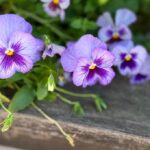
Many varieties display deep violet upper petals combined with bright golden yellow lower petals. Fine dark lines radiate from the center of each flower, acting as nectar guides that attract bees and other beneficial pollinators. This intricate pattern gives every blossom a hand-painted appearance and adds to the flower’s unique appeal.
Most purple and yellow violas grow between 4 and 8 inches tall with a spread of approximately 6 to 10 inches. Their tidy size makes them ideal for edging walkways, filling gaps between larger plants, and adding bursts of color to decorative containers.
Why Purple and Yellow Violas Are So Popular
Gardeners continue to choose purple and yellow violas because they combine beauty with dependable performance. Unlike many flowering annuals that struggle in cooler temperatures, violas thrive when the weather is mild and often bloom continuously for weeks with very little maintenance.
Their long flowering season provides months of color, while their compact habit keeps gardens looking neat and full. Regular watering, occasional fertilizing, and removing faded blooms encourage even more flowers throughout the growing season.
Beyond their ornamental value, purple and yellow violas also support pollinators by providing nectar for bees, butterflies, and other beneficial insects during seasons when fewer flowers are available. Their ability to tolerate light frosts makes them one of the best choices for extending seasonal color in the garden.
The Best Places to Grow Purple and Yellow Violas
Purple and yellow violas perform best in fertile, well-drained soil that stays consistently moist without becoming soggy. They flourish in full sun during the cooler months, while gardeners in warmer climates often achieve the best results by providing afternoon shade to protect the blooms from excessive heat.
These versatile flowers fit beautifully into almost any landscape design. They are excellent for borders, cottage gardens, raised beds, rock gardens, containers, hanging baskets, and window boxes. Their compact size also makes them perfect for planting beneath shrubs or alongside spring-flowering bulbs, where they create colorful layers of blooms.
A Bright Beginning to Every Gardening Season
Adding purple and yellow violas to your landscape is one of the easiest ways to create a vibrant, welcoming garden filled with continuous blooms. Their cheerful flowers, compact growth, and exceptional cold tolerance make them reliable performers that return season after season with stunning displays of color.
Whether you are refreshing a flower bed, decorating a front porch with containers, or creating a pollinator-friendly landscape, purple and yellow violas provide lasting beauty with minimal effort. Their timeless charm and dependable flowering habit make them an essential addition to any cool-season garden.
How to Grow and Care for Purple and Yellow Violas
Choosing the Perfect Planting Location
Purple and yellow violas thrive when they are planted in a location that provides the right balance of sunlight and cool temperatures. In northern regions, they perform beautifully in full sun, where they receive at least six hours of direct light each day. In warmer climates, afternoon shade helps protect the delicate flowers from intense heat and keeps the plants blooming longer.
Good air circulation is equally important. Proper spacing allows leaves to dry quickly after watering or rain, reducing the likelihood of fungal diseases while encouraging healthy growth.
Soil Requirements
Healthy soil is the foundation of vigorous viola plants. Purple and yellow violas grow best in fertile, well-drained soil that is rich in organic matter. Before planting, work compost or well-aged organic material into the soil to improve both drainage and moisture retention.
A slightly acidic to neutral soil with a pH between 6.0 and 7.0 provides ideal growing conditions. Heavy clay soils should be amended with compost to improve drainage, while sandy soils benefit from additional organic matter to help retain moisture.
Planting Purple and Yellow Violas
Violas are commonly planted as young nursery transplants, although they can also be started from seed. When planting outdoors, dig a hole slightly larger than the root ball and position the plant so the crown sits level with the surrounding soil.
Space plants approximately 6 to 8 inches apart. This gives each viola enough room to spread while creating a full display of colorful blooms as the plants mature.
After planting, water thoroughly to settle the soil around the roots and eliminate air pockets.
Watering for Healthy Blooms
Purple and yellow violas appreciate evenly moist soil but do not tolerate standing water. Water deeply whenever the top inch of soil begins to dry. During periods of warm or windy weather, plants may require more frequent watering.
Applying water directly to the soil instead of the foliage helps reduce the risk of mildew and other fungal diseases. A layer of organic mulch around the plants also helps conserve moisture, regulate soil temperature, and suppress weeds.
Fertilizing Throughout the Season
Regular feeding encourages continuous flowering and healthy foliage. Apply a balanced, slow-release fertilizer at planting time, then supplement with a diluted liquid fertilizer every three to four weeks during the growing season.
Avoid applying excessive nitrogen, which encourages lush leaf growth at the expense of flowers. A fertilizer formulated for flowering plants helps support abundant blooming.
Deadheading and Routine Maintenance
Removing faded flowers is one of the easiest ways to keep purple and yellow violas blooming. Deadheading prevents the plant from producing seeds and redirects its energy toward forming new flower buds.
Inspect plants regularly and trim away any yellowing leaves or damaged stems. This simple maintenance improves air circulation, keeps the plants looking tidy, and promotes fresh new growth.
If plants begin to look leggy as temperatures rise, lightly trim them back by one-third. With proper watering and feeding, they often produce another flush of blooms once cooler weather returns.
Growing Purple and Yellow Violas in Containers
Purple and yellow violas are outstanding container plants because of their compact size and long bloom season. Choose containers with drainage holes and fill them with a high-quality potting mix designed for flowering plants.
Container-grown violas usually require more frequent watering than those planted in the ground, especially during dry weather. Fertilizing every two to three weeks with a water-soluble bloom fertilizer helps maintain vigorous growth and continuous flowering.
Mixing purple and yellow violas with ornamental grasses, ivy, alyssum, or other cool-season annuals creates beautiful container displays that brighten patios, balconies, and entryways.
Common Problems and Simple Solutions
Purple and yellow violas are relatively low-maintenance, but they can occasionally encounter common garden challenges. Aphids, slugs, and snails may feed on young growth, while prolonged periods of damp weather can encourage powdery mildew or root rot.
Most problems can be prevented by providing good drainage, avoiding overhead watering, maintaining proper spacing, and removing damaged foliage promptly. Healthy plants grown under the right conditions are naturally more resistant to pests and diseases.
With consistent care, purple and yellow violas reward gardeners with months of cheerful blooms, making them one of the most dependable and colorful additions to cool-season landscapes.
Seasonal Care Throughout the Year
Purple and yellow violas reward gardeners with months of colorful blooms when given a little attention throughout the growing season. During spring, plants quickly establish themselves and begin producing an abundance of flowers. This is the perfect time to keep the soil consistently moist, apply a balanced fertilizer, and remove spent blooms to encourage continuous flowering.
As temperatures begin to rise in late spring and early summer, violas may slow their bloom production. In regions with hot summers, providing afternoon shade and maintaining even soil moisture helps reduce heat stress. A light trim can refresh plants that have become leggy and may encourage another round of flowers if cooler weather returns.
Autumn often brings a second spectacular display of blooms. Cooler temperatures allow purple and yellow violas to thrive once again, making them an excellent choice for refreshing containers, flower beds, and borders after summer annuals begin to fade.
In areas with mild winters, these hardy flowers frequently continue blooming through much of the season. Their ability to tolerate light frosts makes them one of the few plants capable of adding vibrant color to winter landscapes.
The Best Companion Plants for Purple and Yellow Violas
Purple and yellow violas pair beautifully with many other cool-season flowers and foliage plants. Their compact growth and vibrant colors allow them to blend naturally into a wide variety of garden styles.
Excellent companion plants include:
Spring-flowering tulips for bold seasonal color.
Daffodils that bloom alongside violas in early spring.
Hyacinths for fragrance and contrasting flower shapes.
Sweet alyssum to create soft, cascading borders.
Dusty miller for striking silver foliage.
Ornamental kale and cabbage for colorful fall and winter displays.
Heuchera, whose richly colored leaves provide year-round contrast.
These combinations create layered plantings filled with texture, color, and continuous visual interest throughout multiple seasons.
Landscaping Ideas
Purple and yellow violas are among the most versatile flowering plants available. Their cheerful blooms can brighten nearly every part of the landscape.
Plant them along sidewalks to create colorful pathways that welcome visitors.
Use them as edging around vegetable gardens where they attract pollinators while adding ornamental beauty.
Fill decorative containers near patios and entryways for an instant burst of seasonal color.
Plant them beneath flowering shrubs or around young trees where they provide attractive ground-level interest.
Incorporate them into cottage gardens alongside roses, foxgloves, and other traditional favorites for a timeless garden design.
Because they remain compact, violas fit easily into small gardens while still making a significant visual impact.
Harvesting Edible Flowers
One of the delightful features of purple and yellow violas is that their flowers are edible when grown without harmful pesticides or chemical treatments. Their mild, slightly sweet flavor makes them a beautiful garnish for both sweet and savory dishes.
Fresh blossoms can be added to green salads, fruit platters, cheese boards, cakes, cupcakes, cookies, and cocktails. They also make elegant decorations for desserts and can be frozen inside ice cubes for colorful beverages.
Harvest flowers during the cool morning hours after the dew has dried. Select blossoms that are fully open and free from damage, then rinse gently before using.
Interesting Facts About Purple and Yellow Violas
Purple and yellow violas have been cultivated for centuries and remain one of the world’s most beloved cool-season flowers.
The name “viola” comes from the Latin word for violet.
Many viola varieties naturally self-seed, producing new plants the following season.
Their nectar guides help direct bees and other pollinators toward the center of each bloom.
Violas belong to one of the largest flowering plant genera, with hundreds of species and countless cultivated hybrids.
They have long symbolized remembrance, faithfulness, and joyful thoughts in the language of flowers.
Their remarkable ability to bloom during cool weather has made them favorites in gardens across many climates.
Bringing Cheerful Color to Your Garden
Purple and yellow violas are proof that some of the smallest flowers can make the biggest impression. Their bright two-toned blossoms, long blooming season, and easy-care nature make them an outstanding choice for gardeners of every skill level. Whether planted in borders, containers, window boxes, or mixed flower beds, they deliver dependable color from the first cool days of spring through autumn and, in many regions, even into winter.
With the right growing conditions and a little routine care, these charming flowers will reward you with months of continuous blooms while attracting pollinators and adding warmth and character to your landscape. If you are looking for a flower that combines beauty, versatility, and reliability, purple and yellow violas are sure to become one of your favorite additions to the garden year after year.