Red Pansies Growing Guide: Bright, Cheerful Blooms for Every Cool-Season Garden
Use this red pansies growing guide to learn when and where to plant pansies, how to care for them, and how to create colorful cool-season displays.
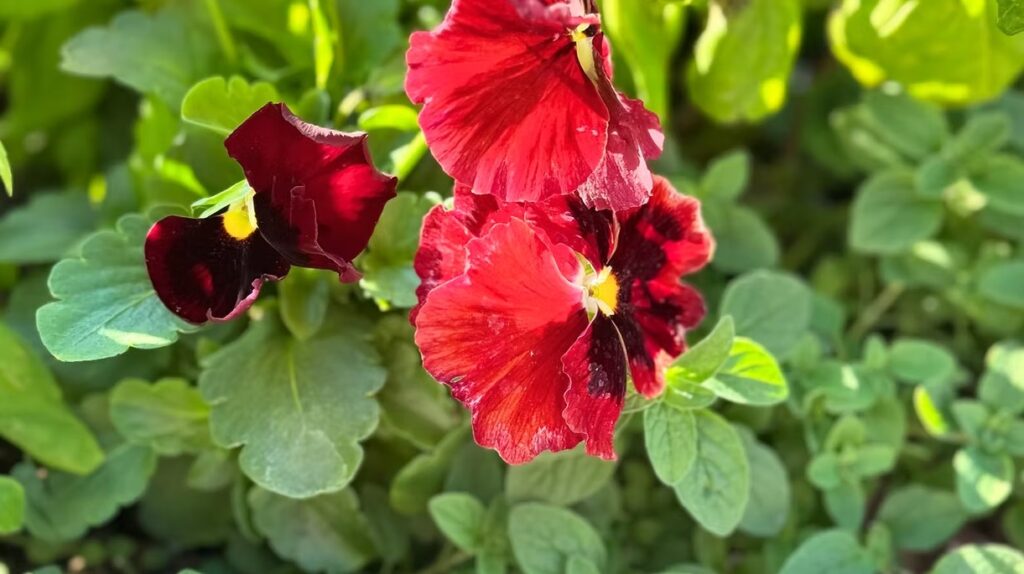
Red pansies bring rich, energetic color to the garden just when many other flowers are beginning to fade. Their velvety petals appear in shades ranging from bright cherry red to deep burgundy, often accented by golden centers or dark, face-like markings. Planted in beds, borders, window boxes, and containers, these compact flowers can transform an ordinary cool-season garden into a cheerful display.
Garden pansies, commonly classified as Viola × wittrockiana, perform best when temperatures are cool. Depending on the local climate, they may flower from fall through spring or provide an early burst of color before warmer weather arrives. Although gardeners usually grow them as annuals, their ability to tolerate frost makes them especially valuable for extending the ornamental season.
This red pansies growing guide explains how to choose healthy plants, prepare the soil, encourage abundant flowers, and protect pansies during challenging weather. With proper timing and consistent care, these colorful plants can remain attractive for months.
Why Grow Red Pansies?
Red pansies are easy to notice, even when planted in a small group. Their warm color stands out against green foliage and creates a striking contrast with the subdued shades of autumn and winter landscapes.
Clear-faced red pansies have petals that are predominantly one color, while faced varieties display dark blotches near the center. Some flowers are deep crimson or wine red, while others lean toward scarlet, rust, or red-orange. Because the exact color can vary by cultivar and growing conditions, it is helpful to select plants while they are blooming.
Pansies have a naturally compact growth habit that works well at the front of flower beds. They are equally suited to patios, balconies, porches, raised beds, and small urban gardens. Their shallow root systems also make them practical choices for window boxes and seasonal mixed containers.
When to Plant Red Pansies
The best planting time depends on the regional climate. In areas with relatively mild winters, pansies are commonly planted in fall after intense summer heat has passed. This gives the roots time to establish before colder weather arrives and may provide flowers throughout fall, winter, and spring.
In regions with severe winters and deeply frozen soil, gardeners often plant pansies in early spring as soon as the ground can be worked. The plants can tolerate chilly air and light frost, but newly transplanted pansies still benefit from gradual exposure to outdoor conditions.
Avoid planting too early during hot weather. High temperatures can cause pansies to stretch, develop weak growth, and produce fewer flowers. They may also become more vulnerable to certain insects and diseases. For fall planting, wait until daytime and nighttime temperatures have cooled consistently.
Local extension recommendations are especially useful because planting schedules can vary considerably between regions and even between different elevations within the same area.
Choosing Healthy Pansy Plants
Look for compact, well-branched plants with deep green foliage. A healthy plant should sit firmly in its container without appearing wilted, yellow, or excessively stretched.
Check the undersides of the leaves for insects and examine the crown for signs of decay. Avoid plants with heavily spotted foliage, mushy stems, or roots that circle densely around the outside of the root ball. A few open flowers make it easier to confirm the color, but plants with numerous unopened buds may provide a longer initial display after planting.
When combining several red pansies, purchase plants from the same cultivar series if a consistent color and growth habit are important. Different cultivars labeled red may bloom in noticeably different shades.
Selecting the Best Location
Red pansies generally bloom most generously in full sun during cool weather. A location receiving approximately six hours of direct sunlight can support dense growth and plentiful flowers. Morning sun is particularly helpful because it dries dew from the leaves and flowers.
Some afternoon shade may help pansies last longer as spring temperatures rise, especially in warmer regions. Too much shade, however, can produce fewer flowers and stretched stems.
Good drainage is essential. Pansies need regular moisture, but their roots and crowns can rot in soil that remains waterlogged. Avoid low areas where rain collects or where melting snow drains slowly.
Preparing the Soil
Pansies grow best in loose, fertile soil that retains moderate moisture while allowing excess water to escape. Before planting, loosen compacted garden soil and incorporate finished compost or another well-decomposed organic amendment when needed.
A soil test is the most reliable way to evaluate pH and nutrient levels. It can also prevent unnecessary fertilizer applications. If the planting area has heavy clay or persistent drainage problems, consider using a raised bed or container instead of trying to correct the problem with a small planting hole.
Do not amend only the individual holes with large amounts of rich material. Creating a consistent planting area encourages the roots to spread beyond the original root ball.
How to Plant Red Pansies
Water the pansies before removing them from their nursery containers. Arrange the pots across the bed first so you can evaluate the spacing and color pattern before planting.
Set each pansy at approximately the same depth at which it grew in its original container. Planting too deeply can leave the crown vulnerable to rot, while planting too shallowly may expose the roots to drying air.
Spacing requirements vary by cultivar, but approximately 6 to 10 inches between plants is suitable for many garden pansies. Closer spacing creates a fuller display quickly, while wider spacing gives each plant more room to expand and may improve air movement.
Firm the soil gently around the root balls, then water the entire planting area thoroughly. Apply a light layer of mulch around the plants, keeping it away from the crowns and leaves.
Watering Red Pansies
Keep newly planted pansies evenly moist while their roots become established. Afterward, water when the upper layer of soil begins to feel dry rather than following a rigid schedule.
The plants should not be allowed to remain soggy. Constantly saturated soil restricts oxygen around the roots and encourages decay. Containers require closer attention because their potting mix can dry faster than garden soil, particularly on sunny or windy days.
Water near the base of the plants whenever possible. Morning watering gives splashed foliage and flowers time to dry before nightfall, which can help reduce conditions favorable to fungal problems.
Pansies may still need water during winter. Frozen soil, dry air, and strong wind can dehydrate the plants even when temperatures are low. Water during a mild part of the day when the soil is not frozen.
Fertilizing for Healthy Growth
A soil test should guide fertilizer use in garden beds. If nutrients are needed, choose a fertilizer suitable for flowering annuals and follow the package directions carefully.
Too much fertilizer, particularly excessive nitrogen, can encourage soft foliage at the expense of flowers. It can also cause pansies to become tall and floppy. Container-grown plants may need occasional feeding because repeated watering gradually carries nutrients out of the potting mix.
Cold soil affects the way plants absorb nutrients. Gardeners maintaining winter pansies should follow locally appropriate fertilizer recommendations instead of assuming that a summer annual fertilizer schedule will work equally well.
Encouraging More Flowers
Regular grooming keeps red pansies looking fresh and directs energy toward new growth. Pinch or cut off faded flowers along with the developing seedpods beneath them. Remove damaged leaves and flowers after frost, heavy rain, or wind.
If stems become long and untidy, lightly trim the plants to encourage branching. Avoid removing too much foliage at one time, especially when the pansies are already stressed by weather.
A temporary reduction in flowers may occur during very cold periods. Healthy plants often resume blooming when moderate temperatures return.
Growing Red Pansies in Containers
Red pansies make excellent container plants because their saturated color is easy to appreciate at eye level. Use a container with unobstructed drainage holes and fill it with a fresh, high-quality potting mix.
Do not use dense garden soil in pots. It may compact, drain poorly, and become extremely heavy when wet. Empty any saucers that hold standing water after rain or irrigation.
Containers expose roots to greater temperature fluctuations than garden beds. During severe cold, move small pots to a sheltered but cool location or protect them according to recommendations for your region. Choose weather-resistant containers if freezing conditions are expected because porous or fragile materials can crack after absorbing water.
Red pansies can fill a container by themselves or surround a taller seasonal centerpiece. Their low, mounded growth also works well near the edge of a window box.
Protecting Pansies During Cold Weather
Established pansies are surprisingly tolerant of frost, but their foliage and flowers may temporarily wilt or darken when temperatures fall sharply. This reaction does not always mean the plant has died. Wait until the weather moderates before removing damaged growth.
A light mulch can help insulate the soil and reduce rapid moisture loss. During unusually severe freezes, additional protection may be needed, particularly for recent transplants and container plants. Use a breathable frost cloth or another locally recommended covering and secure it so it does not crush the flowers.
Cold, drying wind can be as damaging as low temperature. A sheltered location can improve winter performance, but the plants should still receive adequate sunlight and air circulation.
Heat and the End of the Pansy Season
Pansies are cool-season flowers, so they naturally decline when sustained heat arrives. Common signs of heat stress include elongated stems, smaller flowers, yellowing foliage, and reduced blooming.
Afternoon shade, consistent moisture, and regular grooming may extend the display for a short period, but they cannot completely overcome hot summer conditions. In many climates, gardeners remove pansies when they become tired and replace them with heat-tolerant annuals.
This seasonal transition is normal and does not indicate poor care. Red pansies are most rewarding when they are planted for the cool months in which they naturally thrive.
Common Pests and Diseases
Aphids, slugs, snails, spider mites, and other garden pests may occasionally feed on pansies. Inspect the plants regularly, including the undersides of the leaves, so problems can be addressed before they become severe.
Wet foliage, overcrowding, poor drainage, and decaying flowers can contribute to disease problems. Adequate spacing, morning watering, and prompt removal of damaged plant material help create healthier growing conditions.
Root and crown problems often begin below the soil surface. A plant that remains wilted despite moist soil, collapses at the base, or develops dark, decaying roots may be suffering from a disease or drainage issue. Remove badly affected plants and avoid immediately replacing them without first evaluating the site.
Use pesticides only after identifying the problem correctly. Follow the product label and consider the possible presence of pollinators or other beneficial insects.
Garden Design Ideas for Red Pansies
Red pansies can create either a bold focal point or a warm seasonal accent. A mass planting of one red cultivar produces a polished block of color, while several related shades create a softer, more varied display.
Pair red pansies with white flowers for crisp contrast or with yellow and gold plants for a warm, cheerful palette. Burgundy foliage and dark evergreen backgrounds intensify the richness of red petals. Silver foliage can lighten the arrangement and give the flowers a more refined appearance.
For fall displays, combine red pansies with ornamental kale, small evergreen accents, and seasonal foliage. In winter containers, their color works beautifully with evergreen branches and decorative twigs. For early spring, plant them near compatible bulbs so their low flowers fill the spaces beneath taller blooms.
Remember that surrounding colors influence how red is perceived. A red pansy may appear brighter beside white flowers and deeper beside purple or burgundy companions.
Are Red Pansies Perennials?
Pansies are botanically short-lived perennials, but gardeners usually treat them as cool-season annuals or biennials. Their ability to return depends on the cultivar, summer heat, winter severity, moisture, disease pressure, and local growing conditions.
In mild climates, plants may survive for an extended period. In areas with hot summers, they often decline before the next cool season. In very cold regions, winter conditions may be too severe for reliable survival.
Allowing flowers to produce seed does not guarantee that future plants will match the original red cultivar. Many modern pansies are hybrids, so seedlings can vary in color, flower form, and vigor.
A Cheerful Choice for Cool-Season Color
Red pansies bring welcome warmth to seasons often dominated by bare branches and muted landscapes. Their compact size makes them suitable for gardens of nearly every scale, while their impressive range of red shades offers plenty of creative possibilities.
Success begins with planting at the right time. Give red pansies cool weather, sufficient sunlight, well-drained soil, and steady moisture. Continue removing faded flowers and watching for signs of stress. With these simple practices, red pansies can provide a vivid and cheerful display throughout the cool-season garden.
Rich crimson pansies glow against fresh green foliage in the garden.
Discover how to grow red geranium and pansies together in containers and garden beds with seasonal tips for sunlight, watering, planting, and care. Red geraniums and pansies create a cheerful garden combination filled with rich color, layered texture, and classic charm. The rounded flower clusters of red geraniums rise above the delicate, face-like blooms of pansies, producing a display that feels both polished and welcoming. This pairing works beautifully in porch pots, window boxes, patio planters, hanging baskets, and seasonal flower beds. Although these plants have somewhat different temperature preferences, they can grow together successfully when their shared needs are carefully balanced. Pansies flourish during cooler weather, while annual geraniums become more vigorous as temperatures warm. Their seasons often overlap during spring and fall, making it possible to enjoy both flowers in the same arrangement. The phrase red geranium commonly refers to an annual Pelargonium rather than a hardy perennial geranium. Pansies are generally Viola × wittrockiana hybrids grown for their colorful cool-season flowers. Understanding the growth habits of both plants will help you create a healthier and longer-lasting display. Why Red Geraniums and Pansies Look Beautiful Together Red geraniums bring height, structure, and bold color to a mixed planting. Their rounded leaves and prominent flower clusters make them natural focal points. Pansies grow lower to the ground, filling the spaces around the geraniums with smaller flowers and soft green foliage. This difference in height creates an attractive layered design. The geraniums form the central or background structure, while the pansies soften the edges of the arrangement. In containers, pansies can be planted near the rim, where their flowers remain visible beneath the taller geraniums. Color selection can make the combination feel dramatic, romantic, festive, or playful. Yellow and white pansies brighten deep red geraniums, while purple or blue pansies create a striking complementary contrast. Burgundy, rose, and antique-toned pansies produce a more sophisticated palette. Pansies with red or maroon markings can visually connect the two plants and make the entire arrangement feel coordinated. Can Geraniums and Pansies Grow in the Same Container? Red geraniums and pansies can grow in the same container, especially during mild spring and fall weather. Both perform best in fertile, well-drained growing media and need enough light to flower well. A container with unobstructed drainage holes is essential because neither plant thrives in waterlogged soil. Choose a container large enough to accommodate the mature size of the geranium and the surrounding pansies. A broad planter generally provides more room for roots and makes it easier to maintain balanced moisture. Position the geranium in the center of a round pot or toward the back of a planter that will be viewed primarily from one side. Arrange the pansies around the base without crowding their crowns against the geranium stems. Use a high-quality container mix rather than heavy garden soil. Potting mix allows water to drain while retaining enough moisture for the pansies. It also reduces the compaction that can restrict roots in containers. Finding the Right Amount of Sunlight Geraniums generally produce the most flowers in a sunny location. Pansies also flower well in bright light during cool weather, but they appreciate protection from intense afternoon sun when temperatures begin to rise. A location with morning sun and light afternoon shade is often a practical compromise for a mixed planting. During cool spring weather, the container may tolerate a sunnier position. As summer approaches, moving it away from reflected heat can help the pansies remain attractive longer. Too much shade may cause the geranium to become leggy and produce fewer flowers. Too much heat can cause pansies to stretch, fade, or stop flowering. Watch the plants rather than relying only on a fixed sunlight rule. Their appearance will help indicate whether the location needs adjustment. Balancing Their Watering Needs The greatest challenge when growing red geraniums and pansies together is balancing moisture. Pansies prefer reasonably consistent moisture, while geraniums tolerate brief dry periods better than persistently wet roots. Check the soil before watering. If the surface has begun to dry, water thoroughly until the excess drains from the bottom of the container. Avoid leaving the planter in a saucer filled with standing water. The goal is evenly moist but well-aerated soil, not a constantly saturated root zone. Containers may need more frequent attention during sunny, windy, or warm weather. However, watering on a rigid schedule can lead to overwatering. The size and material of the container, the weather, and the stage of plant growth will all influence how quickly the soil dries. Apply water to the soil instead of repeatedly wetting the flowers and foliage. Removing damaged leaves and faded blossoms also helps keep the planting tidy and improves air movement around the plants. Planting Red Geraniums and Pansies in Garden Beds This combination can also be used in borders and flower beds. Place red geraniums toward the middle or back of the bed and use pansies as a low-growing foreground. Repeating the colors throughout the planting creates a more intentional design than placing a single geranium and a few scattered pansies in isolation. Select a site where water does not collect after rain. If the soil is heavy or compacted, improve the bed with appropriate organic matter based on local soil conditions. A soil test can provide more accurate guidance about fertility and pH than fertilizing by guesswork. Allow enough room for each geranium to develop without covering the pansies. Plant spacing varies by cultivar, so use the mature width listed on the plant label as a guide. Good spacing improves air circulation and helps each flower remain visible. Seasonal Care for Spring Spring is one of the best times to display red geraniums and pansies together, but planting time depends on local frost conditions. Pansies tolerate cool weather better than tender annual geraniums. Geraniums should generally remain protected until the danger of frost has passed and the soil has warmed. In colder regions, gardeners can enjoy pansies first and add geraniums when conditions
Discover why kale and pansies make the perfect cool-season garden combination. Learn how to grow, care for, harvest, and enjoy these beautiful edible plants while creating a colorful and productive garden. There is something truly rewarding about a garden that offers both beauty and fresh harvests. Kale and pansies are an excellent example of this perfect balance. Kale produces an abundance of nutritious leafy greens, while pansies brighten the landscape with cheerful flowers in shades of purple, yellow, orange, blue, white, and burgundy. Best of all, both are edible, making them a wonderful addition to gardens that celebrate the journey from garden to table. Because kale and pansies thrive during the cooler months of the year, they grow beautifully side by side in raised beds, containers, window boxes, and traditional garden borders. Their contrasting textures create visual interest, with the bold, ruffled leaves of kale serving as a striking backdrop for the delicate blooms of pansies. Whether you are planting a decorative edible landscape or simply adding a splash of color to your vegetable garden, this pairing offers months of beauty and harvests with relatively little maintenance. Why Kale and Pansies Grow So Well Together Kale and pansies share many of the same growing requirements, making them natural companions in the garden. Both plants flourish in cool temperatures and perform their best during spring and fall. In regions with mild winters, they often continue growing and producing throughout the season. The lush green foliage of kale complements the vibrant colors of pansies, creating an eye-catching display that looks just as beautiful in a flower bed as it does in a vegetable garden. Pansies soften the appearance of large kale plants, while kale provides height and texture that helps showcase the flowers. Together, they create a garden that is productive, colorful, and inviting. Choosing the Right Varieties Gardeners have many excellent kale varieties to choose from. Curly kale is known for its frilly leaves and attractive appearance. Lacinato kale, sometimes called dinosaur kale, produces long blue-green leaves with a slightly sweeter flavor. Red Russian kale offers beautiful purple stems and tender leaves that become even sweeter after cool weather arrives. Pansies are available in hundreds of varieties featuring nearly every color imaginable. Some produce large blossoms with distinctive dark centers, while others bloom with smaller flowers in bold, solid colors. Mixing several varieties together creates a cheerful display that brightens the garden throughout the season. Ideal Growing Conditions Both kale and pansies prefer fertile, well-draining soil enriched with compost or other organic matter. Healthy soil encourages vigorous growth, abundant foliage, and continuous flowering. Choose a location that receives at least six hours of sunlight each day. In warmer climates, afternoon shade helps protect plants from excessive heat as temperatures begin to rise. Consistent watering keeps both plants healthy. Water deeply whenever the top inch of soil feels dry, taking care not to leave the soil soggy. A layer of mulch helps conserve moisture, regulate soil temperatures, and reduce weed growth. Planting Kale and Pansies Together Plant kale approximately 12 to 18 inches apart to allow room for mature leaves to develop. Pansies can be tucked around the base of each kale plant or planted along the edges of garden beds to create a colorful border. This layered planting design makes excellent use of available space while creating a landscape full of texture and color. The compact growth habit of pansies fills empty spaces beneath the taller kale plants, helping to reduce weeds while enhancing the overall appearance of the garden. This combination also works exceptionally well in decorative containers. Position a kale plant near the center of a large pot and surround it with several colorful pansies for an edible arrangement that looks beautiful on patios, porches, or balconies. Caring for Your Plants Kale and pansies are relatively easy to maintain throughout the growing season. Water regularly, especially during dry periods, to encourage healthy foliage and continuous blooms. Feed plants every few weeks with compost or a balanced fertilizer to replenish nutrients and support steady growth. Remove yellow or damaged kale leaves as they appear, allowing the plant to focus its energy on producing new growth. Deadhead faded pansy flowers by removing spent blooms. This simple task encourages the plants to continue producing fresh blossoms throughout the season. Maintaining good airflow around both plants also helps reduce the risk of fungal diseases. Companion Planting Benefits Growing kale and pansies together provides more than just visual appeal. Pansies attract bees and other beneficial pollinators that support a healthy garden ecosystem. Their flowers add valuable nectar during cooler months when fewer plants are blooming. Meanwhile, kale serves as a structural centerpiece that adds height and texture to planting beds. Together, they create a diverse garden that encourages beneficial insects while providing fresh ingredients for the kitchen. Harvesting Kale Kale is one of the easiest vegetables to harvest continuously. Begin picking leaves once they are large enough to use. Always harvest the oldest outer leaves first while leaving the younger center leaves untouched. This allows the plant to continue producing new growth for many weeks. One of kale’s most appreciated qualities is that cool temperatures improve its flavor. After a light frost, the leaves often become sweeter and more tender, making late-season harvests especially delicious. Harvesting Pansies Pansy flowers are best harvested during the cool morning hours after the dew has dried. Only harvest flowers that have been grown without pesticides or ornamental chemicals. Gently rinse the blossoms before using them in recipes or as decorative garnishes. Frequent harvesting encourages the plants to produce even more flowers throughout the season. Culinary Uses Kale is one of the most versatile vegetables you can grow. Fresh leaves add texture to salads and smoothies, while mature leaves are delicious when sautéed, roasted, steamed, or added to soups, stews, casseroles, and gluten-free pasta dishes. Kale also makes flavorful homemade chips that are both nutritious and satisfying. Pansies are equally versatile in the kitchen. Their colorful blooms can
Learn how to grow purple pansies in garden beds and containers with helpful tips for planting, watering, sunlight, care, and companion plants. Purple pansies bring rich color, velvety petals, and old-fashioned charm to garden beds, containers, and window boxes. Their expressive blooms appear in shades ranging from soft lavender to deep violet, often accented by contrasting centers that resemble tiny faces. These cool-season flowers can brighten the garden when many warm-season plants are resting or have not yet begun to bloom. Known botanically as Viola × wittrockiana, garden pansies are compact flowering plants commonly grown as annuals, biennials, or short-lived perennials, depending on the climate. They perform especially well during the mild temperatures of spring and fall. In regions with gentle winters, they may continue flowering through much of the cooler season. Purple pansies are easy to combine with other flowers and foliage plants, making them a versatile choice for both formal and relaxed garden designs. With suitable light, consistent moisture, and protection from excessive heat, these timeless flowers can provide weeks or even months of beautiful color. Why Grow Purple Pansies? Purple pansies offer a combination of beauty, versatility, and cool-season performance. Their low, mounded growth habit makes them ideal for edging pathways, filling gaps near the front of flower beds, and adding color beneath taller plants. They also grow well in pots, hanging baskets, window boxes, and mixed seasonal containers. The color purple adds depth and elegance to the landscape. Deep violet varieties create dramatic contrast when paired with white, yellow, or pale pink flowers. Lavender pansies produce a softer cottage-garden appearance and blend beautifully with silver foliage, blue-green leaves, and pastel spring blooms. Pansies may also attract small pollinating insects during mild weather when other flowers are limited. Their long blooming period makes them particularly valuable for extending seasonal garden interest. When to Plant Purple Pansies The best planting time depends on the local climate. Pansies prefer cool conditions and generally grow best when daytime temperatures are mild and nights are cool. In regions with cold winters, pansies are typically planted in early spring as soon as the soil can be worked. Nursery-grown transplants provide immediate color and usually begin establishing quickly. Gardeners may also plant pansies in early fall, although the plants need enough time to develop roots before the ground freezes. In warmer climates with mild winters, pansies are often planted in fall for winter and early-spring flowers. They may bloom for several months before declining as summer heat arrives. Avoid planting pansies immediately before an extended period of hot weather. High temperatures can cause the plants to become leggy, produce fewer flowers, or stop blooming altogether. Choosing the Right Location Purple pansies perform best in full sun during cool weather. A location receiving approximately six hours of direct sunlight can encourage compact growth and abundant flowers. In areas with warmer spring or fall temperatures, light afternoon shade may help protect the plants from heat stress. Morning sun combined with afternoon shade is often a good arrangement because the plants receive enough light for flowering while avoiding the strongest part of the day’s heat. Good air circulation is also important. Crowded plants and constantly damp foliage can create conditions that encourage fungal problems. Space pansies according to the mature size listed for the selected variety, allowing the leaves to dry after rain or watering. Preparing the Soil Pansies grow best in fertile, well-drained soil that retains light moisture without remaining soggy. Heavy or compacted ground can hold too much water around the roots, while very sandy soil may dry too quickly. Before planting, loosen the soil and mix in finished compost or another suitable form of organic matter. This can improve drainage, moisture retention, and overall soil structure. Raised beds and containers are useful alternatives where garden soil drains poorly. When growing pansies in pots, use a quality container mix rather than dense garden soil. Every container should have unobstructed drainage holes so excess water can escape. How to Plant Purple Pansies Dig a hole approximately as deep as the plant’s nursery container and slightly wider than the root ball. Carefully remove the pansy from its pot, taking care not to pull or damage the stems. Place the plant in the hole with the top of the root ball level with the surrounding soil. Planting too deeply can hold moisture around the crown and contribute to poor growth. Gently return soil around the roots, press it lightly into place, and water thoroughly. A thin layer of mulch can help moderate soil temperature and reduce moisture loss. Keep mulch from touching the crowns and stems, since constant moisture directly against the plant may encourage decay. Watering Purple Pansies Consistent moisture supports healthy pansy growth and flower production. Water when the top layer of soil begins to feel dry, soaking the root zone thoroughly instead of applying a small amount only to the surface. The exact watering schedule will vary with temperature, rainfall, soil type, and container size. Potted pansies generally dry faster than plants growing in the ground and may require more frequent attention. Whenever possible, water near the base of the plants in the morning. This gives splashed foliage time to dry before evening. Avoid allowing the soil to become waterlogged, since saturated conditions can damage the roots and increase the risk of disease. Feeding for Healthy Growth Pansies benefit from fertile soil, but excessive fertilizer can produce leafy growth at the expense of flowers. Compost incorporated before planting may provide much of the nutrition needed in a garden bed. Container-grown pansies may need occasional feeding because nutrients gradually leave the potting mix during watering. Apply an appropriate fertilizer according to its label directions, and avoid using more than recommended. If plants have healthy green foliage but few flowers, excessive nitrogen or warm weather may be contributing to the problem. Encouraging More Flowers Removing faded blossoms helps keep purple pansies neat and may encourage continued flowering. Pinch or cut off the entire spent flower
Originally published
March 2026
Updated
August 2026
Reviewed by
Culibloom