Kale and Pansies: A Beautiful and Edible Garden Combination
Discover why kale and pansies make the perfect cool-season garden combination. Learn how to grow, care for, harvest, and enjoy these beautiful edible plants while creating a colorful and productive garden.
There is something truly rewarding about a garden that offers both beauty and fresh harvests. Kale and pansies are an excellent example of this perfect balance. Kale produces an abundance of nutritious leafy greens, while pansies brighten the landscape with cheerful flowers in shades of purple, yellow, orange, blue, white, and burgundy. Best of all, both are edible, making them a wonderful addition to gardens that celebrate the journey from garden to table.
Because kale and pansies thrive during the cooler months of the year, they grow beautifully side by side in raised beds, containers, window boxes, and traditional garden borders. Their contrasting textures create visual interest, with the bold, ruffled leaves of kale serving as a striking backdrop for the delicate blooms of pansies. Whether you are planting a decorative edible landscape or simply adding a splash of color to your vegetable garden, this pairing offers months of beauty and harvests with relatively little maintenance.
Why Kale and Pansies Grow So Well Together
Kale and pansies share many of the same growing requirements, making them natural companions in the garden. Both plants flourish in cool temperatures and perform their best during spring and fall. In regions with mild winters, they often continue growing and producing throughout the season.
The lush green foliage of kale complements the vibrant colors of pansies, creating an eye-catching display that looks just as beautiful in a flower bed as it does in a vegetable garden. Pansies soften the appearance of large kale plants, while kale provides height and texture that helps showcase the flowers.
Together, they create a garden that is productive, colorful, and inviting.
Choosing the Right Varieties
Gardeners have many excellent kale varieties to choose from. Curly kale is known for its frilly leaves and attractive appearance. Lacinato kale, sometimes called dinosaur kale, produces long blue-green leaves with a slightly sweeter flavor. Red Russian kale offers beautiful purple stems and tender leaves that become even sweeter after cool weather arrives.
Pansies are available in hundreds of varieties featuring nearly every color imaginable. Some produce large blossoms with distinctive dark centers, while others bloom with smaller flowers in bold, solid colors. Mixing several varieties together creates a cheerful display that brightens the garden throughout the season.
Ideal Growing Conditions
Both kale and pansies prefer fertile, well-draining soil enriched with compost or other organic matter. Healthy soil encourages vigorous growth, abundant foliage, and continuous flowering.
Choose a location that receives at least six hours of sunlight each day. In warmer climates, afternoon shade helps protect plants from excessive heat as temperatures begin to rise.
Consistent watering keeps both plants healthy. Water deeply whenever the top inch of soil feels dry, taking care not to leave the soil soggy. A layer of mulch helps conserve moisture, regulate soil temperatures, and reduce weed growth.
Planting Kale and Pansies Together
Plant kale approximately 12 to 18 inches apart to allow room for mature leaves to develop. Pansies can be tucked around the base of each kale plant or planted along the edges of garden beds to create a colorful border.
This layered planting design makes excellent use of available space while creating a landscape full of texture and color. The compact growth habit of pansies fills empty spaces beneath the taller kale plants, helping to reduce weeds while enhancing the overall appearance of the garden.
This combination also works exceptionally well in decorative containers. Position a kale plant near the center of a large pot and surround it with several colorful pansies for an edible arrangement that looks beautiful on patios, porches, or balconies.
Caring for Your Plants
Kale and pansies are relatively easy to maintain throughout the growing season.
Water regularly, especially during dry periods, to encourage healthy foliage and continuous blooms.
Feed plants every few weeks with compost or a balanced fertilizer to replenish nutrients and support steady growth.
Remove yellow or damaged kale leaves as they appear, allowing the plant to focus its energy on producing new growth.
Deadhead faded pansy flowers by removing spent blooms. This simple task encourages the plants to continue producing fresh blossoms throughout the season.
Maintaining good airflow around both plants also helps reduce the risk of fungal diseases.
Companion Planting Benefits
Growing kale and pansies together provides more than just visual appeal.
Pansies attract bees and other beneficial pollinators that support a healthy garden ecosystem.
Their flowers add valuable nectar during cooler months when fewer plants are blooming.
Meanwhile, kale serves as a structural centerpiece that adds height and texture to planting beds.
Together, they create a diverse garden that encourages beneficial insects while providing fresh ingredients for the kitchen.
Harvesting Kale
Kale is one of the easiest vegetables to harvest continuously.
Begin picking leaves once they are large enough to use. Always harvest the oldest outer leaves first while leaving the younger center leaves untouched. This allows the plant to continue producing new growth for many weeks.
One of kale’s most appreciated qualities is that cool temperatures improve its flavor. After a light frost, the leaves often become sweeter and more tender, making late-season harvests especially delicious.
Harvesting Pansies
Pansy flowers are best harvested during the cool morning hours after the dew has dried.
Only harvest flowers that have been grown without pesticides or ornamental chemicals.
Gently rinse the blossoms before using them in recipes or as decorative garnishes.
Frequent harvesting encourages the plants to produce even more flowers throughout the season.
Culinary Uses
Kale is one of the most versatile vegetables you can grow. Fresh leaves add texture to salads and smoothies, while mature leaves are delicious when sautéed, roasted, steamed, or added to soups, stews, casseroles, and gluten-free pasta dishes. Kale also makes flavorful homemade chips that are both nutritious and satisfying.
Pansies are equally versatile in the kitchen. Their colorful blooms can decorate cakes, cookies, cupcakes, salads, charcuterie boards, fruit platters, and beverages. Freeze individual flowers inside ice cubes for elegant drinks or use them to garnish appetizers and desserts for special occasions.
Combining kale and pansies in recipes allows gardeners to create dishes that are as beautiful as they are flavorful.
Nutritional Benefits
Kale is often considered a superfood because it contains an impressive amount of vitamins A, C, and K along with calcium, potassium, fiber, antioxidants, and beneficial plant compounds that support overall wellness.
Although pansies are typically enjoyed in smaller quantities, they also contain antioxidants and naturally occurring plant pigments that contribute to their vibrant colors. Adding edible flowers to meals brings visual appeal while increasing dietary variety.
Growing in Raised Beds and Containers
Raised beds provide excellent drainage and allow gardeners to create nutrient-rich soil that supports healthy growth throughout the season.
Containers offer another excellent option for growing kale and pansies together. Select a large container with drainage holes and fill it with high-quality potting mix enriched with compost. Place kale in the center and arrange several pansies around the edges for a colorful edible display.
Container gardens make harvesting convenient while adding seasonal beauty to patios, decks, balconies, and entryways.
Seasonal Beauty Throughout the Year
One reason gardeners love this pairing is its long season of interest.
During autumn, kale and pansies replace fading summer flowers with fresh color and texture.
In regions with mild winters, both plants continue growing, bringing life to gardens that might otherwise appear dormant.
As spring arrives, they burst into renewed growth before warmer temperatures signal the transition to summer crops.
Their ability to thrive during cooler months makes them valuable additions to nearly every garden.
Common Problems and Simple Solutions
Both kale and pansies are generally reliable plants, but occasional problems may arise.
Aphids sometimes gather on new growth and can often be removed with a strong spray of water.
Cabbage worms may feed on kale leaves, making regular inspections important.
Slugs and snails occasionally nibble pansy flowers, particularly during damp weather.
Providing adequate spacing between plants improves airflow and helps reduce fungal diseases such as powdery mildew.
Healthy soil, consistent watering, and regular garden maintenance help prevent most problems before they become serious.
Creative Garden Design Ideas
Kale and pansies blend beautifully with many other cool-season plants.
Pair them with Swiss chard, parsley, rosemary, violas, calendula, ornamental cabbage, snapdragons, dusty miller, lettuce, arugula, or flowering herbs to create a colorful edible landscape.
Their combination works equally well in cottage gardens, formal borders, kitchen gardens, and decorative containers, offering endless opportunities for creative garden design.
Frequently Asked Questions
Can you eat pansy flowers?
Yes. Pansy flowers are completely edible when they have been grown without pesticides or chemicals intended for ornamental use.
Do kale and pansies survive frost?
Yes. Both plants tolerate light frosts well, and kale often develops an even sweeter flavor after exposure to cold temperatures.
How often should kale be harvested?
Harvest outer leaves regularly as they mature while leaving the center growing point untouched. This allows the plant to continue producing fresh leaves throughout the season.
Can kale and pansies grow in the same container?
Absolutely. They thrive together in containers with fertile soil, good drainage, adequate sunlight, and consistent watering.
Kale and Pansies: A Beautiful and Edible Garden Combination
Kale and pansies demonstrate that an edible garden can be every bit as beautiful as a traditional flower garden. Their shared preference for cool weather, similar growing requirements, and edible qualities make them one of the easiest and most rewarding plant combinations for home gardeners.
Whether you are planting a raised bed, decorating your front porch with containers, or designing an attractive kitchen garden, kale and pansies provide months of colorful blooms, nutritious harvests, and seasonal beauty. By combining these two remarkable plants, you can enjoy a landscape that feeds both the eyes and the table while creating a welcoming outdoor space throughout the cooler months of the year.
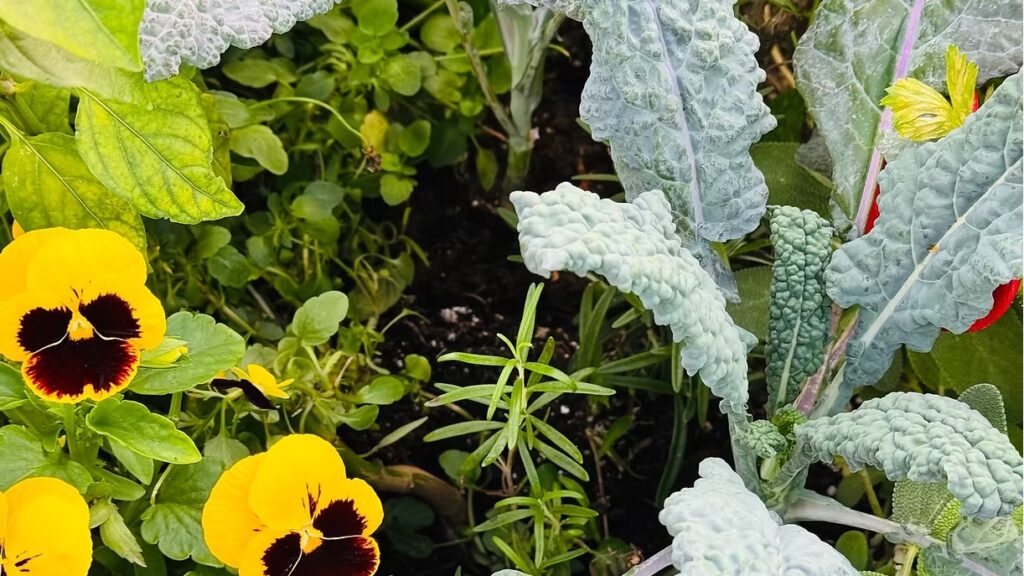
Cheerful yellow pansies brighten a garden bed filled with richly textured Tuscan kale.
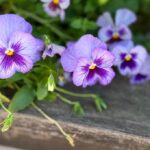
Learn how to grow purple pansies in garden beds and containers with helpful tips for planting, watering, sunlight, care, and companion plants. Purple pansies bring rich color, velvety petals, and old-fashioned charm to garden beds, containers, and window boxes. Their expressive blooms appear in shades ranging from soft lavender to deep violet, often accented by contrasting centers that resemble tiny faces. These cool-season flowers can brighten the garden when many warm-season plants are resting or have not yet begun to bloom. Known botanically as Viola × wittrockiana, garden pansies are compact flowering plants commonly grown as annuals, biennials, or short-lived perennials, depending on the climate. They perform especially well during the mild temperatures of spring and fall. In regions with gentle winters, they may continue flowering through much of the cooler season. Purple pansies are easy to combine with other flowers and foliage plants, making them a versatile choice for both formal and relaxed garden designs. With suitable light, consistent moisture, and protection from excessive heat, these timeless flowers can provide weeks or even months of beautiful color. Why Grow Purple Pansies? Purple pansies offer a combination of beauty, versatility, and cool-season performance. Their low, mounded growth habit makes them ideal for edging pathways, filling gaps near the front of flower beds, and adding color beneath taller plants. They also grow well in pots, hanging baskets, window boxes, and mixed seasonal containers. The color purple adds depth and elegance to the landscape. Deep violet varieties create dramatic contrast when paired with white, yellow, or pale pink flowers. Lavender pansies produce a softer cottage-garden appearance and blend beautifully with silver foliage, blue-green leaves, and pastel spring blooms. Pansies may also attract small pollinating insects during mild weather when other flowers are limited. Their long blooming period makes them particularly valuable for extending seasonal garden interest. When to Plant Purple Pansies The best planting time depends on the local climate. Pansies prefer cool conditions and generally grow best when daytime temperatures are mild and nights are cool. In regions with cold winters, pansies are typically planted in early spring as soon as the soil can be worked. Nursery-grown transplants provide immediate color and usually begin establishing quickly. Gardeners may also plant pansies in early fall, although the plants need enough time to develop roots before the ground freezes. In warmer climates with mild winters, pansies are often planted in fall for winter and early-spring flowers. They may bloom for several months before declining as summer heat arrives. Avoid planting pansies immediately before an extended period of hot weather. High temperatures can cause the plants to become leggy, produce fewer flowers, or stop blooming altogether. Choosing the Right Location Purple pansies perform best in full sun during cool weather. A location receiving approximately six hours of direct sunlight can encourage compact growth and abundant flowers. In areas with warmer spring or fall temperatures, light afternoon shade may help protect the plants from heat stress. Morning sun combined with afternoon shade is often a good arrangement because the plants receive enough light for flowering while avoiding the strongest part of the day’s heat. Good air circulation is also important. Crowded plants and constantly damp foliage can create conditions that encourage fungal problems. Space pansies according to the mature size listed for the selected variety, allowing the leaves to dry after rain or watering. Preparing the Soil Pansies grow best in fertile, well-drained soil that retains light moisture without remaining soggy. Heavy or compacted ground can hold too much water around the roots, while very sandy soil may dry too quickly. Before planting, loosen the soil and mix in finished compost or another suitable form of organic matter. This can improve drainage, moisture retention, and overall soil structure. Raised beds and containers are useful alternatives where garden soil drains poorly. When growing pansies in pots, use a quality container mix rather than dense garden soil. Every container should have unobstructed drainage holes so excess water can escape. How to Plant Purple Pansies Dig a hole approximately as deep as the plant’s nursery container and slightly wider than the root ball. Carefully remove the pansy from its pot, taking care not to pull or damage the stems. Place the plant in the hole with the top of the root ball level with the surrounding soil. Planting too deeply can hold moisture around the crown and contribute to poor growth. Gently return soil around the roots, press it lightly into place, and water thoroughly. A thin layer of mulch can help moderate soil temperature and reduce moisture loss. Keep mulch from touching the crowns and stems, since constant moisture directly against the plant may encourage decay. Watering Purple Pansies Consistent moisture supports healthy pansy growth and flower production. Water when the top layer of soil begins to feel dry, soaking the root zone thoroughly instead of applying a small amount only to the surface. The exact watering schedule will vary with temperature, rainfall, soil type, and container size. Potted pansies generally dry faster than plants growing in the ground and may require more frequent attention. Whenever possible, water near the base of the plants in the morning. This gives splashed foliage time to dry before evening. Avoid allowing the soil to become waterlogged, since saturated conditions can damage the roots and increase the risk of disease. Feeding for Healthy Growth Pansies benefit from fertile soil, but excessive fertilizer can produce leafy growth at the expense of flowers. Compost incorporated before planting may provide much of the nutrition needed in a garden bed. Container-grown pansies may need occasional feeding because nutrients gradually leave the potting mix during watering. Apply an appropriate fertilizer according to its label directions, and avoid using more than recommended. If plants have healthy green foliage but few flowers, excessive nitrogen or warm weather may be contributing to the problem. Encouraging More Flowers Removing faded blossoms helps keep purple pansies neat and may encourage continued flowering. Pinch or cut off the entire spent flower
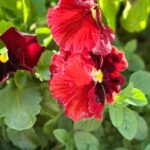
Use this red pansies growing guide to learn when and where to plant pansies, how to care for them, and how to create colorful cool-season displays. Red pansies bring rich, energetic color to the garden just when many other flowers are beginning to fade. Their velvety petals appear in shades ranging from bright cherry red to deep burgundy, often accented by golden centers or dark, face-like markings. Planted in beds, borders, window boxes, and containers, these compact flowers can transform an ordinary cool-season garden into a cheerful display. Garden pansies, commonly classified as Viola × wittrockiana, perform best when temperatures are cool. Depending on the local climate, they may flower from fall through spring or provide an early burst of color before warmer weather arrives. Although gardeners usually grow them as annuals, their ability to tolerate frost makes them especially valuable for extending the ornamental season. This red pansies growing guide explains how to choose healthy plants, prepare the soil, encourage abundant flowers, and protect pansies during challenging weather. With proper timing and consistent care, these colorful plants can remain attractive for months. Why Grow Red Pansies? Red pansies are easy to notice, even when planted in a small group. Their warm color stands out against green foliage and creates a striking contrast with the subdued shades of autumn and winter landscapes. Clear-faced red pansies have petals that are predominantly one color, while faced varieties display dark blotches near the center. Some flowers are deep crimson or wine red, while others lean toward scarlet, rust, or red-orange. Because the exact color can vary by cultivar and growing conditions, it is helpful to select plants while they are blooming. Pansies have a naturally compact growth habit that works well at the front of flower beds. They are equally suited to patios, balconies, porches, raised beds, and small urban gardens. Their shallow root systems also make them practical choices for window boxes and seasonal mixed containers. When to Plant Red Pansies The best planting time depends on the regional climate. In areas with relatively mild winters, pansies are commonly planted in fall after intense summer heat has passed. This gives the roots time to establish before colder weather arrives and may provide flowers throughout fall, winter, and spring. In regions with severe winters and deeply frozen soil, gardeners often plant pansies in early spring as soon as the ground can be worked. The plants can tolerate chilly air and light frost, but newly transplanted pansies still benefit from gradual exposure to outdoor conditions. Avoid planting too early during hot weather. High temperatures can cause pansies to stretch, develop weak growth, and produce fewer flowers. They may also become more vulnerable to certain insects and diseases. For fall planting, wait until daytime and nighttime temperatures have cooled consistently. Local extension recommendations are especially useful because planting schedules can vary considerably between regions and even between different elevations within the same area. Choosing Healthy Pansy Plants Look for compact, well-branched plants with deep green foliage. A healthy plant should sit firmly in its container without appearing wilted, yellow, or excessively stretched. Check the undersides of the leaves for insects and examine the crown for signs of decay. Avoid plants with heavily spotted foliage, mushy stems, or roots that circle densely around the outside of the root ball. A few open flowers make it easier to confirm the color, but plants with numerous unopened buds may provide a longer initial display after planting. When combining several red pansies, purchase plants from the same cultivar series if a consistent color and growth habit are important. Different cultivars labeled red may bloom in noticeably different shades. Selecting the Best Location Red pansies generally bloom most generously in full sun during cool weather. A location receiving approximately six hours of direct sunlight can support dense growth and plentiful flowers. Morning sun is particularly helpful because it dries dew from the leaves and flowers. Some afternoon shade may help pansies last longer as spring temperatures rise, especially in warmer regions. Too much shade, however, can produce fewer flowers and stretched stems. Good drainage is essential. Pansies need regular moisture, but their roots and crowns can rot in soil that remains waterlogged. Avoid low areas where rain collects or where melting snow drains slowly. Preparing the Soil Pansies grow best in loose, fertile soil that retains moderate moisture while allowing excess water to escape. Before planting, loosen compacted garden soil and incorporate finished compost or another well-decomposed organic amendment when needed. A soil test is the most reliable way to evaluate pH and nutrient levels. It can also prevent unnecessary fertilizer applications. If the planting area has heavy clay or persistent drainage problems, consider using a raised bed or container instead of trying to correct the problem with a small planting hole. Do not amend only the individual holes with large amounts of rich material. Creating a consistent planting area encourages the roots to spread beyond the original root ball. How to Plant Red Pansies Water the pansies before removing them from their nursery containers. Arrange the pots across the bed first so you can evaluate the spacing and color pattern before planting. Set each pansy at approximately the same depth at which it grew in its original container. Planting too deeply can leave the crown vulnerable to rot, while planting too shallowly may expose the roots to drying air. Spacing requirements vary by cultivar, but approximately 6 to 10 inches between plants is suitable for many garden pansies. Closer spacing creates a fuller display quickly, while wider spacing gives each plant more room to expand and may improve air movement. Firm the soil gently around the root balls, then water the entire planting area thoroughly. Apply a light layer of mulch around the plants, keeping it away from the crowns and leaves. Watering Red Pansies Keep newly planted pansies evenly moist while their roots become established. Afterward, water when the upper layer of soil begins to feel dry
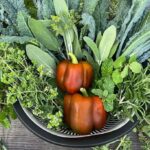
Learn how to harvest kale, peppers, and fresh herbs using garden clippers and a simple colander. Discover easy garden harvest tips to keep plants healthy, boost production, and enjoy fresh garden-to-table ingredients all season long. Harvesting fresh vegetables and herbs is one of the most rewarding parts of maintaining a home garden. Whether you are growing curly kale, sweet bell peppers, hot peppers, basil, parsley, rosemary, or thyme, knowing how to harvest them properly helps keep your plants healthy and productive throughout the growing season. One of the easiest and most practical ways to gather your harvest is with a pair of sharp garden clippers and a simple kitchen colander. While many gardeners use traditional harvest baskets, a colander offers several unique advantages. It is lightweight, easy to carry, allows loose soil to fall away naturally, and can go directly from the garden to the sink for washing fresh produce. If you are looking for an easy garden harvest method that saves time while protecting your plants, harvesting kale, peppers, and herbs with garden clippers and a colander is a simple solution that every gardener can appreciate. Why Proper Harvesting Matters Learning how to harvest vegetables correctly is just as important as learning how to grow them. Proper harvesting encourages plants to continue producing, reduces stress on stems and branches, and helps prevent unnecessary damage that can slow future growth. Garden clippers create clean, precise cuts that heal quickly, unlike twisting or pulling vegetables by hand. Clean cuts also reduce the risk of introducing diseases into your vegetable garden, especially when clippers are sanitized between plants. Regular harvesting keeps many vegetables and herbs actively producing, allowing you to enjoy fresh ingredients from your garden for weeks or even months. How to Harvest Kale Kale is one of the easiest leafy greens to grow because it produces continuously when harvested correctly. Rather than removing the entire plant, harvest the large outer leaves first while leaving the smaller center leaves untouched. This allows the growing crown to continue producing new foliage. Choose leaves that are dark green, crisp, and fully developed. Avoid removing more than one-third of the plant at one time, giving it plenty of energy to produce another flush of healthy leaves. Fresh garden kale is incredibly versatile and can be used in smoothies, salads, soups, casseroles, pasta dishes, stir-fries, and homemade kale chips. Harvesting kale regularly not only provides a steady supply of nutritious greens but also encourages stronger, healthier plants throughout the season. How to Harvest Garden Peppers Whether you grow sweet bell peppers, jalapeños, banana peppers, cayenne peppers, or colorful heirloom varieties, harvesting peppers correctly helps maximize production. Never pull peppers from the plant. Instead, use garden clippers to cut the stem about one inch above the pepper. Pulling can snap branches or damage developing fruit. Green peppers can be harvested early for a crisp texture, while allowing peppers to mature produces sweeter flavors and brilliant shades of red, orange, yellow, purple, or chocolate, depending on the variety. Frequent harvesting encourages pepper plants to continue flowering and producing new fruit well into the growing season. Fresh peppers are perfect for grilling, roasting, stuffing, freezing, dehydrating, making homemade salsa, adding to salads, or preserving through pickling. How to Harvest Fresh Herbs Fresh culinary herbs are among the easiest and most rewarding plants to harvest. Regular trimming actually improves growth by encouraging plants to become fuller and bushier. For the best flavor, harvest herbs during the morning after the dew has dried but before the afternoon heat begins. At this time, the essential oils responsible for flavor and aroma are often at their highest concentration. Popular herbs to harvest include basil, parsley, oregano, thyme, rosemary, sage, mint, cilantro, dill, and chives. Always trim stems just above a set of leaves rather than cutting randomly. This encourages branching and continuous production throughout the season. Fresh herbs can be enjoyed immediately or preserved by drying, freezing, or infusing them into oils, vinegars, and compound butters. Why a Colander Is the Perfect Harvest Basket Many gardeners already have the perfect harvest basket sitting in their kitchen. A colander offers excellent airflow that helps keep leafy greens cool while you continue harvesting throughout the garden. Its drainage holes allow loose soil and garden debris to fall away naturally, making cleanup much easier. Unlike solid buckets, a colander also prevents moisture from collecting around freshly picked vegetables and herbs, helping maintain their freshness until they are washed. Once harvesting is complete, simply rinse your produce directly in the same colander before bringing it into the kitchen. It is an inexpensive, practical tool that works beautifully for everyday harvesting. Garden Harvest Tips for Healthier Plants Harvest during the cooler morning hours whenever possible. Use clean, sharp garden clippers for every harvest. Harvest kale from the outer leaves inward. Cut peppers from the stem instead of pulling them. Never remove more than one-third of an herb plant during a single harvest. Inspect plants regularly for insects, diseases, or damaged foliage. Harvest often to encourage continuous vegetable production. Wash produce shortly after harvesting and store it properly for maximum freshness. Enjoy the Freshest Garden-to-Table Harvest There is something incredibly satisfying about walking into your garden with nothing more than a pair of garden clippers and a colander, then returning to your kitchen with a colorful collection of fresh kale, ripe peppers, and fragrant herbs. Homegrown produce offers exceptional flavor, beautiful color, and peak freshness that simply cannot be matched by store-bought vegetables. Every harvest represents weeks of care and attention, making each meal even more rewarding. Whether you are preparing a crisp salad, homemade soup, roasted vegetables, herb butter, fresh salsa, pasta dishes, or your favorite family recipe, harvesting directly from your garden allows you to enjoy ingredients at their absolute best. By harvesting regularly and using proper techniques, your kale, peppers, and herbs will continue producing throughout the growing season, providing a steady supply of delicious garden-fresh ingredients from your backyard to your table. Frequently
Originally published
March 2026
Updated
August 2026
Reviewed by
Culibloom