Rosemary Blossoms Guide: Growing, Enjoying, and Caring for These Beautiful Herb Flowers
Discover how to grow, care for, harvest, and enjoy rosemary blossoms, including flowering tips, pollinator benefits, and safe culinary uses.
Rosemary is treasured for its fragrant, needle-shaped leaves, but its delicate blossoms deserve just as much attention. These tiny flowers bring shades of blue, violet, pink, or white to the herb garden while attracting bees, butterflies, and other beneficial pollinators. Their soft color and petite shape create a beautiful contrast with rosemary’s evergreen foliage.
Rosemary blossoms are also edible when they come from a correctly identified culinary rosemary plant that has not been treated with products unsuitable for edible crops. Their flavor resembles rosemary leaves but is usually milder, sweeter, and less resinous. Fresh blossoms can add color and a subtle herbal note to salads, breads, vegetables, desserts, drinks, and savory dishes.
Whether rosemary is growing in a garden bed, along a pathway, or in a sunny container, flowering is a rewarding sign of the plant’s natural growth cycle. Understanding what encourages blossoms can help gardeners enjoy a rosemary plant that is productive, fragrant, attractive, and valuable to pollinators.
What Are Rosemary Blossoms?
Rosemary blossoms are the small, two-lipped flowers produced by culinary rosemary, botanically known as Salvia rosmarinus. The plant was formerly classified as Rosmarinus officinalis, so both names may appear on plant tags and in gardening references.
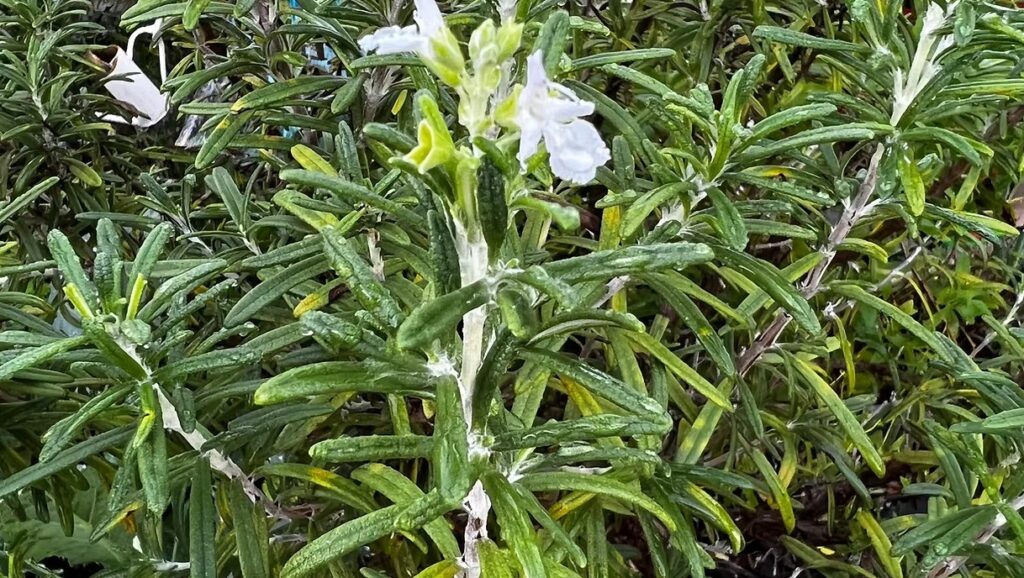
Rosemary belongs to the mint family, Lamiaceae. Like many members of this family, it has aromatic foliage and flowers arranged along its stems. The blossoms are usually pale blue or violet-blue, although certain cultivars may produce deeper blue, pink, lavender, or white flowers.
The flowers form in small clusters near the leaves, often covering portions of the stems with a soft haze of color. Although each flower is tiny, a mature rosemary shrub in full bloom can create an impressive display.
When Does Rosemary Bloom?
Rosemary’s flowering season depends on the cultivar, climate, plant maturity, and growing environment. In mild Mediterranean-style climates, outdoor plants may begin flowering during winter or early spring. Some plants continue into summer or produce another lighter flush of blossoms in fall.
In colder regions, rosemary grown outdoors may bloom primarily in spring or summer. Container plants moved indoors for winter can follow a different schedule because temperature, day length, light exposure, and humidity affect their growth.
A healthy rosemary plant may not flower on precisely the same schedule every year. Weather patterns, pruning time, winter protection, and the amount of sunlight the plant receives can all influence blossom production.
How to Encourage Rosemary Blossoms
Rosemary generally produces its best flowers when its growing conditions resemble its native Mediterranean environment. Abundant sunlight, excellent drainage, moderate fertility, and good air circulation support healthy foliage and blooming.
Place rosemary where it can receive at least six hours of direct sunlight daily. Plants grown in partial shade may survive, but they can become thin, produce less vigorous growth, and flower less generously.
Avoid planting rosemary in areas that remain wet after rainfall. The herb performs best in loose, sharply draining soil and may decline in dense clay or waterlogged ground. Raised beds, slopes, gravel gardens, and containers with drainage holes can provide better conditions when native soil drains poorly.
Rosemary does not usually need heavily enriched soil. Excessive fertilizer, particularly products high in nitrogen, may encourage leafy growth without improving flower production. In-ground plants growing well in suitable soil often require little or no supplemental feeding. Container-grown plants may benefit from light feeding during the active growing season, depending on the potting mix and plant condition.
Watering Rosemary Correctly
Newly planted rosemary needs regular attention while its roots become established. Water deeply when the upper layer of soil begins to dry, but do not keep the ground constantly damp.
Established rosemary is relatively drought tolerant, although that does not mean it should be neglected during prolonged hot, dry weather. Water according to the plant’s environment, soil, and appearance rather than following a rigid schedule.
Container-grown rosemary generally dries more quickly than rosemary planted in the ground. Check the potting mix regularly, especially during summer, and water thoroughly when needed. Allow excess water to drain completely, and never leave the container standing in water.
Yellowing foliage, wilting in wet soil, or darkened stems near the base may indicate excessive moisture or root problems. Wilting can also result from dry soil, so check the moisture level before watering again.
Pruning Without Sacrificing the Flowers
Pruning keeps rosemary compact, encourages branching, and helps prevent the plant from becoming sparse or woody. Timing matters when blossoms are one of the main attractions.
Rosemary often flowers on growth formed during the previous season. Heavy pruning before the expected bloom may remove developing buds. If you want to enjoy the flowers, wait until the main display has finished before giving the plant its annual trim.
Use clean, sharp pruners and shorten flexible green stems to shape the plant. Avoid cutting deeply into old, leafless wood because rosemary may not readily produce new growth from bare sections.
Light harvesting throughout the growing season can encourage a bushier shape. Stop major pruning early enough for new growth to mature before freezing weather arrives in cold climates.
Growing Rosemary in Containers
A container is an excellent choice when garden soil drains poorly or winters are too cold for rosemary to remain outdoors. Choose a pot with generous drainage holes and use a loose potting mix formulated for herbs, Mediterranean plants, or other plants that prefer fast drainage.
A breathable terra-cotta pot can help excess moisture evaporate, although it will require closer watering attention in hot weather. Select a container large enough to support the plant’s root system and repot when the roots become crowded or the potting mix begins to break down.
Keep outdoor containers in a warm, sunny location. In regions with freezing winters, move the plant to a protected place before damaging cold arrives. Rosemary’s cold tolerance varies among cultivars, and plants in containers are generally more exposed to freezing temperatures than those growing in the ground.
Indoor rosemary needs very bright light, cool to moderate conditions, and good air circulation. Keep it away from hot heating vents, avoid overwatering, and watch for spider mites, whiteflies, aphids, and mealybugs.
Protecting Rosemary Through Winter
Rosemary is commonly grown as an evergreen perennial in warmer regions, but winter survival varies by cultivar, plant maturity, drainage, and local conditions. Many forms are best suited to approximately USDA Hardiness Zones 8 through 10, while certain selections may tolerate colder conditions when planted in a sheltered, well-drained location.
Cold, wet soil can be especially damaging. Gardeners in marginal climates may have better success planting rosemary near a warm wall, protecting it from harsh winter winds, and avoiding low areas where water collects.
Where winters are severe, rosemary can be treated as an annual or grown in a movable container. Taking cuttings during the growing season also provides a practical way to preserve a favorite plant.
Why Rosemary May Not Be Flowering
A rosemary plant can appear healthy without producing many flowers. Insufficient sunlight is one of the most common reasons. Moving a container to a brighter location or reducing nearby shade may improve future blooming.
Heavy pruning at the wrong time can remove flower buds. Rich soil and excessive nitrogen may also favor foliage over blossoms. A very young plant may simply need additional time to mature.
Indoor rosemary frequently produces fewer flowers because natural light is limited. A bright, unobstructed window or an appropriate grow light may help, but indoor conditions can still alter the plant’s normal flowering cycle.
The absence of blossoms does not necessarily mean the plant is unhealthy. Examine its overall growth, drainage, light, watering routine, and seasonal pattern before making significant changes.
Rosemary Blossoms and Pollinators
Rosemary blossoms provide nectar and pollen for bees and other visiting insects. In mild climates, early flowers can be especially welcome when relatively few other garden plants are blooming.
Allowing at least part of the plant to flower supports pollinators while adding color to the garden. Avoid spraying open blossoms, particularly when bees are active. If pest management is necessary, begin with cultural practices such as improving airflow, removing heavily affected growth, and correcting watering problems.
Rosemary works well in pollinator gardens alongside other sun-loving, well-drained herbs such as lavender, thyme, sage, oregano, and hyssop. Their different flowering periods can help extend the garden’s season of color and nectar.
Are Rosemary Blossoms Edible?
The blossoms of correctly identified culinary rosemary are edible and have a delicate herbal flavor. They can be used whole because they are small and tender.
Only harvest flowers from plants that are positively identified and grown for culinary use. Do not eat flowers from roadside plants, florist arrangements, decorative nursery stock of uncertain treatment history, or plants sprayed with products not approved for edible crops.
Shake the blossoms gently to dislodge insects, inspect them carefully, and rinse them lightly in cool water if needed. Pat them dry before using. People with pollen allergies or sensitivities should exercise caution with edible flowers.
How to Use Rosemary Blossoms
Rosemary blossoms make an elegant garnish for tomato dishes, salads, roasted vegetables, soups, breads, soft cheeses, fruit, cakes, and other desserts. Their flavor is typically gentler than the leaves, making them useful when a subtle rosemary note is preferred.
Scatter a small number of fresh blossoms over a finished dish immediately before serving. They can also be stirred into softened butter, blended with culinary salt, frozen into ice cubes, or used to decorate beverages.
The blossoms pair particularly well with lemon, orange, berries, apples, pears, honey, chocolate, potatoes, tomatoes, beans, chicken, lamb, and many types of cheese. Begin with a small amount because flavor strength can vary among plants and cultivars.
Harvesting Rosemary Flowers
Harvest blossoms after they have opened and while they still look fresh. Morning is often a convenient time, after surface moisture has dried but before the hottest part of the day.
Pinch individual flowers gently from the stem or snip a short flowering sprig with clean scissors. Leave plenty of blossoms on the plant if you want to support visiting pollinators and preserve the ornamental display.
Fresh rosemary blossoms are best used soon after harvesting. For brief storage, place them in a covered container lined with a barely damp paper towel and refrigerate. Handle them carefully because the petals bruise easily.
Caring for Rosemary After Flowering
Once the main bloom has faded, remove damaged growth and lightly shape the plant. This is often a good time to trim flexible stems and encourage denser branching.
Continue providing plenty of sunlight and allow the soil to drain freely. Established in-ground rosemary generally requires modest care, while containers need more frequent moisture checks.
Inspect the plant periodically for powdery mildew, botrytis, root rot, and common sap-feeding pests. Crowded growth, poor airflow, and excessive moisture can increase the likelihood of problems. Promptly adjusting the plant’s environment is often more effective than treating symptoms alone.
Adding Flowering Rosemary to the Garden
Flowering rosemary brings structure, fragrance, color, and culinary value to sunny landscapes. Upright cultivars can form informal hedges or anchor herb beds, while trailing forms spill beautifully over containers, slopes, and walls.
Plant rosemary near a pathway, patio, or seating area where brushing against the foliage will release its distinctive aroma. Its evergreen leaves provide year-round interest in climates where the plant remains hardy.
Pair it with plants that enjoy similar conditions, including lavender, thyme, sage, oregano, and other drought-tolerant selections. Be sure each plant has enough room for air to circulate as it matures.
Enjoying Rosemary Beyond the Leaves
Rosemary blossoms reveal a softer side of this famously bold herb. Their delicate appearance, pollinator value, and mild flavor make them worth anticipating each year.
The best flower display begins with the same conditions that support a healthy rosemary plant: generous sunlight, free-draining soil, thoughtful watering, restrained feeding, and well-timed pruning. With care suited to the local climate and chosen cultivar, rosemary can become both a hardworking culinary herb and a beautiful flowering feature in the garden.
Delicate white blossoms brighten a lush rosemary plant in the garden.
Discover how seeing rosemary with ladybugs on it can support a balanced garden, plus tips for attracting beneficial insects and managing pests naturally. Rosemary brings year-round beauty, fragrance, and flavor to the garden. Its slender evergreen leaves release a fresh, woodsy aroma, while its delicate flowers can provide nectar for visiting pollinators. When ladybugs appear among the branches, this familiar culinary herb becomes part of an even more fascinating garden ecosystem. Ladybugs, also called lady beetles, are often welcomed because many species feed on aphids and other soft-bodied garden pests. Rosemary is not guaranteed to attract or retain them, but a healthy, diverse garden can provide the food, shelter, and water they need. Together, rosemary and ladybugs offer a lovely reminder that some of the best garden care begins with supporting natural balance. Why Ladybugs Are Valuable Garden Visitors Ladybugs are best known for eating aphids, which are small sap-feeding insects that can gather on tender stems, buds, and new growth. Depending on the species and life stage, ladybugs may also consume mites, scale insects, insect eggs, and other tiny prey. Both adult ladybugs and their larvae can be beneficial. Ladybug larvae look very different from the rounded adults. They are elongated, dark-colored, and often marked with orange or yellow. Gardeners unfamiliar with their appearance sometimes mistake them for harmful insects, so learning to recognize them can help protect these hardworking predators. Not every ladybug species has the same diet, and their presence does not guarantee complete pest control. They are most effective as part of a broader garden-care approach that includes plant health, regular observation, and thoughtful pest management. Does Rosemary Attract Ladybugs? Rosemary does not serve as a primary food source for most predatory ladybugs, but it can contribute to a welcoming habitat. Its dense, branching growth offers places to crawl, hunt, and temporarily shelter. When rosemary flowers, the blooms may also provide nectar or pollen for beneficial insects. Ladybugs are more likely to remain where suitable prey is available. A garden containing aphids and other small insects may naturally draw ladybugs searching for food. Once the prey population declines, the beetles may move elsewhere. This movement is normal and does not mean the garden has failed to support them. A diverse landscape is usually more inviting than a garden planted with rosemary alone. Flowering herbs and small, nectar-rich flowers can help create a more dependable habitat throughout the growing season. Creating a Ladybug-Friendly Garden Around Rosemary Plant rosemary in a location that receives plenty of sunlight and has excellent drainage. Established plants generally tolerate dry conditions better than consistently wet soil. Water deeply when needed, then allow the soil to begin drying before watering again. Exact moisture requirements will vary with the climate, container size, soil, and maturity of the plant. Surrounding rosemary with a variety of herbs and flowers can provide beneficial insects with additional shelter and food. Dill, fennel, cilantro, sweet alyssum, yarrow, and calendula are often included in insect-friendly gardens, although their performance and suitability depend on local growing conditions. A shallow water source can also support small garden visitors. Place pebbles in a shallow dish so insects have safe landing places, and refresh the water regularly to keep it clean and discourage mosquitoes. Avoid immediately removing every aphid at the first sign of activity. A small, manageable population provides food for ladybugs and other predators. Check the plant frequently, however, because a rapidly growing infestation may still require intervention. Avoiding Practices That Harm Beneficial Insects Broad-spectrum insecticides can kill helpful insects along with the pests they are intended to control. Even products commonly described as natural or organic may harm ladybugs if sprayed directly on them. Always read the product label, follow its directions, and begin with the least disruptive solution appropriate for the problem. For a light aphid infestation, a firm stream of water may be enough to dislodge many of the insects. Pruning a heavily affected stem can also help when the problem is limited to one area. Before applying any treatment, inspect the plant for ladybug adults, larvae, pupae, and eggs. Ladybug eggs are usually small, yellow to orange, and laid in clusters, often near a food source. Pupae may appear attached to a leaf or stem. Leaving these life stages undisturbed gives the next generation an opportunity to mature in the garden. Should You Purchase Ladybugs? Released ladybugs often disperse soon after they are introduced, especially if the garden lacks food, water, or shelter. Creating suitable habitat is generally more dependable than expecting purchased insects to remain on a single rosemary plant. If you choose to purchase ladybugs, learn how they were collected and confirm that the species is appropriate for your region. Follow the supplier’s release guidance, avoid releasing them onto recently treated plants, and remember that no release can guarantee long-term residence or pest control. Encouraging locally occurring predators can support more than ladybugs. Lacewings, hoverfly larvae, predatory beetles, spiders, and tiny parasitoid wasps may also help keep pest populations in check. Recognizing Problems on Rosemary Rosemary is often considered relatively resilient, but stressed plants may become more vulnerable to pests and disease. Aphids usually gather around tender new growth. Spider mites can cause fine stippling or faded foliage and may leave delicate webbing. Spittlebugs create noticeable masses of white foam around stems. Yellowing leaves, darkened roots, and declining growth may indicate overly wet soil or poor drainage rather than insect damage. Before treating a rosemary plant for pests, examine its growing conditions. Correcting drainage, light, airflow, or watering problems may be the most important step. Growing Rosemary in Containers Container-grown rosemary is a practical choice in cold climates or gardens with heavy soil. Select a pot with drainage holes and use a well-draining potting mixture. Because containers can dry quickly, check the soil regularly without keeping it constantly wet. Place the container where the plant receives strong light and has good air circulation. In regions where rosemary is not reliably winter hardy, move the plant
Discover the beauty and bounty of a heart-shaped harvest featuring vibrant zinnias, kale, rosemary, marigolds, scallions, and violas. Learn how this colorful garden collection celebrates fresh flavors, edible flowers, and the joy of gardening. There is something truly special about gathering the day’s harvest and arranging it into a heart. It transforms fresh flowers, herbs, and vegetables into a beautiful expression of gratitude for the garden and the season. A heart-shaped harvest reminds us that gardening is about more than growing food. It is about nurturing life, celebrating nature’s beauty, and sharing the rewards of patience and care. This colorful harvest combines cheerful zinnias, nutrient-rich kale, fragrant rosemary, sunny marigolds, crisp scallions, and delicate violas. Together, they create a stunning display that captures the diversity and abundance found in a flourishing garden. Every bloom and every leaf tells a story of growth, making this arrangement both visually striking and deeply meaningful. A Celebration of Garden Diversity One of the greatest joys of gardening is watching many different plants thrive together. This heart-shaped harvest showcases ornamental flowers alongside edible herbs and vegetables, demonstrating how beauty and functionality can exist side by side. The bright zinnias provide bold splashes of color that attract butterflies and other beneficial pollinators throughout the growing season. Their vibrant blooms add warmth and energy to the arrangement while reminding gardeners of the important role flowers play in supporting a healthy ecosystem. Deep green kale brings rich texture and a sense of abundance. Its sturdy leaves symbolize nourishment, making it one of the most rewarding vegetables to grow for both fresh meals and beautiful harvest displays. Rosemary contributes elegant evergreen foliage and its unmistakable fragrance. Simply brushing against the stems releases aromatic oils that instantly evoke memories of homemade meals and fresh herbs gathered straight from the garden. Golden marigolds brighten the arrangement with cheerful blossoms that have long been treasured for attracting pollinators and helping create healthy companion planting combinations throughout vegetable gardens. Fresh scallions introduce graceful green stems that complement the flowers while offering a versatile ingredient for countless recipes. Their upright growth creates visual balance within the heart-shaped design. Nestled among the larger harvest items, delicate violas provide soft pops of color. These edible flowers add an elegant finishing touch while demonstrating that beauty can also be delicious. From Garden to Table One of the most rewarding aspects of this harvest is how many of its ingredients can be enjoyed in the kitchen. Fresh kale becomes the foundation for nutritious salads, hearty soups, smoothies, and sautéed side dishes. Its mild sweetness develops even further after cooler temperatures, making it a favorite throughout much of the growing season. Rosemary adds incredible flavor to roasted vegetables, potatoes, chicken, seafood, homemade breads, and infused olive oils. A few freshly picked sprigs can elevate an ordinary meal into something memorable. Scallions offer a crisp onion flavor that works beautifully in salads, stir-fries, baked potatoes, egg dishes, tacos, pasta, and fresh garnishes. Violas bring delicate beauty to salads, desserts, cakes, cookies, charcuterie boards, and refreshing beverages. Their edible blooms make everyday dishes feel elegant and garden inspired. Marigold petals, depending on the edible variety grown, can be sprinkled over salads or used as colorful garnishes, while zinnias continue serving the garden by attracting pollinators rather than appearing on the dinner plate. The Beauty of Companion Planting This harvest also represents the benefits of thoughtful companion planting. Marigolds are well known for attracting beneficial insects while helping create a balanced garden environment. Zinnias continuously invite bees, butterflies, and other pollinators that support vegetable production throughout the season. Rosemary’s aromatic foliage naturally complements nearby vegetables and herbs while filling the garden with its pleasant scent. Kale benefits from thriving pollinator populations nearby, and scallions fit beautifully among mixed plantings, making efficient use of available garden space. Together, these plants create a vibrant ecosystem where flowers, herbs, and vegetables support one another while providing continuous interest from planting through harvest. Harvesting at the Perfect Time Harvesting each crop at its peak ensures maximum beauty and freshness. Cut zinnias early in the morning after the dew has dried for the longest vase life. Pick kale leaves while they are young, crisp, and richly colored. Harvest rosemary by snipping tender stems without removing too much growth from any one plant. Gather marigolds as soon as blossoms fully open, collect scallions before they become overly large, and pick violas shortly after opening while the petals remain fresh and vibrant. Freshly harvested plants not only taste better but also maintain their color and texture longer when displayed together. A Heart That Reflects the Garden Arranging these harvests into a heart serves as a reminder that every garden grows more than vegetables and flowers. It grows memories, traditions, patience, and appreciation for nature’s incredible generosity. Each colorful bloom represents the pollinators that visited throughout the season. Every herb reflects months of steady growth, while every leafy vegetable reminds us of the satisfaction that comes from harvesting food grown with care. Whether displayed as a centerpiece, photographed to celebrate the season, or shared with family and friends, this heart-shaped harvest becomes a lasting symbol of gratitude for the garden’s abundance. Gardening has a unique way of bringing beauty and nourishment together. This simple heart arrangement captures that connection perfectly, celebrating not only the harvest itself but also the love, dedication, and joy that make every growing season worthwhile.
Here, you will learn all about chive blossoms and parsley, including how companion planting helps both herbs thrive, the many benefits they bring to your garden, and the delicious ways to use them in everyday cooking. Whether you are creating a thriving kitchen garden or looking for fresh inspiration in the kitchen, chive blossoms and parsley are a versatile pairing that offers beauty, flavor, and abundant harvests throughout the growing season. There is something incredibly satisfying about walking into your garden, brushing your hand across a patch of fragrant herbs, and gathering a handful of fresh parsley alongside a few vibrant purple chive blossoms. Moments like these remind us that a garden is more than a place to grow food. It is a space where beauty, nature, and fresh ingredients come together to inspire every meal. Among the many herbs you can grow, chives and parsley are one of the easiest and most rewarding companion planting combinations. They thrive under similar growing conditions, complement one another beautifully, and provide fresh harvests from spring through fall. Their partnership benefits not only your kitchen but your entire garden by attracting pollinators, supporting beneficial insects, and helping create a healthier growing environment. Whether you are planting a large kitchen garden, filling raised beds, or growing herbs in containers on your patio, chive blossoms and parsley are a pairing that delivers season after season. Their fresh flavors elevate everyday meals, while their graceful appearance adds charm and color to any outdoor space. A Perfect Partnership in the Herb Garden Companion planting is the practice of growing plants together that naturally benefit one another. Some companion plants improve soil conditions, others attract pollinators, while some help reduce pest problems or make better use of available growing space. Chives and parsley check nearly every one of those boxes. Parsley grows in lush, leafy mounds that remain attractive throughout much of the growing season. Chives produce slender green leaves that eventually give way to beautiful globe-shaped blossoms in shades of lavender and purple. Together they create layers of texture and color that look just as lovely in ornamental gardens as they do in vegetable beds. Their similar care requirements also make them easy companions. Both appreciate fertile soil, regular watering, and plenty of sunshine, allowing gardeners to care for both herbs using the same routine. For anyone just beginning an herb garden, this combination is an excellent place to start. Why Companion Planting Matters Healthy gardens are built on diversity. Instead of growing a single crop in isolation, companion planting encourages a balanced ecosystem where plants, pollinators, and beneficial insects work together. Every herb contributes something unique to the garden. Parsley provides dense foliage that helps shade the soil and reduce moisture loss. Chives contribute their distinctive onion aroma while producing nectar-rich flowers that become gathering places for pollinating insects. Together they create an environment where plants thrive naturally. Rather than viewing herbs simply as ingredients for cooking, companion planting reminds us that every plant plays an important role in supporting the health of the entire garden. Chives Help Naturally Discourage Garden Pests One reason gardeners have planted chives throughout vegetable gardens for generations is their reputation for helping reduce certain insect problems. As members of the onion family, chives contain sulfur compounds responsible for their mild onion fragrance. While people enjoy this familiar aroma, many insects do not. Growing chives near parsley may help discourage aphids, Japanese beetles, spider mites, and several other common garden pests. Although companion planting is not a replacement for good garden management, it can become an important part of an organic gardening strategy by encouraging healthier plants and reducing stress caused by insect activity. Many gardeners also plant chives near tomatoes, carrots, strawberries, roses, peppers, and apple trees for the very same reason. Chive Blossoms Bring Your Garden to Life If there is one reason never to cut every chive flower before it opens, it is the incredible number of beneficial insects they attract. As spring transitions into early summer, chives produce clusters of soft purple blossoms that quickly become one of the busiest places in the garden. Honeybees eagerly gather nectar from the flowers while native bees move from bloom to bloom collecting pollen. Butterflies drift through the blossoms, adding movement and beauty to the landscape, while hoverflies quietly perform double duty by feeding on nectar as adults and helping control aphids during their larval stage. Watching these visitors move through your herb garden is one of the simple pleasures of gardening. Their presence also benefits nearby vegetables, fruit trees, berry bushes, and flowering plants that depend on pollination for healthy harvests. Growing Chives and Parsley Together One of the reasons these herbs are so popular is because they are wonderfully uncomplicated. Choose a location that receives at least six hours of sunlight each day. While chives love full sun, parsley appreciates a little afternoon shade during periods of intense summer heat, especially in warmer climates. Plant both herbs in fertile, well-drained soil enriched with compost. Rich organic matter encourages vigorous growth while helping retain moisture between waterings. Water regularly, keeping the soil evenly moist without allowing it to become soggy. Applying a layer of mulch around the plants helps regulate soil temperature, conserve moisture, and reduce weed growth. With only a little routine care, both herbs will reward you with months of fresh harvests. Beautiful in Every Garden Style One of the joys of growing herbs is their versatility. Chives and parsley look equally at home in formal herb gardens, rustic cottage gardens, raised beds, decorative borders, and patio containers. The upright foliage and cheerful blossoms of chives create natural height, while parsley fills the surrounding space with rich green leaves. The contrast between soft purple flowers and vibrant green foliage creates a timeless combination that looks attractive from spring until frost. Many gardeners intentionally plant these herbs near walkways or seating areas where their fragrance and colorful blooms can be enjoyed every day. Other Plants That Thrive
Originally published
March 2026
Updated
August 2026
Reviewed by
Culibloom