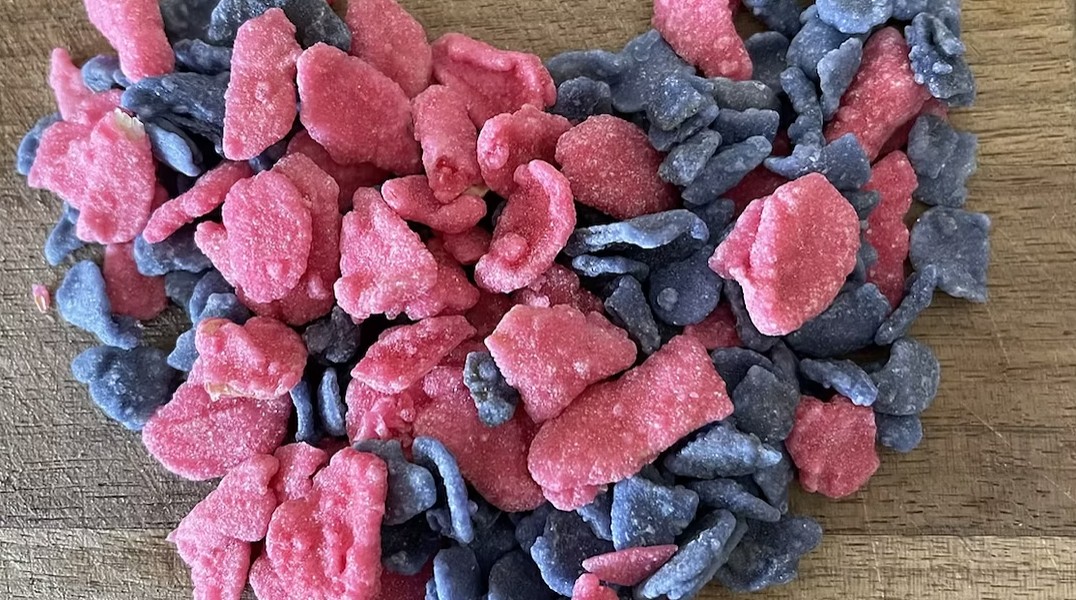
Make sparkling candied flower petals with edible flowers, pasteurized egg white, and sugar for elegant cakes, cupcakes, pastries, and drinks.
Delicate, sparkling, and surprisingly simple to prepare, this Easy Candied Flower Petals Recipe transforms fresh edible flowers into elegant decorations for cakes, cupcakes, cookies, pastries, and drinks. A thin coating of pasteurized egg white and granulated sugar gives each flower a beautiful crystal-like finish while preserving its natural color and shape.
Pansies, violets, rose petals, nasturtiums, calendula, borage, and hibiscus can all produce stunning results. Each variety contributes its own color, texture, and subtle flavor, making it easy to coordinate the flowers with a dessert or special-event theme.
Candied flower petals are lovely for weddings, bridal showers, baby showers, tea parties, birthdays, holidays, and other celebrations. Prepare them several days in advance, store them in a dry airtight container, and add them to moist desserts or frostings shortly before serving for the best texture and appearance.
Directions
Step 1: Select the Flowers
Choose fresh, undamaged flowers that have been positively identified as edible and grown without chemicals that are unsafe for consumption.
Remove the stems, damaged petals, insects, and visible debris.
Do not use flowers from florists, garden centers, nurseries, roadsides, or unfamiliar plants. These flowers may have been treated with pesticides or other chemicals that are not food-safe.
Step 2: Clean and Dry the Flowers
If the flowers need cleaning, rinse them very gently under cool water.
Arrange them on clean paper towels and allow them to dry completely.
Moisture remaining on the petals may prevent the egg white and sugar from adhering properly.
Step 3: Prepare the Workstation
Place a wire cooling rack over a sheet of parchment or wax paper. The paper will catch excess sugar while the rack allows air to circulate around the flowers.
Pour the lightly beaten pasteurized egg white into a small bowl. Place the granulated sugar in a separate shallow bowl and have a small food-safe paintbrush ready.
Step 4: Brush With Egg White
Working with one flower or petal at a time, use the paintbrush to apply a very thin, even coating of egg white to the front and back of every petal.
Handle the flowers carefully to avoid tearing or bruising them. Make sure every area that will be covered with sugar is lightly coated, but do not saturate the petals.
Step 5: Coat With Sugar
Hold the flower over the bowl of sugar and gently sprinkle sugar across the entire surface. Rotate the flower as needed to cover the front, back, edges, and center.
Gently tap away the excess sugar. The finished flower should have a delicate, sparkling coating instead of a thick layer.
Step 6: Dry the Flowers
Arrange the sugared flowers in a single layer on the prepared wire rack. Leave space between them so air can circulate freely.
Allow the flowers to dry uncovered at room temperature for 8 to 24 hours.
The exact drying time will depend on the flower variety, petal thickness, room temperature, and humidity. The flowers are ready when they feel completely dry and crisp.
Step 7: Store the Candied Flowers
Carefully transfer the fully dried flowers to an airtight container. Separate delicate layers with parchment or wax paper if necessary.
Store the container in a cool, dry place away from heat, moisture, and direct sunlight. Handle the flowers gently because the dried petals can be fragile.
Step 8: Decorate and Serve
Arrange the candied flower petals on cakes, cupcakes, cookies, macarons, cheesecakes, tarts, pastries, or mousse desserts. They can also be used to garnish dessert boards, mocktails, cocktails, and champagne glasses.
For the best texture and appearance, add the flowers shortly before serving, especially when decorating moist desserts or frostings.
Must be 21 years of age or older to purchase or consume alcoholic beverages. Please drink responsibly.
Notes
Only use flowers that have been positively identified as edible. Some flowers are toxic, and not every part of an otherwise edible plant is safe to consume.
Use flowers grown specifically for culinary purposes. Avoid flowers that may have been exposed to unsafe pesticides, herbicides, roadside pollution, or chemicals intended only for ornamental plants.
Pasteurized egg white is recommended because the coating is not cooked. People who are pregnant, very young, older, or immunocompromised should take particular care to avoid unpasteurized raw egg.
Apply the egg white sparingly. A heavy coating can weigh down delicate petals, dissolve the sugar, and increase the drying time.
Superfine sugar may be used instead of granulated sugar for a finer, more delicate crystal coating.
Small flowers such as violets and pansies generally dry more quickly than large flowers or thick rose and hibiscus petals.
Drying may take longer in humid conditions. Do not place the flowers in storage until they are completely crisp and dry.
For special events, prepare the flowers several days ahead and store them carefully in an airtight container. Discard them if they develop moisture, discoloration, mold, an unusual odor, or another sign of spoilage.
Combine several flower varieties and colors to create an eye-catching arrangement for celebration cakes and dessert displays.