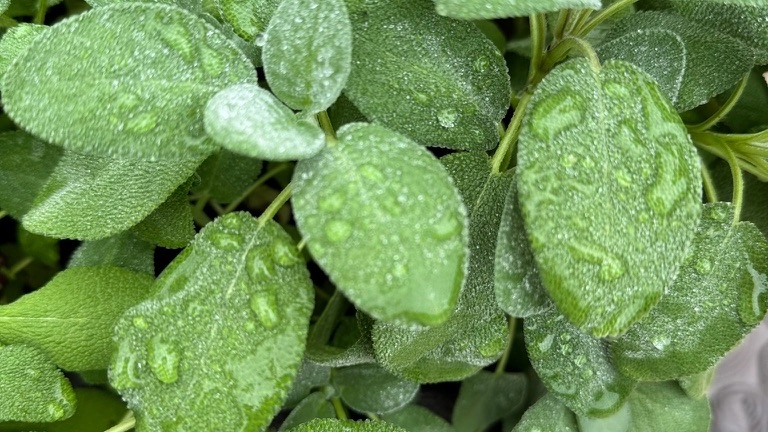
Make this easy Fresh Sage Pesto Recipe with fresh sage, Parmesan, walnuts, garlic, lemon, and olive oil for a rich homemade sauce perfect for pasta, chicken, squash, and roasted vegetables.
Fresh Sage Pesto is an aromatic homemade sauce that transforms fresh sage leaves into a rich, savory pesto with Parmesan cheese, walnuts, garlic, extra virgin olive oil, and a splash of fresh lemon juice. Earthy, nutty, and wonderfully fragrant, this easy sage pesto recipe is a delicious way to use an abundance of fresh sage from the garden.
Unlike traditional basil pesto, fresh sage pesto has a deeper, more robust herbal flavor. Walnuts complement the natural earthiness of the sage, while Parmesan adds salty richness and lemon juice brightens the entire sauce. Slowly blending in extra virgin olive oil brings everything together into a creamy pesto that can be made in just minutes.
This homemade sage pesto is especially delicious with cool-weather dishes. Toss it with gluten-free pasta or gnocchi, spoon it over roasted butternut squash or potatoes, serve it with chicken, or swirl it into creamy risotto. A small amount can also add wonderful flavor to soups, white beans, roasted vegetables, and gluten-free crostini.
Lightly toasting the walnuts is optional, but it brings out their natural nuttiness and gives the pesto additional depth. Whether you are harvesting fresh sage from the garden or simply looking for a flavorful alternative to traditional pesto, this simple recipe makes it easy to turn fresh herbs into a versatile homemade sauce.
Prep Time: 10 minutes
Cook Time: 0 minutes
Total Time: 10 minutes
Yield: About 1 1/4 cups
Ingredients
2 cups fresh sage leaves, packed
2 cloves garlic, peeled
1/2 cup freshly grated Parmesan cheese
1/3 cup walnuts
1/2 cup extra virgin olive oil, plus more as needed
1 tablespoon fresh lemon juice
1/2 teaspoon kosher salt, or to taste
1/4 teaspoon freshly ground black pepper
Directions
Step 1: Prepare the Fresh Sage
Gently rinse the sage leaves under cool water if needed. Dry them thoroughly with a clean kitchen towel or in a salad spinner. The leaves should be as dry as possible before making the pesto so excess water does not dilute the flavor or texture.
Remove any particularly thick or woody stems. Tender stems attached to smaller leaves can remain.
Step 2: Toast the Walnuts
For a deeper, nuttier flavor, place the walnuts in a dry skillet over medium-low heat. Toast for 2 to 4 minutes, stirring or shaking the pan frequently, until the walnuts become fragrant and are very lightly toasted.
Immediately transfer the walnuts to a plate and allow them to cool completely before adding them to the food processor. This step is optional, and raw walnuts can be used when you prefer a milder flavor.
Step 3: Process the Sage Pesto Base
Add the fresh sage leaves, garlic, cooled walnuts, and grated Parmesan cheese to a food processor.
Pulse several times until the sage, garlic, walnuts, and Parmesan are finely chopped and evenly distributed. Stop the food processor and scrape down the sides of the bowl as necessary.
Avoid processing continuously at this stage. Short pulses help create an even texture without prematurely turning the ingredients into a paste.
Step 4: Slowly Add the Olive Oil
With the food processor running on low, slowly drizzle in the extra virgin olive oil.
Continue processing just until the ingredients come together into a thick, spoonable pesto. Stop and scrape down the bowl as needed.
If you prefer a thinner pesto for tossing with pasta or drizzling over vegetables, add a small amount of additional olive oil until the desired consistency is reached.
Step 5: Add the Lemon and Seasonings
Add the fresh lemon juice, kosher salt, and freshly ground black pepper.
Pulse briefly until everything is evenly combined. Taste the pesto and adjust the salt, pepper, or lemon juice as desired.
Because Parmesan cheese contributes saltiness, it is best to taste the finished pesto before adding additional salt.
Step 6: Serve the Sage Pesto
Serve the Fresh Sage Pesto immediately, or transfer it to an airtight container for storage.
When using the pesto with gluten-free pasta or gnocchi, toss it with the hot cooked pasta and a small splash of reserved pasta water. The warm pasta water helps loosen the pesto and allows it to coat the pasta more evenly.
The pesto can also be spooned directly over roasted vegetables, potatoes, squash, chicken, pork, white beans, or risotto.
Notes
Fresh sage has a stronger and more concentrated flavor than basil, which gives this pesto its distinctive earthy character. If you prefer a milder sage pesto, replace 1/2 to 1 cup of the sage leaves with fresh flat-leaf parsley or baby spinach. This softens the sage flavor without changing the basic texture of the pesto.
Walnuts pair particularly well with sage because their earthy flavor complements the herb without overpowering it. Pine nuts or almonds can also be substituted in equal amounts if preferred.
To make this sage pesto nut-free, replace the walnuts with 1/3 cup sunflower seeds or pepitas. Lightly toasting the seeds before blending can add extra depth of flavor. When preparing the recipe for someone with a nut allergy, verify that all packaged ingredients meet their individual allergy requirements.
For a dairy-free sage pesto, replace the Parmesan with nutritional yeast to taste. Because Parmesan adds both saltiness and richness, taste the finished dairy-free pesto and adjust the salt as necessary.
Freshly grated Parmesan is recommended because it incorporates more smoothly into the pesto and provides a richer flavor than shelf-stable grated cheese.
If the pesto tastes stronger than you prefer, add fresh parsley or baby spinach rather than simply adding more olive oil. Increasing the amount of greens balances the sage while preserving the thick, spoonable consistency.
The amount of olive oil can be adjusted depending on how you plan to use the pesto. Keep it slightly thicker for spreading onto gluten-free crostini or sandwiches. Add a little additional olive oil or warm gluten-free pasta water when using it as a pasta sauce.
Store Fresh Sage Pesto in an airtight container in the refrigerator for up to 4 days. Smoothing the surface and covering it with a very thin layer of olive oil can help reduce exposure to air and slow discoloration.
For longer storage, freeze the pesto in small portions. Once frozen, transfer the portions to a freezer-safe container. Thaw only the amount you need in the refrigerator before serving.
Fresh Sage Pesto is especially delicious with roasted butternut squash, pumpkin, sweet potatoes, crispy roasted potatoes, chicken, pork, gluten-free pasta, gluten-free gnocchi, risotto, white beans, roasted vegetables, and creamy soups. It can also be spread over gluten-free bread or crostini, stirred into mashed potatoes, or used as a finishing sauce for roasted meats and vegetables.