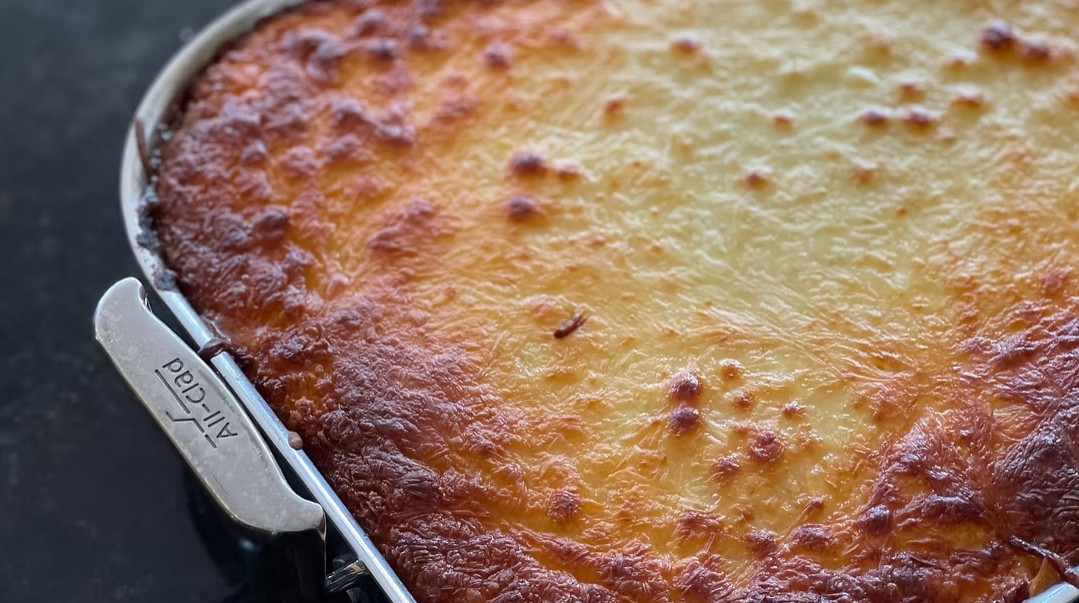
Make gluten-free lasagne al forno with Italian beef sauce, creamy ricotta, tender pasta, mozzarella, and Parmesan cheese.
Rich, cheesy, and deeply comforting, this Best Gluten-Free Lasagne al Forno Recipe features tender gluten-free pasta layered with savory Italian beef sauce, creamy ricotta filling, and plenty of melted mozzarella. Every slice delivers the familiar flavors and satisfying texture of traditional Italian beef lasagna in a completely gluten-free dish.
The ricotta mixture adds a creamy contrast to the robust meat sauce, while mozzarella and Parmesan create a rich, golden cheese layer. Covering the noodles completely with sauce helps them remain tender as the lasagna bakes. Allowing the finished dish to rest before slicing also gives the layers time to set, making it easier to serve neat portions.
This gluten-free Italian beef lasagna is an excellent choice for Sunday dinner, holiday gatherings, special occasions, or a cozy family meal. It can also be assembled in advance, making it a convenient option when you want a hearty homemade dinner without completing every step just before serving.
Directions
Step 1: Cook the Lasagna Noodles
Cook the gluten-free lasagna noodles according to the package directions. For the best finished texture, remove them from the cooking water while they are still slightly firm because they will continue cooking in the oven.
Drain the noodles carefully and arrange them in a single layer so they do not stick together. If you are using homemade gluten-free lasagna noodles, prepare and cook them as directed by your recipe.
Step 2: Prepare the Ricotta Filling
Place the ricotta cheese, 1 cup shredded mozzarella cheese, grated Parmesan cheese, egg, garlic powder, and Italian seasoning in a large mixing bowl.
Stir until the egg and seasonings are evenly incorporated and the mixture is smooth and well blended. Set the ricotta filling aside while you prepare the baking dish.
Step 3: Prepare the Oven and Baking Dish
Preheat the oven to 350°F.
Lightly grease a 9 x 13-inch baking dish with nonstick cooking spray or oil. This will help prevent the lasagna from sticking and make the finished portions easier to remove.
Step 4: Add the First Sauce and Pasta Layers
Spread 1 cup of the prepared gluten-free Italian beef meat sauce evenly across the bottom of the baking dish.
Arrange 3 to 4 cooked gluten-free lasagna noodles over the sauce, creating a single, even layer. Slightly overlap the noodles if needed to cover the bottom of the dish.
Step 5: Add the First Ricotta Layer
Spread half of the prepared ricotta mixture evenly over the noodles. Work gently to avoid moving or tearing the gluten-free pasta.
Spoon 1 cup of the meat sauce over the ricotta layer and carefully spread it across the surface. Sprinkle 1 cup of the shredded mozzarella cheese evenly over the sauce.
Step 6: Add the Second Ricotta Layer
Arrange another layer of gluten-free lasagna noodles over the mozzarella cheese.
Spread the remaining ricotta mixture evenly over the noodles. Cover the ricotta with another 1 cup of meat sauce, then sprinkle the remaining 1 cup shredded mozzarella cheese over the sauce.
Step 7: Finish the Lasagna
Add a final layer of gluten-free lasagna noodles. Spread all the remaining meat sauce over the top, making sure the noodles are completely covered. Covering the pasta with sauce helps prevent dry or hard edges during baking.
If desired, finish the lasagna with an additional sprinkling of grated Parmesan cheese.
Step 8: Cover and Bake
Cover the baking dish tightly with aluminum foil. Keep the foil from touching the surface of the lasagna.
Bake the covered lasagna for 50 minutes.
Step 9: Finish Baking Uncovered
Carefully remove the aluminum foil and return the baking dish to the oven.
Bake uncovered for an additional 10 minutes, or until the lasagna is hot throughout and the cheese is melted and bubbling. The edges should be lightly golden.
Step 10: Rest and Serve
Remove the lasagna from the oven and let it rest for 10 to 15 minutes before slicing. This resting period allows the sauce and cheese filling to settle, helping the lasagna hold its shape when served.
Cut the lasagna into eight portions and serve it warm. Pair it with a fresh garden salad, roasted vegetables, or gluten-free garlic bread for a complete Italian-inspired meal.
Notes
Slightly undercook packaged gluten-free lasagna noodles before assembling the dish. Gluten-free pasta can become overly soft if it is fully cooked before baking.
Different brands of gluten-free lasagna noodles may require different cooking times and preparation methods. Follow the package instructions for the best results.
Homemade gluten-free lasagna noodles can also be used and provide a delicious, traditional-style texture.
Make sure the final noodle layer is fully covered with meat sauce. Exposed edges may become dry or hard while the lasagna bakes.
The lasagna can be assembled up to one day in advance. Cover it tightly and refrigerate it until you are ready to bake. A chilled lasagna may require additional baking time to heat completely.
Store leftover lasagna in an airtight container in the refrigerator for up to four days. Reheat individual portions until hot throughout before serving.
To freeze the lasagna, allow it to cool completely, then wrap it securely or transfer individual portions to freezer-safe containers. Freeze for up to three months.
For a richer meat sauce, use a combination of ground beef and Italian sausage when preparing the sauce.
Check the labels on the lasagna noodles, meat sauce, Italian seasoning, nonstick cooking spray, and other packaged ingredients to confirm they are suitable for a gluten-free diet. When cooking for someone with celiac disease or gluten sensitivity, prevent cross-contact by using clean cookware, utensils, preparation surfaces, and serving tools.