Make caramelized honey-mustard Scottish salmon with a sweet, tangy three-mustard glaze for an easy and elegant seafood dinner.
Rich, flaky salmon and a golden, sweet-and-tangy glaze come together in this Caramelized Honey-Mustard Scottish Salmon Recipe. The combination of sharp mustard, Dijon mustard, whole-grain mustard, honey, and a touch of cayenne creates a flavorful coating that complements the salmon without overpowering it.
Mayonnaise gives the glaze a creamy consistency, helping it spread evenly over the fish and remain in place under the broiler. As the salmon cooks, the honey encourages the surface to caramelize while the three mustards provide layers of sweetness, tanginess, texture, and gentle heat.
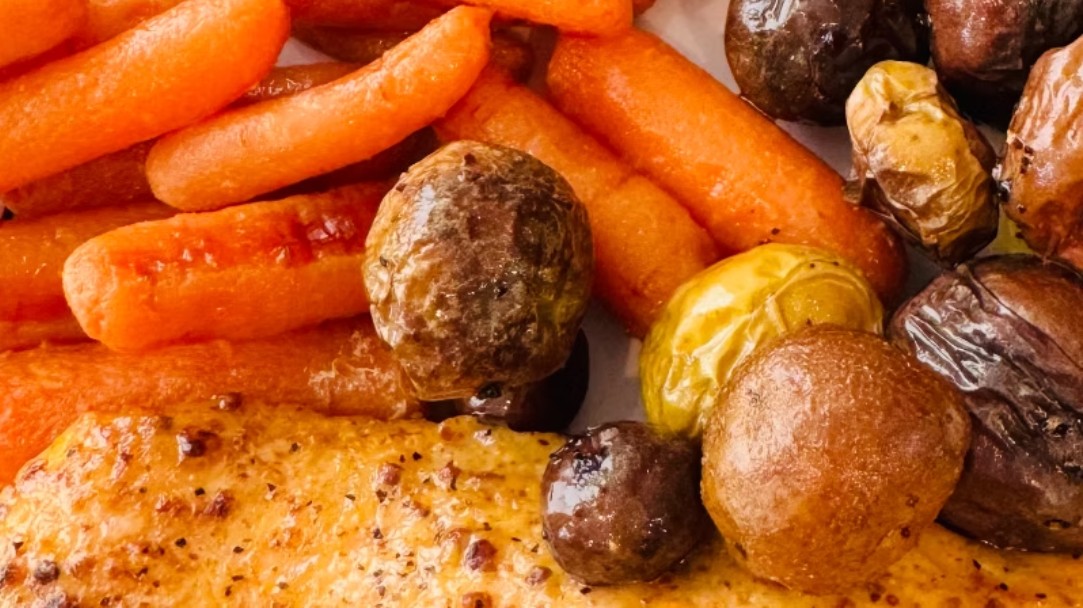
This quick salmon dish is easy enough for a weeknight dinner but elegant enough for holidays, dinner parties, or other special occasions. It can be prepared as one large fillet for a beautiful presentation or divided into individual portions before cooking. Serve it with roasted vegetables, rice, potatoes, salad, or another favorite gluten-free side dish for a complete meal.
Directions
Step 1: Prepare the Oven
Preheat the broiler and position the oven rack approximately 6 inches below the broiler element. Line a rimmed baking sheet with aluminum foil for easier cleanup.
Broilers vary in strength, so plan to remain near the oven while the salmon cooks. The sweet glaze can brown quickly once it is exposed to the high heat.
Step 2: Make the Honey-Mustard Glaze
Place the mayonnaise, Honey Cup Uniquely Sharp Mustard, Grey Poupon Country Dijon Mustard, Maille Whole Grain Old Style Mustard, honey, and cayenne pepper in a small mixing bowl.
Whisk until the ingredients are smooth and fully combined. Scrape the bottom and sides of the bowl as needed to ensure the honey and different mustards are evenly incorporated.
Step 3: Prepare the Salmon
Pat the salmon dry with paper towels. Removing excess moisture helps the glaze adhere to the fish and promotes more even browning.
Season both sides of the salmon with the kosher salt and freshly ground black pepper. If using skin-on salmon, arrange it skin-side down on the prepared baking sheet.
When preparing individual portions, place the pieces in a single layer with a small amount of space between them. This allows the heat to circulate more evenly around each portion.
Step 4: Glaze the Salmon
Spoon the honey-mustard mixture over the salmon. Use the back of a spoon or a small spatula to spread a thin, even coating over the top and sides.
Make sure the exposed surface is covered, but do not apply the glaze too thickly. An even layer will cook more consistently and develop a beautifully golden, lightly caramelized finish.
Step 5: Broil the Salmon
Place the baking sheet under the preheated broiler. Broil the salmon for 5 to 15 minutes, depending on the thickness of the whole fillet or individual portions.
Watch the salmon carefully as it cooks. The honey-mustard glaze should become golden brown, slightly caramelized, and fragrant. Thinner portions may finish cooking near the beginning of the time range, while a thick whole fillet may need closer to 15 minutes.
Step 6: Check the Temperature
Insert an instant-read thermometer into the thickest part of the salmon. Cook until the internal temperature reaches 115°F for medium-rare or 125°F for medium.
If the glaze becomes sufficiently browned before the center of the salmon reaches the desired temperature, turn off the broiler and change the oven temperature to 425°F. Continue baking for another 1 to 2 minutes, or until the salmon reaches the preferred internal temperature.
Remove the salmon from the oven promptly once it is cooked to your liking. The fish will continue cooking slightly from residual heat after it is removed from the oven.
Step 7: Serve
Carefully transfer the whole salmon fillet to a serving platter or place the individual portions on dinner plates. If using a skin-on fillet, slide a thin spatula between the cooked flesh and skin if you prefer to leave the skin on the baking sheet.
Serve the salmon immediately while the center is moist and flaky and the honey-mustard glaze is warm. Pair it with roasted vegetables, steamed rice, potatoes, a fresh green salad, or your favorite gluten-free side dishes.
Notes
This recipe works well with either one large salmon fillet or individually portioned salmon pieces. Individual pieces may cook more quickly, so begin checking them after 5 minutes.
Both skin-on and skinless salmon can be used. Leaving the skin attached may make a large fillet easier to move after cooking, even if you do not plan to serve the skin.
The precise cooking time will depend on the thickness of the salmon, its temperature before cooking, and the intensity of the broiler. Check the fish frequently instead of relying only on the cooking time.
For the best texture and flavor, avoid overcooking the salmon. The center should remain moist, and the flesh should separate into tender flakes when gently pressed.
Adjust the cayenne pepper to suit your preferred heat level. Reduce it for a milder glaze or add a little more if you enjoy a stronger spicy contrast with the honey.
Scottish salmon is prized for its rich flavor, buttery texture, and omega-3 content, making it an excellent choice for this sweet and tangy preparation.
The honey-mustard glaze can be prepared up to 7 days in advance. Store it in an airtight container in the refrigerator and stir it well before using.
Store leftover cooked salmon in an airtight container in the refrigerator for up to 3 days.
To reheat, place the salmon in a 300°F oven and warm it gently until heated through. Gentle reheating helps the fish retain more of its moisture and delicate texture.
This recipe does not contain an obvious source of gluten, but packaged condiments can vary. When serving someone with celiac disease or gluten sensitivity, check the mayonnaise, mustards, seasonings, and other packaged ingredients for appropriate gluten-free labeling. Use clean utensils, cookware, and work surfaces to prevent cross-contact.