Dark Red Cosmos: The Complete Guide to Growing These Elegant Burgundy Flowers
Discover how to grow Dark Red Cosmos with this complete gardening guide. Learn about planting, care, companion planting, pollinator benefits, culinary uses, harvesting, seed saving, and landscaping ideas for these beautiful burgundy blooms.
There is something truly captivating about Dark Red Cosmos. Their velvety burgundy petals seem to dance in the breeze, creating a display that is both elegant and effortless. While many summer flowers demand constant attention, Dark Red Cosmos quietly rewards gardeners with months of spectacular blooms while asking for very little in return.
Whether you are creating a colorful cottage garden, filling raised beds with pollinator-friendly flowers, designing a cutting garden, or simply adding beauty to your vegetable garden, Dark Red Cosmos is a wonderful choice. These graceful annuals are easy to grow, bloom continuously from summer through the first frost, and attract countless beneficial insects that help your entire garden flourish.
One of the best qualities of Dark Red Cosmos is its versatility. It looks just as beautiful growing beside herbs and vegetables as it does lining a garden path or filling decorative containers on a sunny patio. The rich burgundy blooms provide dramatic contrast against green foliage and pair beautifully with flowers in shades of white, pink, orange, yellow, and purple.
In this guide, you will learn everything you need to know about growing Dark Red Cosmos, from planting and care to companion planting, pollinator benefits, culinary uses, and ideas for incorporating these stunning flowers into your landscape.
What Is Dark Red Cosmos?
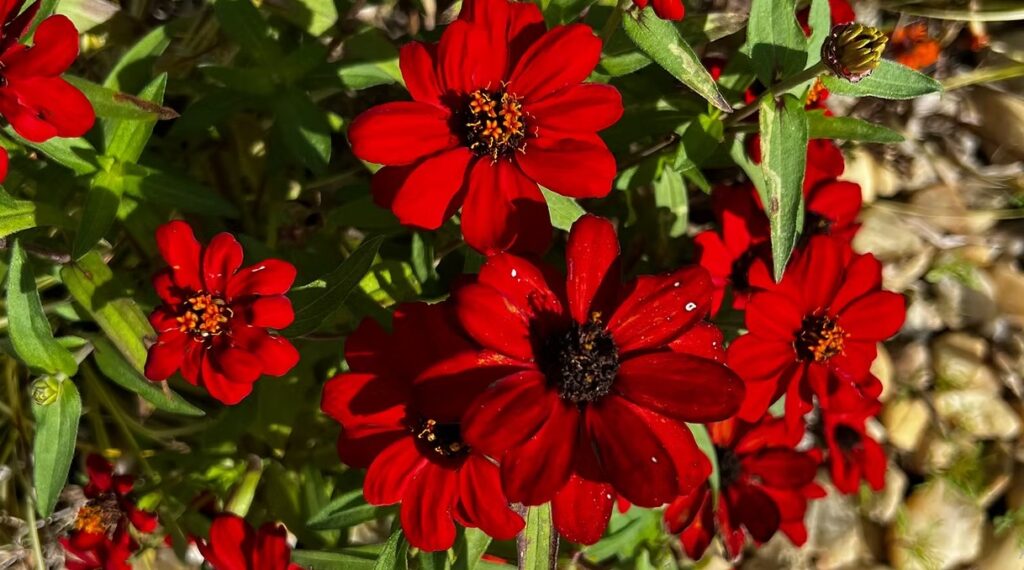
Dark Red Cosmos is a beautiful variety of Cosmos bipinnatus, an annual flowering plant native to Mexico. It is admired for its rich crimson to deep burgundy flowers that resemble delicate daisies resting atop long, slender stems.
The finely divided, feathery foliage gives the plant an airy appearance that softens garden beds while allowing neighboring plants to shine. Mature plants typically grow between 3 and 5 feet tall, making them ideal for adding height and texture without overwhelming smaller flowers.
Unlike many ornamental flowers that bloom for only a few weeks, Dark Red Cosmos continues producing blossoms for months. With regular deadheading or harvesting, new flowers appear continuously throughout the growing season, providing fresh color until frost finally ends the display.
Their elegant appearance makes them equally at home in formal landscapes, relaxed cottage gardens, wildflower meadows, and productive vegetable gardens.
Why Gardeners Love Dark Red Cosmos
There is a reason Dark Red Cosmos has remained a favorite among gardeners for generations.
It is one of the easiest annual flowers to grow, making it an excellent choice for beginners while still impressing experienced gardeners with its beauty and reliability.
The plants grow quickly from seed, require very little maintenance, tolerate periods of drought, and rarely suffer from serious pest or disease problems. Their continuous blooms provide reliable color throughout the hottest months of summer when many other flowers begin to fade.
Dark Red Cosmos also serves an important purpose beyond its beauty. The nectar-rich flowers attract bees, butterflies, hoverflies, and other beneficial insects that improve pollination throughout the garden. If you grow tomatoes, peppers, squash, cucumbers, herbs, or fruit trees, adding cosmos nearby can help encourage more pollinator activity.
Gardeners also appreciate how well these flowers perform as cut flowers. Their long stems make arranging fresh bouquets easy, and frequent harvesting actually encourages even more blooms.
Choosing the Perfect Growing Location
Dark Red Cosmos thrives in locations that receive full sun throughout most of the day.
Providing six to eight hours of direct sunlight encourages strong stems and abundant flowers. Plants grown in partial shade often become taller and produce fewer blooms as they stretch toward available light.
One of the most surprising characteristics of cosmos is that they actually perform better in average garden soil than in soil that has been heavily enriched with fertilizer or compost.
When soil contains excessive nutrients, the plants often produce lush green foliage but relatively few flowers. Moderately fertile, well-drained soil encourages healthier blooming and stronger plants.
If your soil drains well and receives plenty of sunshine, Dark Red Cosmos will likely thrive.
Planting Dark Red Cosmos
Growing Dark Red Cosmos from seed is both simple and rewarding.
After the danger of frost has passed in spring, sow seeds directly into prepared garden beds. Scatter the seeds over the soil surface and lightly cover them with a thin layer of soil. Water gently and keep the soil evenly moist until germination.
Most seeds sprout within seven to fourteen days depending on temperature.
For an earlier start, seeds may also be started indoors four to six weeks before the final frost date and transplanted outdoors once temperatures have warmed.
When planting multiple seedlings, space them 12 to 18 inches apart. Good spacing improves airflow, reduces disease problems, and allows each plant enough room to develop into a full, bushy specimen.
Watering Throughout the Season
Young plants appreciate consistent moisture while establishing their roots.
Once established, however, Dark Red Cosmos becomes surprisingly drought tolerant. Deep watering once the soil begins drying is generally more beneficial than frequent shallow watering.
Avoid constantly wet soil, as excessive moisture may weaken the plants and reduce flowering.
During periods of extreme summer heat, occasional supplemental watering helps maintain healthy blooms while reducing stress.
Fertilizing Less Often Produces Better Results
Many flowering plants benefit from regular feeding, but Dark Red Cosmos is different.
Too much fertilizer encourages rapid leaf growth instead of flower production.
In most gardens, additional fertilizer is unnecessary. If your soil is especially poor, a light application of balanced fertilizer early in the season is usually sufficient.
Allowing the plants to grow naturally often results in stronger stems and significantly more flowers.
Keep the Flowers Coming All Summer
One of the greatest rewards of growing Dark Red Cosmos is watching fresh blooms appear week after week.
The secret is simple.
Remove faded flowers regularly before they begin forming seeds.
This process, known as deadheading, signals the plant to continue producing new flower buds instead of ending its blooming cycle.
Gardeners who enjoy fresh floral arrangements have an added advantage because every bouquet harvested encourages another flush of blossoms.
The more flowers you cut, the more the plant typically produces.
Companion Planting with Dark Red Cosmos
Dark Red Cosmos is much more than an ornamental flower.
It also serves as an outstanding companion plant throughout the garden.
The blooms attract beneficial insects that improve pollination while inviting natural predators that help reduce pest populations.
Planting cosmos throughout vegetable gardens creates both beauty and biodiversity while helping nearby crops thrive.
A Pollinator Paradise
If you enjoy watching butterflies drift through your garden or listening to the gentle buzz of bees, Dark Red Cosmos is an excellent addition.
The open flower centers provide easy access to nectar and pollen, making them highly attractive to both honeybees and native bee species.
Butterflies frequently visit throughout the day, while hoverflies and parasitic wasps also benefit from the abundant nectar.
Many of these insects play an important role in natural pest management by feeding on aphids and other common garden pests.
By adding Dark Red Cosmos to your landscape, you help create a healthier environment for both wildlife and your garden.
Culinary Uses
Many gardeners are surprised to learn that Dark Red Cosmos flowers are edible.
When grown without pesticides or chemical sprays, the colorful petals can be harvested and used as beautiful edible garnishes.
Their mild flavor makes them ideal for decorating salads, fresh fruit platters, desserts, cakes, cookies, infused ice cubes, herbal teas, mocktails, and cocktails.
The dramatic burgundy petals add natural color and elegance to special occasions while celebrating the beauty of edible flowers.
Always harvest flowers specifically grown for culinary use and wash them thoroughly before serving.
Growing Dark Red Cosmos in Containers
Even gardeners with limited space can enjoy these spectacular flowers.
Dark Red Cosmos grows beautifully in large containers placed on sunny patios, balconies, porches, and decks.
Choose a pot with adequate drainage and fill it with a quality well-draining potting mix.
Because container soil dries more quickly than garden beds, check moisture levels regularly during hot weather.
With proper care and routine deadheading, container-grown plants bloom continuously throughout the season.
Common Problems
Fortunately, Dark Red Cosmos is one of the easiest flowering plants to maintain.
Most gardeners experience very few problems.
Occasionally, aphids may gather on tender new growth, spider mites can appear during extended hot weather, and powdery mildew may develop if plants become overcrowded in humid conditions.
Providing proper spacing, watering at the base of the plant, and ensuring good airflow usually prevents these issues before they become serious.
Healthy plants are naturally resilient and recover quickly from minor pest activity.
Saving Seeds
As the growing season comes to a close, allow several flower heads to remain on the plant until they mature and dry naturally.
The seeds become dark and slender when fully ripe.
Collect the dried seed heads, remove the seeds, and store them in a labeled paper envelope in a cool, dry location until the following spring.
Saving seeds is an enjoyable tradition that allows you to grow beautiful Dark Red Cosmos year after year while reducing gardening costs.
Landscaping Ideas
Dark Red Cosmos blends beautifully into nearly every garden style.
Plant them among ornamental grasses for a natural prairie-inspired landscape.
Mix them with white cosmos, orange zinnias, yellow sunflowers, and purple salvias for a vibrant summer border.
Grow them throughout vegetable gardens to attract pollinators while adding ornamental beauty.
Create dedicated cutting gardens filled with cosmos, zinnias, celosia, snapdragons, and herbs for months of fresh bouquets.
Plant them in raised beds where their tall stems create a colorful backdrop for shorter vegetables and herbs.
Wherever they are planted, Dark Red Cosmos adds graceful movement and rich color that continues improving as the season progresses.
Bring Timeless Beauty to Your Garden
Dark Red Cosmos is proof that spectacular gardens do not have to be complicated. With their deep burgundy flowers, delicate fern-like foliage, and remarkably long blooming season, these annuals provide continuous beauty with minimal effort.
Whether your goal is to attract pollinators, create breathtaking bouquets, enhance your vegetable garden, or simply enjoy months of colorful blooms, Dark Red Cosmos is a flower that delivers on every level. Easy to grow, drought tolerant, and endlessly rewarding, it quickly becomes one of the highlights of the summer landscape.
Once you experience a garden filled with these elegant flowers swaying gently in the breeze, it is easy to understand why Dark Red Cosmos has remained a favorite among gardeners for generations.
Brilliant red cosmos create a bold display of color in the sunlit summer garden.
Learn how to grow orange cosmos with guidance on planting, sunlight, soil, watering, deadheading, containers, pests, seed saving, and companion plants. Orange cosmos bring brilliant color, delicate texture, and lively movement to sunny gardens. Their golden-orange flowers rise above airy green foliage, creating a cheerful display that feels equally at home in cottage gardens, pollinator beds, cutting gardens, and informal borders. Once established, these warm-season annuals provide months of flowers with relatively little maintenance. Often identified botanically as Cosmos sulphureus, orange cosmos are related to the familiar pink, white, and burgundy garden cosmos known as Cosmos bipinnatus. Orange cosmos generally have broader, more deeply divided foliage and produce flowers in vivid shades of yellow, gold, orange, and scarlet. Depending on the cultivar and growing conditions, plants may remain compact or reach several feet tall. One of the greatest advantages of growing orange cosmos is their adaptability. They tolerate heat, lean soil, and occasional dry conditions after their roots are established. They also attract butterflies and other visiting pollinators while producing flowers that can be enjoyed in both the garden and fresh arrangements. Why Grow Orange Cosmos? Orange cosmos offer impressive color without requiring rich soil or an elaborate care routine. Their daisy-like blooms complement many garden styles, from relaxed wildflower plantings to carefully planned color-themed borders. The fiery flowers are especially effective when planted in groups. A mass planting produces a glowing ribbon of color, while individual plants can be scattered among ornamental grasses and other annual flowers for a more natural appearance. Their open growth habit allows neighboring plants to remain visible, making orange cosmos useful for filling gaps without creating a heavy or crowded look. These flowers are also valuable for extending seasonal interest. In many climates, they begin blooming during summer and continue until cold weather or the first hard frost ends the display. Choosing the Right Orange Cosmos Orange cosmos cultivars vary considerably in height, flower form, and color. Some produce simple single flowers with open centers, while others have semi-double or double blooms. Colors may range from soft golden yellow to tangerine, deep orange, and reddish scarlet. Compact cultivars are well suited to containers, pathways, and the front of a flower bed. Taller varieties create an attractive backdrop and provide longer stems for cutting. Always check the seed packet or plant label for the expected mature height because some varieties stay under 2 feet while others can grow much taller. When planning a mixed planting, consider both the mature height and the intensity of the flower color. Bright orange cultivars create a dramatic focal point, while yellow-orange selections blend more gently with surrounding plants. The Best Location for Orange Cosmos Orange cosmos grow and flower best in full sun. Choose a location that receives at least six hours of direct sunlight each day. Plants may tolerate some light shade, but insufficient sunlight can result in fewer flowers and weaker, more elongated stems. Good air circulation is also helpful. Avoid crowding plants against dense shrubs or placing them where wet foliage remains enclosed for long periods. Taller varieties benefit from a location protected from strong wind, particularly in regions that experience frequent summer storms. Orange cosmos perform beautifully in flower beds, sunny borders, raised beds, cottage gardens, pollinator gardens, and dedicated cutting gardens. They can also be planted along fences or near vegetable gardens to add color and attract beneficial visitors. Soil Requirements Well-drained soil is more important than highly fertile soil when growing orange cosmos. These adaptable annuals can tolerate sandy, loamy, and moderately poor garden soils as long as water does not remain around their roots. Rich soil and excessive fertilizer can encourage abundant foliage at the expense of flowers. Overfed plants may also grow unusually tall and become more likely to lean or flop. In average garden soil, additional fertilizer is often unnecessary. If the planting area has heavy clay or drains slowly, improve the location before sowing by addressing compaction and drainage. Compost can help support soil structure, but it should be incorporated moderately rather than used to create an excessively rich planting bed. How to Grow Orange Cosmos From Seed Orange cosmos are easy to grow directly from seed. Wait until the danger of frost has passed and the soil has begun to warm. Cold, wet soil may delay germination and increase the chance of seeds deteriorating before they sprout. Prepare the site by loosening the surface and removing weeds, stones, and large clumps of soil. Scatter or space the seeds according to the information on the seed packet, then cover them lightly. Cosmos seeds should not be buried deeply because excessive planting depth may interfere with germination. Water the area gently so the seeds remain in place. Keep the upper layer of soil consistently moist while germination occurs, but do not leave it saturated. Seedlings commonly emerge within one to three weeks, depending on soil temperature, moisture, and the cultivar. Once the seedlings are large enough to handle, thin crowded plants to provide adequate space. Good spacing encourages stronger stems, better airflow, and a fuller display of flowers. Starting Seeds Indoors Gardeners with short growing seasons can start orange cosmos indoors several weeks before the expected final spring frost. Use a well-draining seed-starting mixture and provide strong, consistent light after the seedlings emerge. Insufficient light can cause young cosmos plants to become thin and stretched. If growing them beneath plant lights, position the lights according to the manufacturer’s recommendations and adjust them as the seedlings grow. Before moving indoor-grown seedlings into the garden, introduce them gradually to outdoor sunlight, wind, and temperature changes. This hardening process reduces transplant stress. Plant them outside only after frost danger has passed and conditions have warmed. Watering Orange Cosmos Newly planted seeds and young seedlings need consistent moisture while their root systems develop. Water carefully enough to moisten the soil without washing seeds away or flattening tender plants. Established orange cosmos tolerate occasional dry conditions, but they still benefit from water during extended
Celebrate a tulips, mint, and cosmos harvest with practical gathering tips, seasonal garden inspiration, and ideas for colorful floral arrangements. A garden harvest is not limited to fruits, vegetables, and culinary herbs. Flowers and fragrant foliage can be gathered throughout the growing season to create colorful bouquets, fresh arrangements, and meaningful moments that reflect the beauty of the garden. Tulips, mint, and cosmos each contribute something special, from the sculptural elegance of spring tulips to the refreshing fragrance of mint and the airy charm of summer cosmos. Although these plants usually reach their peak at different times, together they tell the story of a garden moving through the seasons. Tulips announce the arrival of spring, mint fills the warmer months with vigorous green growth, and cosmos carries the cutting garden into summer and fall. Photographing, arranging, or preserving each harvest creates a lovely seasonal record. The Tulips, Mint, and Cosmos Harvest celebrates more than beautiful plants. It represents the simple pleasure of stepping outdoors, choosing a few carefully grown stems, and bringing the colors and fragrances of the garden inside. The Elegant Beauty of Fresh Tulips Tulips are among the most anticipated flowers of spring. Their smooth petals, graceful stems, and remarkable range of colors make them natural focal points in seasonal bouquets. Depending on the variety, tulips may bloom in soft pastels, bright jewel tones, warm sunset shades, or dramatic near-black hues. For indoor arrangements, tulips are generally best harvested when the buds have developed their full color but remain mostly closed. Flowers gathered at this stage can continue opening in the vase, allowing their beauty to unfold over several days. Use clean, sharp garden snips or a floral knife to cut the stems. When tulips are grown as returning garden bulbs, avoid removing too much foliage with the flower. The remaining leaves need time to gather energy for the bulb. Allow the foliage to stay in the garden until it naturally yellows and declines. Place harvested tulips in clean, cool water as soon as possible. Tulip stems may continue to grow and curve after cutting, giving arrangements a relaxed, changing appearance. Refreshing the water and trimming the stem ends can help keep the flowers looking their best. Fragrant Mint From the Herb Garden Mint brings an entirely different sensory quality to a garden harvest. Its vibrant green leaves and refreshing fragrance make it valuable in the kitchen, in homemade beverages, and as greenery in informal floral arrangements. Harvest mint after the morning dew has dried but before the strongest heat of the day. Use clean snips to cut several inches down the stem, making the cut just above a healthy set of leaves. This encourages branching and can help the plant develop fuller growth. Regular harvesting also keeps mint from becoming overly tall and unruly. Because mint spreads aggressively in many gardens, it is often grown in a large container or another contained area. Even in a pot, it can provide an abundant supply of fragrant stems throughout the growing season. Fresh mint may be added to water, lemonade, iced tea, fruit salads, sauces, and many other dishes. It can also be dried or frozen for later use. When placing mint in a bouquet, keep in mind that its stems may wilt more quickly than some flowers. Condition freshly cut stems in cool water before arranging them. Only use mint in food or drinks when the plant has been positively identified and grown without products that are unsuitable for edible crops. Mint from florist arrangements should be treated as decorative unless its source and growing practices are known. The Airy Charm of Cosmos Cosmos brings movement, softness, and an unmistakable cottage-garden character to summer arrangements. The slender stems and delicate flowers appear to float above their fine, feathery foliage. Common colors include white, pink, rose, burgundy, orange, and yellow, depending on the species and variety. For the longest possible vase life, harvest cosmos when the flower is beginning to open but has not fully expanded. Choose healthy stems with fresh petals and no signs of damage. Cut deeply into the plant when possible, selecting long stems while leaving enough healthy growth to support continued flowering. Cosmos is a productive cut flower because regular harvesting and deadheading can encourage the plant to keep producing blooms. Flowers that are allowed to remain on the plant will eventually form seeds, which may reduce new flower production as the season progresses. Place the stems in clean water immediately after cutting. Remove any foliage that would sit below the waterline, since submerged leaves can deteriorate and reduce water quality. Cosmos looks beautiful on its own, but it also combines naturally with herbs, grasses, zinnias, dahlias, and other garden flowers. Bringing Different Garden Seasons Together In many climates, tulips and cosmos will not bloom at the same time. Tulips are cool-season spring flowers, while cosmos usually begins blooming during the warmer months. Mint may be available between these periods and continue producing until cold weather arrives. Rather than viewing this seasonal difference as a limitation, consider it part of the garden’s story. A collection of photographs, pressed flowers, dried petals, or individual seasonal arrangements can connect the three harvests. Spring tulips may be photographed beside the first emerging mint, while summer cosmos can be arranged with mature mint foliage later in the year. Garden journals are another beautiful way to preserve the experience. Record bloom dates, colors, fragrance, weather conditions, and the performance of different varieties. These observations can help with future planting decisions while creating a personal record of the season. Creating a Garden Fresh Arrangement Tulips create a bold foundation for spring arrangements, while mint adds texture and a clean herbal fragrance. During summer, cosmos can replace tulips as the primary flower, with mint continuing to provide greenery and contrast. Begin with a clean vase filled with fresh water. Remove leaves that would fall below the waterline, trim the stems with clean tools, and arrange the flowers loosely so their natural
Here, you will learn all about chive blossoms and parsley, including how companion planting helps both herbs thrive, the many benefits they bring to your garden, and the delicious ways to use them in everyday cooking. Whether you are creating a thriving kitchen garden or looking for fresh inspiration in the kitchen, chive blossoms and parsley are a versatile pairing that offers beauty, flavor, and abundant harvests throughout the growing season. There is something incredibly satisfying about walking into your garden, brushing your hand across a patch of fragrant herbs, and gathering a handful of fresh parsley alongside a few vibrant purple chive blossoms. Moments like these remind us that a garden is more than a place to grow food. It is a space where beauty, nature, and fresh ingredients come together to inspire every meal. Among the many herbs you can grow, chives and parsley are one of the easiest and most rewarding companion planting combinations. They thrive under similar growing conditions, complement one another beautifully, and provide fresh harvests from spring through fall. Their partnership benefits not only your kitchen but your entire garden by attracting pollinators, supporting beneficial insects, and helping create a healthier growing environment. Whether you are planting a large kitchen garden, filling raised beds, or growing herbs in containers on your patio, chive blossoms and parsley are a pairing that delivers season after season. Their fresh flavors elevate everyday meals, while their graceful appearance adds charm and color to any outdoor space. A Perfect Partnership in the Herb Garden Companion planting is the practice of growing plants together that naturally benefit one another. Some companion plants improve soil conditions, others attract pollinators, while some help reduce pest problems or make better use of available growing space. Chives and parsley check nearly every one of those boxes. Parsley grows in lush, leafy mounds that remain attractive throughout much of the growing season. Chives produce slender green leaves that eventually give way to beautiful globe-shaped blossoms in shades of lavender and purple. Together they create layers of texture and color that look just as lovely in ornamental gardens as they do in vegetable beds. Their similar care requirements also make them easy companions. Both appreciate fertile soil, regular watering, and plenty of sunshine, allowing gardeners to care for both herbs using the same routine. For anyone just beginning an herb garden, this combination is an excellent place to start. Why Companion Planting Matters Healthy gardens are built on diversity. Instead of growing a single crop in isolation, companion planting encourages a balanced ecosystem where plants, pollinators, and beneficial insects work together. Every herb contributes something unique to the garden. Parsley provides dense foliage that helps shade the soil and reduce moisture loss. Chives contribute their distinctive onion aroma while producing nectar-rich flowers that become gathering places for pollinating insects. Together they create an environment where plants thrive naturally. Rather than viewing herbs simply as ingredients for cooking, companion planting reminds us that every plant plays an important role in supporting the health of the entire garden. Chives Help Naturally Discourage Garden Pests One reason gardeners have planted chives throughout vegetable gardens for generations is their reputation for helping reduce certain insect problems. As members of the onion family, chives contain sulfur compounds responsible for their mild onion fragrance. While people enjoy this familiar aroma, many insects do not. Growing chives near parsley may help discourage aphids, Japanese beetles, spider mites, and several other common garden pests. Although companion planting is not a replacement for good garden management, it can become an important part of an organic gardening strategy by encouraging healthier plants and reducing stress caused by insect activity. Many gardeners also plant chives near tomatoes, carrots, strawberries, roses, peppers, and apple trees for the very same reason. Chive Blossoms Bring Your Garden to Life If there is one reason never to cut every chive flower before it opens, it is the incredible number of beneficial insects they attract. As spring transitions into early summer, chives produce clusters of soft purple blossoms that quickly become one of the busiest places in the garden. Honeybees eagerly gather nectar from the flowers while native bees move from bloom to bloom collecting pollen. Butterflies drift through the blossoms, adding movement and beauty to the landscape, while hoverflies quietly perform double duty by feeding on nectar as adults and helping control aphids during their larval stage. Watching these visitors move through your herb garden is one of the simple pleasures of gardening. Their presence also benefits nearby vegetables, fruit trees, berry bushes, and flowering plants that depend on pollination for healthy harvests. Growing Chives and Parsley Together One of the reasons these herbs are so popular is because they are wonderfully uncomplicated. Choose a location that receives at least six hours of sunlight each day. While chives love full sun, parsley appreciates a little afternoon shade during periods of intense summer heat, especially in warmer climates. Plant both herbs in fertile, well-drained soil enriched with compost. Rich organic matter encourages vigorous growth while helping retain moisture between waterings. Water regularly, keeping the soil evenly moist without allowing it to become soggy. Applying a layer of mulch around the plants helps regulate soil temperature, conserve moisture, and reduce weed growth. With only a little routine care, both herbs will reward you with months of fresh harvests. Beautiful in Every Garden Style One of the joys of growing herbs is their versatility. Chives and parsley look equally at home in formal herb gardens, rustic cottage gardens, raised beds, decorative borders, and patio containers. The upright foliage and cheerful blossoms of chives create natural height, while parsley fills the surrounding space with rich green leaves. The contrast between soft purple flowers and vibrant green foliage creates a timeless combination that looks attractive from spring until frost. Many gardeners intentionally plant these herbs near walkways or seating areas where their fragrance and colorful blooms can be enjoyed every day. Other Plants That Thrive
Originally published
March 2026
Updated
August 2026
Reviewed by
Culibloom