Creating a Serene Rock Garden: Design Ideas for a Peaceful Backyard Retreat
Learn how to create a serene rock garden with inspiring design ideas, low-maintenance plants, natural stone landscaping tips, and simple ways to transform your backyard into a peaceful outdoor retreat.
A serene rock garden is a beautiful way to transform your outdoor space into a peaceful backyard retreat. Combining natural stone with carefully selected plants creates a landscape that is both visually appealing and remarkably low maintenance. Whether you have a large yard, a small garden corner, or a sloped landscape, a thoughtfully designed rock garden can add texture, depth, and year-round interest while providing a relaxing place to enjoy nature.
Unlike traditional flower beds that require frequent watering and upkeep, rock gardens are designed to thrive with minimal maintenance. They highlight the natural beauty of stone while showcasing hardy plants that flourish in well-drained soil. From Zen-inspired landscapes to colorful alpine gardens, rock gardens offer endless design possibilities that fit nearly every gardening style.
Why Create a Rock Garden?
A rock garden is much more than an attractive landscape feature. It provides a tranquil environment where nature and thoughtful design work together to create a calming atmosphere. The combination of rocks, ornamental plants, and open spaces encourages relaxation while reducing the amount of time spent maintaining your yard.
One of the biggest advantages of a rock garden is its water efficiency. Many rock garden plants are drought tolerant and require significantly less irrigation than traditional flower gardens. This makes rock gardens an environmentally friendly choice for homeowners looking to conserve water without sacrificing beauty.
Natural stone also provides permanent structure to your landscape. Even during the winter months when flowers have faded, the rocks continue to add visual interest and character to your outdoor space.
Selecting the Best Location
Choosing the right location is one of the most important steps in creating a successful rock garden.
Most rock garden plants perform best in areas that receive at least six hours of sunlight each day. A sunny location encourages healthy growth and vibrant blooms while helping the soil remain well drained.
If your property has a gentle slope, it is an ideal location for a rock garden because excess water naturally drains away from the roots. Flat landscapes can also work well by creating raised planting mounds that improve drainage and add visual dimension.
Avoid low areas where water tends to collect after heavy rainfall, as prolonged moisture can damage many drought-loving plants.
Choosing the Right Rocks
The rocks are the foundation of your garden design and should appear as though they naturally belong in the landscape.
Using locally sourced stone often creates the most authentic appearance while blending seamlessly with the surrounding environment. Selecting rocks of varying sizes helps create a more natural look than using stones that are all the same shape or size.
Large boulders serve as eye-catching focal points, while medium and smaller stones soften the landscape and connect planting areas together.
Popular choices include granite, limestone, sandstone, slate, river rock, and fieldstone. Choosing one or two complementary stone varieties creates a cohesive and timeless design.
Designing a Natural Landscape
The most beautiful rock gardens imitate nature rather than appearing overly planned.
Instead of arranging rocks in straight rows or evenly spaced patterns, group them in irregular formations. Partially bury larger rocks so they appear firmly rooted in the landscape.
Curved planting beds, winding gravel pathways, and varied elevations help create a sense of movement while encouraging visitors to explore the garden.
Leaving open spaces between plants and rocks allows each element to stand out while creating a peaceful, uncluttered atmosphere.
Choosing Plants for Your Rock Garden
Plant selection plays a major role in creating a beautiful and low-maintenance rock garden.
Choose plants that thrive in well-drained soil and tolerate dry conditions. Mixing flowering perennials, evergreen shrubs, ornamental grasses, and succulents provides year-round color and texture.
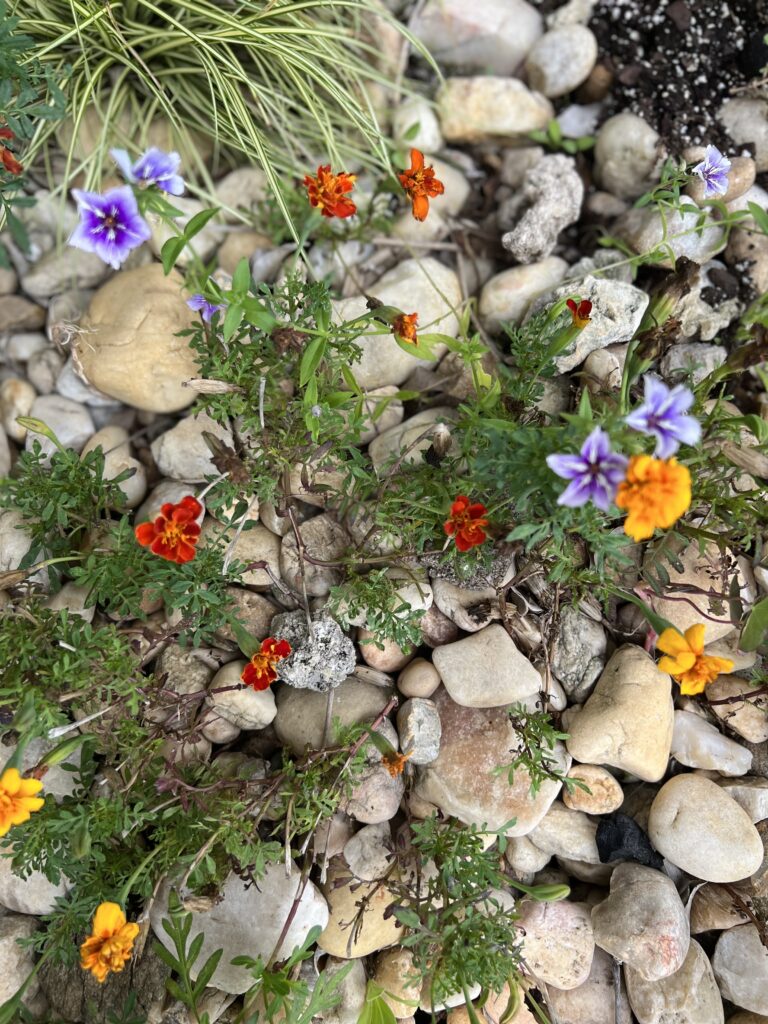
Excellent choices include creeping thyme, sedum, hens and chicks, lavender, creeping phlox, candytuft, blue fescue, ice plant, ornamental grasses, dwarf conifers, and various succulents.
Combining plants with different bloom times ensures continuous seasonal interest while creating a dynamic landscape throughout the year.
Add a Water Feature for Extra Serenity
Water features pair beautifully with rock gardens and help create a peaceful outdoor retreat.
The gentle sound of flowing water masks neighborhood noise while enhancing the relaxing atmosphere.
Small bubbling fountains, miniature waterfalls, decorative ponds, or recirculating streams all make excellent additions. Even a simple birdbath surrounded by natural stone can become a charming focal point that attracts birds and beneficial pollinators.
Create a Zen-Inspired Garden
If you prefer a minimalist landscape, consider incorporating elements of a traditional Zen garden.
Use fine gravel or crushed stone to represent flowing water while arranging larger rocks to symbolize mountains or islands.
Simple plantings such as moss, dwarf evergreens, ornamental grasses, and carefully shaped shrubs reinforce the calming aesthetic.
Adding a stone bench, wooden seating area, or decorative lantern creates a quiet place to relax, meditate, or simply enjoy the beauty of your surroundings.
Decorative Touches That Enhance the Landscape
The best rock gardens rely primarily on the beauty of natural materials, but carefully selected decorative accents can personalize the space.
Stone lanterns, weathered driftwood, ceramic pots, rustic benches, garden sculptures, decorative gravel, and stepping stones all complement the natural setting without overwhelming it.
Keeping decorative elements simple allows the rocks and plants to remain the primary focal points.
Enjoy Beauty Throughout Every Season
One of the greatest advantages of a well-designed rock garden is its year-round appeal.
Spring brings colorful blooms from creeping phlox, candytuft, and alpine flowers.
Summer highlights lavender, ornamental grasses, and vibrant succulents.
Autumn introduces warm foliage colors, interesting seed heads, and ornamental grasses that sway gently in the breeze.
Winter reveals the timeless beauty of natural stone alongside evergreen shrubs and dwarf conifers that continue to provide structure and texture.
By selecting plants with staggered bloom periods and varying foliage colors, your rock garden will remain attractive during every season.
Easy Rock Garden Maintenance
Rock gardens are well known for their low maintenance requirements.
Once established, they need only occasional watering during extended dry periods, seasonal pruning, and routine weeding.
Refreshing decorative gravel every few years helps maintain a neat appearance while improving drainage around plants.
Checking larger stones periodically ensures they remain stable after heavy rains or changing weather conditions.
A light layer of gravel mulch also helps suppress weeds while preserving soil moisture.
Sustainable Landscaping Benefits
Rock gardens are an excellent choice for environmentally conscious gardeners.
Because they rely on drought-tolerant plants, they significantly reduce water consumption compared to traditional flower beds.
Many rock garden plants attract bees, butterflies, and other beneficial pollinators while creating habitats for birds and small wildlife.
Replacing portions of your lawn with a rock garden also reduces mowing, fertilizing, and overall landscape maintenance, making your outdoor space both beautiful and environmentally responsible.
Transform Your Backyard into a Peaceful Retreat
Creating a serene rock garden is one of the most rewarding ways to enhance your landscape while enjoying a peaceful backyard retreat. With carefully placed natural stone, low-maintenance plants, and thoughtful design, you can create an outdoor oasis that offers beauty throughout every season.
Whether your vision includes a colorful alpine display, a modern minimalist landscape, or a tranquil Zen-inspired sanctuary, a rock garden provides lasting beauty with minimal upkeep. By embracing natural materials and sustainable gardening practices, you can create an inviting outdoor space where you will enjoy relaxing, entertaining, and reconnecting with nature for years to come.
Grow healthy jalapeño plants by providing the right growing conditions, such as six to eight hours of direct sunlight, fertile, well-drained soil enriched with compost, and deep watering. By following these tips, you can prevent common problems like yellow leaves, flower drop, and pests, ensuring a bountiful harvest of flavorful peppers.
Discover the essential garden tools every gardener needs to create a thriving, productive, and beautiful garden. From hand trowels to pruning shears and watering tools, learn which gardening essentials make planting, maintaining, and harvesting easier while helping your garden flourish all season long. Whether you are planting your very first vegetable bed or maintaining an established flower garden, having the right garden tools can make every gardening task easier, faster, and more enjoyable. Quality gardening tools not only improve efficiency but also reduce strain on your hands and back while helping your plants stay healthier throughout the growing season. Many new gardeners believe they need an entire shed full of equipment before getting started. In reality, a carefully selected collection of essential gardening tools can handle nearly every task, from preparing soil and planting seeds to pruning shrubs and harvesting fresh vegetables. This guide covers the must-have garden tools every gardener should own, along with tips for choosing durable equipment that will serve your garden for years to come. Why Quality Garden Tools Matter Investing in high-quality gardening tools saves time, reduces frustration, and often costs less in the long run. Well-made tools perform better, last longer, and provide greater comfort during extended gardening sessions. Benefits of using quality garden tools include: Improved efficiency while planting and maintaining your garden. Cleaner cuts that encourage healthier plant growth. Less physical strain during digging, pruning, and weeding. Greater durability that withstands years of regular use. Better results in vegetable gardens, flower beds, herb gardens, and landscaped areas. Choosing ergonomic tools with comfortable grips can also reduce hand fatigue and make gardening more enjoyable for gardeners of all experience levels. Hand Trowel A hand trowel is one of the most versatile tools in any gardener’s collection. It is ideal for digging small planting holes, transplanting seedlings, dividing perennials, and adding fertilizer around established plants. Look for a trowel with a sturdy stainless steel blade and a comfortable handle that provides a secure grip even when wet. Garden Gloves Every gardener should own several pairs of durable gardening gloves. Gloves protect your hands from thorns, splinters, insects, rough soil, and blisters while keeping your hands cleaner during long gardening sessions. Different gloves work best for different tasks. Lightweight gloves are ideal for planting and harvesting, while thicker leather gloves provide extra protection when pruning roses or handling thorny shrubs. Pruning Shears Sharp pruning shears are essential for maintaining healthy plants. They allow you to remove dead branches, shape shrubs, harvest vegetables, and encourage stronger plant growth. High-quality bypass pruners produce cleaner cuts that heal more quickly than crushing stems with dull tools. Regular cleaning and sharpening help pruning shears perform their best throughout the gardening season. Garden Fork A sturdy garden fork helps loosen compacted soil, mix compost into planting beds, and harvest root vegetables without causing unnecessary damage. Unlike a shovel, a garden fork breaks up heavy soil with less effort and improves soil aeration, allowing roots to grow more freely. Garden forks are especially useful when preparing raised beds before planting each spring. Spade or Garden Shovel Every garden benefits from a dependable shovel or spade. Round-point shovels excel at digging holes, moving mulch, and transferring compost. Flat-edged spades create crisp bed edges, divide perennials, and slice through roots with precision. Many experienced gardeners keep both tools available because each serves a different purpose. Garden Hoe A garden hoe remains one of the best tools for weed control. Regular hoeing removes young weeds before they become established while gently loosening the soil surface to improve water penetration. Using a hoe frequently throughout the growing season dramatically reduces the amount of hand weeding required later. Watering Can Although irrigation systems and hoses are convenient, a watering can offers exceptional control when watering seedlings, container gardens, and delicate flowers. Choose a watering can with a removable rose attachment that creates a gentle shower rather than a strong stream, helping prevent soil erosion around young plants. Garden Hose with Adjustable Nozzle A quality garden hose paired with an adjustable spray nozzle provides flexibility for watering every area of the garden. Multiple spray settings allow you to: Water newly planted seedlings gently. Deeply soak vegetable beds. Clean gardening tools. Wash patios and pathways. Look for hoses that resist kinking and remain flexible throughout changing temperatures. Wheelbarrow or Garden Cart Transporting soil, compost, mulch, plants, stones, and harvested vegetables becomes much easier with a wheelbarrow or garden cart. Garden carts often provide greater stability and are easier to maneuver across uneven ground, while traditional wheelbarrows work well for heavier materials. Both save countless trips across the yard during major gardening projects. Garden Rake A durable rake performs several important jobs throughout the year. It helps prepare seedbeds, level soil, spread mulch evenly, gather leaves, and remove garden debris after pruning. Steel garden rakes work well for soil preparation, while leaf rakes are better suited for collecting lightweight debris. Soil Knife or Hori Hori Knife One of the most underrated gardening tools is the versatile hori hori knife. This multi-purpose tool combines the functions of a knife, trowel, saw, and weeding tool into one compact design. It can be used for: Digging planting holes. Cutting roots. Removing weeds. Dividing perennials. Harvesting vegetables. Opening bags of potting soil. Many experienced gardeners consider it their most frequently used hand tool. Garden Kneeler or Kneeling Pad Gardening often involves long periods spent kneeling. A cushioned kneeling pad or foldable garden kneeler reduces pressure on your knees while making planting, weeding, and harvesting significantly more comfortable. Some garden kneelers even convert into sturdy seats for additional convenience. Soil Moisture Meter Guessing when to water often leads to overwatering or underwatering. A soil moisture meter helps determine when plants actually need water by measuring moisture beneath the soil surface. This simple tool promotes healthier root systems while conserving water throughout the growing season. Tool Maintenance Tips Proper maintenance extends the life of every gardening tool. After each use, remove soil and plant
Discover how butterflies transform your garden into a beautiful and peaceful sanctuary. Butterflies enhance garden beauty, support pollination, and promote wellness. Learn how to attract butterflies naturally and create a thriving, colorful outdoor sanctuary filled with life. A thriving garden is much more than a collection of flowers, shrubs, and vegetables. It is a living ecosystem where every plant and creature plays a valuable role. Among the most captivating visitors are butterflies. Their colorful wings, graceful flight, and gentle presence bring an unmistakable sense of wonder that few other garden guests can match. Beyond their beauty, butterflies contribute to healthier landscapes by supporting pollination and encouraging biodiversity. Their arrival signals that your garden is providing a healthy environment rich in flowering plants and natural habitats. Whether you cultivate an expansive backyard, raised garden beds, or a few containers on a patio, creating a butterfly-friendly garden can transform your outdoor space into a peaceful retreat that benefits both nature and your well-being. Why Butterflies Are Valuable Garden Visitors Butterflies are more than beautiful insects. They are important pollinators that help flowering plants reproduce by carrying pollen from one bloom to another as they feed on nectar. Although bees perform much of the world’s pollination, butterflies also make meaningful contributions, especially among flowering ornamentals and native wildflowers. Because butterflies are sensitive to environmental changes, they often serve as indicators of a healthy ecosystem. A garden that regularly attracts butterflies typically contains diverse plant life, clean water, and minimal pesticide use. Their presence is a sign that your landscape is providing food and shelter for a wide variety of beneficial wildlife. Adding Natural Beauty Through Color and Motion One of the greatest joys of gardening is watching nature unfold throughout the seasons, and butterflies add a level of beauty that flowers alone cannot achieve. Their delicate movements create a sense of motion that makes every garden feel more vibrant and alive. As butterflies drift from blossom to blossom, they create ever-changing displays of color against blooming flowers and lush green foliage. Their graceful flight captures attention, making even quiet moments in the garden feel magical. Different butterfly species bring unique patterns and colors that enhance the landscape throughout the growing season. Every visit adds another layer of visual interest that keeps the garden dynamic and inviting. The Wellness Benefits of a Butterfly Garden Gardens have long been recognized as places of relaxation and restoration, and butterflies enhance that experience even further. Watching them flutter through flower beds encourages people to slow down, observe nature, and appreciate the present moment. Spending time in a butterfly-filled garden may help reduce stress while creating opportunities for mindfulness and quiet reflection. Many gardeners find that tending plants and observing wildlife becomes a calming daily ritual that supports emotional well-being. A butterfly garden can also inspire creativity, encourage outdoor activity, and provide meaningful opportunities for families to learn about nature together. How to Attract More Butterflies Naturally Creating a butterfly-friendly garden begins by providing everything butterflies need to thrive. Nectar-rich flowers, host plants, shelter, sunlight, and clean water all contribute to a welcoming habitat. Butterflies are naturally drawn to brightly colored flowers that bloom throughout the growing season. Selecting a variety of plants with staggered bloom times ensures a continuous food source from spring through fall. Excellent butterfly-friendly flowers include coneflowers, zinnias, lantana, bee balm, lavender, verbena, salvia, coreopsis, black-eyed Susans, and asters. Planting flowers in large clusters rather than scattering individual plants makes them easier for butterflies to locate while creating bold displays of color. Native plants are especially beneficial because they have evolved alongside local butterfly species and often provide the most reliable food sources. Do Not Forget Host Plants While nectar plants feed adult butterflies, host plants are essential for the next generation. Female butterflies lay their eggs on specific plants where newly hatched caterpillars can safely feed. Without host plants, butterflies cannot complete their life cycle, making them one of the most important features of a successful butterfly garden. Milkweed supports monarch butterflies, parsley, dill, and fennel provide food for black swallowtail caterpillars, while passion vine attracts gulf fritillary butterflies. Including these plants allows your garden to support butterflies from egg to adulthood. Create Safe Places to Rest Butterflies need more than flowers. They also require sunny resting areas, protection from strong winds, and access to moisture. Flat rocks placed in sunny locations provide warm resting spots where butterflies can bask in the morning sun. Shrubs, ornamental grasses, hedges, and small trees offer protection during windy or rainy weather. Adding a shallow dish filled with moist sand, pebbles, or damp soil creates a simple puddling station where butterflies can drink water and absorb important minerals. Garden Naturally for Healthier Butterflies Reducing or eliminating chemical pesticides is one of the best ways to encourage butterflies. Many insecticides harm butterflies during both the caterpillar and adult stages, even when applied to ornamental plants. Instead, encourage beneficial insects such as ladybugs, lacewings, and praying mantises to help control common garden pests naturally. Healthy soil, diverse plantings, and good gardening practices create balanced ecosystems where butterflies and other pollinators can thrive. Organic gardening methods also protect birds, bees, and countless beneficial insects that contribute to a healthier landscape. Support Butterflies Throughout the Seasons A successful butterfly garden provides nectar from early spring until late autumn. By planting early bloomers alongside summer favorites and fall flowers, you can welcome butterflies throughout much of the year. Spring flowers provide nourishment as butterflies emerge, while autumn blooms help migrating species build the energy they need before seasonal journeys. This succession of blooms also keeps your garden colorful and interesting from one season to the next. Every Garden Can Make a Difference You do not need acres of land to support butterflies. Even a small courtyard, balcony, or patio filled with flowering containers can provide valuable nectar and shelter for visiting butterflies. Each butterfly-friendly garden contributes to local conservation efforts by creating small habitats that connect fragmented natural spaces. Collectively, home