Proper watering is one of the most important parts of maintaining a healthy, productive garden. Whether you grow vegetables, herbs, flowers, shrubs, or ornamental plants, providing the right amount of moisture at the right time supports strong roots and steady growth.
Efficient garden watering is not about giving every plant more water. It is about understanding the soil, weather, plant type, and growing conditions so that water reaches the roots without unnecessary evaporation or runoff. With a thoughtful approach, you can conserve water, reduce plant stress, and spend less time managing your garden.
Understand Your Garden’s Watering Needs
Every garden has different moisture requirements. Plant variety, soil composition, sunlight, temperature, wind, and rainfall all affect how quickly the ground dries.
New seedlings and recent transplants generally need more consistent moisture while their roots become established. Mature plants with deep root systems may tolerate longer intervals between watering. Vegetables producing flowers or fruit can also require dependable moisture to support healthy development.
Rather than following a rigid schedule, check the soil and observe your plants before deciding when to water.
Learn How Your Soil Holds Moisture
Knowing your soil type is essential for watering plants correctly. Sandy soil drains quickly and may need watering more frequently. Clay soil retains moisture longer but can become compacted or waterlogged. Loamy soil usually provides a helpful balance of moisture retention and drainage.
To check the moisture level, insert a finger about two inches into the soil near the plant. If the soil feels dry at that depth, watering may be needed. If it still feels damp, wait and check again later.
For deeper-rooted plants, use a small garden trowel or soil probe to examine moisture below the surface. The top layer can look dry even when the root zone remains adequately moist.
Water Deeply Instead of Lightly
Deep watering techniques encourage plant roots to extend farther into the soil. These stronger root systems can access moisture for longer periods and may help plants handle hot, dry conditions more successfully.
A quick surface sprinkling often moistens only the top layer of soil. This can encourage shallow root growth and leave plants more vulnerable when temperatures rise.
Apply water slowly enough to soak into the ground without running away from the plants. After watering, check the soil to see how deeply the moisture traveled. Adjust the watering time as needed based on the soil type and root depth.
Choose the Best Time to Water Plants
Early morning is generally the best time to water a garden. Temperatures are usually cooler, winds may be calmer, and less water is lost through evaporation. Plants also have access to moisture as the day becomes warmer.
Morning watering gives wet foliage time to dry, which may help limit conditions that encourage certain fungal diseases. Whenever possible, direct water toward the soil rather than spraying the leaves.
If morning watering is not practical, late afternoon or early evening may be suitable, especially when water is applied directly to the root zone. Avoid leaving foliage wet for long periods overnight.
Use Drip Irrigation or Soaker Hoses
Drip irrigation systems and soaker hoses are among the most efficient garden irrigation methods. They deliver water slowly near the soil surface, allowing moisture to reach plant roots while reducing evaporation and runoff.
These methods work well in vegetable gardens, raised beds, flower beds, and planted borders. They also help keep foliage dry and make it easier to water specific areas.
Check the system regularly for leaks, clogs, or uneven water distribution. Place irrigation lines close to the root zones and adjust them as plants grow.
Apply Mulch to Retain Moisture
Mulch creates a protective layer over the soil that slows evaporation, moderates soil temperature, and suppresses weeds that compete with plants for moisture.
Organic materials such as shredded leaves, clean straw, compost, pine needles, or untreated wood chips can support water retention. The best material depends on the plants and garden area.
Spread mulch evenly while leaving a small space around stems, trunks, and plant crowns. Piling wet mulch directly against plants can trap excess moisture and contribute to decay or pest problems.
Adjust Watering for the Weather
Weather conditions should influence your garden watering routine. Rainfall may reduce or eliminate the need for supplemental irrigation, while heat, wind, and low humidity can cause soil to dry more quickly.
A rain gauge can help you estimate how much precipitation your garden has received. Remember that light rain may wet only the soil surface without reaching deeper roots.
Check the soil after rainfall rather than assuming the entire root zone received enough moisture. During hot weather, monitor young plants, containers, and shallow-rooted crops more frequently.
Give Container Gardens Extra Attention
Container plants usually dry out faster than plants growing in the ground. Small pots, porous containers, exposed locations, and warm weather can increase moisture loss.
Check containers regularly by touching the potting mix below the surface. Water thoroughly when needed, allowing excess moisture to drain from the bottom. Avoid letting pots sit in standing water unless the plant specifically prefers those conditions.
Containers should have adequate drainage holes and a suitable potting mix. Garden soil alone can become compacted in pots and may prevent consistent drainage.
Group Plants With Similar Water Requirements
Grouping plants according to their moisture needs makes garden care more efficient. Plants that prefer consistently moist soil can be grown together, while drought-tolerant varieties can occupy a separate area.
This approach makes it easier to customize irrigation without overwatering plants that prefer drier conditions. It can also simplify the placement of drip lines and soaker hoses.
Before planting, consider each plant’s mature size, sunlight needs, and preferred soil moisture. Thoughtful garden planning can conserve water throughout the growing season.
Collect Rainwater When Appropriate
Rain barrels can collect runoff from rooftops for use in garden beds and ornamental containers. Rainwater collection may reduce reliance on treated household water and support more sustainable gardening habits.
Use a covered rain barrel with appropriate screening to help keep out debris and mosquitoes. Follow local rules for rainwater collection and consider the roofing material and possible contaminants before using collected water on edible plants.
Watch for Signs of Underwatering
Dry soil, drooping leaves, curling foliage, slow growth, and dry leaf edges may indicate that a plant needs water. However, temporary wilting during the hottest part of the day does not always mean the soil is dry.
Check the soil before watering. If a plant recovers as temperatures cool and the root zone remains moist, additional water may not be necessary.
Repeated wilting can stress plants and affect flowering, fruit production, and overall growth. Consistent monitoring helps you respond before serious damage develops.
Recognize the Signs of Overwatering
Overwatering can deprive roots of oxygen and contribute to root problems. Common warning signs include persistently soggy soil, yellowing leaves, soft stems, leaf drop, and slow or stunted growth.
Because overwatering and underwatering can produce similar symptoms, soil moisture should always be checked before adding more water. Improving drainage, reducing watering frequency, and allowing the soil to dry appropriately may help affected plants recover.
Control Weeds That Compete for Water
Weeds compete with garden plants for water, nutrients, sunlight, and growing space. Removing weeds while they are young reduces this competition and makes moisture management easier.
Mulching and regular garden maintenance can prevent many weeds from becoming established. When fewer weeds are present, more of the available water can reach the plants you want to grow.
Water According to the Plant, Not the Calendar
A fixed watering schedule may be convenient, but it does not account for changing weather or plant needs. Efficient garden watering requires flexibility.
Check the soil, observe plant growth, and consider recent rainfall before irrigating. Water only when necessary, but apply enough moisture to reach the active root zone. This approach supports healthy garden plants while preventing waste.
Create a Healthier Garden With Smarter Watering
Learning how to water a garden efficiently can improve plant health while conserving a valuable resource. Understanding the soil, watering deeply, irrigating in the morning, applying mulch, and using targeted watering methods can make garden care easier and more effective.
Pay close attention to soil moisture, weather conditions, and signs of plant stress. As you become familiar with your garden’s needs, you can develop a flexible watering routine that supports strong roots and productive plants throughout the growing season.
Here is to fresh flavors, beautiful gardens, and all the little moments that make cooking and growing so rewarding.
Sending joy and happiness from my garden and kitchen to yours,
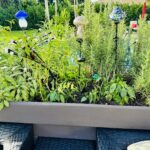
Whimsical mushroom, frog, and ladybug watering globes add color while helping hydrate garden plants.
Maximize your garden’s health with ollas and terracotta watering spikes that conserve water, support strong roots, and simplify garden care. Healthy gardens depend on consistent moisture, but keeping the soil evenly hydrated can be challenging. Too little water may stress plants, slow growth, and reduce harvests. Excessive watering can create soggy soil, weaken roots, and encourage certain plant diseases. Ollas and terracotta watering spikes offer a practical solution. These porous clay devices release water gradually near plant roots, helping gardeners maintain more consistent soil moisture while reducing evaporation and unnecessary water use. Suitable for vegetable gardens, raised beds, flower beds, and containers, terracotta irrigation can make routine watering more efficient and support healthier plant growth throughout the growing season. What Are Ollas? An olla is an unglazed terracotta vessel buried in the soil with its opening left above ground. After the vessel is filled, water slowly moves through the porous clay and into the surrounding soil. This traditional irrigation method places moisture below the soil surface, close to the root zone. The rate of water movement varies according to soil conditions, plant demand, temperature, olla size, and the porosity of the clay. As the surrounding soil dries, it draws moisture through the vessel walls. When the soil is already moist, water generally moves more slowly. This natural interaction helps create a steady underground water supply without requiring electricity, pumps, or complicated equipment. How Terracotta Watering Spikes Work Terracotta watering spikes use the same basic principle as ollas. Their porous clay allows water to seep gradually into the soil rather than pouring onto the surface all at once. Some watering spikes connect to a bottle or another water reservoir, while others have built-in chambers. Their smaller size makes them especially useful for containers, individual plants, patio gardens, and indoor plants. Ollas usually hold more water and can serve a wider planting area. Watering spikes tend to have a more concentrated reach. The best option depends on the size of the garden, the plants being grown, and how frequently the system can be refilled. Why Olla Irrigation Is So Effective Traditional overhead watering moistens the soil surface, where some of the water may evaporate, run off, or land beyond the active root zone. Olla irrigation releases moisture underground, allowing nearby plant roots to access it more directly. This slow-release watering system can help limit dramatic changes between very wet and very dry soil. Consistent moisture is especially helpful for vegetables that may struggle when watering is irregular. Plant roots often grow toward the dependable moisture source around an olla. Over time, this can create an active root zone near the buried vessel and help plants use the available water efficiently. Water Conservation Benefits One of the main reasons gardeners choose ollas is their potential to reduce water waste. Because moisture is released below the soil surface, less water is exposed to sun and wind. Actual water savings will vary with climate, soil type, plant selection, spacing, and the design of the olla. Even so, underground clay pot irrigation can be a valuable part of a water-conscious garden plan, especially in hot or dry regions. Adding mulch around the planting area can provide additional benefits. Mulch helps slow surface evaporation, moderates soil temperature, and reduces weed growth while the olla supplies moisture beneath the soil. Healthier Roots and More Consistent Growth Plants generally perform best when they receive moisture appropriate for their individual needs. Repeated cycles of severe dryness followed by heavy watering can stress plants and interfere with steady growth. Ollas help moderate those fluctuations by providing a gradual supply of moisture. Nearby roots can access water without the entire bed becoming saturated. Keeping water near the root zone may also reduce prolonged moisture on leaves. Dry foliage can help limit conditions that favor some fungal and bacterial diseases, although good spacing, airflow, sanitation, and proper plant care remain important. Fewer Weeds Around Garden Plants Surface watering often encourages weed seeds to germinate throughout a garden bed. With an olla, much of the moisture remains below ground and close to the intended plants. The soil surface may stay comparatively dry, which can reduce some weed germination. Ollas will not eliminate weeds completely, particularly after rain, but they may make routine weed management easier. The Best Plants for Olla Irrigation Ollas work well for many vegetables, herbs, and flowering plants that benefit from consistent moisture. Tomatoes, peppers, cucumbers, squash, eggplant, beans, and leafy greens are common candidates. Moisture-loving herbs such as basil, cilantro, and parsley may also benefit. Mediterranean herbs, including oregano, rosemary, sage, and thyme, generally prefer faster-draining or somewhat drier conditions, so watering frequency should be adjusted accordingly. Annual flowers and many perennials can grow successfully near ollas when their moisture requirements are compatible. Plants that prefer very dry soil may not be suitable for placement close to a continuously filled vessel. Using Ollas in Raised Garden Beds Raised beds are particularly well suited to olla irrigation. Their contained layout makes it easier to position vessels near plant roots and monitor moisture throughout the bed. However, raised-bed soil can dry quickly during hot or windy weather. The olla should be checked regularly rather than assumed to remain full for a fixed number of days. A moisture check in several areas of the bed can help determine whether one olla provides adequate coverage. Large beds, sandy soil, mature plants, or closely planted crops may require multiple vessels. Choosing the Right Olla Size Small ollas and terracotta watering spikes are useful for containers, herbs, and individual plants. Larger ollas may supply moisture to several plants in a raised bed or garden row. The vessel’s capacity, shape, wall thickness, and clay porosity all affect its performance. Plant size, root spread, soil texture, and weather conditions also influence how far the moisture travels. There is no single spacing rule that works for every garden. Follow the manufacturer’s coverage guidance when available, then monitor the soil and adjust the placement or number of vessels based
Grow healthy jalapeño plants by providing the right growing conditions, such as six to eight hours of direct sunlight, fertile, well-drained soil enriched with compost, and deep watering. By following these tips, you can prevent common problems like yellow leaves, flower drop, and pests, ensuring a bountiful harvest of flavorful peppers.
Discover the perfect plants for your USDA Hardiness Zone with our comprehensive gardening guide. From lettuce and tomatoes to herbs and flowers, learn how to maximize your raised beds and enjoy continuous harvests throughout the year.