Dill: A Fresh, Fragrant Herb Every Gardener Should Grow
Learn how to grow dill, discover its culinary uses, explore companion planting benefits, and find expert tips for harvesting and preserving this flavorful herb in your own garden.
Dill is one of those herbs that seems to do it all. It adds fresh flavor to your favorite recipes, attracts pollinators to the garden, supports beneficial insects, and is remarkably easy to grow. Whether you have a large vegetable garden, a collection of raised beds, or a few containers on a sunny patio, dill is a rewarding herb that offers beauty and usefulness from the moment it sprouts until the last seeds are harvested.
With its soft, feathery foliage, bright yellow flower clusters, and distinctive aroma, dill has earned its place in gardens around the world. Gardeners appreciate how quickly it grows, while home cooks value its ability to brighten everything from seafood and salads to homemade pickles. Best of all, nearly every part of the plant can be enjoyed, including the tender leaves, fragrant flowers, and flavorful seeds.
If you are looking for an herb that is beautiful, practical, and beginner-friendly, dill is an excellent choice.
Meet the Dill Plant
Dill (Anethum graveolens) is an annual herb belonging to the carrot family, alongside parsley, fennel, cilantro, celery, and carrots. Native to the Mediterranean region and parts of western Asia, it has been cultivated for thousands of years for both its culinary and traditional herbal uses.
One of dill’s most recognizable features is its delicate, fern-like blue-green foliage. As the plant matures, it produces tall, graceful stems topped with umbrella-shaped clusters of tiny yellow flowers known as umbels. These blooms eventually develop into aromatic seeds that are commonly used in cooking and pickling.
Depending on the variety and growing conditions, dill typically reaches between 2 and 5 feet tall, creating a light, airy presence that blends beautifully into vegetable gardens, herb beds, and ornamental landscapes.
Why Gardeners Love Growing Dill
There are many reasons dill continues to be one of the most popular herbs in home gardens.
It grows quickly from seed, making it an ideal choice for beginners.
Fresh dill offers a bright flavor that is difficult to duplicate with dried herbs.
Its flowers attract bees, butterflies, hoverflies, lacewings, and other beneficial insects that help create a healthy garden ecosystem.
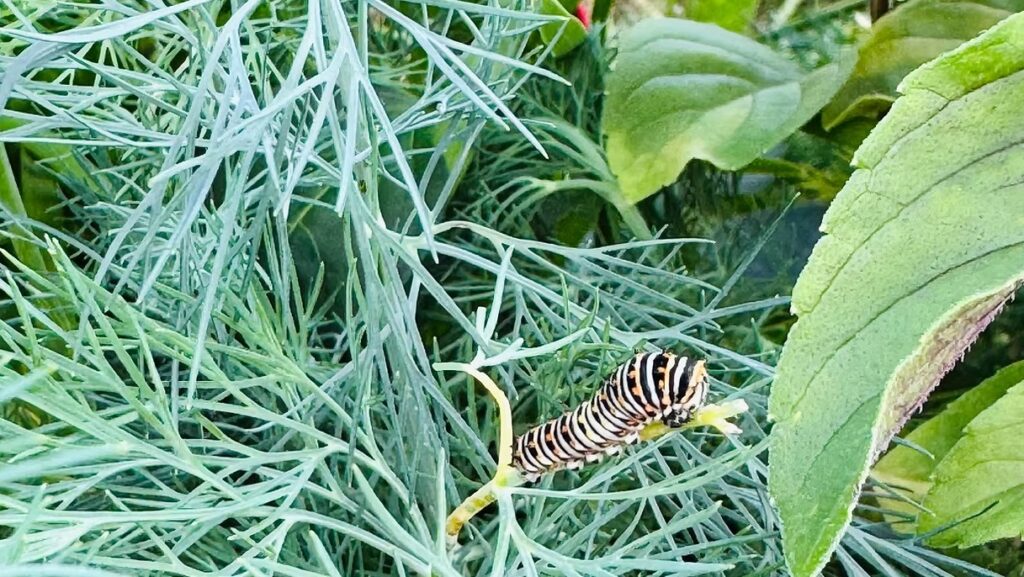
Dill also serves as a host plant for the beautiful Black Swallowtail butterfly, giving gardeners the opportunity to support local wildlife while growing delicious herbs.
Since the leaves, flowers, and seeds are all edible, very little of the plant goes to waste.
Popular Varieties to Consider
Several varieties of dill are available, each with unique characteristics.
Bouquet Dill is a favorite for making homemade pickles because it produces abundant flowers and seeds.
Fernleaf Dill stays compact, making it perfect for containers and smaller gardens.
Mammoth Dill lives up to its name by producing tall plants with large flower heads that yield plenty of seeds.
Dukat Dill is prized for its lush foliage and rich flavor, making it an excellent choice for fresh cooking.
No matter which variety you choose, all offer the same fresh fragrance and versatility that make dill such a rewarding herb to grow.
Growing Dill Successfully
One of the best things about dill is how little effort it requires. Give it sunshine, well-drained soil, and a little water, and it will reward you with weeks of fresh harvests.
Choose a location that receives at least six to eight hours of direct sunlight each day.
Dill grows best in fertile, well-draining soil with a slightly acidic to neutral pH between 6.0 and 7.5.
Because dill develops a long taproot, it performs best when seeds are sown directly into the garden rather than transplanted. Plant the seeds about one-quarter inch deep and space them approximately 12 inches apart. Under warm conditions, seedlings usually emerge within one to two weeks.
For a continuous supply of fresh dill throughout the season, sow new seeds every few weeks.
Watering and Feeding
Young dill plants appreciate consistently moist soil while they establish their roots. Once mature, they become fairly drought tolerant, although they still benefit from regular watering during extended dry periods.
A layer of compost mixed into the soil before planting often provides all the nutrients dill needs. Too much fertilizer may encourage lush growth, but it can reduce the herb’s distinctive flavor, so less is often more.
Companion Planting with Dill
Dill is more than just a flavorful herb. It is also a valuable companion plant that attracts beneficial insects and encourages a healthier garden.
It grows especially well alongside cucumbers, broccoli, cabbage, cauliflower, onions, asparagus, lettuce, and corn. Many gardeners intentionally plant dill near cucumbers because both are harvested together for homemade pickles.
There are a few exceptions. Mature dill should be planted away from carrots because both belong to the same plant family and may cross-pollinate. Older dill plants may also slow the growth of nearby tomatoes, although young dill seedlings generally grow well together with tomato plants.
A Pollinator Magnet
Once dill begins to bloom, the garden becomes noticeably more active. The cheerful yellow flowers attract honeybees, native bees, butterflies, hoverflies, lady beetles, and parasitic wasps, many of which help control unwanted garden pests naturally.
Dill is also one of the preferred host plants for Black Swallowtail butterflies. Their striking caterpillars feed on the foliage before transforming into beautiful butterflies. While they may nibble on a few leaves, many gardeners happily share part of their harvest to help support these important pollinators.
Harvesting Fresh Dill
One of the greatest rewards of growing dill is how quickly it can be harvested. Most plants are ready for their first harvest about six to eight weeks after planting.
Snip the outer leaves first while allowing the center of the plant to continue producing fresh growth. Harvesting in the morning, after the dew has dried, often provides the best flavor and aroma.
If you plan to make homemade pickles, harvest the flower heads shortly after they fully open. For dill seeds, allow the flower heads to dry naturally on the plant before collecting them.
Frequent harvesting encourages continued leaf production and delays flowering.
Bringing Dill into the Kitchen
Fresh dill is a wonderful way to add bright, fresh flavor to everyday meals.
It pairs beautifully with salmon, shrimp, cod, crab, and other seafood.
It adds freshness to potato salad, pasta salad, chicken salad, egg salad, and tuna salad.
Fresh dill is equally delicious in creamy dips, yogurt sauces, herb butter, soups, roasted vegetables, rice dishes, and mashed potatoes.
For generations, dill has also been the signature herb for homemade pickles, where both the leaves and flower heads infuse brine with their unmistakable flavor.
The seeds have their own unique role in the kitchen, adding warm, slightly citrus-like notes to breads, crackers, spice blends, sauerkraut, and pickling recipes.
For the brightest flavor, add fresh dill near the end of cooking, while dill seeds hold up well during longer cooking times.
Health Benefits of Dill
Beyond its fresh flavor, dill offers several nutritional benefits.
It contains vitamins A and C along with calcium, iron, potassium, and manganese.
Its natural antioxidants help protect the body’s cells from everyday oxidative stress.
For centuries, dill has also been used in traditional herbal practices to support healthy digestion and overall wellness.
Although dill has a long history in herbal medicine, it should be enjoyed as part of a healthy lifestyle rather than as a substitute for professional medical care.
Preserving Your Harvest
A healthy dill plant often produces more than enough for fresh cooking, making preservation an excellent option.
Fresh dill freezes exceptionally well and retains much of its flavor. Many gardeners freeze chopped dill in small containers or freeze it in olive oil or water using ice cube trays for convenient cooking portions.
The leaves can also be dried and stored in airtight containers, while mature seeds remain flavorful for years when kept in a cool, dry place.
Common Growing Challenges
Dill is generally one of the easiest herbs to grow, but a few minor issues may occasionally arise.
Aphids sometimes gather on tender new growth, although beneficial insects often keep their populations under control.
Powdery mildew may appear during periods of high humidity, especially when plants have poor air circulation.
Overwatering can lead to root rot, so well-drained soil is essential.
During hot summer weather, dill naturally flowers and produces seeds, a process known as bolting. Planting new seeds every few weeks helps ensure you always have fresh leaves available.
Growing Dill in Containers
Do not let limited space keep you from enjoying fresh dill. This herb grows beautifully in containers as long as the pot is deep enough to accommodate its taproot.
Choose a container at least 12 inches deep with drainage holes and fill it with quality potting mix. Place it in a sunny location and water regularly, as containers tend to dry out faster than garden soil.
Compact varieties such as Fernleaf Dill are particularly well suited for patios, balconies, and small-space gardens.
A Garden Favorite Worth Growing
Dill is much more than a flavorful herb. It is a pollinator-friendly plant, a beautiful addition to the garden, and an incredibly versatile ingredient in the kitchen. From its delicate foliage and cheerful yellow flowers to its fragrant seeds and fresh leaves, every stage of the plant offers something useful.
Whether you are harvesting fresh sprigs for tonight’s dinner, preserving seeds for next year’s garden, or watching butterflies visit its blooms, dill brings life, flavor, and beauty to every growing season. Once you experience how easy it is to grow and how often you reach for it in the kitchen, you may find yourself planting dill year after year.
A colorful black swallowtail caterpillar feeds among delicate dill foliage in the garden.
Here, you will learn all about chive blossoms and parsley, including how companion planting helps both herbs thrive, the many benefits they bring to your garden, and the delicious ways to use them in everyday cooking. Whether you are creating a thriving kitchen garden or looking for fresh inspiration in the kitchen, chive blossoms and parsley are a versatile pairing that offers beauty, flavor, and abundant harvests throughout the growing season. There is something incredibly satisfying about walking into your garden, brushing your hand across a patch of fragrant herbs, and gathering a handful of fresh parsley alongside a few vibrant purple chive blossoms. Moments like these remind us that a garden is more than a place to grow food. It is a space where beauty, nature, and fresh ingredients come together to inspire every meal. Among the many herbs you can grow, chives and parsley are one of the easiest and most rewarding companion planting combinations. They thrive under similar growing conditions, complement one another beautifully, and provide fresh harvests from spring through fall. Their partnership benefits not only your kitchen but your entire garden by attracting pollinators, supporting beneficial insects, and helping create a healthier growing environment. Whether you are planting a large kitchen garden, filling raised beds, or growing herbs in containers on your patio, chive blossoms and parsley are a pairing that delivers season after season. Their fresh flavors elevate everyday meals, while their graceful appearance adds charm and color to any outdoor space. A Perfect Partnership in the Herb Garden Companion planting is the practice of growing plants together that naturally benefit one another. Some companion plants improve soil conditions, others attract pollinators, while some help reduce pest problems or make better use of available growing space. Chives and parsley check nearly every one of those boxes. Parsley grows in lush, leafy mounds that remain attractive throughout much of the growing season. Chives produce slender green leaves that eventually give way to beautiful globe-shaped blossoms in shades of lavender and purple. Together they create layers of texture and color that look just as lovely in ornamental gardens as they do in vegetable beds. Their similar care requirements also make them easy companions. Both appreciate fertile soil, regular watering, and plenty of sunshine, allowing gardeners to care for both herbs using the same routine. For anyone just beginning an herb garden, this combination is an excellent place to start. Why Companion Planting Matters Healthy gardens are built on diversity. Instead of growing a single crop in isolation, companion planting encourages a balanced ecosystem where plants, pollinators, and beneficial insects work together. Every herb contributes something unique to the garden. Parsley provides dense foliage that helps shade the soil and reduce moisture loss. Chives contribute their distinctive onion aroma while producing nectar-rich flowers that become gathering places for pollinating insects. Together they create an environment where plants thrive naturally. Rather than viewing herbs simply as ingredients for cooking, companion planting reminds us that every plant plays an important role in supporting the health of the entire garden. Chives Help Naturally Discourage Garden Pests One reason gardeners have planted chives throughout vegetable gardens for generations is their reputation for helping reduce certain insect problems. As members of the onion family, chives contain sulfur compounds responsible for their mild onion fragrance. While people enjoy this familiar aroma, many insects do not. Growing chives near parsley may help discourage aphids, Japanese beetles, spider mites, and several other common garden pests. Although companion planting is not a replacement for good garden management, it can become an important part of an organic gardening strategy by encouraging healthier plants and reducing stress caused by insect activity. Many gardeners also plant chives near tomatoes, carrots, strawberries, roses, peppers, and apple trees for the very same reason. Chive Blossoms Bring Your Garden to Life If there is one reason never to cut every chive flower before it opens, it is the incredible number of beneficial insects they attract. As spring transitions into early summer, chives produce clusters of soft purple blossoms that quickly become one of the busiest places in the garden. Honeybees eagerly gather nectar from the flowers while native bees move from bloom to bloom collecting pollen. Butterflies drift through the blossoms, adding movement and beauty to the landscape, while hoverflies quietly perform double duty by feeding on nectar as adults and helping control aphids during their larval stage. Watching these visitors move through your herb garden is one of the simple pleasures of gardening. Their presence also benefits nearby vegetables, fruit trees, berry bushes, and flowering plants that depend on pollination for healthy harvests. Growing Chives and Parsley Together One of the reasons these herbs are so popular is because they are wonderfully uncomplicated. Choose a location that receives at least six hours of sunlight each day. While chives love full sun, parsley appreciates a little afternoon shade during periods of intense summer heat, especially in warmer climates. Plant both herbs in fertile, well-drained soil enriched with compost. Rich organic matter encourages vigorous growth while helping retain moisture between waterings. Water regularly, keeping the soil evenly moist without allowing it to become soggy. Applying a layer of mulch around the plants helps regulate soil temperature, conserve moisture, and reduce weed growth. With only a little routine care, both herbs will reward you with months of fresh harvests. Beautiful in Every Garden Style One of the joys of growing herbs is their versatility. Chives and parsley look equally at home in formal herb gardens, rustic cottage gardens, raised beds, decorative borders, and patio containers. The upright foliage and cheerful blossoms of chives create natural height, while parsley fills the surrounding space with rich green leaves. The contrast between soft purple flowers and vibrant green foliage creates a timeless combination that looks attractive from spring until frost. Many gardeners intentionally plant these herbs near walkways or seating areas where their fragrance and colorful blooms can be enjoyed every day. Other Plants That Thrive
Lavender and chamomile companion planting is one of the easiest and most rewarding ways to create a beautiful, fragrant, and productive herb garden. These two beloved herbs have been cultivated for centuries for their ornamental beauty, calming aromas, culinary uses, and medicinal properties. Together, they form a stunning combination that not only enhances your landscape but also supports pollinators, attracts beneficial insects, and contributes to a healthier garden ecosystem. Whether you are planning a cottage garden, designing a pollinator-friendly landscape, or creating an edible herb garden, lavender and chamomile companion planting offers countless benefits. Their complementary growth habits, similar cultural requirements, and long-lasting blooms make them an ideal pairing for gardeners of all skill levels. What Is Lavender and Chamomile Companion Planting? Lavender and chamomile companion planting is the practice of growing these two herbs together because they thrive under similar growing conditions and provide mutual benefits within the garden. While companion planting cannot eliminate every gardening challenge, it encourages biodiversity, supports beneficial insects, and creates a balanced growing environment. Lavender adds striking vertical spikes of fragrant purple flowers, while chamomile produces delicate white blossoms with cheerful yellow centers. Together they create a classic cottage garden display that is both elegant and functional. Their flowers bloom over an extended period, providing a continuous source of nectar for pollinators while filling the garden with color and fragrance. Benefits of Lavender and Chamomile Companion Planting One of the greatest advantages of lavender and chamomile companion planting is the abundance of pollinators it attracts. Honeybees, native bees, butterflies, hoverflies, and other beneficial insects are drawn to their nectar-rich flowers throughout the growing season. As pollinators visit these herbs, they also improve the pollination of nearby vegetables, fruit trees, berry bushes, and flowering ornamentals. A garden filled with pollinators is often healthier, more productive, and more resilient. Lavender and chamomile also attract beneficial insects such as ladybugs, lacewings, parasitic wasps, and hoverflies. These natural predators help control aphids, whiteflies, spider mites, and other common garden pests, reducing the need for chemical pesticides. Lavender’s aromatic foliage contains naturally fragrant essential oils that may help discourage mosquitoes, moths, fleas, and certain flying insects. While no single plant completely prevents pests, incorporating aromatic herbs into your landscape contributes to a more balanced garden ecosystem. Another advantage of lavender and chamomile companion planting is its simplicity. Since both herbs enjoy similar growing conditions, caring for them together is easy and efficient. Growing Conditions for Lavender and Chamomile Successful lavender and chamomile companion planting begins with choosing the right location. Both herbs grow best in full sun and require at least six to eight hours of direct sunlight each day. Plenty of sunshine encourages compact growth, abundant blooms, and stronger fragrance. Well-drained soil is essential for healthy plants. Lavender thrives in sandy or gravelly soil that drains quickly, while chamomile prefers fertile, loose soil with good drainage. Incorporating compost before planting improves soil structure without sacrificing drainage. Lavender becomes highly drought tolerant once established and prefers the soil to dry slightly between waterings. Chamomile appreciates moderate moisture during dry periods but should never remain in waterlogged soil. Providing adequate spacing between plants encourages good airflow, reduces humidity around the foliage, and minimizes the risk of fungal diseases. The Best Companion Plants for Lavender and Chamomile Although lavender and chamomile thrive together, they also pair beautifully with many other herbs, vegetables, flowers, and fruit-producing plants. Excellent companion plants include rosemary, thyme, sage, oregano, basil, calendula, borage, yarrow, echinacea, roses, strawberries, blueberries, tomatoes, peppers, eggplant, broccoli, cabbage, cauliflower, and many drought-tolerant flowering perennials. These companions benefit from increased pollinator activity while creating a diverse and visually appealing garden. Plants to Avoid To ensure successful lavender and chamomile companion planting, avoid placing lavender near plants that require constantly moist soil. Mint, celery, hostas, watercress, and other moisture-loving plants have watering requirements that differ significantly from lavender. Excess moisture around lavender roots can lead to root rot and poor plant performance. Grouping plants with similar moisture needs simplifies watering and promotes healthier growth throughout the garden. Culinary Uses of Lavender and Chamomile Lavender and chamomile companion planting provides more than ornamental beauty. Both herbs are edible and offer a variety of culinary possibilities. Lavender flowers add delicate floral notes to teas, shortbread cookies, cakes, muffins, scones, ice cream, custards, infused honey, lemonade, simple syrups, sugar blends, and Herbes de Provence seasoning. Lavender also complements roasted vegetables, poultry, lamb, seafood, and grilled dishes. Chamomile flowers are widely enjoyed in herbal teas, infused honey, syrups, jellies, cakes, cookies, fruit salads, custards, smoothies, and homemade desserts. Their mild apple-like flavor makes them a versatile ingredient for both sweet and savory recipes. Growing both herbs together provides a convenient harvest of fresh flowers throughout the growing season. Harvesting Lavender and Chamomile Harvest lavender stems when approximately one-third to one-half of the flowers have opened. At this stage, the blossoms contain the highest concentration of aromatic oils and dry exceptionally well. Chamomile flowers should be harvested once they are fully open. Frequent harvesting encourages additional blooms, providing a continuous supply throughout the season. Dry the flowers in a cool, shaded location with good air circulation before storing them in airtight containers away from direct sunlight. Growing Lavender and Chamomile in Containers Lavender and chamomile companion planting is not limited to garden beds. These herbs also thrive in containers, making them excellent choices for patios, balconies, porches, and small-space gardens. Select containers with drainage holes and fill them with a high-quality, well-draining potting mix. Place containers where they receive plenty of sunlight, and water carefully, allowing the soil to dry slightly between waterings. Container-grown herbs bring fragrance, beauty, and fresh culinary ingredients within easy reach. Why Lavender and Chamomile Companion Planting Belongs in Every Garden Lavender and chamomile companion planting combines ornamental beauty with practical gardening benefits. Their shared growing requirements make them easy to cultivate together, while their abundant flowers support pollinators, attract beneficial insects, and enhance biodiversity throughout the landscape. Whether you are growing herbs for
Discover everything you need to know about borage, including its beautiful blue flowers, culinary uses, medicinal history, pollinator benefits, and expert growing tips for a thriving garden. Borage (Borago officinalis) is a striking annual herb admired for its brilliant star-shaped blue flowers, fuzzy green leaves, and impressive versatility in both the garden and the kitchen. Often referred to as starflower, borage has been cultivated for centuries for its ornamental beauty, culinary value, and traditional herbal uses. Whether you are growing vegetables, herbs, or flowers, borage is an excellent companion plant that attracts beneficial pollinators while adding vibrant color to your landscape. Native to the Mediterranean region, borage has become a favorite among gardeners worldwide because it is easy to grow, highly productive, and remarkably resilient. Its nectar-rich flowers attract bees, butterflies, and other beneficial insects throughout the growing season, making it one of the best plants for supporting pollinator populations. What Makes Borage Stand Out? One of the most recognizable features of borage is its vivid blue, five-pointed flowers that resemble tiny stars. Although blue is the most common flower color, white and pink varieties are also available. The blooms appear continuously throughout the growing season, creating an eye-catching display while providing an important food source for pollinators. The leaves are covered in fine hairs, giving them a soft yet slightly prickly texture. Young leaves are tender enough for culinary use, while mature leaves become more robust and are often better suited for cooked dishes. Borage typically grows between 18 and 36 inches tall and spreads easily by self-seeding, making it a reliable addition to herb gardens, cottage gardens, vegetable beds, and pollinator-friendly landscapes. Culinary Uses of Borage Borage offers a refreshing flavor that is often compared to cucumber with subtle herbal notes. Both the flowers and young leaves are edible, making the plant a unique ingredient for creative cooking. Fresh borage flowers can be used to decorate cakes, cupcakes, cookies, fruit platters, and cheese boards. Their vibrant blue color creates an elegant presentation that is especially popular for spring and summer entertaining. The flowers also make beautiful additions to green salads, pasta salads, and fresh fruit salads. Because of their mild cucumber flavor, they pair wonderfully with tomatoes, cucumbers, citrus fruits, strawberries, and soft cheeses. Young borage leaves can be chopped into salads, blended into herb butter, mixed into dips, stirred into soups, or added to sauces. They are also delicious when lightly sautéed or cooked like spinach. Borage flowers are frequently frozen into ice cubes for refreshing summer beverages, lemonade, sparkling water, mocktails, and cocktails. They also make attractive garnishes for herbal teas and infused drinks. Growing Borage Borage is one of the easiest herbs to grow, making it an excellent choice for beginner gardeners. It thrives in full sun but tolerates partial shade, especially in warmer climates. Well-draining soil is ideal, although borage adapts to many soil types and does not require especially fertile conditions. Seeds are best sown directly into the garden after the danger of frost has passed. Since borage develops a long taproot, it does not transplant particularly well, so direct sowing is recommended. Regular watering helps establish young plants, but mature borage is fairly drought tolerant. Deadheading spent flowers can encourage additional blooms, although allowing some flowers to mature will result in self-seeding for future seasons. Companion Planting Benefits Borage is widely recognized as one of the best companion plants in the vegetable garden. Its flowers attract bees that improve pollination for nearby crops, often leading to larger harvests of tomatoes, squash, cucumbers, peppers, melons, and strawberries. Many gardeners also plant borage near tomatoes because it attracts beneficial insects that help reduce certain garden pests. Ladybugs, lacewings, and parasitic wasps are commonly drawn to blooming borage, where they assist in naturally managing aphids and other unwanted insects. As the plant grows and eventually decomposes, its foliage also contributes valuable organic matter back into the soil. Harvesting Borage Harvest young leaves while they are tender for the best flavor and texture. Flowers can be picked throughout the growing season as they fully open. For the freshest taste, harvest during the cool morning hours after the dew has dried. Flowers are best used immediately, although they may also be preserved by freezing in ice cubes or gently drying for decorative purposes. Traditional Uses Historically, borage has been valued in traditional herbal practices for generations. While modern research continues to explore its properties, the plant has long been associated with wellness traditions in many cultures. Borage seeds are pressed to produce borage seed oil, which contains gamma-linolenic acid (GLA), an omega-6 fatty acid that has been studied for its potential health benefits. Individuals considering supplements should consult a qualified healthcare professional before use. Why Gardeners Love Borage Few herbs provide as many benefits as borage. It combines ornamental beauty, edible flowers, pollinator support, companion planting advantages, and easy maintenance in a single plant. Whether you are creating a cottage garden, expanding your herb collection, or encouraging bees and butterflies to visit your yard, borage is an outstanding choice. Its long blooming season, striking flowers, and versatility in the kitchen make it a favorite among home gardeners, chefs, and flower enthusiasts alike. With minimal care, borage rewards gardeners with months of colorful blooms while helping create a healthier, more productive garden ecosystem.
Originally published
March 2026
Updated
August 2026
Reviewed by
Culibloom