Johnny Jump Ups: Cheerful Color for the Garden and Kitchen
Discover how to grow Johnny jump ups and use their edible flowers in salads, desserts, beverages, garnishes, containers, and garden displays.
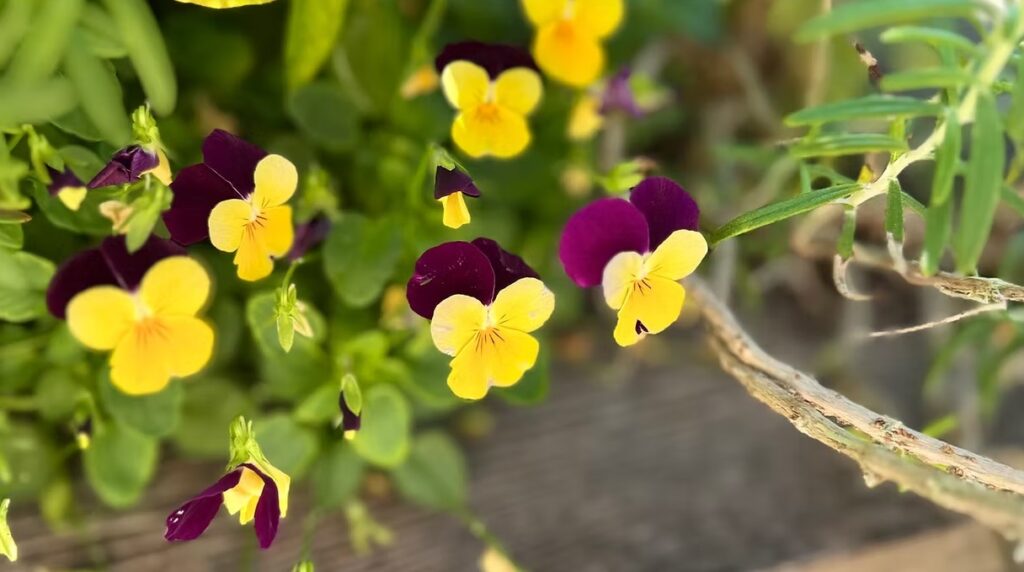
Johnny jump ups are charming little flowers that bring cheerful color and personality to garden beds, borders, and containers. Their small blooms often feature a striking combination of deep purple and sunny yellow, creating the appearance of tiny painted faces among the foliage. Although each flower is delicate, a group of Johnny jump ups can produce an impressive display.
Known botanically as Viola tricolor, Johnny jump ups are closely related to pansies and violets. They are also commonly called heartsease or wild pansies. These cool-season flowers are loved for their easygoing nature, long flowering period, and ability to appear unexpectedly in different areas of the garden.
Johnny jump ups offer more than ornamental beauty. When properly identified and grown without unsafe chemicals, their colorful flowers can also be used as edible garnishes for salads, desserts, beverages, and special-occasion dishes.
Small Flowers with Plenty of Personality
The distinctive coloring of Johnny jump ups makes them easy to recognize. Many varieties feature rich purple upper petals, bright yellow lower petals, dark lines near the center, and subtle variations that make each bloom look slightly different.
Their compact size allows them to fill small spaces where larger flowering plants might feel overwhelming. They look especially beautiful along the front of a flower bed, beside a walkway, around the base of taller plants, or spilling gently over the edge of a container.
Johnny jump ups also combine beautifully with herbs. Their purple and yellow flowers create an attractive contrast beside rosemary, thyme, sage, parsley, and other culinary plants.
When Johnny Jump Ups Bloom
Johnny jump ups prefer cooler growing conditions and often perform best during spring and fall. In regions with mild winters, they may also bloom throughout the cooler months.
Flowering can slow when summer temperatures become intense. Plants growing in hot climates may benefit from afternoon shade, consistent moisture, and protection from reflected heat. When cooler weather returns, established plants or newly germinated seedlings may begin flowering again.
Their exact growing season depends on the local climate, planting time, and garden conditions. Some gardeners grow Johnny jump ups as annuals, while others enjoy them as short-lived perennials or self-sowing flowers that return in favorable locations.
Choosing the Right Garden Location
Johnny jump ups grow well in full sun or partial shade. Full sun can encourage abundant flowering during cool weather, while partial afternoon shade may help the plants remain comfortable when temperatures rise.
Choose a location with fertile, moist, well-drained soil. The ground should retain enough moisture to support the shallow roots without remaining soggy. Adding compost can improve the texture and organic matter content of garden soil.
These compact flowers are excellent choices for cottage gardens, pollinator gardens, rock gardens, raised beds, window boxes, hanging baskets, and mixed containers. They can also soften the edges of pathways and fill open areas between spring bulbs.
Watering and Routine Care
Johnny jump ups appreciate regular moisture, particularly while their roots are becoming established. Water the soil when the surface begins to feel dry, directing the water toward the base of the plants whenever possible.
Avoid allowing the soil to remain saturated. Consistently waterlogged conditions can place stress on the roots and contribute to plant problems. Containers may need to be checked more frequently because potting mix can dry faster than garden soil.
Removing faded flowers can keep the planting looking tidy and may encourage the plants to direct more energy toward new blooms. However, gardeners who want Johnny jump ups to spread naturally should allow some flowers to remain and develop seeds.
The Delight of Self-Seeding Flowers
One of the most appealing characteristics of Johnny jump ups is their ability to self-seed. After flowering, mature seed capsules can release seeds into the surrounding soil. New seedlings may later appear in garden beds, containers, pathways, and other unexpected spaces.
This lively habit is likely part of the reason they earned the name Johnny jump up. The flowers can seem to jump from one part of the garden to another as new generations emerge.
Self-seeding results vary with climate, soil conditions, garden maintenance, and the particular variety. Unwanted seedlings are generally easy to remove while small. Gardeners who enjoy a relaxed, naturalized landscape can allow selected seedlings to remain and create informal drifts of color.
Culinary Uses for Johnny Jump Ups
The flowers of correctly identified Viola tricolor are edible and can add color and delicate flavor to sweet and savory dishes. Their flavor may be described as mildly floral, leafy, sweet, grassy, or slightly perfumed. Taste can vary with the variety and growing conditions.
Fresh Johnny jump up flowers make beautiful garnishes for leafy salads, fruit salads, cakes, cupcakes, cookies, pastries, and individual desserts. Their small size makes them especially useful when decorating foods that would be overwhelmed by larger edible flowers.
The blossoms can be placed on cheese boards, appetizer platters, chilled soups, and special-occasion dishes. They can also decorate glasses of lemonade, iced tea, sparkling water, and mocktails. For a colorful frozen garnish, place a clean flower in each section of an ice cube tray, cover it with water, and freeze.
Johnny jump ups can be pressed onto frosted cakes or used to decorate shortbread and other baked goods. The flowers may also be candied with a food-safe method, dried for decorative use, or added to floral sugars. Fresh blossoms are usually best used as a finishing touch so their shape and color remain visible.
Harvesting Johnny Jump Ups for the Kitchen
Harvest flowers after they have opened, preferably during the cooler part of the morning. Choose fresh, healthy blossoms without discoloration, insect damage, or signs of decay.
Gently remove the flowers with clean fingers or small garden scissors. Place them in a shallow container rather than compressing them into a bag. Inspect each flower carefully for soil and small insects, then rinse gently in cool water if needed. Allow the blossoms to dry on a clean towel before adding them to food.
For the freshest appearance, harvest the flowers shortly before serving. If necessary, place the clean flowers in a covered container lined with a slightly damp paper towel and refrigerate them briefly. Delicate blossoms can wilt or become damaged during extended storage.
Edible Flower Safety
Only eat Johnny jump ups that have been positively identified as an edible viola. Common names can be shared by different plants, so botanical identification is important. When uncertain about a plant’s identity, do not consume it.
Use flowers specifically grown for culinary purposes. Do not eat plants purchased from florists, garden centers, or ornamental nursery displays unless the seller confirms they were produced as edible flowers. Ornamental plants may have been treated with pesticides, fungicides, or other products that are not approved for food crops.
Avoid harvesting flowers from roadsides, public landscapes, treated lawns, or areas visited by pets. Even when growing your own Johnny jump ups, use only products labeled for edible crops and follow all directions and harvest intervals.
Introduce edible flowers to the diet in small amounts. People with allergies or sensitivities may react to unfamiliar plants. Remove damaged or dirty portions and serve only fresh, properly handled blossoms.
Beautiful Companions for Herbs and Flowers
The yellow and purple coloring of Johnny jump ups pairs beautifully with spring bulbs, ornamental grasses, leafy greens, and aromatic herbs. Their small scale provides a delicate contrast to the upright stems of rosemary and the broad leaves of sage.
They can also complement tulips, snapdragons, calendula, sweet alyssum, and other cool-season flowers. In mixed containers, Johnny jump ups work especially well near the edge, where their blooms can trail gently over the side while taller plants provide height in the center.
For a coordinated display, combine them with flowers in shades of lavender, yellow, white, and deep burgundy. For a more playful garden, mix several viola colors and allow their different patterns to create a cheerful patchwork.
If the flowers will be harvested for food, grow them in a designated edible garden area alongside culinary herbs and vegetables. This makes it easier to manage treatments appropriately and distinguish edible flowers from ornamental plants.
Supporting a Healthy Display
Good air circulation, appropriate spacing, and well-drained soil help support healthy Johnny jump ups. Inspect the plants regularly for fading flowers, damaged foliage, or signs of common garden pests.
A light layer of mulch can help conserve soil moisture and reduce weed competition, but it should not be piled against the stems. Because these are small plants, heavy mulch may cover emerging seedlings or interfere with natural reseeding.
The best care routine will depend on the season and local weather. During cool, rainy periods, the plants may require little supplemental water. During warm or dry conditions, they may need more frequent attention.
A Cheerful Addition to the Garden and Table
Johnny jump ups prove that a flower does not need to be large to make a memorable impression. Their expressive purple and yellow blooms add color, texture, and charm to even the smallest garden space.
Whether planted in a tidy border, tucked among fragrant herbs, arranged in a container, or allowed to self-seed naturally, these delightful violas bring a sense of movement and surprise to the landscape. When grown specifically for culinary use, the edible flowers can also add whimsical color to salads, desserts, drinks, and celebratory dishes.
Cheerful yellow and purple Johnny jump ups brighten the garden with their delicate two-toned petals.
Learn how to grow pink and yellow snapdragons with tips for planting, sunlight, watering, deadheading, containers, and colorful garden design. Pink and yellow snapdragons bring a joyful combination of color, height, and old-fashioned charm to garden beds and containers. Their tall flower spikes are covered with distinctive blossoms that resemble tiny dragon mouths, creating a playful display from spring into fall. When pink and yellow varieties are planted together, their warm colors brighten borders, pathways, patios, and cutting gardens. Known botanically as Antirrhinum majus, snapdragons are cool-season flowers that perform especially well during mild spring and autumn weather. Depending on the cultivar, plants may remain compact at approximately 6 inches tall or grow into dramatic flower spikes reaching 3 feet. This range of sizes makes snapdragons remarkably versatile in garden design. Although snapdragons are commonly grown as annuals, their behavior depends on the cultivar, climate, and winter conditions. In areas with mild winters, plants may survive longer or return for another season. Gardeners in colder climates typically enjoy them as colorful annual flowers. Why Grow Pink and Yellow Snapdragons? Pink snapdragons can give a garden a romantic, graceful appearance, while yellow snapdragons introduce warmth and sunshine. Planted together, the colors create a soft but lively display that complements cottage gardens, pollinator plantings, formal borders, and relaxed backyard landscapes. Snapdragons also add valuable vertical interest. Their upright flowers provide contrast when placed beside rounded, trailing, or mounding plants. Tall varieties can create a colorful backdrop, medium varieties work beautifully throughout mixed borders, and dwarf snapdragons make attractive edging plants. Their long stems and densely arranged blossoms are also excellent for cutting. A small group of pink and yellow snapdragons can provide enough flowers for cheerful seasonal arrangements without leaving the garden looking bare. Choosing Pink and Yellow Snapdragon Varieties Snapdragons are generally divided into dwarf, medium, and tall growing groups. The best choice depends on where the plants will grow and how you hope to use them. Compact varieties are ideal for window boxes, patio containers, pathway edges, and the front of flower beds. Medium snapdragons blend well with other annuals and perennials. Tall cutting varieties produce dramatic flower spikes but may need support, especially in exposed locations. Color can vary considerably between cultivars. Pink snapdragons range from pale blush and rose to coral and deep magenta. Yellow varieties may produce creamy lemon, golden yellow, or warm butter-colored flowers. Some bicolored selections combine pink and yellow within the same blossom. Check the expected height, bloom period, and growing recommendations on the plant label or seed packet. Cultivars can differ in heat tolerance, flower form, and ideal growing season. When to Plant Snapdragons Snapdragons prefer cool weather and are traditionally planted for spring and autumn color. They are cold-tolerant compared with many warm-season annual flowers, although newly purchased plants should still be introduced gradually to outdoor conditions. In regions with cold winters, start seeds indoors approximately 8 to 10 weeks before the expected last frost. Snapdragon seeds are very small and should be sown according to the directions provided for the particular cultivar. Give seedlings bright light so they develop sturdy growth instead of becoming thin and stretched. Harden indoor-grown seedlings before transplanting them. This gradual adjustment helps young plants become accustomed to outdoor sunlight, wind, and temperature changes. In mild climates, snapdragons may be planted during autumn for winter or early spring flowers. Gardeners can also plant another crop in late summer for an autumn display. Local weather patterns matter, so choose a planting window that gives the plants time to establish during mild conditions. The Best Location for Snapdragons Choose a location with full sun for the strongest flowering and most upright growth. Light afternoon shade may be helpful in regions where the weather becomes hot quickly, but too much shade can produce fewer flowers and weaker stems. Snapdragons prefer moist, well-drained soil. Avoid areas where water remains around the roots after rain, since constantly saturated soil can contribute to root and disease problems. Improving heavy soil with finished compost may support better structure and drainage. Allow enough space between plants for air to circulate. Exact spacing depends on the mature size of the cultivar. Compact snapdragons can be planted closer together than tall cutting varieties, so follow the recommendations on the seed packet or plant label. How to Plant Pink and Yellow Snapdragons Before planting, loosen the soil and remove weeds that could compete for moisture and nutrients. Incorporate a moderate amount of finished compost if the soil needs additional organic matter. Dig a hole approximately as deep as the plant’s root ball. Position the snapdragon at the same soil level at which it was growing in its original container. Fill around the roots, press the soil gently into place, and water thoroughly. Avoid burying the stem or setting the plant deeply into the ground. Mulch can be applied around the plants to help conserve moisture and reduce weeds, but leave a little open space around each stem. For a balanced pink and yellow display, repeat the colors throughout the planting area. Alternating individual plants creates a playful pattern, while grouping several plants of each color produces stronger blocks of color that can be seen from a distance. Watering Snapdragons Keep the soil consistently moist while newly planted snapdragons establish their roots. Once established, water when the upper layer of soil begins to dry rather than following a rigid schedule. Water deeply enough to moisten the root zone. Whenever possible, direct water toward the soil instead of routinely wetting the foliage and flowers. Morning watering gives any splashed leaves time to dry and can help discourage diseases favored by prolonged moisture and humidity. Container-grown snapdragons usually dry more quickly than plants growing in the ground. Check their soil regularly, particularly during bright, windy, or unexpectedly warm weather. Containers must have drainage holes so excess water can escape. Fertilizing for Healthy Flowers Snapdragons generally benefit from reasonably fertile soil, but excessive fertilizer can encourage soft, leafy growth instead of
Learn how to grow purple pansies in garden beds and containers with helpful tips for planting, watering, sunlight, care, and companion plants. Purple pansies bring rich color, velvety petals, and old-fashioned charm to garden beds, containers, and window boxes. Their expressive blooms appear in shades ranging from soft lavender to deep violet, often accented by contrasting centers that resemble tiny faces. These cool-season flowers can brighten the garden when many warm-season plants are resting or have not yet begun to bloom. Known botanically as Viola × wittrockiana, garden pansies are compact flowering plants commonly grown as annuals, biennials, or short-lived perennials, depending on the climate. They perform especially well during the mild temperatures of spring and fall. In regions with gentle winters, they may continue flowering through much of the cooler season. Purple pansies are easy to combine with other flowers and foliage plants, making them a versatile choice for both formal and relaxed garden designs. With suitable light, consistent moisture, and protection from excessive heat, these timeless flowers can provide weeks or even months of beautiful color. Why Grow Purple Pansies? Purple pansies offer a combination of beauty, versatility, and cool-season performance. Their low, mounded growth habit makes them ideal for edging pathways, filling gaps near the front of flower beds, and adding color beneath taller plants. They also grow well in pots, hanging baskets, window boxes, and mixed seasonal containers. The color purple adds depth and elegance to the landscape. Deep violet varieties create dramatic contrast when paired with white, yellow, or pale pink flowers. Lavender pansies produce a softer cottage-garden appearance and blend beautifully with silver foliage, blue-green leaves, and pastel spring blooms. Pansies may also attract small pollinating insects during mild weather when other flowers are limited. Their long blooming period makes them particularly valuable for extending seasonal garden interest. When to Plant Purple Pansies The best planting time depends on the local climate. Pansies prefer cool conditions and generally grow best when daytime temperatures are mild and nights are cool. In regions with cold winters, pansies are typically planted in early spring as soon as the soil can be worked. Nursery-grown transplants provide immediate color and usually begin establishing quickly. Gardeners may also plant pansies in early fall, although the plants need enough time to develop roots before the ground freezes. In warmer climates with mild winters, pansies are often planted in fall for winter and early-spring flowers. They may bloom for several months before declining as summer heat arrives. Avoid planting pansies immediately before an extended period of hot weather. High temperatures can cause the plants to become leggy, produce fewer flowers, or stop blooming altogether. Choosing the Right Location Purple pansies perform best in full sun during cool weather. A location receiving approximately six hours of direct sunlight can encourage compact growth and abundant flowers. In areas with warmer spring or fall temperatures, light afternoon shade may help protect the plants from heat stress. Morning sun combined with afternoon shade is often a good arrangement because the plants receive enough light for flowering while avoiding the strongest part of the day’s heat. Good air circulation is also important. Crowded plants and constantly damp foliage can create conditions that encourage fungal problems. Space pansies according to the mature size listed for the selected variety, allowing the leaves to dry after rain or watering. Preparing the Soil Pansies grow best in fertile, well-drained soil that retains light moisture without remaining soggy. Heavy or compacted ground can hold too much water around the roots, while very sandy soil may dry too quickly. Before planting, loosen the soil and mix in finished compost or another suitable form of organic matter. This can improve drainage, moisture retention, and overall soil structure. Raised beds and containers are useful alternatives where garden soil drains poorly. When growing pansies in pots, use a quality container mix rather than dense garden soil. Every container should have unobstructed drainage holes so excess water can escape. How to Plant Purple Pansies Dig a hole approximately as deep as the plant’s nursery container and slightly wider than the root ball. Carefully remove the pansy from its pot, taking care not to pull or damage the stems. Place the plant in the hole with the top of the root ball level with the surrounding soil. Planting too deeply can hold moisture around the crown and contribute to poor growth. Gently return soil around the roots, press it lightly into place, and water thoroughly. A thin layer of mulch can help moderate soil temperature and reduce moisture loss. Keep mulch from touching the crowns and stems, since constant moisture directly against the plant may encourage decay. Watering Purple Pansies Consistent moisture supports healthy pansy growth and flower production. Water when the top layer of soil begins to feel dry, soaking the root zone thoroughly instead of applying a small amount only to the surface. The exact watering schedule will vary with temperature, rainfall, soil type, and container size. Potted pansies generally dry faster than plants growing in the ground and may require more frequent attention. Whenever possible, water near the base of the plants in the morning. This gives splashed foliage time to dry before evening. Avoid allowing the soil to become waterlogged, since saturated conditions can damage the roots and increase the risk of disease. Feeding for Healthy Growth Pansies benefit from fertile soil, but excessive fertilizer can produce leafy growth at the expense of flowers. Compost incorporated before planting may provide much of the nutrition needed in a garden bed. Container-grown pansies may need occasional feeding because nutrients gradually leave the potting mix during watering. Apply an appropriate fertilizer according to its label directions, and avoid using more than recommended. If plants have healthy green foliage but few flowers, excessive nitrogen or warm weather may be contributing to the problem. Encouraging More Flowers Removing faded blossoms helps keep purple pansies neat and may encourage continued flowering. Pinch or cut off the entire spent flower
Discover how to plant, grow, pinch, support, and overwinter pink dahlias for beautiful summer flowers in garden beds, containers, and bouquets. Pink dahlias bring an irresistible combination of color, texture, and elegance to the garden. Their flowers range from soft blush and creamy rose to vivid magenta, coral pink, and deep raspberry. Depending on the variety, the blooms may be small and perfectly rounded, broad and decorative, or dramatic with pointed, cactus-like petals. These summer-flowering plants are beautiful in mixed borders, dedicated cutting gardens, containers, and seasonal displays. Compact varieties can brighten patios and small spaces, while taller dahlias create height and movement at the back of a flower bed. With thoughtful planting and regular care, many varieties bloom from midsummer until frost. Although dahlias are often called bulbs, they grow from tuberous roots. The tubers store energy that supports new growth when warm weather returns. Dahlias are generally treated as tender perennials or warm-season annuals, depending on the local climate and whether the tubers are lifted for winter storage. Choosing Pink Dahlia Varieties One of the pleasures of growing pink dahlias is choosing from an extraordinary range of flower shapes, plant sizes, and shades. Pale pink dahlias create a romantic cottage-garden look, while hot pink varieties add bold color to contemporary beds and containers. Bicolor flowers may combine pink with white, cream, peach, yellow, or burgundy. Decorative dahlias produce full, layered flowers that look especially striking in bouquets. Ball and pompon dahlias have rounded blooms with tightly arranged petals. Cactus and semi-cactus varieties feature narrow petals that give the flowers a spiky appearance. Anemone, collarette, waterlily, and single-flowered dahlias offer additional shapes for gardeners who prefer a lighter or more informal look. Consider the mature height as well as the flower color when selecting a variety. Dwarf and border dahlias work well near the front of a planting area, while tall dinner-plate and decorative types may require staking. If you want flowers for indoor arrangements, look for varieties known for strong stems and steady bloom production. When to Plant Dahlia Tubers Plant pink dahlia tubers in spring after the danger of a hard frost has passed and the soil has begun to warm. Cold, wet soil can encourage an inactive tuber to rot, so waiting for suitable conditions is often more successful than planting too early. Gardeners in colder regions can start tubers indoors in pots several weeks before the expected final frost. Place the pots in a warm location with bright light, and gradually introduce the plants to outdoor conditions before transplanting them into the garden. Dahlias are tender plants. In cold climates, the tubers are normally lifted after frost and stored in a protected location for winter. Some gardeners in warmer regions can leave them in the ground, but successful overwintering depends on winter temperatures, soil drainage, rainfall, and the conditions of the individual planting site. The Missouri Botanical Garden generally lists dahlias as winter hardy in USDA Zones 7 through 10, although gardeners within this range may still lift the tubers to protect them from cold or wet conditions. Missouri Botanical Garden Selecting the Best Planting Location Pink dahlias flower best in a sunny location. In many gardens, a site receiving at least six hours of direct sunlight is a good starting point. In regions with very hot summers, some light afternoon shade may help protect the plants from intense heat. Choose a location with fertile, well-drained soil. Dahlias need regular moisture once they are actively growing, but they do not perform well where water remains around the tubers. Raised beds can be helpful in gardens with heavy or poorly drained soil. The site should also have reasonable protection from strong wind. Taller varieties can become top-heavy when covered with flowers, especially after rain. A sheltered location and early staking can reduce the risk of broken stems. How to Plant Pink Dahlia Tubers Prepare the planting area by loosening the soil and incorporating finished compost when the soil needs additional organic matter. Avoid working wet soil because compaction can interfere with drainage and root development. Place each viable tuber horizontally with the eye or developing sprout facing upward. The eye is located near the crown where the tubers join the previous season’s stem. A detached tuber without part of the crown and a viable eye will not normally produce a new plant. Planting depth and spacing can vary according to the cultivar, climate, and soil conditions, so follow the grower’s instructions when available. Many dahlias are planted approximately 4 to 6 inches deep and spaced according to their mature size. Large varieties often need considerably more room than compact border dahlias. If a variety will require support, position the stake when planting. Installing it later increases the chance of accidentally piercing the expanding tuber clump. Watering Dahlias Successfully Dahlia tubers are particularly susceptible to rot before active growth begins. Unless the soil is unusually dry, avoid heavy watering immediately after planting. Begin watering more regularly once shoots and leaves appear. Established dahlias appreciate consistent moisture, especially during hot weather and flower production. Water deeply enough to moisten the root zone, then allow excess water to drain. The correct schedule will depend on rainfall, temperature, soil texture, drainage, and whether the plants are growing in the ground or in containers. Directing water toward the soil rather than frequently wetting the foliage may help limit the conditions that encourage foliar disease. A layer of organic mulch can moderate soil temperature and reduce moisture loss, but keep it from pressing directly against the stems. Feeding Pink Dahlias Dahlias growing in fertile soil may need less supplemental fertilizer than plants growing in poor soil or containers. Before adding amendments, consider having the soil tested through a local extension service. Excessive nitrogen can encourage abundant leafy growth at the expense of flowers. If fertilizer is needed, use a product appropriate for flowering plants and follow the label directions carefully. Container-grown dahlias may require more frequent feeding because nutrients can wash
Originally published
March 2026
Updated
August 2026
Reviewed by
Culibloom