Lemon Tree: The Complete Guide to Growing Healthy Lemon Trees and Enjoying Fresh Homegrown Lemons
Learn how to grow a healthy lemon tree with guidance on planting, containers, sunlight, watering, feeding, pruning, pests, harvesting, and enjoying homegrown lemons.
A thriving lemon tree brings beauty, fragrance, and fresh flavor to a home garden. Its glossy evergreen foliage provides year-round color, while delicate blossoms fill the air with a sweet citrus fragrance. When the branches begin to hold bright yellow fruit, the tree becomes both an attractive garden feature and a rewarding source of homegrown lemons.
Although lemon trees naturally flourish in warm regions, gardeners in cooler climates can also enjoy them by growing compact varieties in containers. The key is to provide abundant sunlight, well-draining soil, consistent moisture, suitable nutrition, and protection from cold weather.
Whether you are planting a lemon tree in the landscape, placing a potted tree on a sunny patio, or overwintering one indoors, understanding its basic needs will help you encourage healthy growth, fragrant flowers, and flavorful fruit.
Choosing the Best Lemon Tree
The right variety depends on your climate, available space, and whether the tree will grow in the ground or in a container.
Improved Meyer lemon is a popular choice for home gardeners because it typically remains smaller than many traditional lemon trees. Its rounded fruit has a thin, fragrant peel and a sweeter, less acidic flavor than standard grocery-store lemons. Its compact growth also makes it well suited to patios and containers.
Eureka lemon trees produce the familiar tart, bright yellow lemons commonly found in supermarkets. They can flower and bear fruit during several periods of the year in a favorable climate.
Lisbon lemon trees are vigorous, productive, and tolerant of heat. Their fruit is similar to Eureka lemons, with an acidic flavor and abundant juice. Because these trees can grow relatively large, they are generally better suited to landscapes with adequate space.
When purchasing a tree, look for healthy green foliage, strong branches, and a sturdy trunk without wounds or constrictions. Avoid severely root-bound trees and plants showing extensive yellowing, leaf damage, sticky residue, or visible insects. In regions where citrus diseases are present, purchase certified, disease-free nursery stock from a reputable local supplier.
Understanding Climate and Cold Protection
Lemon trees grow naturally in warm subtropical or Mediterranean-type conditions. They are sensitive to freezing temperatures, particularly when they are young, actively growing, or planted in containers.
Gardeners in warm regions may be able to plant lemon trees directly in the landscape. In areas with regular winter freezes, growing a dwarf or compact lemon tree in a movable container is usually the more practical choice.
Container-grown trees require extra attention during cold weather because their roots do not receive the same insulation as roots in the ground. Move potted lemon trees into a protected indoor location before freezing conditions arrive. A bright sunroom, greenhouse, enclosed porch, or sunny room may provide suitable winter shelter.
Avoid placing an indoor lemon tree beside heating vents, cold drafts, or frequently opened exterior doors. When moving a tree between indoor and outdoor conditions, adjust it gradually to the change in light. Sudden exposure to intense outdoor sunlight can scorch leaves, while an abrupt move into low indoor light may contribute to leaf, flower, or fruit drop.
Selecting the Perfect Growing Location
Sunlight is one of the most important requirements for a productive lemon tree. Choose a location that receives at least six hours of direct sunlight, although additional light can encourage stronger growth and better flowering.
Outdoor trees benefit from a sunny position protected from strong, drying winds. A location near a south-facing wall may provide warmth and shelter, but the mature tree should still have enough room for air circulation and canopy growth.
Indoor lemon trees need the brightest location available. A south-facing or southwest-facing window is often helpful. If natural winter light is limited, a suitable grow light may be necessary to support healthy foliage, flowering, and fruit development.
Turn an indoor container periodically so that sunlight reaches different sides of the canopy. This can help prevent the tree from leaning heavily toward the window.
Planting a Lemon Tree in the Ground
Good drainage is essential because lemon tree roots can suffer in saturated soil. Avoid low areas where water collects after rain. If the site drains poorly, consider improving the location or planting on a raised mound appropriate for your soil and regional conditions.
Dig a planting hole wider than the root ball but no deeper than the tree’s original growing depth. Position the tree so the top of the root ball and root flare remain visible at the soil surface. Planting too deeply can keep the trunk excessively moist and increase the risk of decay.
Backfill with the native soil unless your local extension service recommends a different approach for regional conditions. Water thoroughly after planting to settle the soil around the roots.
Keep grass, weeds, and dense ground covers away from the base of the young tree so they do not compete for water and nutrients. A layer of organic mulch can help conserve moisture and moderate soil temperature, but keep the mulch several inches away from the trunk.
Growing a Lemon Tree in a Container
Container gardening makes it possible to grow lemons on patios, balconies, decks, and in colder climates. Select a sturdy container with multiple drainage holes. The pot should be large enough to accommodate the root ball without surrounding a small tree with an excessive amount of wet potting medium.
Use a high-quality, well-draining potting mix intended for containers. Ordinary garden soil can become compacted and may drain poorly in a pot. It can also make the container extremely heavy.
Keep the tree’s root flare visible and do not allow the potting mix to cover the trunk. Place a large container on a wheeled plant stand before filling it. Once the tree, potting mix, and water are added, the container may be difficult to move.
As the tree grows, it may eventually require a larger pot or careful root maintenance. Signs of a crowded root system can include declining vigor, rapid drying, circling roots, and water moving around the root ball instead of soaking into it.
Watering Lemon Trees Correctly
Lemon trees grow best with consistent moisture, but they should never remain in waterlogged soil. Both prolonged dryness and excessive watering can cause stress, leaf loss, flower drop, or poor fruit development.
Water deeply enough to moisten the active root zone, then allow the soil to dry slightly before watering again. Do not rely on a fixed calendar. Temperature, rainfall, humidity, soil texture, tree size, container material, and season all influence how quickly the soil dries.
Check container soil below the surface before watering. When the upper inch or two feels dry, water slowly until moisture drains from the bottom. Empty any saucer beneath the pot so the roots do not sit in standing water.
Outdoor containers may require frequent watering during hot, dry, or windy weather. Indoor trees generally use water more slowly during winter. Consistently soggy soil can contribute to root problems, while soil that becomes completely dry may be difficult to rehydrate.
Feeding a Lemon Tree
Lemon trees need adequate nutrition to support evergreen foliage, flowers, and developing fruit. Nitrogen is particularly important, but citrus also requires other nutrients, including iron, manganese, magnesium, and zinc.
Choose a fertilizer labeled for citrus or use another suitable product recommended for your growing region. Follow the package directions carefully because application rates differ by formulation, tree size, age, and growing conditions.
Container-grown trees may need regular feeding during active growth because repeated watering carries nutrients out through the drainage holes. Reduce or pause feeding when indoor winter growth slows unless the product label or local horticultural guidance indicates otherwise.
Yellow leaves do not always mean the tree needs more fertilizer. Overwatering, poor drainage, cold soil, root damage, high soil pH, pests, and nutrient imbalances can produce similar symptoms. Evaluate the growing conditions before adding extra fertilizer.
Pruning for Healthy Growth
Lemon trees generally do not need the extensive annual pruning required by many deciduous fruit trees. Excessive pruning can remove fruiting wood, stimulate unwanted shoots, and reduce the harvest.
Remove dead, damaged, diseased, crossing, or badly positioned branches. Eliminate suckers that grow from below the graft union because they originate from the rootstock rather than the desired lemon variety.
Light shaping can help maintain a manageable canopy, especially on a patio tree. Avoid stripping away too much foliage, since leaves support the developing fruit and help shield branches from sunburn.
Clean pruning tools before use and between trees when disease transmission is a concern. Broken or hazardous branches can be removed whenever necessary, while optional shaping is best timed according to the tree’s flowering cycle and local climate.
Flowers, Pollination, and Fruit Development
Lemon blossoms are prized for their beautiful appearance and rich fragrance. Many commonly grown lemon varieties are self-fertile, meaning one tree can produce fruit without a second lemon tree nearby.
Outdoor flowers attract bees and other pollinators. Indoor trees may benefit from gentle hand pollination. Use a small, soft brush to move pollen among open flowers, or lightly touch the center of each blossom.
A tree may produce more flowers and tiny fruit than it can support. Some flower and fruit drop is natural. The tree directs its resources toward the fruit it is capable of maturing.
Fruit development requires patience. Depending on the variety and growing environment, lemons may take several months to reach full size and color. Consistent care is more beneficial than attempting to force rapid growth with excessive water or fertilizer.
Common Lemon Tree Problems
Regular inspection makes it easier to identify problems before they become severe. Check both sides of the leaves, young shoots, branch joints, and the area around the graft union.
Aphids may cluster on tender growth and cause curled or distorted leaves. Scale insects appear as small stationary bumps on leaves and stems. Spider mites may create pale stippling and fine webbing, especially in warm, dry indoor conditions. Mealybugs have a white, cotton-like appearance, while citrus leafminers create winding trails in young leaves.
Begin with the least disruptive control appropriate for the identified pest. Isolating an infested indoor plant, removing heavily affected growth when practical, washing pests away, or using a product specifically labeled for citrus may be helpful. Follow all label directions, including restrictions related to edible fruit and pollinators.
Citrus diseases and regulated pests vary by location. Contact your local cooperative extension service or plant diagnostic clinic if you notice severe leaf mottling, misshapen fruit, rapid decline, unexplained branch dieback, or symptoms that continue despite improved care. Avoid transporting citrus plants, leaves, or fruit across quarantine boundaries.
Caring for an Indoor Lemon Tree
Indoor conditions can be challenging because light levels are lower, humidity may be reduced, and air circulation is different from the outdoor environment.
Provide as much direct light as possible and consider supplemental lighting when necessary. Keep the foliage away from cold glass during winter and protect the tree from hot, dry air produced by heating systems.
Inspect indoor trees frequently for spider mites, scale, and mealybugs. These pests can multiply rapidly when natural predators are absent. Wipe dust from the leaves when needed so the foliage can receive maximum light.
Do not panic if a recently moved tree drops a few leaves. A change in light, temperature, humidity, or watering can temporarily stress citrus. Continue providing stable care and check for pests or saturated soil if leaf loss becomes extensive.
Harvesting Homegrown Lemons
Lemons are ready to harvest when they have reached the expected size for their variety, developed good color, and feel heavy for their size. Color alone is not always a perfect indicator, especially in consistently warm climates where ripe citrus may retain some green.
Taste is often the best guide. Harvest one lemon and evaluate its juice, acidity, aroma, and texture before picking the rest.
Use clean pruning shears or kitchen scissors to clip the fruit with a short section of stem attached. Pulling or twisting roughly can damage the fruit, spur, or branch.
Lemons can remain usable on the tree for a period after reaching maturity, but leaving all the fruit indefinitely may reduce quality and continue drawing energy from the plant. Harvest regularly and use damaged fruit promptly.
Enjoying Fresh Homegrown Lemons
Fresh lemons bring brightness to both sweet and savory foods. The juice can enhance marinades, salad dressings, sauces, soups, seafood, vegetables, desserts, teas, and alcohol-free beverages. Fragrant zest adds concentrated citrus flavor without introducing as much acidity or liquid.
Wash the fruit before zesting, especially if the peel will be added directly to food. A fine grater can remove the colorful outer zest while leaving the bitter white pith behind.
Extra juice can be frozen in small portions for later use. Zest can also be frozen in an airtight container. Thin lemon slices make an attractive garnish for water, iced tea, mocktails, and desserts.
Creating Long-Term Success
A healthy lemon tree is built through steady, observant care. Sunlight, drainage, moisture, nutrition, temperature, and pest prevention work together. A problem in one area can affect the entire tree, so pay attention to gradual changes in leaf color, growth, flowering, and fruit development.
Local conditions matter. Soil, water quality, humidity, winter temperatures, citrus pests, and disease restrictions differ from one region to another. Use general growing recommendations as a foundation, then adjust them with advice from a local cooperative extension office or qualified horticultural professional.
With the right location and consistent attention, a lemon tree can become a beautiful and productive part of the home garden. Its glossy leaves and fragrant blossoms offer pleasure throughout the year, while each ripe lemon makes the time spent caring for the tree especially worthwhile.
A newly planted lemon tree is supported with a stake and protected by a ventilated trunk guard as it becomes established.
Discover how to grow lemon verbena and sage together for a fragrant, flavorful herb garden filled with culinary possibilities and beauty. A garden can be practical and beautiful at the same time, especially when it includes herbs chosen for their fragrance, flavor, and visual appeal. Lemon verbena and sage make a particularly inviting pair. One brings a fresh, sweet citrus aroma, while the other contributes earthy fragrance, velvety foliage, and savory depth. Growing lemon verbena and sage together creates a sensory garden that can be enjoyed every time you brush against the leaves. Their contrasting fragrances add interest without competing, and both herbs can be harvested for a wide range of culinary and household uses. This pairing also gives the garden attractive variety. Lemon verbena grows upright with slender green leaves, while sage forms a fuller, more textured plant. When thoughtfully placed in a sunny herb bed or container display, they create a layered look that remains useful throughout the growing season. Why Lemon Verbena and Sage Grow Well Together Lemon verbena and sage share several important growing preferences. Both flourish in bright sunlight, appreciate well-draining soil, and perform poorly when their roots remain consistently wet. These similarities make it easier to place them in the same garden area. Their growth habits, however, are different enough to create visual contrast. Lemon verbena can become tall and somewhat open in appearance, especially in warm climates where it has a long growing season. Sage generally stays lower and develops a bushier form. Positioning lemon verbena behind sage allows both plants to receive sunlight while creating a naturally layered herb garden. Spacing is important because mature plants need air circulation. Avoid crowding the herbs against one another, particularly in humid climates. Adequate space can help the foliage dry after rain or watering and may reduce problems associated with excessive moisture. A Beautiful Contrast of Fragrance Lemon verbena is prized for its exceptionally bright citrus fragrance. The leaves release a clean, lemony aroma when touched, making the plant a lovely addition near patios, garden paths, gates, and seating areas. Sage offers a completely different aromatic experience. Its fragrance is warm, earthy, slightly peppery, and resinous. Depending on the variety, the scent may range from mild and herbaceous to noticeably pungent. Together, the two herbs create a balanced fragrance garden. Lemon verbena supplies an uplifting citrus note, while sage adds depth and warmth. Planting them where people naturally pass by encourages interaction and makes their aroma part of the garden experience. Flavor and Culinary Possibilities Lemon verbena has a concentrated citrus flavor that can be used to add lemon character without the acidity of fresh lemon juice. Its leaves are often used to infuse teas, syrups, sugars, fruit dishes, baked goods, and creamy desserts. The leaves can be somewhat firm, so they are frequently removed after infusing unless they have been very finely chopped. Sage has a savory, woodsy flavor that pairs especially well with roasted vegetables, poultry, pork, beans, squash, browned butter, and hearty autumn dishes. Because its flavor can become intense, sage is usually most successful when used with a light hand. Although lemon verbena and sage have contrasting flavor profiles, they can complement one another in carefully balanced applications. Their combination works particularly well in herbal teas, infused honey, compound butter, seasonal fruit preparations, and aromatic herb blends. Lemon verbena brightens the mixture, while sage adds a grounding savory quality. Flavor intensity can vary according to plant variety, growing conditions, leaf age, and harvest time. Taste a small piece of each herb before deciding how much to use. Choosing the Right Garden Location Select a location that receives at least six hours of direct sunlight on most days. In extremely hot climates, lemon verbena may appreciate some protection from intense late-afternoon sun. Sage generally prefers abundant sunlight and may become sparse or stretched when grown in too much shade. Good drainage is essential for both plants. Sage is especially sensitive to consistently soggy soil. If the garden has dense clay or collects water after rain, consider growing the herbs in raised beds or containers filled with a well-draining potting mix. Lemon verbena may grow considerably taller than sage, so place it where it will not shade its companion. In a traditional garden bed, plant lemon verbena toward the back and sage near the front. Leave enough room around each plant for its expected mature size, which can vary by cultivar and climate. Watering Lemon Verbena and Sage Newly planted herbs need regular attention while their roots become established. Water them deeply, then allow the upper layer of soil to begin drying before watering again. The goal is evenly managed moisture without creating constantly saturated conditions. Established sage is generally more tolerant of dry soil than lemon verbena. If both herbs are planted in the same bed, check the soil rather than watering according to a rigid schedule. Lemon verbena may begin to wilt when it becomes too dry, while overwatered sage may develop weak growth or root problems. Watering at the base of the plants helps keep the foliage dry. A light layer of mulch can help moderate soil moisture, but keep mulch away from the crowns and stems to prevent damp conditions around the plants. Pruning and Harvesting for Healthy Growth Regular harvesting helps both herbs remain attractive and productive. Pinch or trim lemon verbena during active growth to encourage branching and prevent the plant from becoming excessively leggy. Harvest stems above a set of healthy leaves so the plant can produce new growth from that point. Sage also benefits from routine harvesting and light shaping. Remove individual leaves or short stems as needed, but avoid cutting deeply into old, woody growth unless the variety responds well to rejuvenation pruning. A light trim after flowering can help maintain a compact shape. For the best quality, harvest clean, healthy leaves before the plants are stressed by intense midday heat. Use fresh leaves promptly or preserve them by drying or freezing, depending
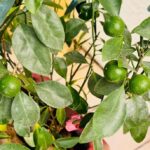
The Calamondin tree is a beautiful and productive citrus tree that brings year-round color, fragrance, and fresh fruit to home gardens. Loved for its compact size and abundant harvests, this evergreen tree is an excellent choice for landscapes, patios, balconies, and even indoor growing. Whether you are an experienced gardener or planting your first citrus tree, the Calamondin offers an attractive combination of ornamental beauty and culinary versatility. Often called calamansi, Philippine lime, or golden lime, the Calamondin tree produces small, bright orange fruits with a bold citrus flavor that is both tart and slightly sweet. The fruit is widely used in cooking, baking, beverages, and marinades, making this tree as practical as it is decorative. What Is a Calamondin Tree? The Calamondin tree (Citrus × microcarpa) is believed to be a natural hybrid between a kumquat and a mandarin orange. Native to Southeast Asia, it has been cultivated for centuries and remains one of the most popular citrus trees in tropical and subtropical regions. This slow-growing evergreen typically reaches 6 to 15 feet tall when planted in the ground, although container-grown trees generally stay between 3 and 6 feet with occasional pruning. Its dense canopy of glossy green leaves, fragrant blossoms, and colorful fruit makes it an eye-catching addition to any garden. One of its most appealing qualities is its ability to bloom and fruit throughout much of the year, allowing gardeners to enjoy fragrant flowers and ripe citrus at the same time. A Tree That Offers Beauty in Every Season The Calamondin tree is prized for its ornamental appeal as much as its fruit. Deep green leaves create a lush backdrop for clusters of delicate white blossoms that fill the garden with a sweet citrus fragrance. As the blossoms mature, they develop into small green fruit that gradually ripens into brilliant orange spheres. Because flowering and fruit production often occur simultaneously, mature trees display blossoms, green fruit, and ripe oranges all at once. This colorful display provides year-round visual interest and makes the tree a favorite for patios, entryways, edible landscapes, and decorative containers. Ideal Growing Conditions Calamondin trees thrive in warm climates with plenty of sunshine. They perform best in USDA Hardiness Zones 8 through 11 but can also be successfully grown in containers in cooler regions. For healthy growth, provide the tree with six to eight hours of direct sunlight each day. Plant it in well-drained soil that is slightly acidic, as citrus trees dislike standing water around their roots. Water deeply when the top inch of soil begins to dry, allowing excess moisture to drain away completely. During the active growing season, fertilize regularly with a citrus-specific fertilizer that supplies essential nutrients for flowering and fruit production. Gardeners in colder climates can simply move container-grown trees indoors before freezing temperatures arrive. A bright sunny window or grow lights will help the tree continue growing throughout winter. Flowering and Fruit Production One of the most rewarding aspects of growing a Calamondin tree is its impressive fruit production. Healthy trees often flower several times throughout the year, producing fragrant white blossoms that attract bees and other beneficial pollinators. Following pollination, small green fruits begin to develop before gradually turning a vibrant orange as they mature. Unlike many citrus varieties, Calamondin fruit can remain on the tree for weeks after ripening, allowing gardeners to harvest only what they need while enjoying the colorful display. Mature trees are capable of producing hundreds of fruits annually under favorable growing conditions. What Does Calamondin Taste Like? Although the fruit resembles a miniature orange, its flavor is much more similar to a lime with subtle mandarin notes. The juice is intensely tart, while the thin peel contributes a pleasant sweetness and aromatic citrus oils. This unique combination creates a bright, refreshing flavor that enhances countless recipes. Many people enjoy using the entire fruit, including the peel, to maximize its citrus aroma and natural sweetness. Culinary Uses for Calamondin Fruit The Calamondin is one of the most versatile citrus fruits in the kitchen. Its fresh juice adds brightness and acidity to both sweet and savory dishes. Popular culinary uses include fresh lemonade, citrus-infused water, homemade vinaigrettes, seafood marinades, grilled chicken, roasted vegetables, stir fry sauces, dipping sauces, salsa, jams, marmalades, citrus curds, pies, cakes, cookies, sorbet, ice cream, cocktails, and mocktails. The fruit also makes an excellent substitute for lemons or limes in many recipes, providing a distinctive tropical citrus flavor. Health Benefits Like many citrus fruits, Calamondin is packed with nutrients that support overall wellness. It is naturally rich in vitamin C, antioxidants, flavonoids, potassium, calcium, and dietary fiber. These nutrients help support immune function, healthy skin, collagen production, digestion, and protection against oxidative stress. Adding fresh Calamondin juice to meals is a simple way to enjoy both vibrant flavor and nutritional benefits. Growing a Calamondin Tree in Containers The Calamondin tree is one of the easiest citrus varieties to grow in pots, making it ideal for gardeners with limited outdoor space. Choose a large container with excellent drainage and fill it with a high-quality citrus potting mix. Position the container where it will receive plenty of direct sunlight throughout the day. Rotate the pot every few weeks to encourage even growth and maintain a balanced canopy. Repot the tree every few years as it grows, refreshing the soil to provide healthy root development and continued fruit production. Caring for Your Calamondin Tree Routine maintenance keeps Calamondin trees healthy and productive for many years. Prune lightly after harvesting to remove damaged or crowded branches while maintaining an attractive shape. Feed regularly during spring and summer with a citrus fertilizer formulated for fruiting trees. Watch for common citrus pests, including aphids, spider mites, scale insects, and whiteflies. Early detection allows problems to be managed before they become serious. Adding a layer of mulch around outdoor trees helps retain moisture, regulate soil temperature, and reduce weed growth while keeping mulch several inches away from the trunk. Why Gardeners Love the Calamondin Tree Few
Discover the Beauty and Benefits of a Citrus Cocktail Tree Imagine walking into your garden and picking a fresh lemon for homemade lemonade, a juicy lime for tacos, a sweet orange for breakfast, and a flavorful mandarin for a healthy snack, all from the very same tree. That is exactly what makes a Citrus Cocktail Tree such an exciting and rewarding addition to any landscape or patio garden. A Citrus Cocktail Tree combines several compatible citrus varieties onto one tree through the horticultural practice of grafting. Instead of planting multiple citrus trees that require additional space and maintenance, gardeners can enjoy a diverse harvest from a single healthy tree. This remarkable growing method has become increasingly popular among home gardeners because it saves space, extends the harvest season, and creates a beautiful conversation piece filled with colorful fruit and fragrant blossoms. Whether you are an experienced gardener or just beginning your journey into growing fruit trees, a Citrus Cocktail Tree offers an enjoyable way to produce fresh citrus while learning about one of the oldest and most fascinating gardening techniques. What Is a Citrus Cocktail Tree? A Citrus Cocktail Tree is a single tree that produces several different varieties of citrus fruit. While it may appear to be a naturally occurring phenomenon, each fruit variety grows on its own grafted branch. These branches are carefully attached to a common rootstock, allowing them to share one root system while maintaining the characteristics of their original variety. Depending on the tree, you may find combinations that include lemons, limes, mandarins, sweet oranges, blood oranges, tangelos, or grapefruits. Each branch develops its own blossoms and fruit while benefiting from the same healthy root system. The result is a highly productive tree that offers exceptional variety without requiring the space needed for several individual citrus trees. The Science Behind Grafting The secret behind every Citrus Cocktail Tree is grafting, a centuries-old horticultural technique that joins two compatible plants together so they grow as one. The lower portion of the tree is known as the rootstock. This section develops the roots and provides strength, disease resistance, drought tolerance, cold hardiness, and overall vigor. Commercial growers carefully select rootstocks that perform well in different climates and soil conditions. The upper portions are called scions. A scion is a healthy cutting taken from an established citrus variety that is known for producing quality fruit. Each scion is carefully attached to the rootstock using specialized grafting techniques. As the tissues heal, the two plants permanently unite and begin growing together. One of the most common methods used by commercial nurseries is T-budding, also known as bud grafting. This process involves inserting a healthy bud beneath the bark of the rootstock. Once the graft heals, that bud grows into a new branch capable of producing its specific variety of citrus. The beauty of grafting is that every branch retains the exact fruit characteristics of the original parent tree. A lemon branch continues producing lemons, while a lime branch continues producing limes, even though they all share the same trunk and roots. Why Gardeners Love Citrus Cocktail Trees One of the greatest advantages of a Citrus Cocktail Tree is its ability to maximize growing space. Homeowners with smaller yards, patios, balconies, or urban gardens can enjoy several citrus varieties without planting multiple trees. Another major benefit is the extended harvest season. Different citrus fruits ripen at different times throughout the year, allowing gardeners to enjoy fresh fruit over many months instead of harvesting everything at once. These trees also create stunning landscape features. Their glossy evergreen foliage, highly fragrant white blossoms, and colorful fruit make them attractive throughout every season. It is common to see flowers, developing fruit, and ripe fruit on the tree at the same time. Citrus blossoms also attract bees, butterflies, and other beneficial pollinators that help support a healthy garden ecosystem. Growing Conditions for a Healthy Citrus Cocktail Tree Like most citrus trees, Cocktail Trees perform best when grown in full sun. Choose a location that receives at least six to eight hours of direct sunlight each day. Plant the tree in fertile, well-drained soil. Citrus roots do not tolerate standing water, so proper drainage is essential for long-term health. Water deeply, allowing the upper portion of the soil to dry slightly between waterings. Deep watering encourages strong root development while reducing stress during hot weather. Apply a balanced citrus fertilizer several times during the growing season according to the product instructions. Regular feeding supports healthy foliage, fragrant blossoms, and abundant fruit production. In colder climates, protect young trees from freezing temperatures. Container-grown trees can often be moved indoors or into a protected location during winter. Caring for a Grafted Tree Since each citrus variety grows at its own natural rate, routine pruning helps maintain balance throughout the tree. Some varieties grow much faster than others. If left unchecked, vigorous branches may shade slower-growing varieties and reduce their productivity. Selective pruning encourages all grafted branches to receive adequate sunlight and continue producing fruit. Gardeners should also remove any shoots that develop below the graft union. These shoots originate from the rootstock rather than the grafted varieties and can eventually outgrow the desired branches if allowed to remain. Inspecting the tree regularly makes it easier to identify vigorous growth, maintain an attractive shape, and preserve each citrus variety. Companion Planting for Citrus Cocktail Trees Companion planting helps create a healthier garden while attracting beneficial insects and improving biodiversity. Lavender is an excellent companion because its fragrant flowers attract pollinators while adding beauty around the base of the tree. Chamomile encourages beneficial insects and contributes to a healthy garden environment. Calendula attracts pollinators and beneficial insects while adding cheerful color throughout the growing season. Nasturtiums help attract pollinators and may serve as a trap crop for certain garden pests. Marigolds provide colorful blooms while helping create a diverse planting area around citrus trees. Herbs such as basil, thyme, chives, and garlic also make excellent companions. These culinary
Originally published
March 2026
Updated
August 2026
Reviewed by
Culibloom