Pink Lady Apple Tree Blossom: A Spring Spectacle Filled with Beauty and Promise
Discover the beauty of Pink Lady apple tree blossoms, their role in pollination, spring care, fruit development, and the promise of an autumn harvest.
Few sights capture the freshness of spring quite like a Pink Lady apple tree covered in blossoms. Clusters of delicate flowers transform its branches into a cloud of soft pink and white, bringing beauty, fragrance, and renewed life to the garden. The display may last only a short time, but it marks one of the most important stages in the tree’s growing cycle.
Each flower carries the possibility of becoming a crisp, rosy apple later in the year. Pollinating insects move among the blossoms while gardeners watch the tree awaken from winter dormancy. It is a season filled with activity, anticipation, and the quiet promise of an autumn harvest.
The Pink Lady apple tree is also known by its original cultivar name, Cripps Pink. It was developed in Australia in 1973 by crossing Golden Delicious with Lady Williams. Pink Lady® is the trademarked name used for qualifying fruit from Cripps Pink and certain related cultivars. This heritage helps explain the apple’s familiar balance of sweetness, acidity, firmness, and vivid color.
A Breathtaking Display of Spring Blossoms
Pink Lady apple blossoms begin as tightly closed buds with a rich pink color. As the buds swell and open, the petals become paler, creating an elegant mixture of blush pink, creamy white, and rose-colored accents.
The flowers usually appear in clusters along short fruiting spurs. A branch filled with blossoms can look almost ornamental, especially when sunlight filters through the petals. Darker unopened buds beside fully expanded flowers create natural variation in color and texture.
Bloom time depends on the local climate, winter temperatures, and seasonal weather. In many Northern Hemisphere growing regions, flowering occurs during early or mid-spring. A warm spell may encourage the buds to open quickly, while cool conditions can delay flowering.
The entire display is temporary. Individual blossoms gradually release their petals, often scattering them across the soil like pale confetti. Although the falling petals signal the end of the floral show, they may also mark the beginning of fruit development.
From Pink Buds to Future Apples
Apple flowers contain the structures needed for fruit production, but a blossom does not automatically become an apple. It must first be successfully pollinated. Bees, flies, and other insects transfer compatible pollen between flowers as they search for nectar and pollen.
Cripps Pink is generally grown with another compatible apple or crabapple variety that blooms at approximately the same time. Even where a nursery describes a particular tree as partly self-fruitful, adding a suitable pollination partner is commonly recommended for more reliable production. Home growers should confirm compatibility for their cultivar and location when selecting a companion tree. University of Minnesota Extension explains that apples are pollinated by insects and generally need pollen from another apple variety.
After pollination and fertilization, the base of a flower may begin to swell. The petals fall, and a tiny green fruit becomes visible. Not every blossom will develop into a mature apple. Weather, pollination, tree health, and the tree’s natural fruit-dropping process all influence the final crop.
Why Pollinators Matter During Bloom
A flowering Pink Lady apple tree can become a lively gathering place for beneficial insects. Bees are especially valuable because they move repeatedly between blossoms, carrying pollen as they go.
Gardeners can support pollinators by growing a variety of flowering plants that bloom at different times of the year. Avoiding unnecessary insecticide use during apple bloom is also important. Some products may harm bees directly or discourage them from visiting the tree. Always read the product label and follow local guidance before applying any treatment.
Cool temperatures, heavy rain, and strong winds can reduce insect activity while the tree is flowering. Because the bloom period is limited, several days of unfavorable weather may affect pollination and fruit set. A nearby compatible apple tree improves access to pollen, but active pollinators are still needed to carry it between flowers.
Protecting Blossoms From Spring Frost
Apple blossoms are more vulnerable to cold than dormant branches and tightly closed buds. As flowers develop and open, their tolerance for freezing temperatures decreases. A frost during full bloom can damage the flower centers and reduce the number of apples produced that year.
The amount of damage depends on the temperature, the length of the cold period, the flower’s stage of development, and conditions within the garden. Lower areas where cold air settles may experience more damage than slightly elevated locations.
If the tree is small enough, frost cloth may provide limited protection during a brief cold event. The covering should extend toward the ground so it can help retain warmth rising from the soil, and it should be removed when temperatures improve. Large established trees are difficult to cover effectively, making good site selection especially important when planting.
Creating the Right Growing Environment
A Pink Lady apple tree generally performs best in full sun and fertile, well-drained soil. Good sunlight supports flowering, fruit development, and the color for which these apples are known. Air circulation around the canopy can also help foliage and blossoms dry after rain.
The tree should receive consistent moisture, particularly while becoming established and during dry periods. However, constantly saturated soil can damage the roots. Watering needs vary with temperature, rainfall, soil texture, tree age, and rootstock, so checking the soil is more reliable than following a rigid schedule.
Cripps Pink is a very late-ripening apple and needs a long growing season for the fruit to mature properly. It often performs best in regions with warm summers and a sufficiently long autumn. The Royal Horticultural Society describes it as a late-season dessert apple that thrives in warmer regions and ripens in late autumn. Royal Horticultural Society
Before purchasing a tree, gardeners should consider both winter hardiness and the length of their local growing season. Rootstock also matters because it affects the tree’s mature size, vigor, soil adaptability, and how soon it may begin producing fruit.
Caring for the Tree After Flowering
Once the petals fall, attention shifts from protecting blossoms to supporting developing fruit. Continue monitoring soil moisture and watch for signs of pests or disease. Apple scab, powdery mildew, fire blight, aphids, and codling moths are among the possible concerns, although their prevalence varies by region and growing conditions.
Annual pruning can improve the tree’s structure, encourage air movement, and allow sunlight to reach the interior canopy. Major pruning is normally completed while the tree is dormant. During the growing season, remove damaged or diseased material when appropriate, using clean tools and disease-conscious pruning practices.
A healthy tree may set more fruit than it can comfortably mature. Natural fruit drop reduces part of this load, but additional thinning may sometimes be helpful. Providing adequate space between developing apples can improve fruit size, reduce crowding, and help prevent overloaded branches.
The Long Wait From Blossom to Harvest
The Pink Lady apple is known for its exceptionally long season. Depending on the climate and cultivar, the fruit may remain on the tree for many months after spring flowering. Commercial Pink Lady sources describe it as one of the first apples to blossom and one of the last to be harvested, with a growing period of approximately 200 days. Pink Lady Apples
During that time, the young fruit gradually increases in size, develops sweetness, and gains its familiar pink blush. Sunlight and cooler nights near harvest can contribute to skin color, but color alone does not always indicate maturity.
Harvest dates differ by location and seasonal conditions. Rather than relying only on the calendar, gardeners should evaluate the fruit’s background color, flavor, texture, and ease of separation from the branch. A mature apple should lift and twist away without force, although the best indicators can vary by cultivar and climate.
A Tree Filled With Beauty and Meaning
A blooming Pink Lady apple tree offers much more than a beautiful garden moment. Its flowers support pollinators, signal the return of active growth, and begin the long journey toward a possible autumn harvest.
There is something deeply rewarding about watching that transformation unfold. Pink buds open into luminous flowers, petals fall around the tree, tiny green fruits appear, and the branches slowly become weighted with rosy apples. Every stage has its own character and purpose.
Even in a year when frost, rain, or limited pollination reduces the crop, the blossoms remain worth celebrating. Their fleeting beauty reminds us that gardening is shaped by patience, changing seasons, and possibilities that begin long before the harvest arrives.
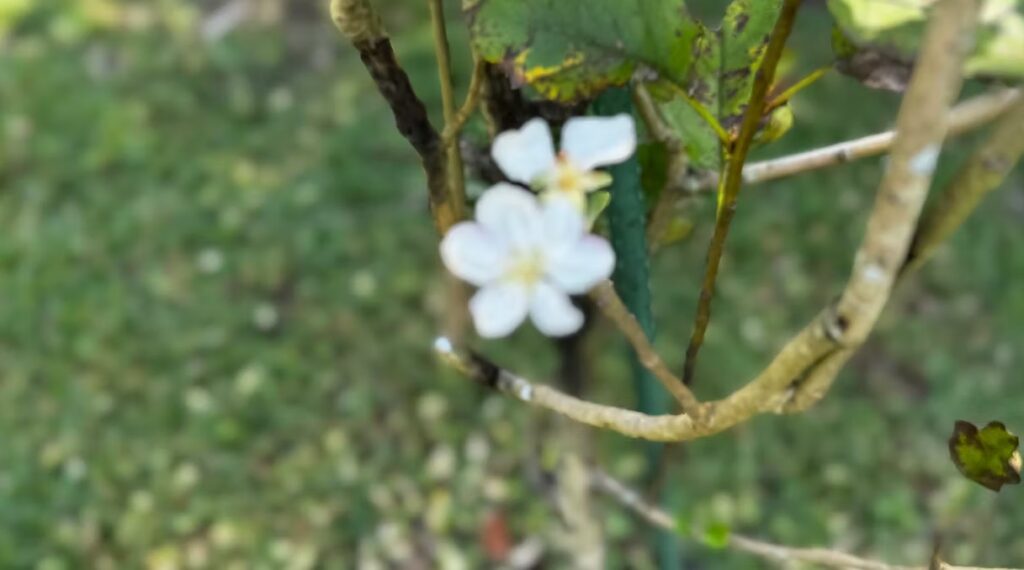
Delicate blossoms appear on a Pink Lady apple tree, signaling the beginning of a new growing season.
Learn how to grow a healthy pomegranate tree, prevent splitting, prune correctly, manage pests, and harvest ripe, sweet, juicy fruit. A pomegranate tree brings beauty, color, and delicious fruit to the home garden. Its glossy green leaves, brilliant orange-red flowers, and jewel-toned fruit create interest across several seasons. Once established in a suitable climate, this remarkably resilient plant can remain productive for decades. Pomegranate trees thrive in places with long, hot summers and mild winters. Although mature plants tolerate periods of drought, consistent care is essential for producing plump fruit filled with sweet, juicy arils. Sunlight, drainage, thoughtful pruning, and steady watering all influence fruit quality. Whether you want a graceful specimen tree, a flowering hedge, or a productive backyard shrub, understanding how a pomegranate naturally grows will help you establish a healthier plant and enjoy more reliable harvests. Understanding the Pomegranate Tree The pomegranate, botanically known as Punica granatum, is a deciduous fruiting shrub that can be trained into a small tree. It naturally develops several stems and a dense, bushy form, typically reaching approximately 10 to 15 feet tall when allowed to grow freely. Regular pruning can keep it shorter and make harvesting easier. Its slender branches may have sharp thorns, while its bright flowers add vivid color to the garden in spring and summer. The fruit develops after successful pollination and gradually ripens from late summer through fall, depending on the cultivar, climate, and bloom time. Each fruit contains numerous arils, which are the juice-filled structures surrounding the seeds. Their color, sweetness, acidity, and seed firmness vary by cultivar. Some varieties have deep red arils and a pronounced tang, while others produce pale pink arils with a milder, sweeter flavor. Choosing the Right Climate Pomegranates perform best in semiarid to subtropical climates with hot summers and relatively mild winters. They are generally suited to USDA Hardiness Zones 8 through 11, although cold tolerance varies among cultivars and depends on the plant’s age, health, dormancy, and exposure. Temperatures near or below 12°F can damage many pomegranate cultivars. Some especially hardy selections may tolerate colder conditions, but newly planted trees and tender spring growth are more vulnerable. Late spring freezes can damage buds and flowers even when the established wood survives the winter. Gardeners in colder climates may be able to grow compact pomegranates in large containers. The plant can be moved into a protected, cool location during severe winter weather. Container culture may limit the tree’s mature size and fruit production, but it makes growing pomegranates possible in areas where an in-ground tree would not reliably survive. Selecting a Fruit-Bearing Cultivar Choose a cultivar according to your climate, growing season, available space, and preferred flavor. Some pomegranates need a particularly long, hot season to develop their best color and sweetness. A cultivar that thrives in an arid western climate may not perform as well in a humid region with frequent summer rain. Fruit size, rind color, aril color, acidity, sweetness, and seed firmness can differ considerably. Nursery descriptions and recommendations from a regional cooperative extension office can help identify varieties that have performed well locally. Make sure you purchase a fruit-bearing cultivar rather than a purely ornamental one. Ornamental pomegranates may produce beautiful flowers but little usable fruit. Plants propagated from a named cultivar are also more predictable than seedlings, which may not retain the desirable qualities of the parent plant. Finding the Best Planting Location Full sun is essential for vigorous growth, abundant flowering, and flavorful fruit. Select a location that receives at least six hours of direct sunlight each day. More sunlight is generally beneficial where summers are not excessively harsh. Air circulation is particularly important in humid climates. An open location allows foliage and flowers to dry more efficiently after rain, which can reduce conditions that favor certain diseases. Avoid tightly enclosed sites where moisture lingers around the canopy. Consider the tree’s mature width before planting. Pomegranates naturally spread as they produce new stems and suckers. Allowing approximately 10 to 12 feet of space around a full-sized home-garden plant can provide room for its canopy and make pruning and harvesting more convenient. Actual spacing should reflect the cultivar and the form in which you intend to maintain it. Preparing the Soil Pomegranate trees adapt to sandy, loamy, and clay soils, but they grow best in soil that drains well. Prolonged saturation can weaken roots and increase the risk of decline. If your garden has heavy soil or a high water table, consider planting on a broad raised mound to improve drainage. A soil pH between approximately 5.5 and 7.2 is generally favorable, although pomegranates can tolerate somewhat alkaline conditions. A soil test is the most dependable way to determine pH and identify nutrient deficiencies before applying amendments. Mixing large amounts of rich material into one isolated planting hole can discourage roots from spreading into the surrounding soil. Instead, improve drainage and organic matter across a broader area when necessary. Do not add fertilizer to the planting hole unless a soil test or regional recommendation indicates that it is needed. Planting a Pomegranate Tree Spring is an excellent planting time in many regions because it gives the roots a full growing season to become established before winter. In mild climates, fall planting may also be successful if the tree has time to settle in before cold or excessively wet weather arrives. Dig a hole wide enough to accommodate the roots without bending or crowding them. Position the tree at the same depth it was growing in its nursery container. Planting too deeply can bury the root flare and keep excess moisture against the base. Backfill with the native soil, gently firm it around the roots, and water thoroughly. Apply a layer of organic mulch over the root zone to conserve moisture and discourage weeds, but leave several inches of open space around the trunk or stems. Growing a Shrub or Training a Tree A pomegranate naturally grows as a multi-stemmed shrub. This form is often
Learn how to grow healthy fig trees at home, including variety selection, planting, watering, pruning, winter protection, harvesting, and troubleshooting. Fig trees bring beauty, character, and remarkable flavor to a home garden. Their broad, deeply lobed leaves create a lush appearance, while their sweet fruit can be enjoyed fresh from the tree, dried, preserved, baked into desserts, or added to savory dishes. Once established in a suitable location, a fig tree can produce generously with relatively straightforward care. The common fig, botanically known as Ficus carica, is a deciduous shrub or small tree native to western Asia and the Mediterranean region. Although figs are associated with warm climates, gardeners in many cooler regions can grow them successfully by choosing a cold-tolerant variety, planting in a protected microclimate, or using a container that can be moved into shelter for winter. Successful fig growing begins with the right variety and location. Sunlight, drainage, seasonal warmth, winter temperatures, moisture, and pruning practices can all influence whether a tree develops healthy growth and fully ripened fruit. This complete fig tree growing guide explains how to select, plant, water, fertilize, prune, protect, harvest, and troubleshoot fig trees at home. Understanding How Fig Trees Grow A fig is not a conventional fruit with visible flowers. What appears to be the fruit is a hollow structure called a syconium. The tiny flowers develop inside this structure, which is why gardeners do not see blossoms covering a fig tree before fruit appears. There are several types of edible figs, but common figs are generally the most practical choice for home gardens. Most commonly sold home-garden varieties can develop fruit without cross-pollination, which means a single tree may produce a crop. Some specialized varieties require pollination by a particular fig wasp and may not produce properly in regions where that pollinator is absent. Buying a named common fig variety from a reliable regional nursery helps prevent this problem. Depending on the variety and climate, a fig tree may produce one or two crops. The early crop, known as the breba crop, forms on growth produced during the previous season. The main crop normally develops later on new growth. A cold winter or heavy pruning can eliminate the breba crop while still allowing the tree to produce a later crop on new branches. Choosing the Best Fig Variety for Your Climate Variety selection should be based on winter hardiness, summer heat, the length of the growing season, local humidity, and whether the tree will grow in the ground or a container. A variety that performs beautifully in a hot Southern garden may ripen too late in a cool Northern climate. Brown Turkey is a familiar and widely grown fig with brownish-purple skin and sweet flesh. It adapts to a range of conditions and can produce fruit on new growth after winter damage. Celeste produces small to medium fruit with light brown to violet skin and sweet flesh. Its relatively tight fruit opening can help limit problems caused by insects and excess moisture. It is especially popular in warm, humid regions. Chicago Hardy is frequently selected for colder climates because its roots can survive lower temperatures than those of many tender varieties when properly established and protected. Aboveground growth may still die back during severe winter weather, so the name should not be interpreted as a guarantee that every branch will survive extreme cold. Black Mission produces dark purple fruit with richly flavored pink or red flesh. It performs best where summers are warm and the growing season is sufficiently long. In colder areas, it may be better suited to container cultivation. Violette de Bordeaux produces smaller, dark-skinned figs with a rich flavor. Its naturally compact growth and suitability for pruning can make it an appealing option for containers and smaller gardens. Desert King is known for producing a dependable breba crop in climates with cooler summers. Because breba figs form on the previous year’s wood, winter protection and careful pruning are particularly important. Local performance is more valuable than a variety’s general description. A cooperative extension office, regional nursery, or experienced grower can help identify cultivars that reliably ripen before the first fall frost in your area. Selecting the Right Planting Location Fig trees produce their best growth and fruit in full sun. Choose a location that receives at least six to eight hours of direct sunlight, with more sun being beneficial in cool or short-season regions. A south-facing wall can create a warmer microclimate, protect the tree from cold winds, and help the fruit ripen. Good drainage is essential. Fig trees adapt to several soil types, but they should not remain in saturated ground. Standing water and prolonged soil saturation can contribute to root and crown problems. If the garden has heavy clay or a consistently high water table, consider planting on a raised mound or growing the tree in a large container. Allow enough room for the mature canopy and roots. The final size depends on variety, climate, pruning, and winter dieback, but an unrestrained fig can become a broad shrub or small tree. Avoid planting directly beside foundations, septic systems, drains, or paved areas where vigorous roots and spreading growth may become difficult to manage. In colder climates, select a sheltered area away from low spots where cold air collects. A position beside a south-facing masonry wall may provide additional warmth, although the tree still needs adequate airflow and space. When to Plant a Fig Tree In climates with mild winters, figs may be planted while dormant in fall or early winter. In colder regions, spring planting is generally safer. Wait until the danger of a hard freeze has passed so the young tree has an entire growing season to establish roots before winter. Container-grown trees offer more flexibility than bare-root plants, but they still require protection from extreme heat, drought, and sudden cold during establishment. Avoid planting during periods of frozen soil, waterlogged conditions, or intense summer heat. How to Plant a Fig Tree Before
Here, you will learn all about chive blossoms and parsley, including how companion planting helps both herbs thrive, the many benefits they bring to your garden, and the delicious ways to use them in everyday cooking. Whether you are creating a thriving kitchen garden or looking for fresh inspiration in the kitchen, chive blossoms and parsley are a versatile pairing that offers beauty, flavor, and abundant harvests throughout the growing season. There is something incredibly satisfying about walking into your garden, brushing your hand across a patch of fragrant herbs, and gathering a handful of fresh parsley alongside a few vibrant purple chive blossoms. Moments like these remind us that a garden is more than a place to grow food. It is a space where beauty, nature, and fresh ingredients come together to inspire every meal. Among the many herbs you can grow, chives and parsley are one of the easiest and most rewarding companion planting combinations. They thrive under similar growing conditions, complement one another beautifully, and provide fresh harvests from spring through fall. Their partnership benefits not only your kitchen but your entire garden by attracting pollinators, supporting beneficial insects, and helping create a healthier growing environment. Whether you are planting a large kitchen garden, filling raised beds, or growing herbs in containers on your patio, chive blossoms and parsley are a pairing that delivers season after season. Their fresh flavors elevate everyday meals, while their graceful appearance adds charm and color to any outdoor space. A Perfect Partnership in the Herb Garden Companion planting is the practice of growing plants together that naturally benefit one another. Some companion plants improve soil conditions, others attract pollinators, while some help reduce pest problems or make better use of available growing space. Chives and parsley check nearly every one of those boxes. Parsley grows in lush, leafy mounds that remain attractive throughout much of the growing season. Chives produce slender green leaves that eventually give way to beautiful globe-shaped blossoms in shades of lavender and purple. Together they create layers of texture and color that look just as lovely in ornamental gardens as they do in vegetable beds. Their similar care requirements also make them easy companions. Both appreciate fertile soil, regular watering, and plenty of sunshine, allowing gardeners to care for both herbs using the same routine. For anyone just beginning an herb garden, this combination is an excellent place to start. Why Companion Planting Matters Healthy gardens are built on diversity. Instead of growing a single crop in isolation, companion planting encourages a balanced ecosystem where plants, pollinators, and beneficial insects work together. Every herb contributes something unique to the garden. Parsley provides dense foliage that helps shade the soil and reduce moisture loss. Chives contribute their distinctive onion aroma while producing nectar-rich flowers that become gathering places for pollinating insects. Together they create an environment where plants thrive naturally. Rather than viewing herbs simply as ingredients for cooking, companion planting reminds us that every plant plays an important role in supporting the health of the entire garden. Chives Help Naturally Discourage Garden Pests One reason gardeners have planted chives throughout vegetable gardens for generations is their reputation for helping reduce certain insect problems. As members of the onion family, chives contain sulfur compounds responsible for their mild onion fragrance. While people enjoy this familiar aroma, many insects do not. Growing chives near parsley may help discourage aphids, Japanese beetles, spider mites, and several other common garden pests. Although companion planting is not a replacement for good garden management, it can become an important part of an organic gardening strategy by encouraging healthier plants and reducing stress caused by insect activity. Many gardeners also plant chives near tomatoes, carrots, strawberries, roses, peppers, and apple trees for the very same reason. Chive Blossoms Bring Your Garden to Life If there is one reason never to cut every chive flower before it opens, it is the incredible number of beneficial insects they attract. As spring transitions into early summer, chives produce clusters of soft purple blossoms that quickly become one of the busiest places in the garden. Honeybees eagerly gather nectar from the flowers while native bees move from bloom to bloom collecting pollen. Butterflies drift through the blossoms, adding movement and beauty to the landscape, while hoverflies quietly perform double duty by feeding on nectar as adults and helping control aphids during their larval stage. Watching these visitors move through your herb garden is one of the simple pleasures of gardening. Their presence also benefits nearby vegetables, fruit trees, berry bushes, and flowering plants that depend on pollination for healthy harvests. Growing Chives and Parsley Together One of the reasons these herbs are so popular is because they are wonderfully uncomplicated. Choose a location that receives at least six hours of sunlight each day. While chives love full sun, parsley appreciates a little afternoon shade during periods of intense summer heat, especially in warmer climates. Plant both herbs in fertile, well-drained soil enriched with compost. Rich organic matter encourages vigorous growth while helping retain moisture between waterings. Water regularly, keeping the soil evenly moist without allowing it to become soggy. Applying a layer of mulch around the plants helps regulate soil temperature, conserve moisture, and reduce weed growth. With only a little routine care, both herbs will reward you with months of fresh harvests. Beautiful in Every Garden Style One of the joys of growing herbs is their versatility. Chives and parsley look equally at home in formal herb gardens, rustic cottage gardens, raised beds, decorative borders, and patio containers. The upright foliage and cheerful blossoms of chives create natural height, while parsley fills the surrounding space with rich green leaves. The contrast between soft purple flowers and vibrant green foliage creates a timeless combination that looks attractive from spring until frost. Many gardeners intentionally plant these herbs near walkways or seating areas where their fragrance and colorful blooms can be enjoyed every day. Other Plants That Thrive
Originally published
March 2026
Updated
August 2026
Reviewed by
Culibloom