Red Bell Pepper Growing Guide: A Colorful Garden Favorite Bursting with Sweet Flavor
Use this red bell pepper growing guide to learn about planting, sunlight, soil, watering, container care, common problems, and harvesting sweet peppers.
Red bell peppers bring brilliant color, satisfying crunch, and naturally sweet flavor to the home garden. Their glossy fruit looks beautiful among deep green leaves, and each pepper becomes even more striking as it ripens from green to vibrant red. Whether you grow them in a traditional vegetable garden, raised bed, greenhouse, or sunny container, red bell peppers can be a rewarding warm-season crop.
Although they are commonly treated as separate vegetables at the grocery store, many red bell peppers begin as green peppers. The fruit changes color when it remains on the plant long enough to reach full maturity. During this ripening period, its flavor becomes sweeter and fruitier.
Growing fully ripened red peppers requires patience because they need more time on the plant than peppers harvested while green. Warm weather, consistent moisture, healthy soil, and the right variety can help gardeners enjoy a colorful harvest filled with fresh flavor.
Understanding Red Bell Pepper Plants
Red bell peppers are sweet pepper varieties of Capsicum annuum. Unlike hot peppers, bell peppers do not produce meaningful levels of capsaicin, the compound responsible for spicy heat. Their mild flavor makes them versatile for fresh eating, roasting, grilling, stuffing, sautéing, and preserving.
Bell pepper plants have a bushy growth habit and produce small white flowers followed by green fruit. Depending on the variety, the mature peppers may become red, orange, yellow, purple, brown, or another color. Select a variety specifically described as ripening red if bright red peppers are your goal.
Days to maturity vary considerably. The number printed on a seed packet or plant label may refer to the approximate period after transplanting rather than the time from sowing. Cool temperatures, extreme heat, inconsistent watering, and limited sunlight can also slow fruit development.
Choosing the Best Red Bell Pepper Variety
Look for a red bell pepper variety suited to your climate and growing season. Gardeners in regions with short summers may have better results with an early-maturing or cold-tolerant selection. In hot climates, widely adapted or heat-tolerant varieties may continue setting fruit more reliably as temperatures rise.
Disease-resistant varieties can be especially valuable in areas where bacterial leaf spot, viruses, or soilborne diseases have caused previous problems. Compact varieties are convenient for patios and containers, while larger plants may benefit from staking or support once they become heavy with fruit.
Healthy transplants should be sturdy, compact, and free from spots, insects, yellowing leaves, or damaged stems. Avoid severely root-bound plants and tall, weak seedlings that have stretched toward inadequate light.
Starting Red Bell Peppers From Seed
Red bell peppers grow slowly during their earliest stages, so gardeners commonly start seeds indoors approximately eight to ten weeks before the expected outdoor planting date. Sow the seeds about ¼ inch deep in a clean, sterile seed-starting mix.
Warmth is important for germination. A seedling heat mat can help maintain consistently warm conditions, but the growing medium should be monitored because heated trays can dry more quickly. Once the seedlings emerge, place them beneath bright overhead grow lights so they develop strong, compact stems.
When the seedlings produce true leaves, move them into individual containers if necessary. Keep the potting mix lightly moist without allowing it to remain waterlogged.
Before planting outdoors, harden the seedlings gradually for one to two weeks. Begin with a short period in a sheltered outdoor location, then slowly increase their exposure to sunlight and wind. Bring them inside if conditions become too cold.
When to Plant Red Bell Peppers Outdoors
Peppers are frost-sensitive plants that prefer genuinely warm weather. Wait until the danger of frost has passed, the soil has warmed, and nighttime temperatures are consistently above approximately 50°F before transplanting.
Planting in cold soil can stall growth, stress the roots, and delay the eventual harvest. If spring conditions remain cool, black plastic mulch can help warm the soil before planting. Gardeners may also use protective covers temporarily, but covers should not press against the foliage during cold nights.
Transplant on a cloudy, calm day or during the late afternoon when possible. Water the seedlings before planting and handle the root balls gently. Unlike tomatoes, pepper transplants should generally be placed at approximately the same soil depth at which they were growing in their containers.
Sunlight and Location
Choose a location that receives at least six to eight hours of direct sunlight each day. Abundant sunlight supports sturdy growth, flowering, fruit development, and the ripening process that turns mature peppers red.
A site with good air movement can help foliage dry after rain and may reduce conditions that encourage certain diseases. However, extremely exposed locations may subject plants to strong winds that damage stems or increase water loss.
Avoid planting peppers in the same location where peppers, tomatoes, potatoes, eggplants, or tomatillos have recently grown when space allows. Rotating these related crops can help interrupt the buildup of certain pests and diseases.
Soil Preparation and Fertility
Red bell peppers grow best in fertile, well-drained soil rich in organic matter. Before planting, incorporate finished compost when needed and use a soil test to determine the appropriate pH and nutrient levels for your garden.
A soil pH near neutral, generally around 6.0 to 7.0, suits bell peppers in many gardens. Local soil conditions vary, so recommendations from a regional soil test should take priority over a universal fertilizer schedule.
Avoid excessive nitrogen. Too much nitrogen may create large, leafy plants that produce fewer peppers or take longer to set fruit. Do not use lawn fertilizers or products containing weed killers around vegetable plants.
Spacing and Support
Space red bell pepper plants approximately 18 inches apart, allowing about 30 to 36 inches between traditional rows. Follow the seed packet or plant label when a specific variety requires different spacing.
Proper spacing allows sunlight to reach the plants while supporting air circulation. However, some leaf cover is valuable because it shades developing fruit from intense sun.
Bell pepper stems can become brittle when loaded with heavy fruit. A small tomato cage, garden stake, or similar support can prevent branches from bending or breaking. Install supports early to avoid disturbing the roots later in the season.
Growing Red Bell Peppers in Containers
Container gardening makes it possible to grow red bell peppers on a sunny patio, balcony, or small urban garden. Select a roomy container with unobstructed drainage holes and fill it with a high-quality potting mix intended for edible container plants.
A five-gallon container can serve as a practical minimum for one compact pepper plant, although a larger pot provides more room for roots and retains moisture longer. Containers dry more quickly than garden beds, particularly during hot or windy weather, so check the soil regularly.
Container-grown peppers may require more frequent feeding because repeated watering gradually carries nutrients from the potting mix. Follow the directions for a fertilizer labeled for vegetables or fruiting container plants, and avoid overfeeding.
Watering for Healthy Fruit Development
Consistent moisture is one of the most important parts of growing high-quality bell peppers. If rainfall is insufficient, water deeply enough to moisten the root zone rather than lightly sprinkling the soil surface.
Allowing the soil to alternate repeatedly between very dry and saturated conditions can stress the plants, interfere with fruit development, and contribute to blossom-end rot. Sandy soil and containers may need more frequent watering than heavier garden soil.
Apply water near the base of the plants with drip irrigation or a soaker hose when possible. This approach delivers water to the root zone while helping keep the foliage dry. A layer of organic mulch can moderate soil temperature, conserve moisture, and reduce weed competition. Keep mulch slightly away from the stems.
Flowering and Fruit Set
Bell peppers are self-fertile, and movement from wind or visiting insects can help release pollen inside the flowers. Healthy plants typically flower without requiring another pepper variety nearby.
Temperature stress can interfere with fruit set. Very hot days, unusually warm nights, cold nights, dry soil, or other stressful conditions may cause blossoms to fall before peppers form. Continue caring for the plant consistently because fruit production may improve when temperatures become more favorable.
Avoid applying excessive fertilizer in response to temporary blossom drop. If the plant is healthy, weather conditions may be the primary cause.
Common Red Bell Pepper Problems
Inspect the plants regularly, including the undersides of leaves. Aphids, flea beetles, thrips, hornworms, and other pests may feed on pepper plants, although the most common problems vary by region. Early identification often makes a problem easier to manage.
Use a combination of garden sanitation, crop rotation, healthy transplants, appropriate spacing, resistant varieties, and regular observation. If treatment becomes necessary, identify the pest or disease before choosing a product. Follow the label exactly and make sure the product is approved for use on edible pepper plants.
Bacterial leaf spot, anthracnose, Phytophthora blight, soft rot, and several viruses can affect peppers. Remove badly diseased material, avoid handling plants while the foliage is wet, and disinfect tools when appropriate. Contact a local extension office when symptoms are severe or difficult to identify.
Preventing Blossom-End Rot
Blossom-end rot appears as a dark, sunken area near the bottom of the pepper. Although it involves inadequate calcium reaching the developing fruit, fluctuating soil moisture is often the underlying reason the plant cannot take up and distribute calcium effectively.
Maintain even moisture, mulch the soil, and avoid damaging the roots through deep cultivation. Do not automatically add calcium without a soil test because the soil may already contain an adequate amount. Remove affected fruit if desired and focus on improving moisture consistency as later peppers develop.
Protecting Peppers From Sunscald
Intense sunlight can create pale, bleached, or papery patches on exposed fruit. This condition, known as sunscald, is more likely when peppers lack sufficient leaf cover during hot, dry weather.
Support overall plant health and avoid unnecessary pruning that exposes the fruit. If extreme heat is common in your area, temporary shade cloth may help protect plants during the hottest part of the day. The amount of shade needed depends on the climate and growing conditions.
Harvesting Red Bell Peppers
Bell peppers may be harvested when they are full-sized, firm, and green, but they must remain on the plant longer to develop their mature red color and sweetest flavor. A ripe red bell pepper should feel firm, appear glossy, and display the mature color expected for its variety.
Cut the pepper from the plant with clean scissors or garden pruners, leaving a short section of stem attached. Pulling or twisting the fruit can break the brittle branches.
Harvest promptly once the peppers reach the desired color and firmness. Peppers that remain on the plant too long may soften, wrinkle, or become more vulnerable to insects and disease. Picking some peppers green earlier in the season may encourage continued production, while allowing selected fruit to ripen fully provides the characteristic red color and sweet flavor.
Storing Freshly Harvested Peppers
Handle freshly harvested peppers gently to avoid bruising or puncturing their glossy skin. Do not wash them until shortly before use because excess surface moisture can encourage deterioration during storage.
Store unwashed peppers in the refrigerator. Use any damaged, cut, or softened peppers promptly. Peppers with signs of decay, mold, or an unpleasant odor should be discarded.
A large harvest can also be frozen, dehydrated, roasted, or preserved with a properly tested food-preservation method. Always follow current, research-based preservation guidance.
Why Red Bell Peppers Are Worth Growing
Red bell peppers combine ornamental beauty with delicious garden-to-table flavor. Watching each fruit progress from a tiny green pepper to a glossy red harvest is one of the pleasures of the summer vegetable garden.
Success depends on warmth, sunlight, consistent watering, sensible fertility, and enough time for the peppers to ripen fully. With a variety suited to your region and attentive seasonal care, even a small planting can provide crisp, colorful peppers for fresh meals and favorite dishes.
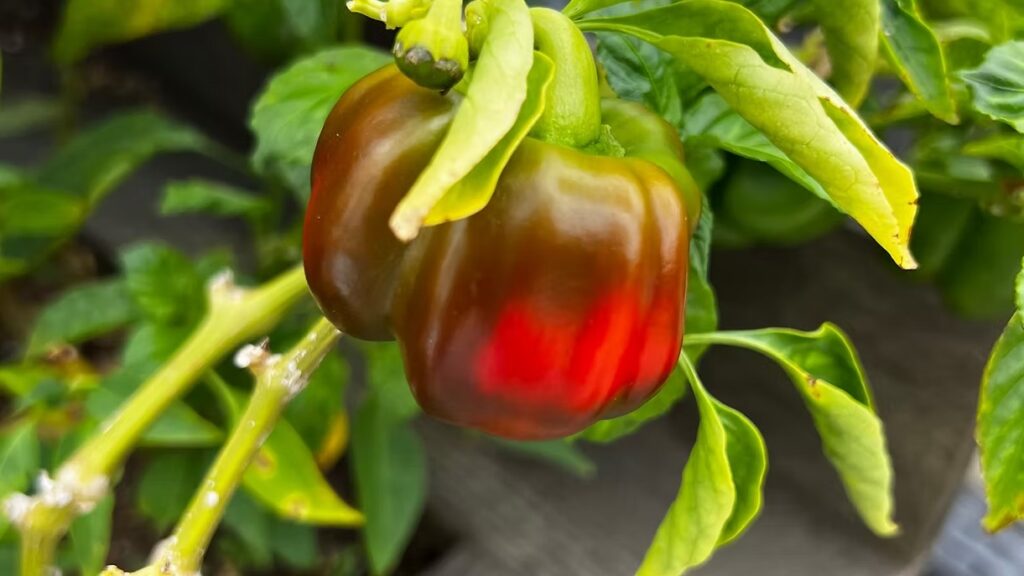
A garden-grown bell pepper develops rich red color as it ripens in the sunlight.
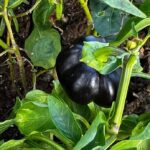
The Black Sweet Bell Pepper Plant is an eye-catching variety that combines ornamental beauty with excellent culinary value. Known for its deep purple to nearly black foliage and glossy dark fruits, this unique pepper plant stands out in vegetable gardens, raised beds, and decorative containers. As the peppers mature, they gradually change color from black or dark purple to a rich, vibrant red, signaling their peak sweetness and full flavor. Unlike hot peppers, Black Sweet Bell Peppers are completely sweet and contain no heat, making them an excellent choice for gardeners who enjoy colorful vegetables with a mild, crisp taste. Their thick walls and juicy texture make them incredibly versatile in the kitchen, while the plant itself adds dramatic contrast among green vegetables and flowering plants. Black Sweet Bell Pepper Plants thrive in warm weather and require plenty of sunlight to produce abundant fruit. Plant them after the danger of frost has passed when soil temperatures have warmed. They perform best in fertile, well-drained soil enriched with compost or organic matter. Consistent watering is essential throughout the growing season, especially during flowering and fruit development. Applying mulch around the base of the plant helps retain moisture, regulate soil temperature, and reduce weed growth. Regular feeding with a balanced vegetable fertilizer encourages healthy foliage, strong stems, and plentiful peppers. These compact plants typically reach 18 to 30 inches tall, making them suitable for traditional gardens, raised beds, and large patio containers. What Makes Black Sweet Bell Peppers Unique? One of the most remarkable features of this variety is its striking appearance. The nearly black peppers create a dramatic contrast against the plant’s dark green to purple foliage before gradually ripening to brilliant red. This color transformation makes the plant highly ornamental while also providing a visual cue for harvest timing. The peppers are blocky, thick-walled, and crunchy with a sweet flavor that becomes even richer as they mature. Harvesting at either the dark purple stage or the fully red stage allows gardeners to enjoy slightly different flavor profiles. Culinary Uses Black Sweet Bell Peppers are as versatile in the kitchen as they are beautiful in the garden. Their sweet, mild flavor pairs well with countless dishes and cooking methods. Fresh peppers add vibrant color and crisp texture to salads, vegetable trays, wraps, sandwiches, and fresh salsas. Their sturdy walls make them ideal for stuffing with rice, quinoa, vegetables, meats, or gluten-free grains before baking. They are also excellent for roasting, grilling, sautéing, stir-frying, and adding to soups, casseroles, pasta dishes, omelets, pizzas, and fajitas. Roasting enhances their natural sweetness while softening their texture, making them perfect for sauces, dips, and roasted vegetable medleys. For gardeners with abundant harvests, Black Sweet Bell Peppers can be frozen, pickled, or dehydrated for long-term storage without sacrificing much of their delicious flavor. Harvesting Tips Harvest Black Sweet Bell Peppers when they reach full size and display their characteristic glossy black or deep purple color if you prefer a slightly milder flavor. Allowing the peppers to remain on the plant until they ripen to bright red increases their sweetness and vitamin content. Using clean pruning shears or scissors to harvest peppers helps prevent damage to the plant and encourages continued production throughout the growing season. Nutritional Benefits Black Sweet Bell Peppers are rich in essential vitamins and antioxidants that support overall health. They are an excellent source of vitamin C, vitamin A, vitamin B6, potassium, and dietary fiber. Their colorful pigments contain beneficial antioxidants that help protect cells from oxidative stress while supporting immune function and healthy skin. Because they are naturally low in calories and high in nutrients, these peppers make a flavorful addition to balanced meals and healthy snacks. Why Grow Black Sweet Bell Pepper Plants? Black Sweet Bell Pepper Plants offer an exceptional combination of beauty, productivity, and flavor. Their unusual dark fruits and ornamental foliage make them a conversation piece in any garden, while their sweet, crisp peppers provide endless culinary possibilities. Whether grown in a backyard vegetable garden, raised bed, or decorative container, this unique variety delivers both visual appeal and delicious harvests throughout the growing season.
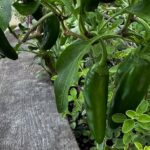
Discover how to grow jalapeño peppers and oregano together in your garden. Learn planting tips, care requirements, harvesting methods, culinary uses, and the benefits of this delicious herb and pepper combination. Jalapeño and Oregano: A Flavorful Garden Combination If you enjoy growing ingredients that go straight from the garden to the kitchen, few combinations are as rewarding as jalapeño peppers and oregano. These two plants complement each other beautifully in both the garden and countless recipes. The mild heat of fresh jalapeños pairs perfectly with the earthy, slightly peppery flavor of oregano, making them staples in Mexican, Tex-Mex, Mediterranean, and Southwestern cooking. Not only do they create bold flavors together, but they also have similar growing requirements, making them excellent companion plants for home gardeners. Whether you have a large backyard, raised beds, or a few containers on a sunny patio, jalapeños and oregano can thrive with proper care. Why Grow Jalapeños and Oregano Together? Jalapeños and oregano share many of the same growing preferences. Both enjoy warm temperatures, full sun, and well-drained soil. Planting them together creates an attractive and productive garden space while giving you fresh ingredients throughout the growing season. Oregano forms a low-growing mat that can help shade the soil around pepper plants, reducing moisture loss during hot weather. Meanwhile, the upright jalapeño plants provide visual interest and make harvesting simple. Growing these two together also means you can step into the garden and gather everything needed for homemade salsa, grilled vegetables, marinades, pizza toppings, soups, and countless other dishes. About Jalapeño Peppers Jalapeños are one of the world’s most popular chili peppers. They typically measure 2 to 4 inches long and mature from green to bright red if left on the plant. Green jalapeños offer a fresh, crisp flavor with moderate heat, while fully ripened red peppers become slightly sweeter with a deeper flavor. Most jalapeños measure between 2,500 and 8,000 Scoville Heat Units, making them flavorful without being overwhelmingly spicy for many people. Healthy jalapeño plants can produce dozens of peppers throughout the growing season when harvested regularly. About Oregano Oregano is a hardy perennial herb in many climates and is prized for its aromatic leaves. It produces small oval leaves packed with essential oils that become even more flavorful when dried. Its earthy, warm, and slightly peppery taste makes oregano an essential ingredient in Italian, Greek, Mediterranean, and Mexican cuisine. Once established, oregano requires very little maintenance and often returns year after year. Growing Requirements Both plants thrive in similar conditions, making them easy to grow together. Choose a location that receives at least 6 to 8 hours of direct sunlight every day. Plant them in loose, well-drained soil rich in organic matter. While oregano tolerates poorer soils better than peppers, both benefit from compost worked into the planting area before planting. Maintain consistent watering during the growing season, allowing the soil to dry slightly between waterings. Jalapeños require more moisture than oregano, so avoid overwatering the herb while ensuring the peppers receive enough water during flowering and fruit production. Companion Planting Benefits Growing oregano near jalapeños offers several advantages. The fragrant oils released by oregano may help confuse certain insect pests while attracting beneficial pollinators when allowed to flower. Both plants make excellent companions for tomatoes, basil, onions, garlic, carrots, and marigolds, creating a productive and diverse vegetable garden. Their compact growth habits also make them ideal choices for container gardening. Harvesting Jalapeños Harvest jalapeños once they reach full size and have a glossy appearance. Most gardeners pick them while green, but leaving them on the plant allows them to ripen to red for a sweeter flavor. Use clean pruning shears or scissors to remove peppers rather than pulling them from the plant, which can damage stems. Frequent harvesting encourages continued pepper production throughout the season. Harvesting Oregano Harvest oregano by snipping stems just above a pair of leaves. Regular harvesting encourages bushier growth and prevents the plant from becoming woody. For the strongest flavor, harvest oregano just before flowering when the essential oils are most concentrated. Fresh oregano can be used immediately or dried for long-term storage. Culinary Uses Fresh jalapeños and oregano create an incredible flavor combination in many recipes. They work beautifully in homemade salsa, tacos, burritos, enchiladas, fajitas, chili, soups, grilled chicken, roasted vegetables, pizza, pasta sauces, marinades, salad dressings, and stuffed peppers. Blend fresh oregano with jalapeños, garlic, olive oil, lime juice, and cilantro to create a vibrant herb sauce for grilled meats or vegetables. Both ingredients also enhance homemade tomato sauces and garden-fresh pasta dishes. Health Benefits Jalapeños contain vitamins A and C, antioxidants, and capsaicin, the natural compound responsible for their heat. Oregano is rich in antioxidants and contains beneficial plant compounds that have been valued for centuries in traditional herbal practices. Together, these fresh garden ingredients provide flavor without adding excess calories, making them excellent additions to healthy meals. Growing in Containers Jalapeños and oregano perform exceptionally well in containers. Choose pots with adequate drainage holes and use a high-quality potting mix designed for vegetables and herbs. Place containers where they receive full sunlight and water consistently during hot weather. Container-grown plants are perfect for patios, balconies, decks, and small-space gardens. Common Problems Jalapeños may occasionally encounter aphids, spider mites, blossom end rot, or fungal diseases if overwatered. Oregano is generally resistant to pests but can develop root rot in consistently wet soil. Proper spacing, good air circulation, and careful watering help prevent most problems before they begin. Storage Tips Fresh jalapeños can be refrigerated for one to two weeks. They can also be frozen, pickled, or dehydrated for long-term storage. Fresh oregano keeps well in the refrigerator for several days when wrapped in a slightly damp paper towel. It can also be air-dried or frozen to preserve its flavor for future recipes. Frequently Asked Questions Can jalapeños and oregano grow in the same container? Yes. Use a container that is at least 14 to 18 inches wide with excellent drainage so both
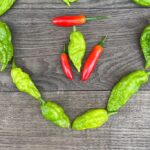
Celebrate your garden with a beautiful heart-shaped pepper harvest display featuring fresh jalapeños and ghost peppers. Learn about harvesting, growing, culinary uses, and creative ways to showcase your homegrown peppers. There is something incredibly satisfying about gathering a fresh harvest from the garden, especially when it includes colorful peppers grown with care throughout the season. Arranging freshly picked jalapeños and ghost peppers into the shape of a heart transforms an ordinary harvest into a beautiful display that symbolizes the love, dedication, and patience that gardening requires. Whether you are creating a centerpiece for your kitchen, capturing photos for your gardening blog, or celebrating a successful growing season, a heart-shaped pepper arrangement is a creative way to showcase your harvest. The rich green jalapeños paired with vibrant ghost peppers create a striking contrast that highlights the beauty of fresh, homegrown produce. It is a simple display that reminds us every harvest is worth celebrating. Why Create a Heart-Shaped Pepper Display? A heart-shaped arrangement is a fun and meaningful way to present your freshly harvested peppers. It showcases the variety of colors and sizes in your harvest while adding a personal touch to your gardening photos. Many gardeners enjoy creating seasonal displays using freshly picked vegetables and herbs. A heart made from jalapeños and ghost peppers represents both the beauty of the garden and the passion behind growing your own food. It is perfect for sharing on social media, decorating your kitchen, or inspiring other gardeners. Harvesting Jalapeños and Ghost Peppers Harvest peppers using clean garden pruners or sharp scissors to prevent damage to the plant. Jalapeños can be harvested while they are glossy green for their classic fresh flavor or left on the plant until they turn red for a slightly sweeter taste. Ghost peppers should be harvested once they have reached their mature color, which is most commonly bright red, although some varieties ripen to orange, yellow, chocolate, or peach. Because ghost peppers are extremely hot, always wear gloves while harvesting and handling them to protect your skin and eyes. Frequent harvesting encourages pepper plants to continue producing throughout the growing season. Growing Healthy Pepper Plants Jalapeños and ghost peppers thrive in warm weather and full sun. They perform best when they receive at least six to eight hours of direct sunlight each day. Plant peppers in fertile, well-draining soil enriched with organic matter. Water consistently to keep the soil evenly moist without becoming waterlogged. Applying mulch around the base of the plants helps retain moisture, regulate soil temperature, and reduce weed growth. Providing regular fertilizer during the growing season encourages healthy foliage, abundant flowering, and a productive harvest. Delicious Ways to Use Your Pepper Harvest Fresh jalapeños are incredibly versatile and can be enjoyed in countless recipes. They are perfect for homemade salsa, stuffed peppers, nachos, tacos, sandwiches, burgers, pizzas, pickling, and grilling. Ghost peppers are best used carefully because of their intense heat. Small amounts add incredible flavor to homemade hot sauces, spicy marinades, chili recipes, seasoning blends, infused oils, and dried pepper flakes. Both peppers can also be frozen or dehydrated, allowing you to enjoy your harvest long after the growing season has ended. Displaying Your Garden Harvest A heart-shaped pepper display makes a wonderful addition to harvest photography and seasonal decorating. Arrange the peppers on a rustic wooden board, cutting board, woven basket, or decorative platter for a natural presentation. Fresh herbs such as basil, parsley, rosemary, or thyme can be placed around the peppers to add texture and color. This simple arrangement celebrates not only the harvest itself but also the time and care invested in growing healthy plants from seed to harvest. A Garden Filled with Love Every successful harvest tells a story of patience, dedication, and appreciation for nature. Arranging jalapeños and ghost peppers into a heart shape is a beautiful reminder that gardening is more than growing vegetables. It is about creating lasting memories, enjoying fresh food, and sharing the rewards of your hard work with family and friends. Whether displayed in your home, photographed for your gardening journal, or shared with fellow gardeners, a heart-shaped pepper harvest is a creative way to celebrate another successful season in the garden.
Originally published
March 2026
Updated
August 2026
Reviewed by
Culibloom