Mastering Tree Crown Reduction: A Complete Guide to Healthier, Stronger, and Safer Trees
Learn everything you need to know about tree crown reduction, including what it is, why it is important, when to use it, and how proper pruning techniques can improve tree health, safety, and long-term growth.
Healthy trees are one of the greatest assets in any landscape. They provide cooling shade, improve air quality, support wildlife, and increase property value. However, even the healthiest trees sometimes need professional maintenance to remain safe and vigorous. One of the most effective pruning methods is tree crown reduction, a technique that carefully decreases the size of a tree while preserving its natural beauty and structural integrity.
Unlike severe topping, which damages trees and encourages weak regrowth, crown reduction is a selective pruning practice designed to reduce the overall height or spread of a tree without sacrificing its health. When performed correctly, it helps trees withstand storms, reduces the risk of falling branches, and extends the life of mature specimens.
Whether you are caring for ornamental trees, fruit trees, or large shade trees, understanding crown reduction can help you make informed decisions about maintaining a beautiful and thriving landscape.
What Is Tree Crown Reduction?
Tree crown reduction is a specialized pruning technique that decreases the overall size of a tree’s canopy by selectively shortening branches back to healthy lateral branches. Rather than removing large portions of the canopy indiscriminately, each cut is made with the goal of maintaining the tree’s natural shape.
This technique is commonly used when a tree has become too large for its location or when reducing weight on heavy limbs can improve structural stability.
Proper crown reduction focuses on preserving:
Healthy branch structure
Balanced canopy growth
Adequate sunlight penetration
Air circulation throughout the tree
The tree’s natural appearance
Because the process requires careful planning and precise cuts, it differs significantly from aggressive pruning practices that can permanently damage a tree.
Why Crown Reduction Matters
Proper crown reduction offers numerous benefits for both trees and homeowners.
Improves Tree Safety
Heavy branches can become hazardous during storms, especially when they overhang homes, sidewalks, driveways, or power lines. Reducing excess weight lowers the likelihood of limb failure during strong winds or heavy rain.
Promotes Better Tree Health
Removing excessive growth allows the tree to distribute nutrients more efficiently throughout its canopy. Improved airflow also helps reduce moisture buildup, lowering the risk of fungal diseases.
Protects Property
Trees growing too close to structures may interfere with roofs, windows, gutters, fences, and utility lines. Crown reduction helps create safe clearance while maintaining the tree’s natural beauty.
Extends Tree Lifespan
Reducing mechanical stress on large limbs decreases the chance of branch splitting and structural failure. This can significantly extend the life of mature trees.
Preserves Natural Appearance
Unlike topping, crown reduction maintains the graceful form of the tree, allowing it to continue growing in a balanced and attractive manner.
Crown Reduction vs. Tree Topping
Many people mistakenly believe topping and crown reduction are the same. In reality, they produce dramatically different results.
Tree topping removes large sections of the canopy by cutting branches indiscriminately. This practice often leaves large wounds, encourages weak shoots, and increases susceptibility to insects, diseases, and decay.
Crown reduction, on the other hand, uses selective pruning techniques to shorten branches at appropriate growth points. The result is a healthier tree with a more natural appearance and stronger branch structure.
When Should Crown Reduction Be Performed?
Not every tree requires crown reduction. It is most beneficial under specific circumstances.
A tree may benefit from crown reduction when it has outgrown its available space, develops heavy limbs that create structural concerns, interferes with nearby buildings or utilities, suffers storm damage, or needs weight reduced on vulnerable branches.
Many mature hardwoods respond well to crown reduction, while some species may not tolerate significant pruning. Understanding the growth habits of each tree species is essential before making pruning decisions.
The Best Time for Crown Reduction
Timing plays a major role in successful tree pruning.
Late winter through early spring is generally considered the ideal time for crown reduction because trees are dormant and can recover more efficiently before active growth begins.
However, dead, diseased, or hazardous branches should be removed whenever they are discovered.
Flowering trees may require different pruning schedules depending on whether they bloom on old wood or new growth.
How Crown Reduction Is Performed
Professional arborists follow a systematic approach to maintain tree health while reducing canopy size.
Step 1: Inspect the Tree
The entire tree is evaluated for structural weaknesses, dead branches, disease, crossing limbs, and overall health before any cuts are made.
Step 2: Identify Reduction Points
Branches are shortened by cutting back to healthy lateral branches capable of supporting future growth.
Step 3: Remove Excess Weight
Weight is gradually reduced throughout the canopy rather than removing large sections from one area.
Step 4: Maintain Natural Shape
The goal is to preserve the tree’s natural architecture rather than creating an artificial or uneven appearance.
Step 5: Clean Up Remaining Growth
Dead, damaged, rubbing, and diseased branches are removed to improve overall health and appearance.
Common Mistakes to Avoid
Improper pruning can cause permanent damage that may take years to recover from.
Some of the most common mistakes include:
Removing too much foliage during a single pruning session
Making flush cuts that damage the branch collar
Leaving long branch stubs
Using dull or dirty pruning tools
Topping instead of reducing
Pruning during periods of extreme heat or drought
Ignoring signs of disease or structural instability
Avoiding these mistakes helps trees recover more quickly and continue growing normally.
Can You Perform Crown Reduction Yourself?
Small ornamental trees with easily accessible branches may be suitable for experienced gardeners who understand proper pruning techniques.
However, large trees often require specialized equipment, climbing skills, and extensive knowledge of tree biology. Improper cuts can weaken the tree, create safety hazards, or lead to long-term decline.
Trees located near homes, roads, or electrical lines should always be evaluated by a qualified arborist.
Caring for Trees After Crown Reduction
Proper aftercare encourages healthy recovery.
Water deeply during prolonged dry periods, especially throughout the first growing season after pruning.
Apply mulch around the root zone while keeping it several inches away from the trunk to retain soil moisture and regulate temperature.
Monitor the tree for signs of insect activity, disease, or stress, and avoid heavy fertilization immediately after pruning unless soil testing indicates a nutrient deficiency.
Routine inspections help ensure the tree continues developing a strong, balanced canopy.
Signs Your Tree May Need Crown Reduction
Several indicators suggest that crown reduction may be appropriate.
Branches extend over roofs or structures.
Heavy limbs sag excessively.
Storm damage has weakened major branches.
The canopy blocks excessive sunlight.
Branches interfere with utility lines.
The tree appears unbalanced.
Multiple limbs show signs of cracking or splitting.
The tree has outgrown its planting location.
Early intervention often prevents larger problems from developing later.
Frequently Asked Questions
Does crown reduction hurt a tree?
When performed correctly using proper pruning techniques, crown reduction supports long-term tree health by reducing stress and maintaining structural balance.
How much of the canopy should be removed?
Most arborists recommend removing no more than 15 to 25 percent of the live canopy during a single pruning session, depending on the species and overall health of the tree.
How often should crown reduction be done?
Many mature trees only require crown reduction every five to ten years. Fast-growing species or trees in confined spaces may need more frequent maintenance.
Is crown reduction suitable for all tree species?
No. Some trees tolerate crown reduction well, while others respond poorly to heavy pruning. Proper species identification is essential before beginning any work.
Grow Stronger Trees with Proper Crown Reduction
Tree crown reduction is one of the most valuable pruning techniques for maintaining healthy, attractive, and structurally sound trees. By carefully reducing canopy size while preserving natural growth patterns, this method improves safety, enhances tree health, protects nearby structures, and extends the lifespan of valuable landscape trees.
Whether you are maintaining a mature oak, shaping a shade tree, or caring for ornamental specimens, proper crown reduction helps your trees remain resilient through changing seasons and severe weather. When performed with care and precision, this pruning technique supports healthier growth for years to come while preserving the beauty that makes trees such an important part of every landscape.
A lush mango tree stands tall in a garden, its dense canopy of vibrant green leaves creating a natural oasis.A mango tree stands with a significantly reduced crown, showcasing its trimmed branches amidst a lush garden setting, highlighting the recent crown reduction process for healthier growth.
Discover the essential garden tools every gardener needs to create a thriving, productive, and beautiful garden. From hand trowels to pruning shears and watering tools, learn which gardening essentials make planting, maintaining, and harvesting easier while helping your garden flourish all season long. Whether you are planting your very first vegetable bed or maintaining an established flower garden, having the right garden tools can make every gardening task easier, faster, and more enjoyable. Quality gardening tools not only improve efficiency but also reduce strain on your hands and back while helping your plants stay healthier throughout the growing season. Many new gardeners believe they need an entire shed full of equipment before getting started. In reality, a carefully selected collection of essential gardening tools can handle nearly every task, from preparing soil and planting seeds to pruning shrubs and harvesting fresh vegetables. This guide covers the must-have garden tools every gardener should own, along with tips for choosing durable equipment that will serve your garden for years to come. Why Quality Garden Tools Matter Investing in high-quality gardening tools saves time, reduces frustration, and often costs less in the long run. Well-made tools perform better, last longer, and provide greater comfort during extended gardening sessions. Benefits of using quality garden tools include: Improved efficiency while planting and maintaining your garden. Cleaner cuts that encourage healthier plant growth. Less physical strain during digging, pruning, and weeding. Greater durability that withstands years of regular use. Better results in vegetable gardens, flower beds, herb gardens, and landscaped areas. Choosing ergonomic tools with comfortable grips can also reduce hand fatigue and make gardening more enjoyable for gardeners of all experience levels. Hand Trowel A hand trowel is one of the most versatile tools in any gardener’s collection. It is ideal for digging small planting holes, transplanting seedlings, dividing perennials, and adding fertilizer around established plants. Look for a trowel with a sturdy stainless steel blade and a comfortable handle that provides a secure grip even when wet. Garden Gloves Every gardener should own several pairs of durable gardening gloves. Gloves protect your hands from thorns, splinters, insects, rough soil, and blisters while keeping your hands cleaner during long gardening sessions. Different gloves work best for different tasks. Lightweight gloves are ideal for planting and harvesting, while thicker leather gloves provide extra protection when pruning roses or handling thorny shrubs. Pruning Shears Sharp pruning shears are essential for maintaining healthy plants. They allow you to remove dead branches, shape shrubs, harvest vegetables, and encourage stronger plant growth. High-quality bypass pruners produce cleaner cuts that heal more quickly than crushing stems with dull tools. Regular cleaning and sharpening help pruning shears perform their best throughout the gardening season. Garden Fork A sturdy garden fork helps loosen compacted soil, mix compost into planting beds, and harvest root vegetables without causing unnecessary damage. Unlike a shovel, a garden fork breaks up heavy soil with less effort and improves soil aeration, allowing roots to grow more freely. Garden forks are especially useful when preparing raised beds before planting each spring. Spade or Garden Shovel Every garden benefits from a dependable shovel or spade. Round-point shovels excel at digging holes, moving mulch, and transferring compost. Flat-edged spades create crisp bed edges, divide perennials, and slice through roots with precision. Many experienced gardeners keep both tools available because each serves a different purpose. Garden Hoe A garden hoe remains one of the best tools for weed control. Regular hoeing removes young weeds before they become established while gently loosening the soil surface to improve water penetration. Using a hoe frequently throughout the growing season dramatically reduces the amount of hand weeding required later. Watering Can Although irrigation systems and hoses are convenient, a watering can offers exceptional control when watering seedlings, container gardens, and delicate flowers. Choose a watering can with a removable rose attachment that creates a gentle shower rather than a strong stream, helping prevent soil erosion around young plants. Garden Hose with Adjustable Nozzle A quality garden hose paired with an adjustable spray nozzle provides flexibility for watering every area of the garden. Multiple spray settings allow you to: Water newly planted seedlings gently. Deeply soak vegetable beds. Clean gardening tools. Wash patios and pathways. Look for hoses that resist kinking and remain flexible throughout changing temperatures. Wheelbarrow or Garden Cart Transporting soil, compost, mulch, plants, stones, and harvested vegetables becomes much easier with a wheelbarrow or garden cart. Garden carts often provide greater stability and are easier to maneuver across uneven ground, while traditional wheelbarrows work well for heavier materials. Both save countless trips across the yard during major gardening projects. Garden Rake A durable rake performs several important jobs throughout the year. It helps prepare seedbeds, level soil, spread mulch evenly, gather leaves, and remove garden debris after pruning. Steel garden rakes work well for soil preparation, while leaf rakes are better suited for collecting lightweight debris. Soil Knife or Hori Hori Knife One of the most underrated gardening tools is the versatile hori hori knife. This multi-purpose tool combines the functions of a knife, trowel, saw, and weeding tool into one compact design. It can be used for: Digging planting holes. Cutting roots. Removing weeds. Dividing perennials. Harvesting vegetables. Opening bags of potting soil. Many experienced gardeners consider it their most frequently used hand tool. Garden Kneeler or Kneeling Pad Gardening often involves long periods spent kneeling. A cushioned kneeling pad or foldable garden kneeler reduces pressure on your knees while making planting, weeding, and harvesting significantly more comfortable. Some garden kneelers even convert into sturdy seats for additional convenience. Soil Moisture Meter Guessing when to water often leads to overwatering or underwatering. A soil moisture meter helps determine when plants actually need water by measuring moisture beneath the soil surface. This simple tool promotes healthier root systems while conserving water throughout the growing season. Tool Maintenance Tips Proper maintenance extends the life of every gardening tool. After each use, remove soil and plant
Discover how to create an alphabet garden for kids with plants from A to Z. This fun gardening project encourages outdoor learning, healthy eating, creativity, and a lifelong love of nature. Gardening is one of the best ways to encourage children to explore the outdoors while learning valuable life skills. An alphabet garden combines gardening, science, reading, and creativity into one exciting project that children of all ages can enjoy. By growing plants that represent each letter of the alphabet, children develop a stronger understanding of letters, vocabulary, healthy foods, and the natural world. Whether you have a large backyard, a raised garden bed, or several containers on a patio, an alphabet garden can be adapted to fit almost any space. This hands-on learning activity transforms ordinary gardening into an engaging educational adventure that families can enjoy throughout the growing season. If you are searching for educational gardening activities for kids or fun ways to teach the alphabet outdoors, creating an alphabet garden is a memorable project that blends learning with nature. What Is an Alphabet Garden? An alphabet garden is exactly what it sounds like. Each section of the garden represents a letter of the alphabet with one or more plants that begin with that letter. Children can help choose the plants, prepare the soil, plant seeds or seedlings, water regularly, and watch each letter come to life as the garden grows. The project encourages children to identify letters, practice spelling, expand their vocabulary, and understand where fruits, vegetables, herbs, and flowers come from. An alphabet garden also introduces basic gardening concepts such as soil preparation, watering schedules, sunlight requirements, composting, pollination, and harvesting. Educational Benefits of an Alphabet Garden An alphabet garden teaches much more than gardening. It creates opportunities for learning across multiple subjects. Children improve letter recognition as they connect each plant to its beginning letter. Reading skills grow naturally as children read seed packets, plant labels, and garden journals. Math becomes part of everyday gardening by measuring plant growth, counting seeds, estimating harvests, and tracking rainfall. Science lessons happen naturally through observing insects, learning about pollinators, understanding plant life cycles, and exploring ecosystems. Healthy eating habits develop as children become excited to taste vegetables and herbs they helped grow. Problem-solving skills improve as children learn how to care for plants and recognize signs that plants need water, nutrients, or protection from pests. Planning Your Alphabet Garden Start by choosing a sunny location that receives at least six hours of sunlight each day. If yard space is limited, use raised beds, large containers, window boxes, or even vertical planters. Next, create a simple garden map. You can divide the space into alphabet sections or place decorative markers throughout the garden with each letter clearly displayed. Allow children to help design the layout. They will feel more connected to the project when they participate in every step of the planning process. Plant Ideas from A to Z Not every letter has dozens of plant choices, but many have at least one excellent option. A for Alyssum or Artichoke B for Basil, Beans, or Beets C for Carrots or Calendula D for Dill E for Eggplant F for Fennel G for Garlic H for Hollyhocks I for Impatiens J for Jalapeños K for Kale L for Lettuce or Lavender M for Marigolds or Mint N for Nasturtiums O for Oregano or Onions P for Peppers or Parsley Q for Queen Anne’s Lace R for Radishes or Rosemary S for Spinach, Sage, or Strawberries T for Tomatoes or Thyme U for Upland Cress V for Violets W for Watermelon X for Xeranthemum Y for Yarrow Z for Zinnias or Zucchini Do not worry if you cannot find every plant in your local garden center. Focus on growing a variety of flowers, herbs, fruits, and vegetables that are suitable for your growing zone. Make Learning Interactive The alphabet garden becomes even more exciting when you add educational activities throughout the season. Children can create colorful plant markers using craft sticks or painted rocks. Keep a garden journal where they record planting dates, weather conditions, and weekly plant growth. Practice spelling simple words using the names of plants growing in the garden. Create scavenger hunts by asking children to find plants that begin with certain letters. Measure plants every week and compare which ones grow the fastest. Draw pictures of flowers, insects, butterflies, bees, and vegetables found in the garden. Collect seeds from mature plants for future gardening projects. These activities strengthen reading, writing, observation, and critical thinking skills while making gardening even more enjoyable. Encourage Pollinator Learning An alphabet garden is also a wonderful opportunity to teach children about pollinators. Include flowers such as zinnias, marigolds, nasturtiums, alyssum, lavender, and yarrow to attract bees, butterflies, and beneficial insects. Children can observe how pollinators move from flower to flower and learn why they are essential for producing many fruits and vegetables. Adding a shallow bird bath or a bee watering station can make the garden even more welcoming to helpful wildlife. Grow Confidence Along with Plants Children develop confidence when they see the results of their hard work. Watering plants, pulling weeds, harvesting vegetables, and caring for flowers teaches responsibility and patience. Even small gardening successes help children understand that consistent care leads to rewarding results. Harvesting vegetables they planted themselves often encourages children to try new foods they might otherwise avoid. Make It a Family Tradition An alphabet garden can become a yearly family project that changes with each season. Each year, children can select different plants, decorate new signs, expand the garden, or create themed sections. As children grow older, they can take on more responsibility by planning the garden layout, starting seeds indoors, learning about composting, and saving seeds for the following year. The memories created while gardening together often become just as meaningful as the harvest itself. Tips for Success Choose plants that grow well in your local climate. Select a mixture of vegetables, herbs, flowers,
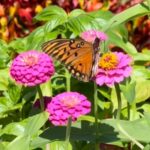
Discover how butterflies transform your garden into a beautiful and peaceful sanctuary. Butterflies enhance garden beauty, support pollination, and promote wellness. Learn how to attract butterflies naturally and create a thriving, colorful outdoor sanctuary filled with life. A thriving garden is much more than a collection of flowers, shrubs, and vegetables. It is a living ecosystem where every plant and creature plays a valuable role. Among the most captivating visitors are butterflies. Their colorful wings, graceful flight, and gentle presence bring an unmistakable sense of wonder that few other garden guests can match. Beyond their beauty, butterflies contribute to healthier landscapes by supporting pollination and encouraging biodiversity. Their arrival signals that your garden is providing a healthy environment rich in flowering plants and natural habitats. Whether you cultivate an expansive backyard, raised garden beds, or a few containers on a patio, creating a butterfly-friendly garden can transform your outdoor space into a peaceful retreat that benefits both nature and your well-being. Why Butterflies Are Valuable Garden Visitors Butterflies are more than beautiful insects. They are important pollinators that help flowering plants reproduce by carrying pollen from one bloom to another as they feed on nectar. Although bees perform much of the world’s pollination, butterflies also make meaningful contributions, especially among flowering ornamentals and native wildflowers. Because butterflies are sensitive to environmental changes, they often serve as indicators of a healthy ecosystem. A garden that regularly attracts butterflies typically contains diverse plant life, clean water, and minimal pesticide use. Their presence is a sign that your landscape is providing food and shelter for a wide variety of beneficial wildlife. Adding Natural Beauty Through Color and Motion One of the greatest joys of gardening is watching nature unfold throughout the seasons, and butterflies add a level of beauty that flowers alone cannot achieve. Their delicate movements create a sense of motion that makes every garden feel more vibrant and alive. As butterflies drift from blossom to blossom, they create ever-changing displays of color against blooming flowers and lush green foliage. Their graceful flight captures attention, making even quiet moments in the garden feel magical. Different butterfly species bring unique patterns and colors that enhance the landscape throughout the growing season. Every visit adds another layer of visual interest that keeps the garden dynamic and inviting. The Wellness Benefits of a Butterfly Garden Gardens have long been recognized as places of relaxation and restoration, and butterflies enhance that experience even further. Watching them flutter through flower beds encourages people to slow down, observe nature, and appreciate the present moment. Spending time in a butterfly-filled garden may help reduce stress while creating opportunities for mindfulness and quiet reflection. Many gardeners find that tending plants and observing wildlife becomes a calming daily ritual that supports emotional well-being. A butterfly garden can also inspire creativity, encourage outdoor activity, and provide meaningful opportunities for families to learn about nature together. How to Attract More Butterflies Naturally Creating a butterfly-friendly garden begins by providing everything butterflies need to thrive. Nectar-rich flowers, host plants, shelter, sunlight, and clean water all contribute to a welcoming habitat. Butterflies are naturally drawn to brightly colored flowers that bloom throughout the growing season. Selecting a variety of plants with staggered bloom times ensures a continuous food source from spring through fall. Excellent butterfly-friendly flowers include coneflowers, zinnias, lantana, bee balm, lavender, verbena, salvia, coreopsis, black-eyed Susans, and asters. Planting flowers in large clusters rather than scattering individual plants makes them easier for butterflies to locate while creating bold displays of color. Native plants are especially beneficial because they have evolved alongside local butterfly species and often provide the most reliable food sources. Do Not Forget Host Plants While nectar plants feed adult butterflies, host plants are essential for the next generation. Female butterflies lay their eggs on specific plants where newly hatched caterpillars can safely feed. Without host plants, butterflies cannot complete their life cycle, making them one of the most important features of a successful butterfly garden. Milkweed supports monarch butterflies, parsley, dill, and fennel provide food for black swallowtail caterpillars, while passion vine attracts gulf fritillary butterflies. Including these plants allows your garden to support butterflies from egg to adulthood. Create Safe Places to Rest Butterflies need more than flowers. They also require sunny resting areas, protection from strong winds, and access to moisture. Flat rocks placed in sunny locations provide warm resting spots where butterflies can bask in the morning sun. Shrubs, ornamental grasses, hedges, and small trees offer protection during windy or rainy weather. Adding a shallow dish filled with moist sand, pebbles, or damp soil creates a simple puddling station where butterflies can drink water and absorb important minerals. Garden Naturally for Healthier Butterflies Reducing or eliminating chemical pesticides is one of the best ways to encourage butterflies. Many insecticides harm butterflies during both the caterpillar and adult stages, even when applied to ornamental plants. Instead, encourage beneficial insects such as ladybugs, lacewings, and praying mantises to help control common garden pests naturally. Healthy soil, diverse plantings, and good gardening practices create balanced ecosystems where butterflies and other pollinators can thrive. Organic gardening methods also protect birds, bees, and countless beneficial insects that contribute to a healthier landscape. Support Butterflies Throughout the Seasons A successful butterfly garden provides nectar from early spring until late autumn. By planting early bloomers alongside summer favorites and fall flowers, you can welcome butterflies throughout much of the year. Spring flowers provide nourishment as butterflies emerge, while autumn blooms help migrating species build the energy they need before seasonal journeys. This succession of blooms also keeps your garden colorful and interesting from one season to the next. Every Garden Can Make a Difference You do not need acres of land to support butterflies. Even a small courtyard, balcony, or patio filled with flowering containers can provide valuable nectar and shelter for visiting butterflies. Each butterfly-friendly garden contributes to local conservation efforts by creating small habitats that connect fragmented natural spaces. Collectively, home