
Grow Ingredients for Great Cooking
This is where much of Culibloom’s inspiration takes root.
The Garden is a growing collection of herbs, edible flowers, fruits, and vegetables that bring fresh flavor, natural color, and character to the kitchen. Each guide connects the garden to the table, sharing practical growing advice alongside delicious ideas for using each plant in recipes.
You do not need a large garden to begin. Many culinary herbs and edible flowers flourish in containers, raised beds, or even on a sunny windowsill.
Start with versatile favorites such as basil, mint, and thyme. As your garden grows, explore edible flowers such as calendula, nasturtium, and viola. These beautiful blooms can add color, flavor, and a memorable finishing touch to salads, desserts, drinks, and gluten-free baking.
Each plant guide explores how the plant grows, what it tastes like, how to harvest and use it in the kitchen, and which Culibloom recipes allow it to shine. From seed to plate, the Garden celebrates the simple pleasure of growing something beautiful and turning it into something delicious.
Each herb and flower has its own page, beginning with a concise answer and followed by practical sections that connect growing with cooking.
A short, direct description of the plant’s flavor and aroma, along with the dishes and ingredients it pairs well with.
Practical ideas for using the plant in the kitchen, with links to Culibloom recipes where appropriate.
The essentials for growing the plant successfully, including sunlight, soil, watering, containers versus garden beds, and other relevant growing considerations.
Information specific to the plant, including which parts are edible, how they should be prepared, and any relevant safety considerations. Only plants and flowers confirmed as edible should be recommended for culinary use, and edible flowers should be grown without pesticides or other unsuitable treatments.
Wherever a plant appears in a recipe, link the recipe to its corresponding Garden guide.
For example, the Thyme & Calendula Sugar Cookies and the Garden Butter both use herbs and edible flowers that link naturally to the Variegated Thyme guide, while the plant guide links back to the recipes that use it.
This creates a natural two-way relationship between the recipe collection and Garden.
The best part of growing your own ingredients isn’t simply watching something grow.
It’s stepping outside, picking something fresh, bringing it into the kitchen and turning it into something worth sharing.
That’s the garden-to-table spirit at the heart of Culibloom.
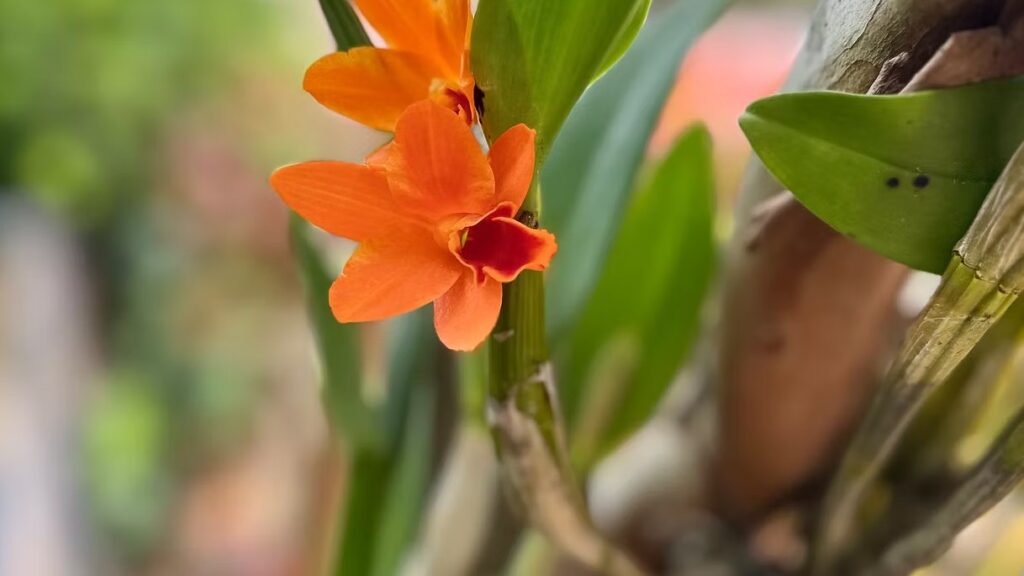
Learn how to grow and care for Mini Cattleya orchids with helpful guidance on light, watering, humidity, fertilizer, repotting, and blooming. Mini Cattleya orchids offer the spectacular color, distinctive form, and delightful fragrance associated with traditional Cattleyas in a much
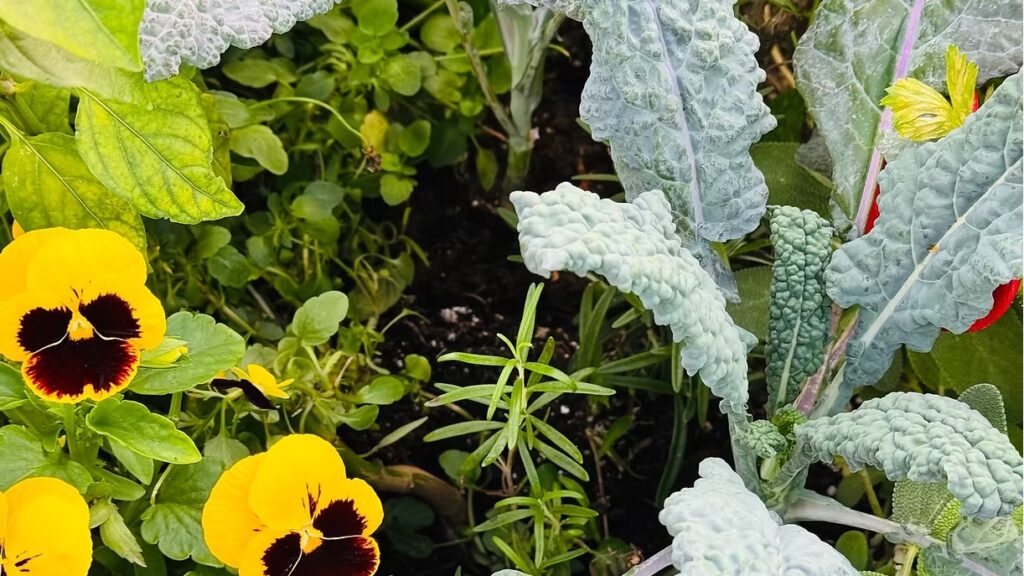
Discover why kale and pansies make the perfect cool-season garden combination. Learn how to grow, care for, harvest, and enjoy these beautiful edible plants while creating a colorful and productive garden. There is something truly rewarding about a garden that

Learn how to grow a Vanda orchid on a tree with the right light, watering, mounting method, humidity, fertilizer, and tropical garden care. Growing a Vanda orchid on a tree creates a spectacular living display filled with cascading aerial roots,

Learn how to plant, grow, and care for orange nasturtiums, including sunlight, soil, watering, container care, harvesting, and edible uses. Orange nasturtiums bring glowing color, rounded green leaves, and a relaxed cottage-garden appearance to beds, borders, containers, and edible landscapes.
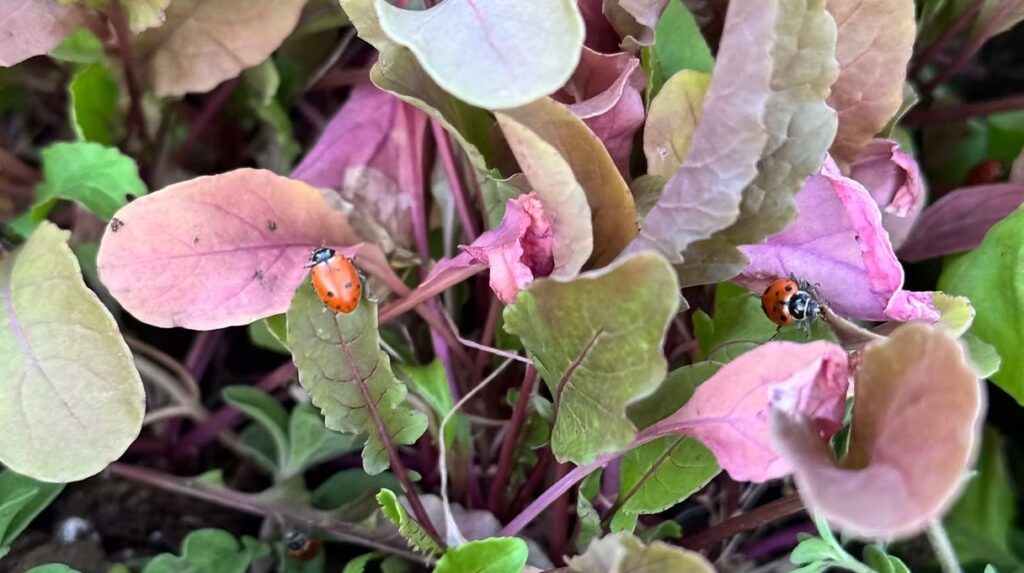
Use this salad greens growing guide to plant, care for, harvest, and store fresh lettuce, spinach, arugula, kale, and more at home. Growing salad greens at home is one of the simplest and most rewarding ways to enjoy fresher meals.

Discover the timeless beauty of the white dendrobium orchid and learn how to provide the right light, water, humidity, and care for lasting blooms. Graceful, luminous, and naturally sophisticated, the white dendrobium orchid brings a sense of timeless beauty to

Learn how to grow Thai basil in garden beds or containers, from planting and watering to harvesting its fragrant leaves and managing flowers. Thai basil brings fragrance, flavor, and ornamental beauty to the garden. Its glossy green leaves, purple stems,

Learn how to grow lemon balm and mint together with this complete gardening guide. Discover planting tips, care, harvesting, companion planting, culinary uses, health benefits, and expert advice for enjoying these fragrant herbs all season long. If you are looking

Learn how to grow variegated thyme with guidance on sunlight, soil, watering, pruning, harvesting, containers, propagation, and garden design. Variegated thyme brings color, fragrance, texture, and culinary versatility to the garden. Its tiny green leaves are edged or splashed with